The official journal of the International Spinal Cord Society (ISCoS). Published by Nature on a monthly basis. Covers all aspects of spinal cord injury.
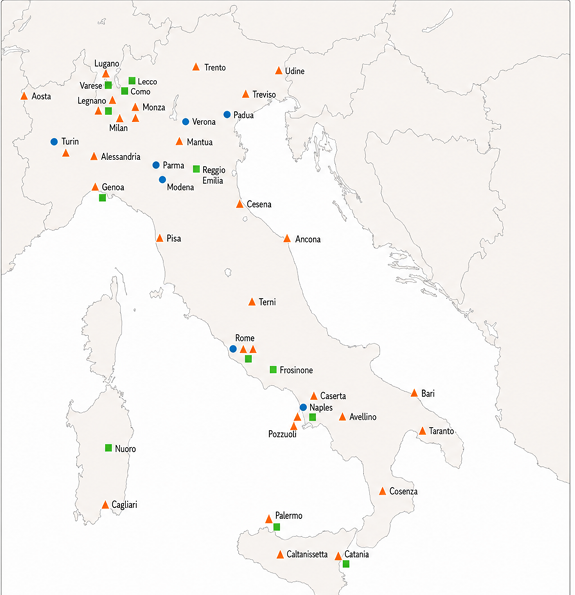
This study described the design and rationale of the Italian Spine Trauma Registry (TVMit) and assess the feasibility of standardized nationwide recruitment and longitudinal data collection in surgically treated spinal trauma.
https://t.co/RGsHd38awv
This study aimed to evaluate the safety and feasibility of intramedullary administration of polymerized laminin in individuals with acute complete spinal cord injury
https://t.co/EAzEzwY2AT
"Frailty, assessed using the mFI-5, is an independent predictor of pneumonia and infections in older adults with cervical spinal cord injury..."
https://t.co/7g4y4RL9d1
This study evaluated the association between appendicular skeletal muscle mass index and MCID-defined motor recovery in patients with paraplegia due to SCI and identified ASMI thresholds associated with MCID-defined motor recovery.
https://t.co/azE3eDdshN
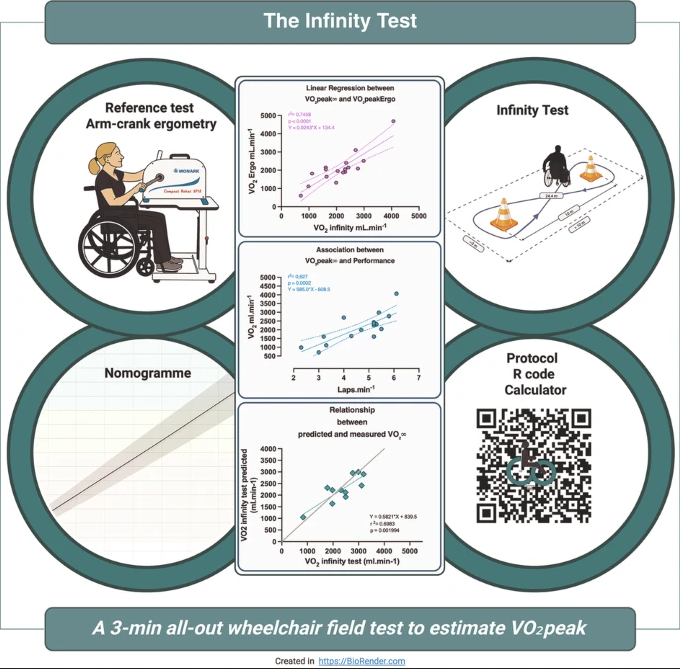
We developed and validated the 3-min Infinity Test, a simple wheelchair field test that accurately predicts VO₂peak in individuals with spinal cord injury. A practical tool for rehabilitation and performance assessment.
https://t.co/pjapaTpDuX
Respiratory muscle strength improvement in persons with SCI is mainly dependent on respiratory muscle training intensity and duration, but not on personal or lesion characteristics.
https://t.co/xy6J41Gh68
"This paper provides guidance on the principles and practicalities of designing and implementing large, international, investigator-driven clinical trials."
https://t.co/lq1tjXmA9H
"The findings present support that living a successful life, by maintaining good health, regular participation in social activities, and engagement in employment, are keys to longevity and reaching full life expectancy."
https://t.co/WKRLZBiVU5
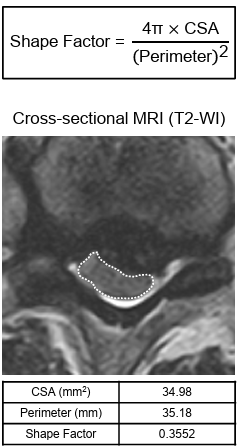
This study investigated the utility of the spinal cord Shape Factor as a preoperative predictor of surgical outcomes in patients with thoracic ossification of the posterior longitudinal ligament.
https://t.co/vtCeZPnyJv
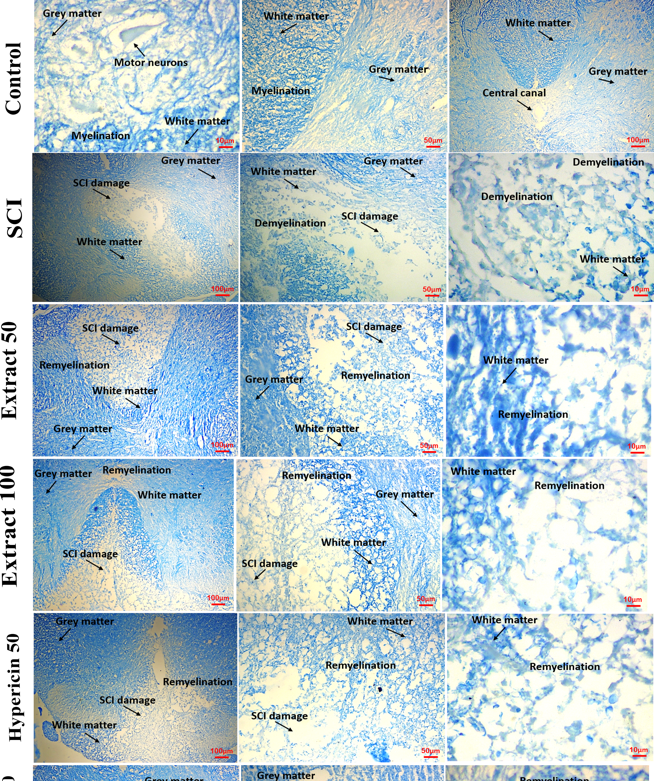
"Hypericin exhibited strong neuroprotective properties by reducing oxidative stress, enhancing neurotrophic factor expression, and preserving myelin integrity in a preclinical model of SCI..."
https://t.co/L1AGWfgYTx
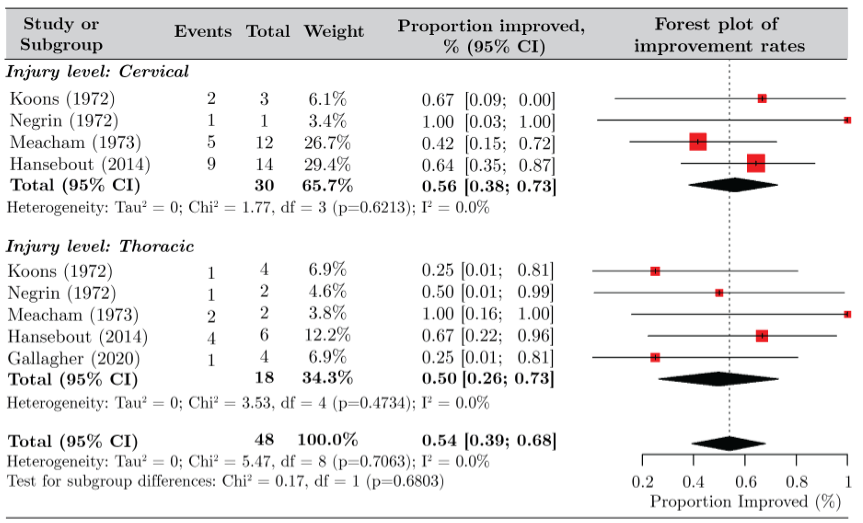
Systematic review & meta-analysis finds local hypothermia shows promise for acute spinal cord injury, with >50% of patients improving neurologically. Larger trials needed to confirm efficacy & optimize delivery
https://t.co/ijwsjJLThk
@yiluspine
Intradural decompression may improve neurological recovery following acute SCI, particularly in patients with incomplete injuries. However, the current evidence is limited to observational studies with substantial heterogeneity and risk of bias.
https://t.co/YmkDCPhXv2
Each month, Spinal Cord’s Editor-in-Chief, Dr Michael Fehlings, speaks with authors of recent publications to explore their research, the story behind it, and the future of spinal cord injury care. Listen to all ISCoS episodes here: https://t.co/A0g6OBEAoN
This study examined pre-COVID differences between individuals living with SCI reporting COVID-related difficulty and those who did not during the pandemic, as well as their longitudinal changes in outcomes after the pandemic.
https://t.co/ENtiISCmtB
@SpringerNature
Post-flap complications occur frequently, impacting rehabilitation progress and length of stay. Examining both local and general complications offers a broad-ranging view of the post-flap surgical and rehabilitation trajectory.
https://t.co/hScDx20kLv
@SpringerNature
Sexual health of women with spinal cord injury matters. In our study, 52% had UI and only 49% were sexually active. UI was strongly linked to sexual inactivity and lower satisfaction. Continence increased the odds of sexual activity.
https://t.co/Fj49xt03Pa
@rachelmazonii