The National Tax Journal (NTJ) is the journal of the NTA and features high quality original research on govt governmental tax and expenditure policies.
Tax benefits tied to children form a major component of the social safety net in the US--but how do family income levels affect the claiming of children on tax forms? This article from the National Tax Journal investigates: https://t.co/9zlER2pG1X @journaltax
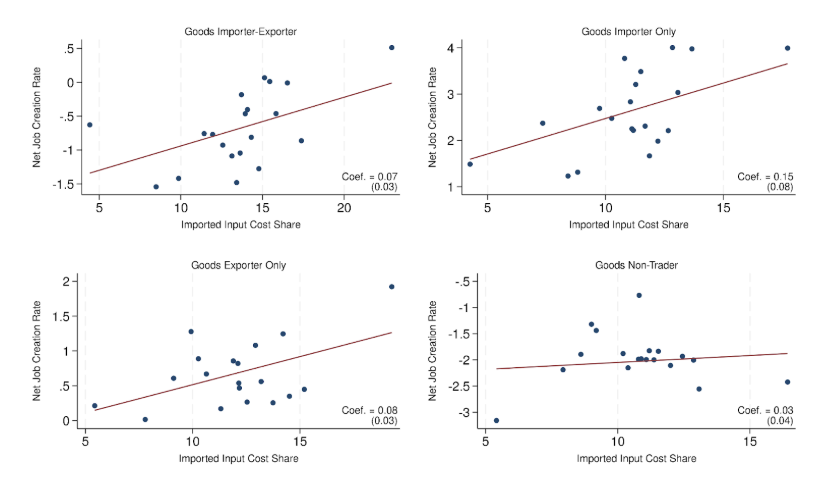
30-year pattern: higher imported input use → higher U.S. manufacturing job creation. Today's reality: importer-exporters employ 75% of manufacturing workers. 2025 tariff increases impose cost shocks on the largest employers.
Read more here: https://t.co/fHYqw5QZti
New work in @JournalTax:
“Importers, Exporters, and Job Creation: A 30-year View to Assess Implications of the 2025 U.S. Tariff Actions”
By Fariha Kamal
Read more here: https://t.co/fHYqw5QZti
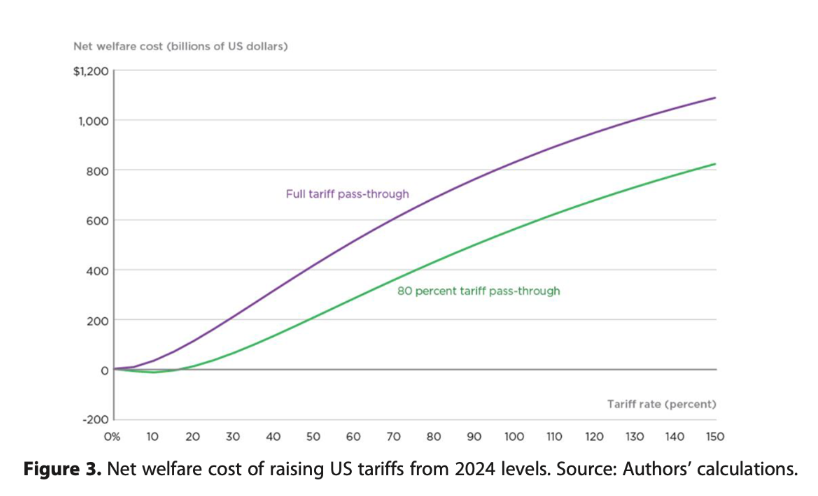
We examine tariffs through a fiscal policy lens, showing why tariffs are poorly suited to tax policy goals. While tariffs raise revenue, they are highly inefficient, regressive, rife with tax administration challenges, and harmful to macroeconomic policy goals.
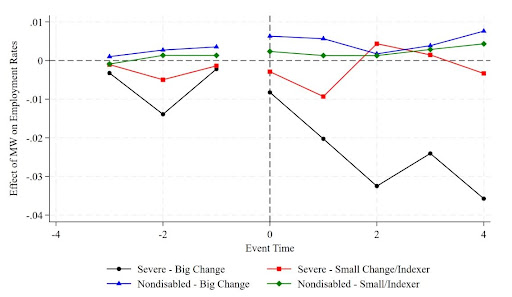
We find large increases reduce employment for those with severe disabilities by 2.4pp & increase public assistance receipt, highlighting unintended consequences for those on the margins of the labor force.
Read more: https://t.co/8Ik1euNiJO
New work in @JournalTax by @JeffreyPClemens, @MelissaDGentry, and Jonathan Meer:
“Divergent Paths: Differential Impacts of Minimum-Wage Increases on Individuals with Disabilities”
Do minimum wages affect disabled adults more?
New work in @JournalTax by Riley Wilson @1rileywilson:
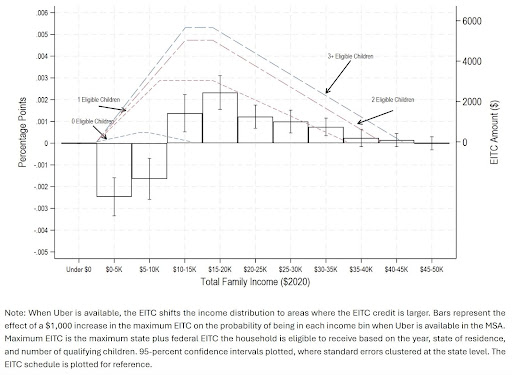
“The Self-Employment Effects of the EITC on the Gig Economy”
Can gig work turn EITC incentives into real self-employment (not just reporting)?
Using state EITC variation + Uber rollout, EITC effects are larger with Uber present. If max EITC increases $1,000, then self-employment increases 0.2pp, self-employment income increases 2.5%, and income shifts increase credits.
New work in @JournalTax by David Splinter, James Elwell, and Lin Xu:
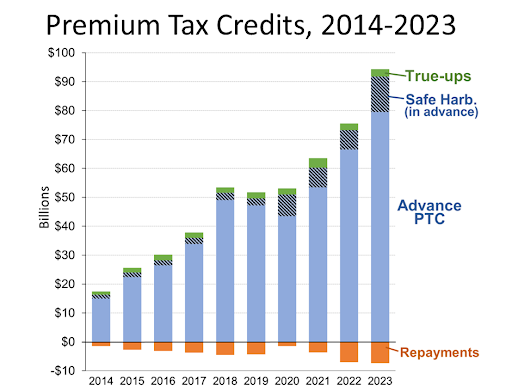
“Advance Tax Credits: Reconciliations and Repayments”
When must advance tax credits be repaid?
New research considers 4 advance credits: premium credits, EITC, stimulus, and child credits. Repayments result from income increases across credit phase-outs. Safe harbors shield some but add filing complexity and fiscal costs. Advance credits also increase noncompliance.
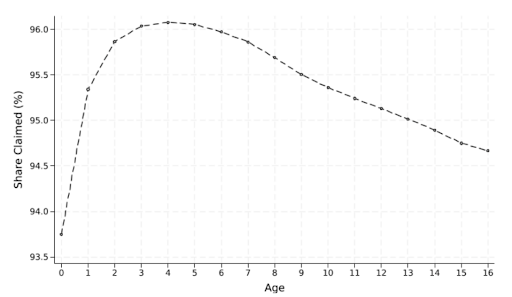
Children need to be claimed on tax returns to qualify for child tax benefits, but how many U.S. children actually do get claimed? The vast majority!
Read more here: https://t.co/YuHQcFHLXq
New work in @JournalTax by Geoffrey Gee, Jacob Goldin, Joseph Gray-Hancuch, Ithai Z. Lurie, and Vedant Vohra:
“The Claiming of Children on U.S. Tax Returns”
Read more here: https://t.co/YuHQcFHLXq
New work in @JournalTax by Michael Love:
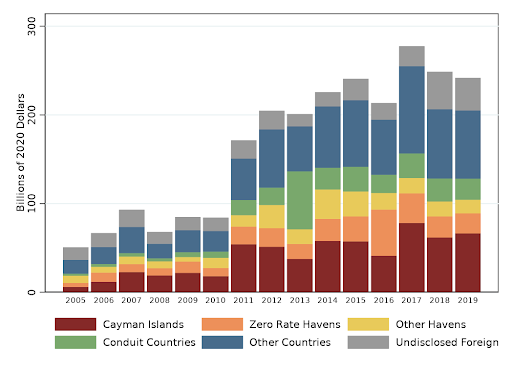
“Where in the World Does Partnership Income Go? Evidence of a Growing Use of Tax Havens”
Read more here: https://t.co/nMao9WAcrm
Most of these flows are investment income routed through “blocker” corporations—especially in the Cayman Islands—typically facing zero tax as it leaves the US. Investment funds widely use these structures to shield foreign and US tax-exempt investors from reporting or tax.