Official journal of the Anatomical Society (@anat_soc). We improve understanding of anatomy through analysis of structure, function, development and evolution
👋Hi new followers! 👋
At @JournalofAnat, we seek to advance the understanding of all aspects of human and comparative anatomy through the analysis of structure, function, development, and evolution.
More about us, and submit your papers here: https://t.co/ZULHi6vMzL
Their study also provides a workflow for measuring IJDs and ROM, and for assessing how these variables are influenced by body mass and locomotor behaviour.
https://t.co/0JpYzrppMn
Scheidt et al., investigate the scaling of internal joint distance (IJD), a surrogate measure for cartilage thickness, across small- to medium-sized mammals.
Elbow position had no significant effect on IJD and used these data to model the range of motion (ROM) at the elbow joint
Our new special issue explores how joints shaped vertebrate evolution through biomechanics, development, anatomy and palaeontology, revealing joints as dynamic interfaces where structure, function and history converge. https://t.co/ddwrNm6swV
🚨 We’re Hiring! 🚨
Journal of Anatomy is looking for a new Editor-in-Chief to join one of the world’s most respected platforms in anatomical science.
Passionate about advancing scholarly research in the anatomical sciences?
Visit the link - https://t.co/OkK98tODFp
This month Campbell et al. study the electroreceptor ribbon synapses in sturgeon lateral line organs. They found that these synapses in non-teleost ray-finned bony fish are glutamatergic, suggesting further commonalities, but also some differences, with hair cell ribbon synapses.
By using the lateral ligaments of the #ankle at various joint positions, they validate a new approach, which allows for better characterisation of soft tissues for future surgical repair and tissue engineered replacement design. https://t.co/XvlThzAC7c
Another from the Special Issue - @Paxton_Lab showcase a new methodology for gaining accurate dimensions of soft tissues during #dissection. Many methods overlook the laxity of soft tissue when describing dimensions and use a 'point-to-point- approach.
Also in this special issue, @JCLT0mlins0n tested whether calcaneal heel spurs strengthen the plantar fascia’s attachment to the heel. Avulsion frequency did not seem linked to the presence of spurs, suggesting heel spurs are unlikely to play a meaningful biomechanical function.
Together, these contributions reframe connective tissue as a central player in anatomy, biomechanics, and health, highlighting its critical role in how the body moves, withstands force, and responds to its environment.
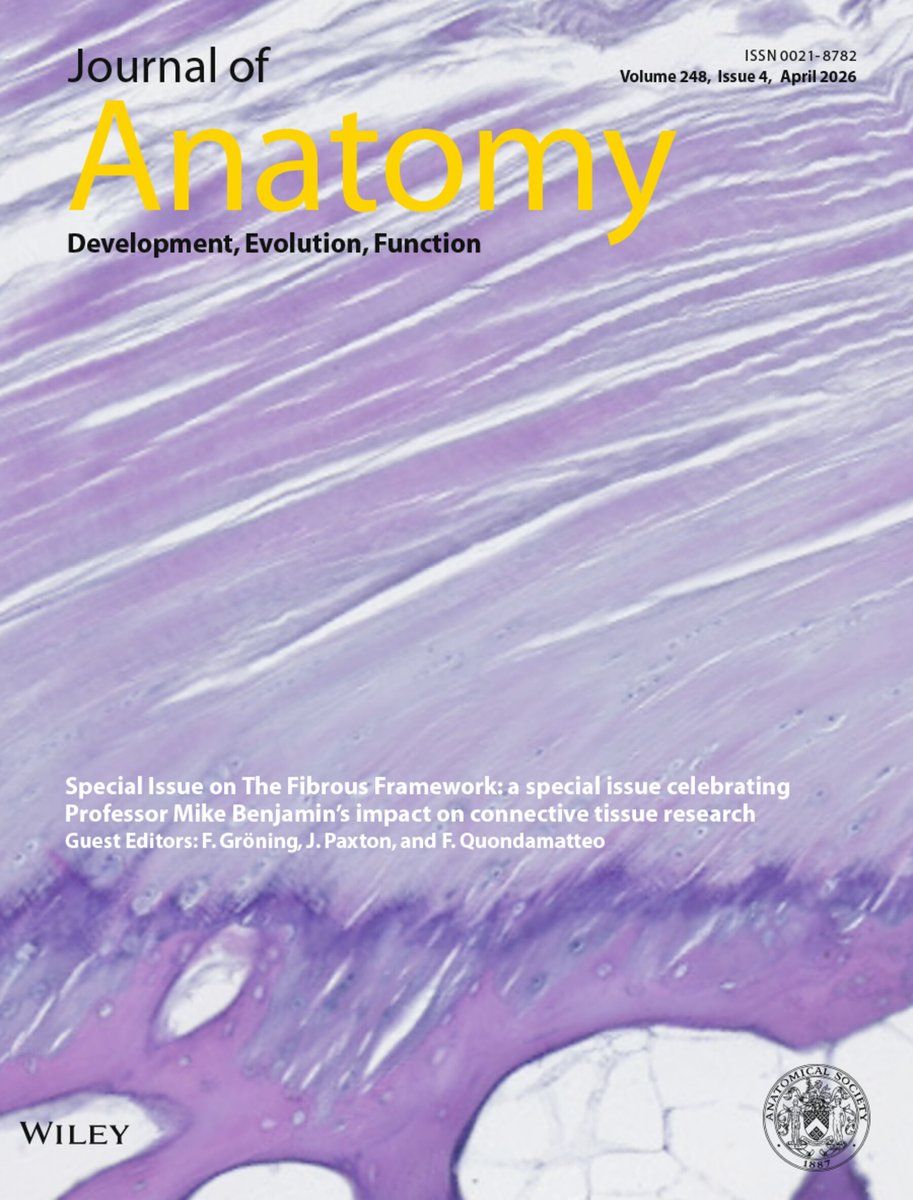
This month’s issue of Journal of Anatomy is a standout special edition dedicated to the fibrous framework. We are celebrating the pioneering work of Professor Mike Benjamin, whose research transformed our understanding of connective tissue biology, particularly at the enthesis.
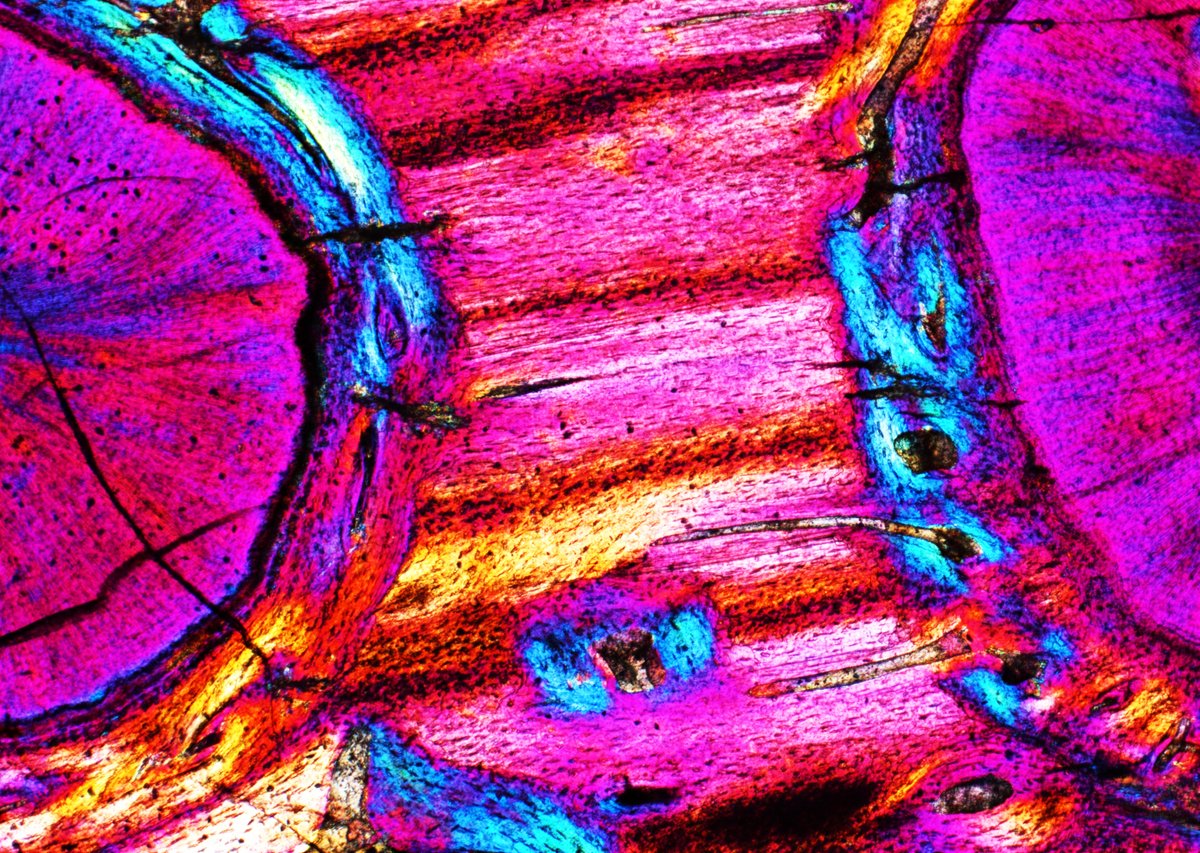
Bringing together brand-new studies, this issue shines a spotlight on connective tissues. These tissues emerge as dynamic, highly specialised systems. The papers reveal the intricate anatomy and molecular architecture of the extracellular matrix.
Rhynchosaur dentition preserves plesiomorphic amniote tissues, challenging the idea of a “bone of attachment,” suggesting heterochronic shifts in mineralization helped drive gomphosis evolution across multiple amniote clades, including mammals, dinosaurs, and crocodylians
Cranial sutures are overlooked aspects of the mammal skull. Comparing postnatal trajectories in suture shape retrieves plateauing adult complexity for midline sutures. Despite distinct developmental strategies, marsupial and placental suture disparity were found to overlap.
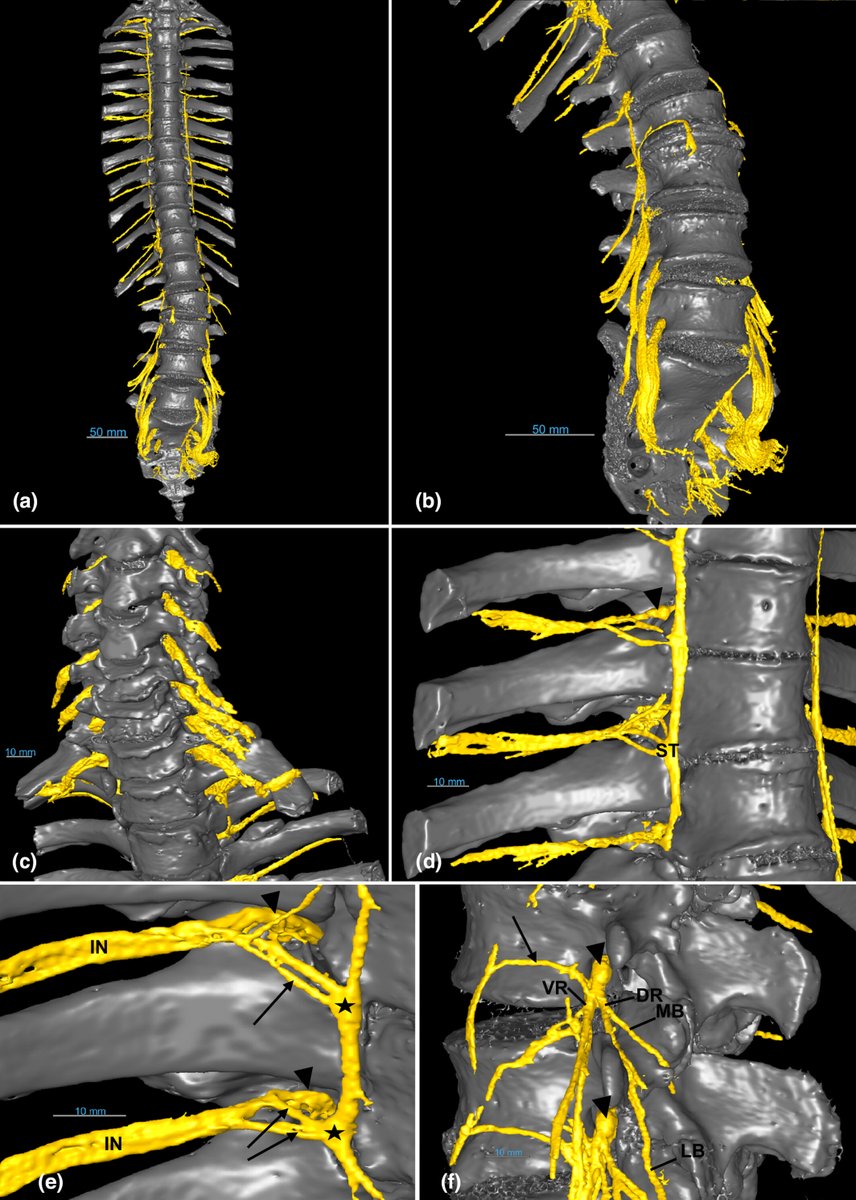
Now available! A new method paper utilises radiopaque contrast injected into peripheral nerves for subsequent CT scanning. The method produced excellent models of nerves leaving the specimens ready for further analysis https://t.co/pW4XI3IBwJ
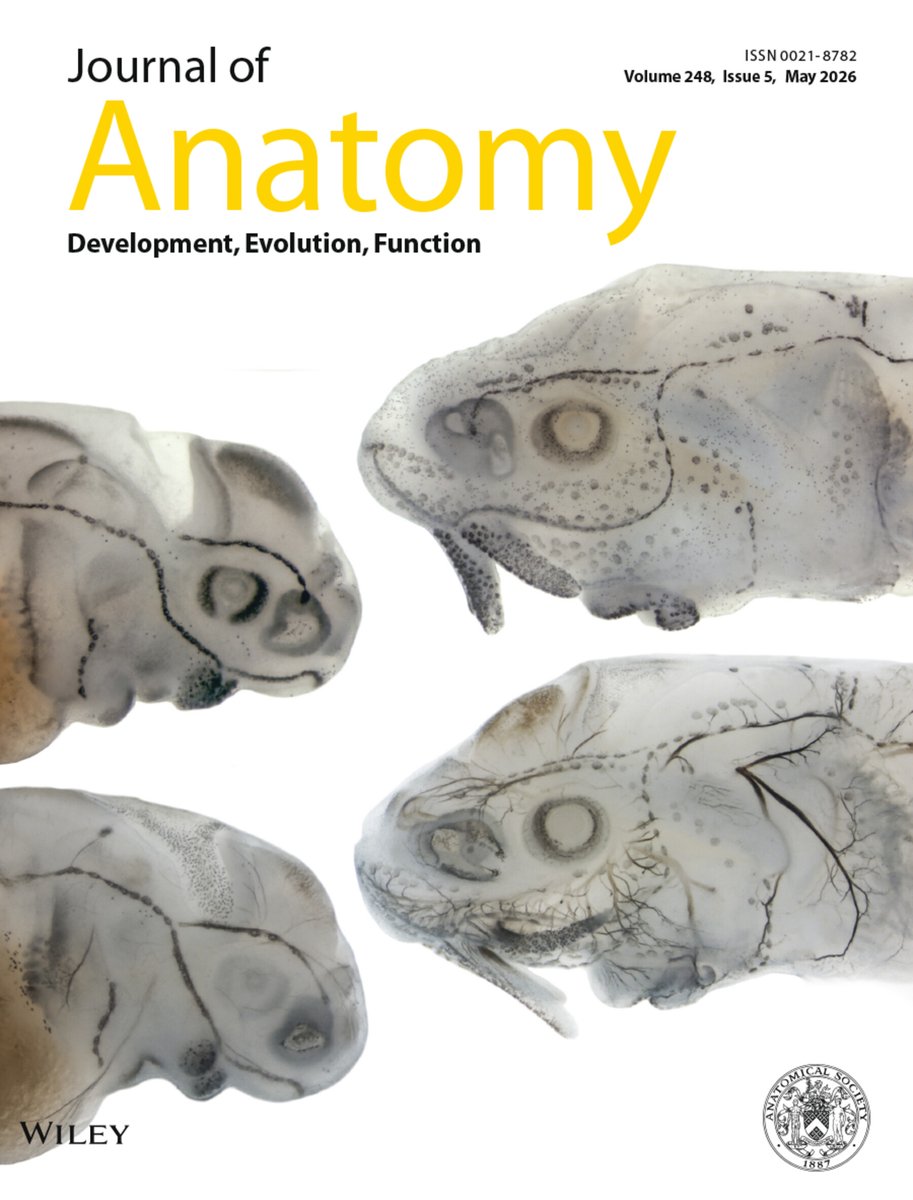
Our new issue! 🦇✨features a cover image from Carter's latest study.
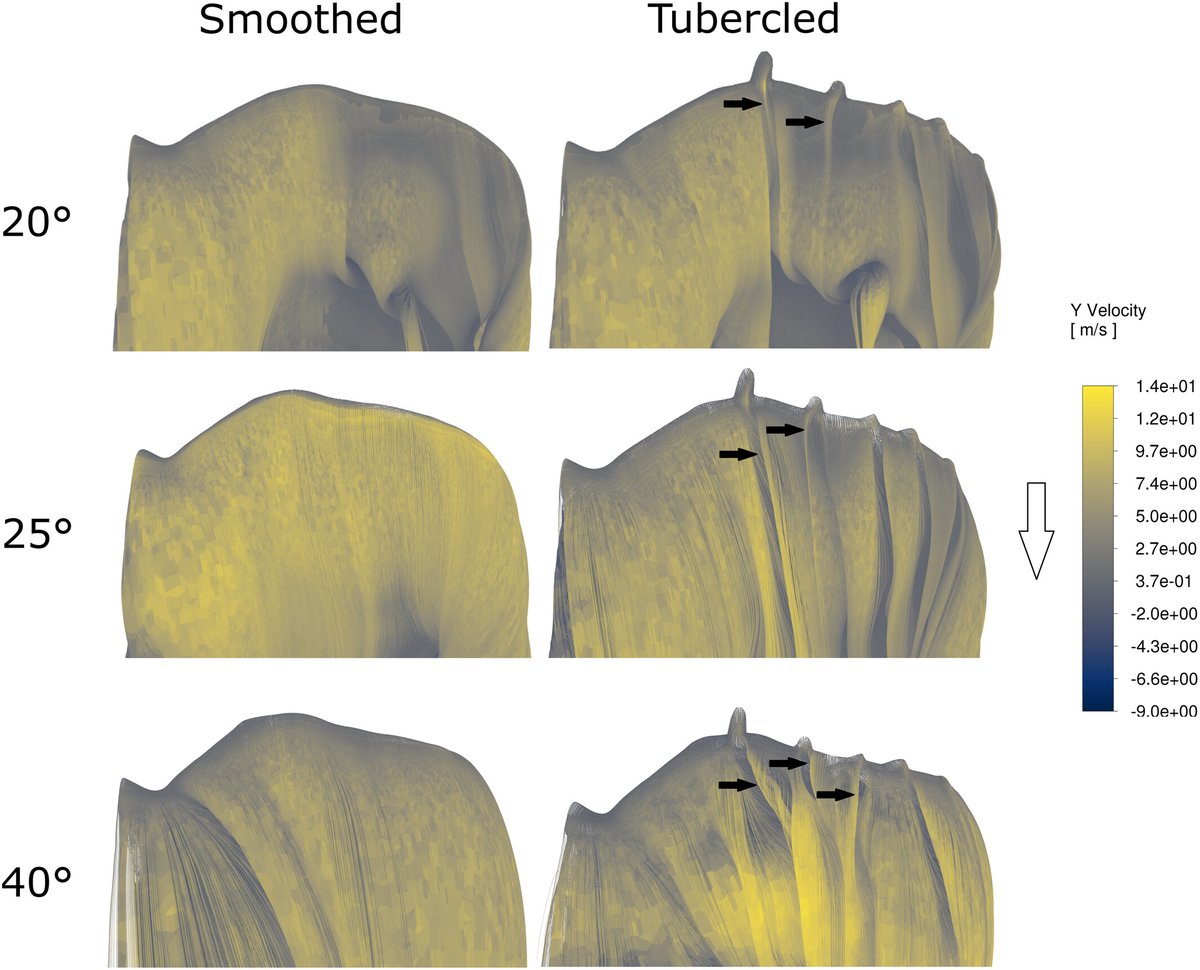
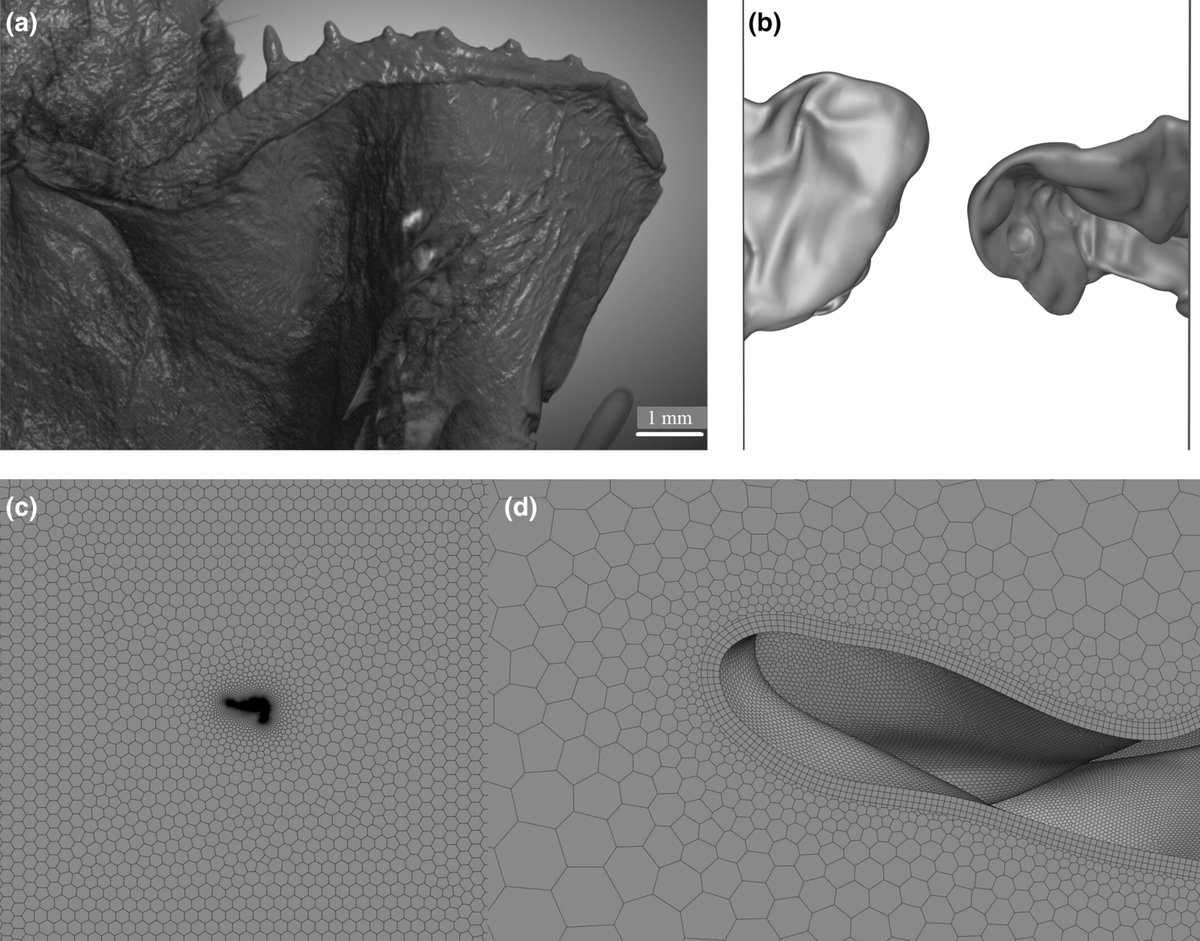
Leading-edge tubercles on the bat pinna reduce drag before stall and increase lift after stall by generating streamwise vortices. These natural surface features likely improve aerodynamic efficiency.
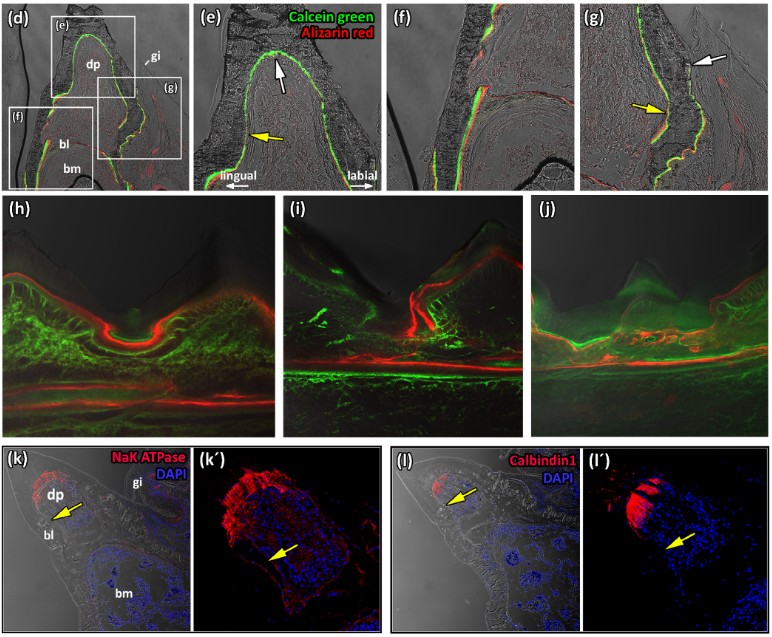
Šulcová et al studied the way teeth attach to jaws across vertebrates. In veiled chameleons, firmly ankylosed teeth formed via a transient cell type at the tooth–bone interface showing both osteoblast- and odontoblast-like features. They call these theorised cells ankyloblasts.