Vente a la Complu! Plaza de Prof. Ayudante Doctor en el área de Antropología Física en el Dep. de Biodiversidad, Ecología y Evolución. Perfil abierto😊. Convocada el 14 de enero (plazo 15 días hábiles). Más info: https://t.co/3GJuqhm2MP Por favor RT
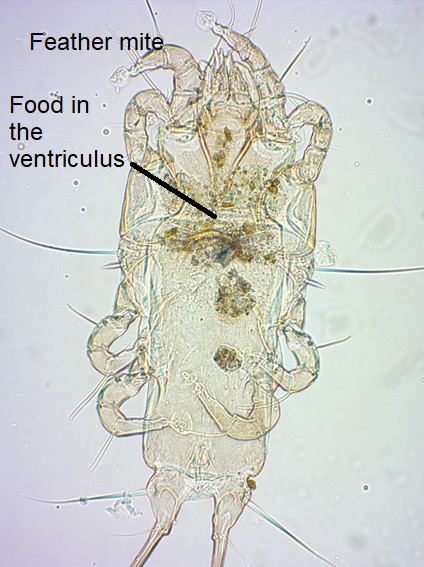
Los ácaros de los pájaros son principalmente nocturnos y no son tan parásitos como se pensaba, sino que pueden ser incluso beneficiosos porque se alimentan de hongos y bacterias, entre otras cosas, que dañan y degradan las plumas https://t.co/t9tymBZA8C
#EBDPub What feather mites and the mythological Scottish brownies have in common: they clean up their “houses” at night. 🧹 A new study reveals that feather mites clean bird feathers (and reproduce) during the night. @JovaniLab@Jorge_dona_@dziquilin
🔗 https://t.co/Z9KUDkYQxm
Santi Guallar has defended his PhD Thesis titled “Structure, Regulation, and Evolution of Passerine Molt”. Congratulations Santi! Pdf download here https://t.co/IA1F0fkgmM
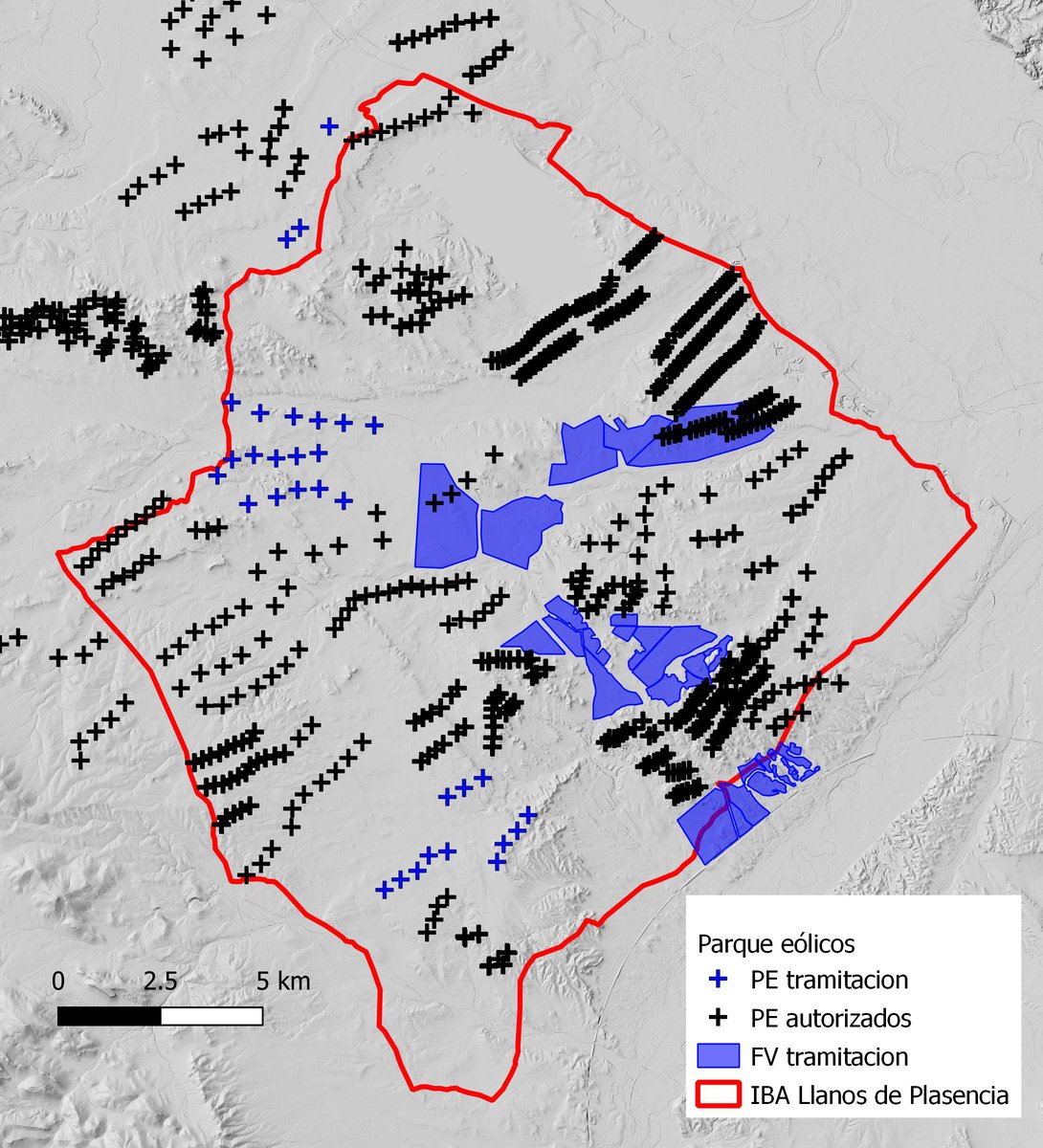
Esta es la situación de la IBA (Important Bird Area) ES429 Llanos de Plasencia en Aragón. En negro aerogeneradores en marcha o con DIA favorable, en azul aerogeneradores y fotovoltaicas en tramitación. Abro hilo⬇️
Overall, this study shows the relevance of addressing quantitatively the study of raw bird moult data at the individual and feather levels, i.e. at the final moult phenotype level (14/14)
We applied nestedness analyses to final moult phenotype variation to discover rules of bird moult. Data: 3909 individuals from 434 passerine species (279 Holarctic, 155 Neotropical). NEW PAPER (J. Avian Biol.) part of Santi Guallar PhD Thesis (1/14) https://t.co/LyaOD35pZe
Which properties make some feathers have a higher priority along the “wish list”? What we found is that more exposed feathers (the ones suffering more abrasion but which are also more visible to signal social information) were the ones more prone to be high the list (13/14)