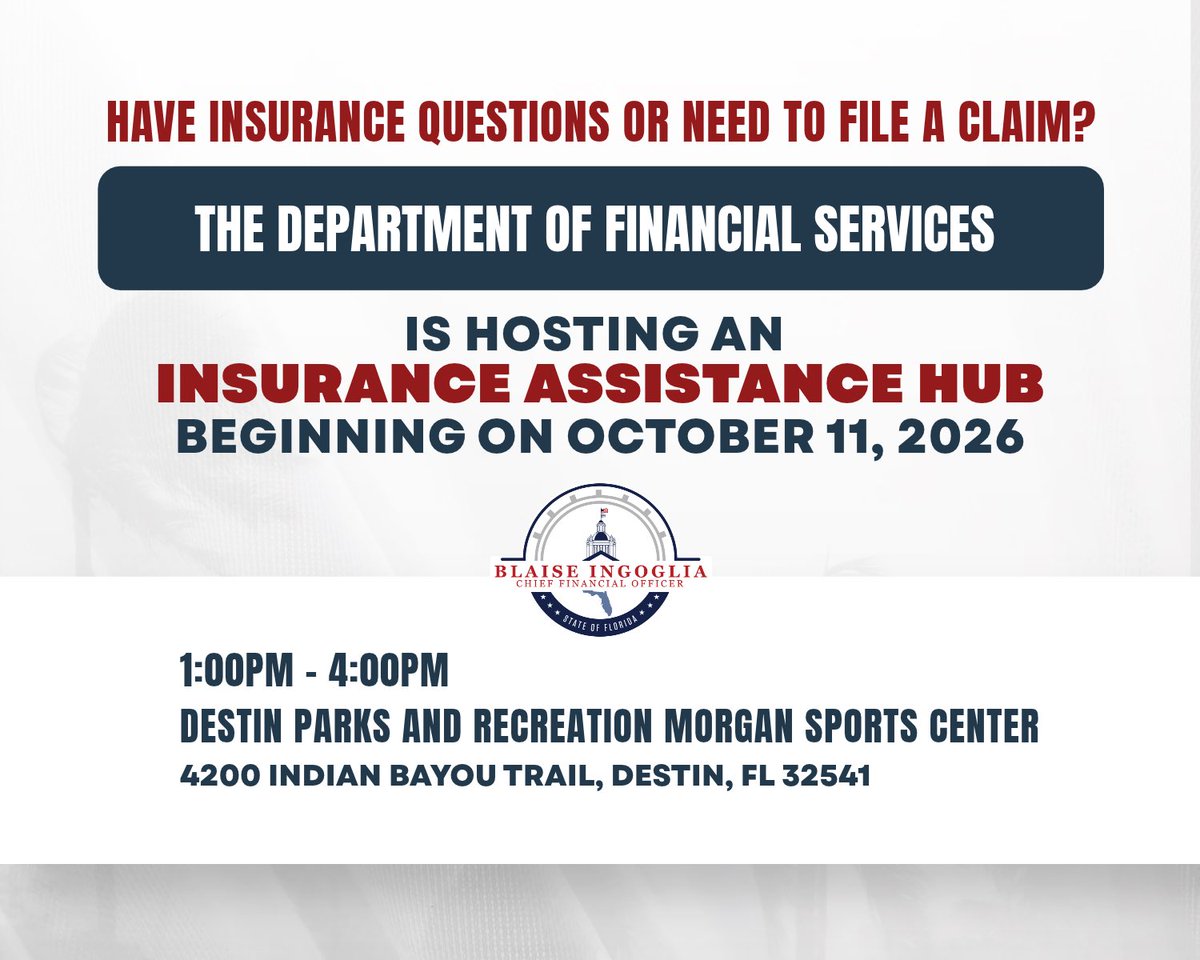
Today, The Department of Financial Services will open the first Insurance Assistance Hub in Destin from 1p.m. - 4p.m. CST.
Representatives from at least 6 major insurance carriers will be available alongside representatives from the Division of Consumer Services to answer insurance related questions!
The Hub will be open tomorrow, October 12, 2026, from 9a.m. - 4p.m. CST.
New data from @Commpharmacy shows independent pharmacies remain stable, with nearly 19,000 locations nationwide and improving profitability.
State and federal policymakers can build on that success by expanding pharmacists’ scope of practice and giving patients greater access to care.
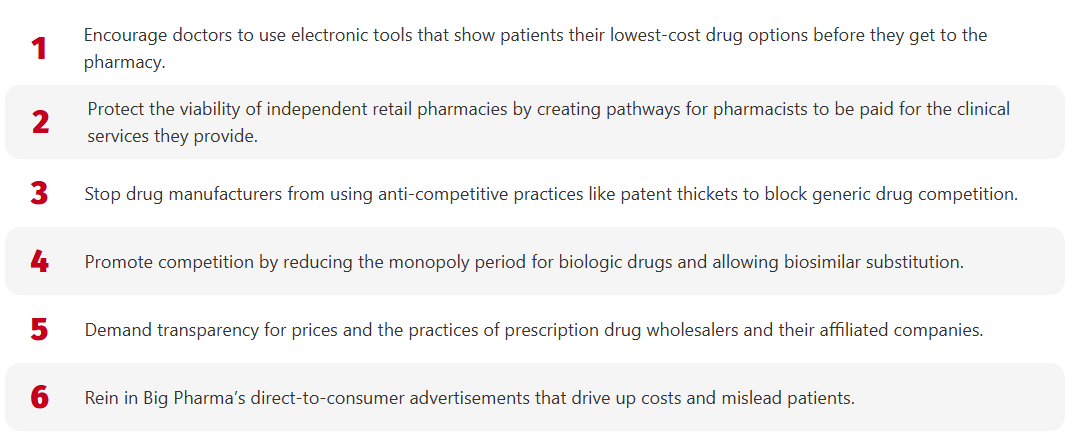
PCMA's Path to Patient Affordability provides a roadmap to modernize pharmacy care and strengthen an already healthy independent pharmacy market.
Read more: https://t.co/wXoSv9iL51
Big Pharma’s egregious pricing practices and anti-competitive tactics are the root cause of high Rx prices in the U.S. and a major driver of rising health care costs for millions of hardworking Americans.
Get the facts:
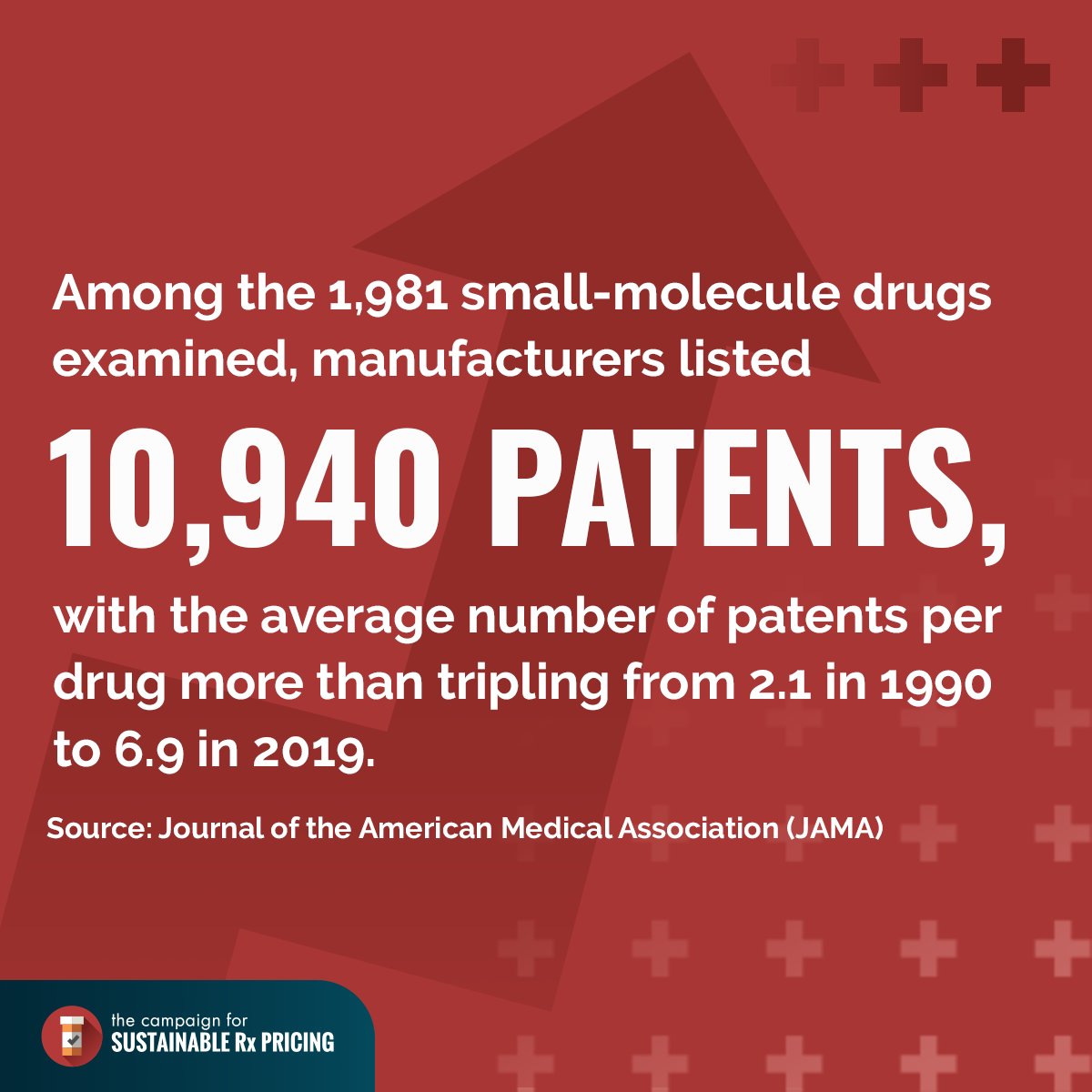
NEW: @JAMANetwork study finds that drug patent portfolios on small molecule drugs have more than tripled, building on mounting evidence that to effectively lower drug prices for patients, Congress must crack down on Big Pharma’s anti-competitive tactics.
Read the full analysis:
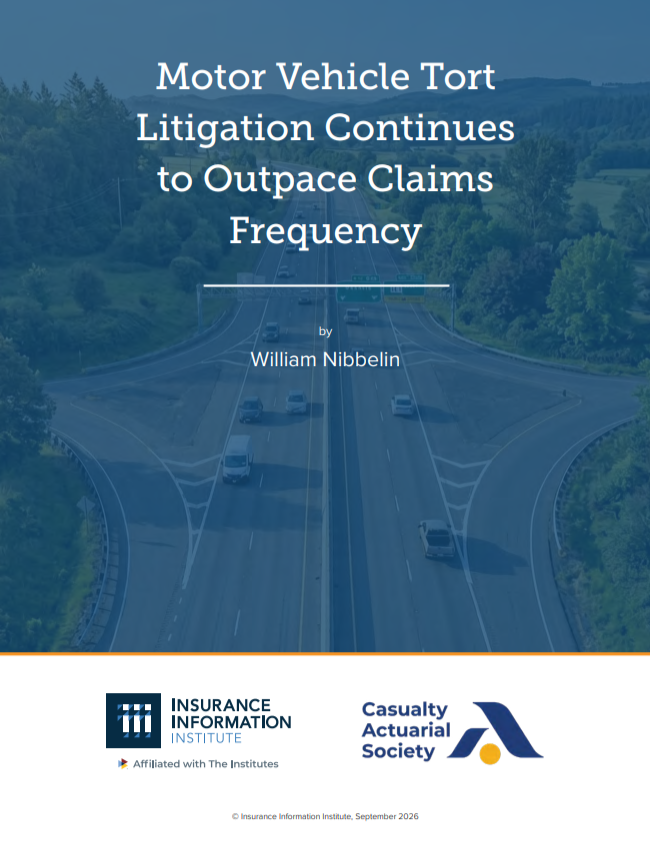
New research puts a price tag on a growing auto insurance challenge: motor vehicle tort litigation.
A new Triple-I and @CASact report estimates excess motor vehicle tort filings generated roughly $43.84 billion in excess value from 2015-2024.
Read here: https://t.co/2PCxKjTYnq
Healthcare spending could be reduced to the tune of $12.7 billion if medications administered in hospital outpatient departments were reimbursed at the same rates as those given at physician officers, a @EBRI analysis finds
https://t.co/CDkkJbPJ08
A new study from @JAMANetwork highlights how brand name drug companies have increasingly built expansive patent portfolios around their products, relying heavily on follow-on patents to extend exclusivity and keep prices HIGH.
Get a dose of reality:
New analysis from @AARP’s Public Policy Institute examines how brand name manufacturers deploy an array of tactics to extend monopoly pricing on blockbuster products and keep more affordable alternatives, like generics, from reaching patients.
Get the facts:
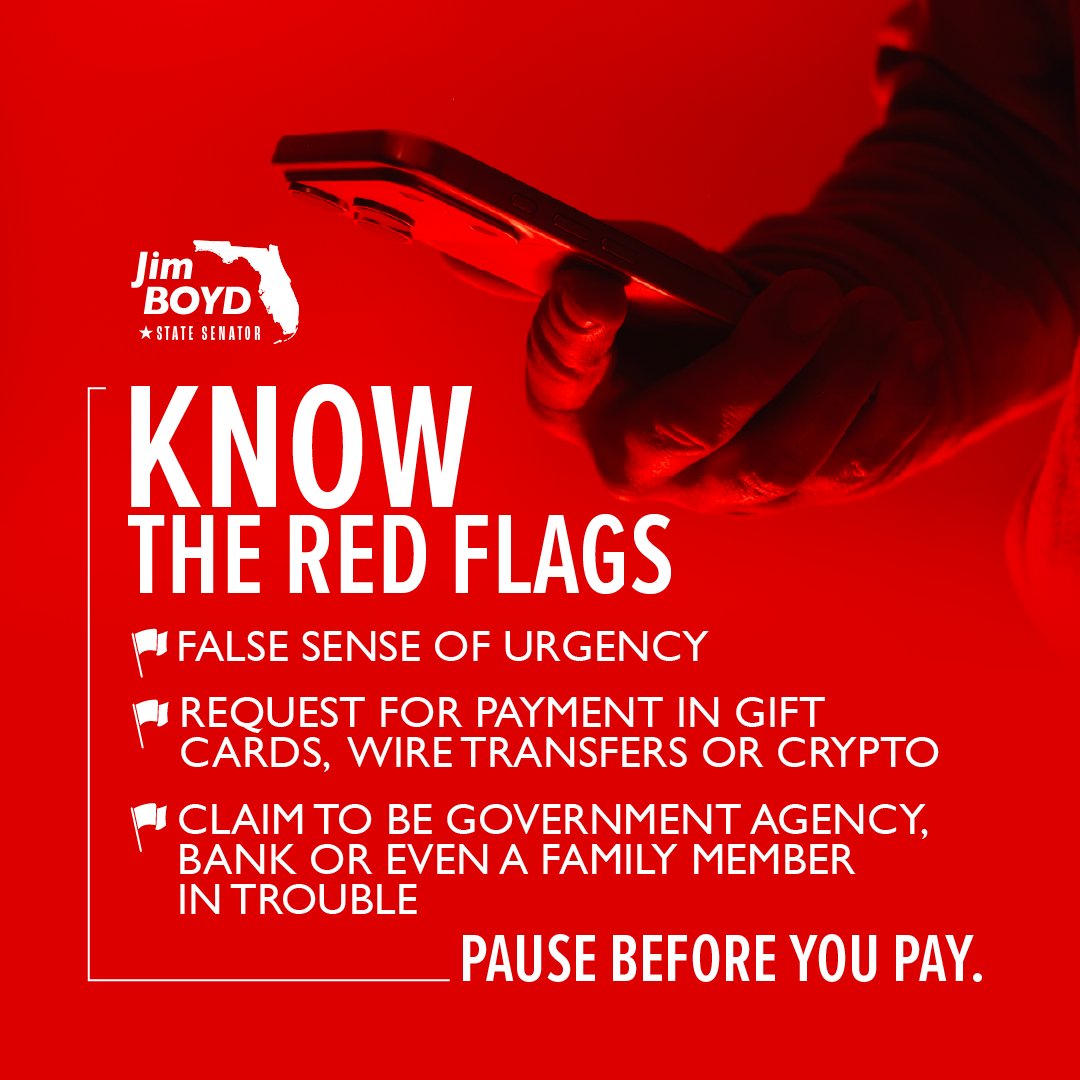
Know the red flags of fraud!
👀 Scammers often create a sense of urgency, ask for payment in gift cards, wire transfers or crypto, or claim to be a government agency, bank or even a family member in trouble. Never convert cash to non-traceable forms of payment.
If something feels off, trust your gut and don't act right away. Verify the source of the request.
If you suspect you may have been the victim of fraud, you can report the scam at >> https://t.co/GOkoIMePz0
Reporting from @Axios highlights concerns about slowdown in biosimilar development & the potential consequences for patients & the U.S. health care system. This underscores the urgency for bipartisan, market-based solutions that would support greater biosimilar competition. More:
Lower-cost biosimilars can be meaningfully cheaper than existing brand-name biologics – but only if they make it to the market.
According to @WSJ, 90% of biologic drugs facing patent expiration by the year 2034 have no lower-cost biosimilar alternatives in development – leaving nearly $200 billion in potential health care savings at risk over the next decade. Read more from @xavierjohnm in the @WSJ.
https://t.co/TzpRiPj2fh
Commissioner Yaworsky is approving significant rate decreases for homeowners, with more on the way!
One Alliance North America: -10.4 rate decrease, impacting 17,148 policies.
Safe Harbor: -4.1 rate decrease, impacting 10,501 policies.
Unique:-3.2 rate decrease, impacting 8,266 policies.
Vyrd:-10.4 rate decreases, impacting 26,751 policies.
Commissioner Mike Yaworsky said, “This is the latest wave of significant rate decreases for Floridians, which continues to grow higher. I expect to see more aggressive rate cuts in the near future and going into 2027. OIR is receiving a flood of rate decrease requests ranging from -0.3 to -19.7. This is great news for Floridians and OIR will expedite reviews of rate filings to ensure policyholders feel it in their pockets.”
https://t.co/Jv6ff13OW2
A new AHIP analysis shows the majority of Americans’ premium dollars go toward paying the high and sharply rising prices charged by hospital systems and drugmakers, which together account for nearly two-thirds of Americans’ healthcare dollar. https://t.co/aW5leKRlEE
Families want lower drug costs. Policymakers are looking for solutions.
As PCMA President & CEO David Marin notes, health care affordability is top of mind for lawmakers on both sides of the aisle. The next step is clear: tackle the real drivers of high drug prices, including patent abuse and the lack of transparency surrounding wholesalers.
PCMA's Path to Patient Affordability offers a roadmap to lower drug costs for patients and families.
Greater biosimilar competition effectively lowers Rx drug costs for patients, taxpayers and the U.S. health care system.
Recent reporting from @axios underscores the urgency for solutions that foster greater competition and encourage biosimilar development. More:
A new @Paragon_Inst report shows surprise billing arbitration is being used as “an alternative payment system” with higher payments, raising healthcare costs for everyone. Common-sense reforms are needed to restore the No Surprises Act’s original intent. https://t.co/VreDC4xcwN
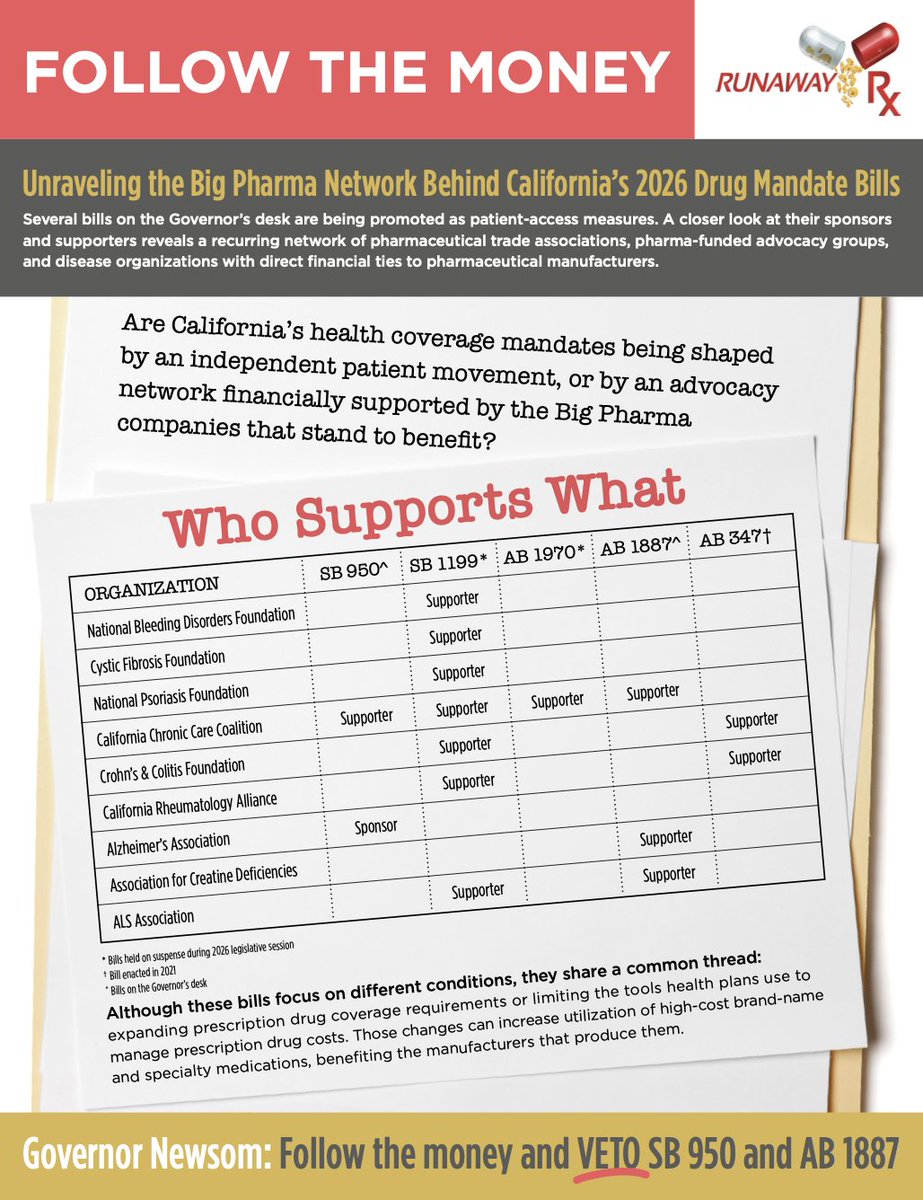
In our new fact sheet, we are taking a closer look at the sponsors and supporters behind California’s 2026 drug mandate bills. What we reveal is a recurring network of pharma funded advocacy groups and disease organizations with direct financial ties to pharmaceutical manufacturers.
Read our latest fact sheet to learn the truth behind these advocacy groups, and how these mandates would benefit Big Pharma. https://t.co/RmPT9Dv6Z5