💊¡Transforma el futuro de las Tecnologías de la Salud! Posición de #doctorado disponible en Population-based Risk Stratification and Prediction of Life-Threatening Ventricular Arrhythmias en @unizar, dentro del programa Iberus Interdoc. Toda la info en: https://t.co/fldY5gyF6N
The first time you start a research lab, there’s no manual.
So I made one.
A practical toolkit for postdocs and early-career faculty launching their first lab: hiring, startup planning, collaborations, and building a sustainable research program.
https://t.co/a30LLykjKq
🥼 Publicada la Resolución Provisional de la convocatoria 2025 para obtener el #certificadoR3 de investigador/a establecido/a. Reconoce la trayectoria, calidad e independencia de investigadores/as nacionales e internacionales.
https://t.co/UL834rLIbh
Si me sigue alguien que esté terminando universidad o recién graduado: en Stripe estamos (¡por primera vez!) contratando juniors en España
Es una oportunidad increíble para formar parte de un equipazo, así que si te interesa, ¡no dudes en aplicar!
Enlace en el siguiente tweet⬇️
🚀 Programa de Retorno del #Talento 2026
Nueva convocatoria con dos modalidades para el regreso de científicos españoles en el exterior 🌐
➙ SÉNIOR
➙ JÚNIOR
Presentación de candidaturas hasta el 30 de junio 📩
Consulta las bases y requisitos 🔎 https://t.co/RXLNSq5s5x
📣El programa Ramón y Cajal incorporará en la convocatoria 2026 novedades que supondrán un avance en el fortalecimiento de la carrera investigadora.
ℹ️ https://t.co/XNEfonnGxf
@torralba59: Un magnífico análisis del origen e impacto (científico y económico) del programa ICREA. 25 años de visión de futuro y buena gestión.
@IdiazAyuso y @ComunidadMadrid: miren las estadísticas 🤦♀️
https://t.co/Qxv0tjjPn4
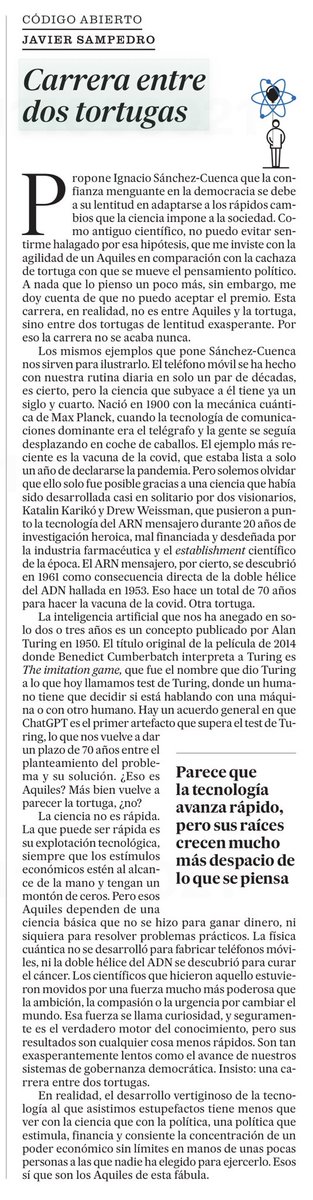
Qué magnífico artículo de Javier Sampedro @padreoms !! Gracias por decirlo tan bien y tan claro. La ciencia es intrínsecamente lenta y su motor la curiosidad
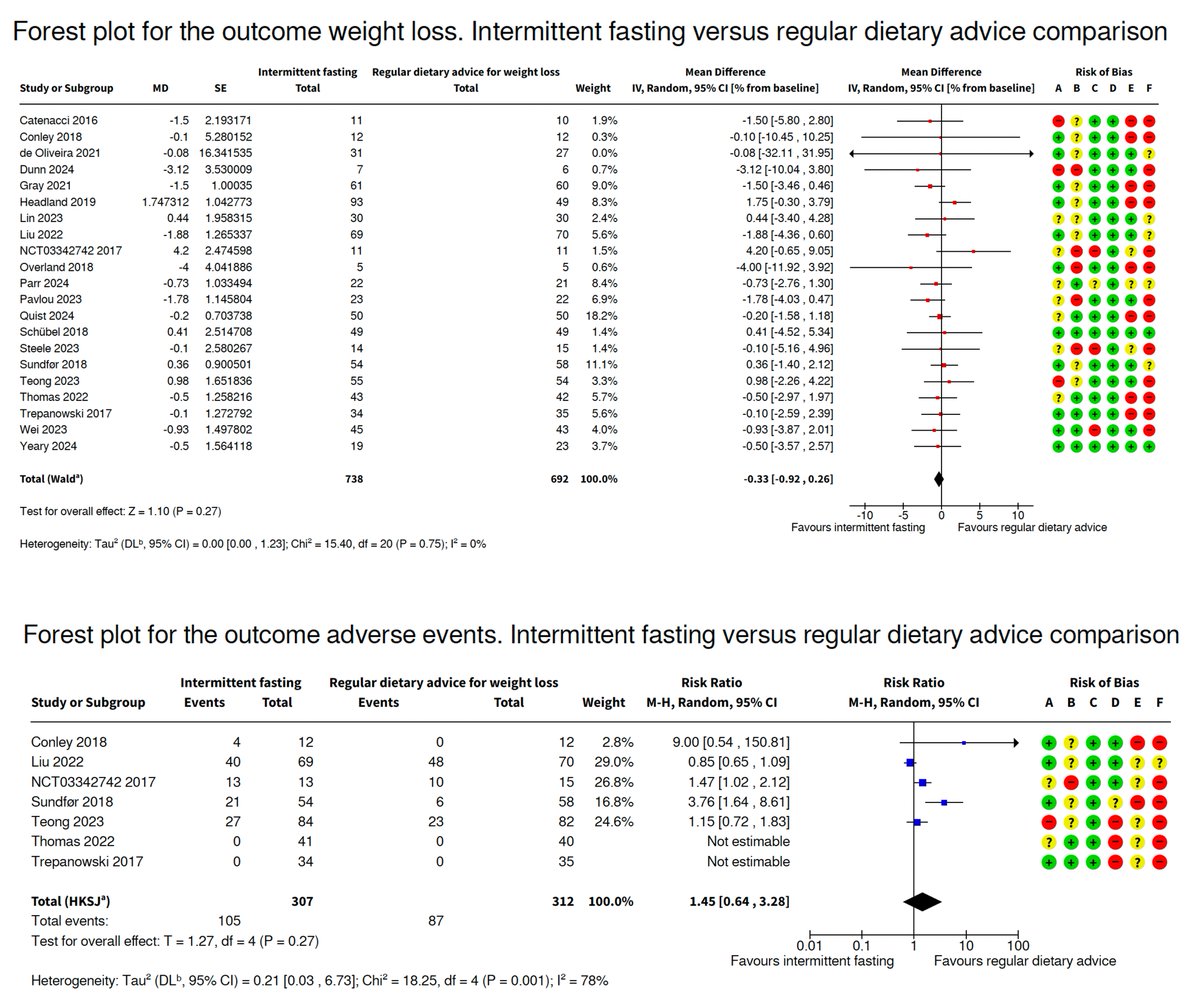
A new systematic analysis of intermittent fasting from 22 randomized trials shows no advantage for weight loss or other outcomes compared with regular diet advice @cochranecollab
https://t.co/3fcQAf7ep0
Meet ClinicalBERT: a specialized AI that understands medical language like a pro. This isn't your average language model. It's been trained on clinical notes and medical literature, making it uniquely equipped to handle healthcare terminology. Think of it as a medical translator for AI systems.
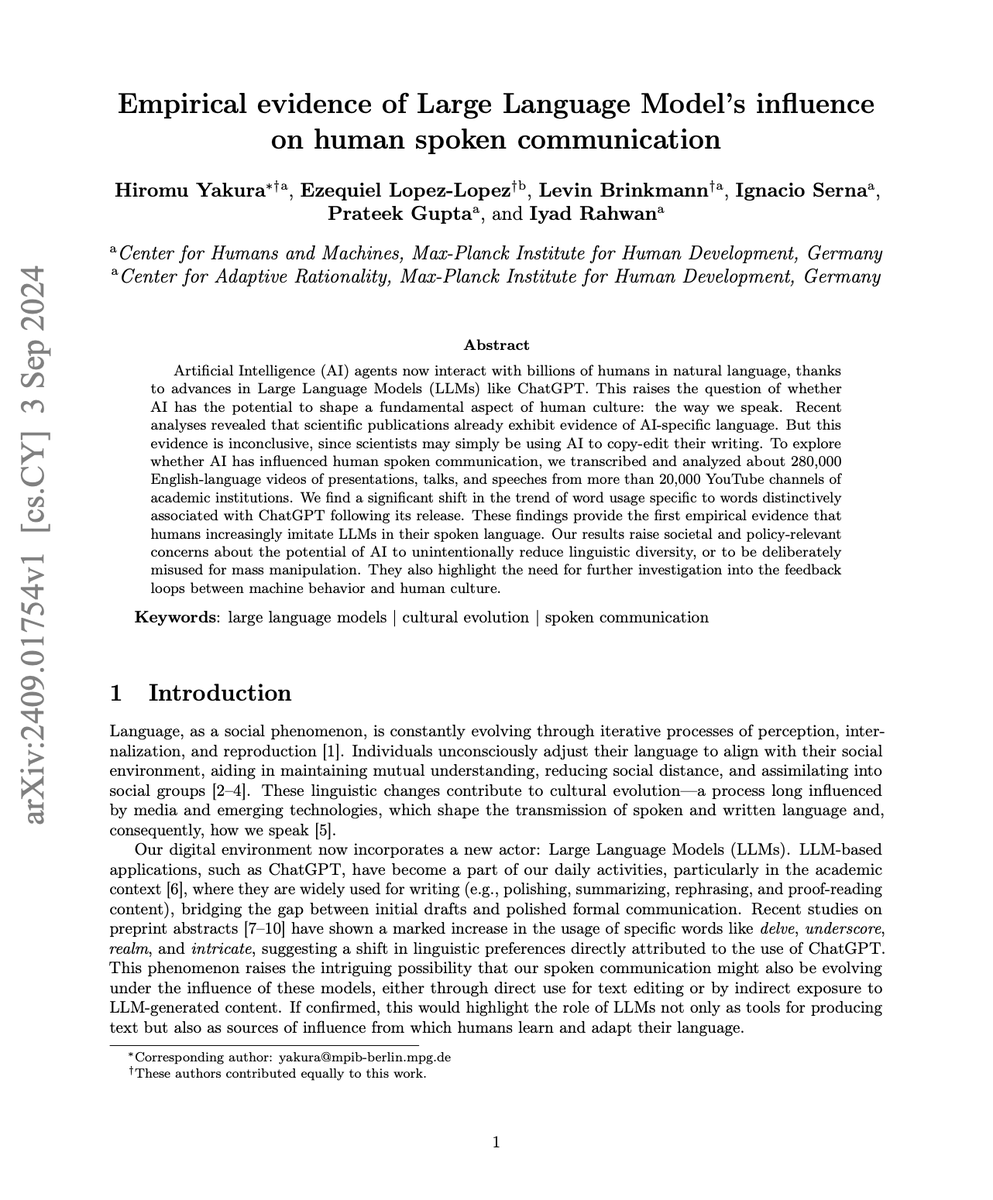
researchers at Max Planck analyzed 280,000 transcripts of academic talks and presentations from YouTube
they found that humans are increasingly using ChatGPT's favorite words in their spoken language. not in writing. in speech.
"delve" usage up 48%. "adept" up 51%. and 58% of these usages showed no signs of reading from a script.
we talk about model collapse when AI trains on AI output. this is model collapse, except the model is us.
Un grupo de investigadores ha creado esta web para hacer un registro de las plazas de Ayudante Doctor que salen en España. Era algo que estaba en la LOSU y que el Ministerio de ciencia nunca hizo. https://t.co/2dIZOxz6wL
The ESC is deeply saddened to learn of the passing of Jesús Saldaña García (1995–2026), a talented young cardiologist admired for his rigour, kindness, and commitment to patient care. His short career already carried the signature of a future leader in preventive cardiology. His death is a profound loss to our community.
We extend our deepest condolences to Jesús’ parents, his sister, his partner, and all his family https://t.co/5auuHo9vGQ
"La ciencia transforma mentes y realidades, animo a niñas y jóvenes a ser curiosas, críticas y desafiantes"
#11F
https://t.co/WtnfnnbbpI a través de @heraldoes
✅ The UK Government has today granted access to half a million UK Biobank participants' coded GP data for health research.
This change will dramatically increase the power of UK Biobank's dataset to advance the diagnosis, treatment and management of conditions handled by GPs.
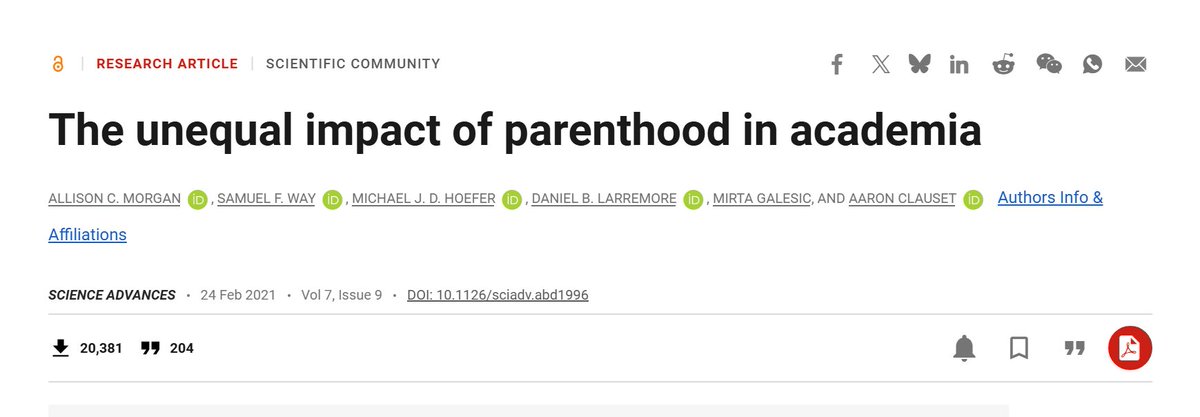
Tener el primer hijo reduce la productividad científica de las madres (no la de los padres) y la brecha aparece justo después del nacimiento. Esa pérdida se traduce entre 3 y 13 artículos menos para las mujeres frente a los hombres, según la disciplina. 10.1126/sciadv.abd1996