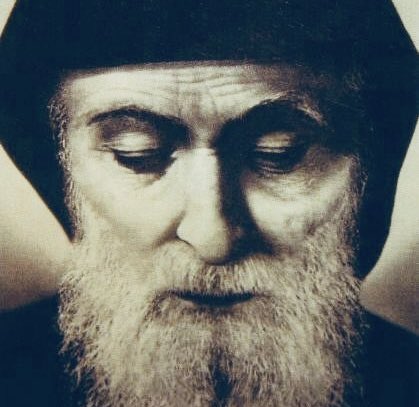
No es fácil hacer el bien pero vale la pena: de otra forma no se puede ser feliz. ¡Sólo el bien puede hacerte feliz! El mal puede darte placer pero no felicidad
All the saints were people of the same nature as us (Acts 14:15). They, just like us, had flesh and were weak. They, like us, were conceived and born in sin, felt the movement of fleshly passions and desires, and were often subjected to greater temptations and deception than we are. However, despite these temptations, they courageously resisted them, did not yield to the evil passions of their soul and body, protected themselves from sins and vices, thrived in virtue, and attained high moral perfection and salvation.
Archimandrite Kirill (Pavlov)
St. Don Bosco worked with struggling youth his entire life... and he left us a blueprint most Catholics have forgotten...
St. John Bosco (aka Don Bosco) had a deep concern for young people growing up in a world filled with temptation, impurity, and bad influences. He taught that purity is not something outdated or impossible. It is a virtue worth protecting because it helps keep the heart close to God.
And honestly? The world today often treats purity like a joke.
What used to shock people is now pushed as normal everywhere: on phones, in entertainment, in conversations, and even in the way many people talk about relationships. Don Bosco warned young people to be careful about the influences they allow into their lives because he understood how easily sin can take root in the heart.
A quote commonly attributed to him says: “Guard your eyes, for they are the windows through which sin enters the soul.” While the exact wording is difficult to verify, it reflects his real teaching about guarding the senses and being careful with what we choose to look at and entertain in our minds.
One careless habit can slowly shape what your heart accepts.
Don Bosco gave simple and practical advice that still matters today. Stay busy with good work, prayer, study, and serving others. Avoid people, places, and habits that pull you toward sin. When temptation comes, turn to prayer quickly instead of trying to fight it alone. He had a strong devotion to the Blessed Virgin Mary and encouraged young people to pray the Hail Mary often in times of struggle.
He also taught self-discipline and custody of the senses. That means learning to say no to things that damage the soul, even when the world says they are harmless. Purity is not weakness. It takes real strength to live differently in a culture that constantly pushes lust, impurity, and selfishness.
Most people today protect their phones better than their souls.
Don Bosco believed God’s grace could help anyone begin again, even after falling into sin. The Church does not teach that a person is hopeless because they struggle. God’s mercy is real, and holiness is still possible.
If you are struggling today, do not give up. Go to Confession. Pray honestly. Stay close to Jesus in the Eucharist. Ask Our Lady and St. John Bosco to pray for you. Holiness is still possible, even in a distracted and impure world.
💬 What do you think is the biggest thing making purity so hard to live out today?
Hoy, en el Oficio de lectura, se lee la famosa Carta a Diogneto.
Se trata, al parecer, de una carta que un cristiano le escribe a su amigo pagano.
No tiene desperdicio.
Y es breve:
Carta a un pagano llamado Diogneto
"Los cristianos no se distinguen de los demás hombres, ni por el lugar en que viven, ni por su lenguaje, ni por sus costumbres. Ellos, en efecto, no tienen ciudades propias, ni utilizan un hablar insólito, ni llevan un género de vida distinto. Su sistema doctrinal no ha sido inventado gracias al talento y especulación de hombres estudiosos, ni profesan, como otros, una enseñanza basada en autoridad de hombres.
Viven en ciudades griegas y bárbaras, según les cupo en suerte, siguen las costumbres de los habitantes del país, tanto en el vestir como en todo su estilo de vida y, sin embargo, dan muestras de un tenor de vida admirable y, a juicio de todos, increíble. Habitan en su propia patria, pero como forasteros; toman parte en todo como ciudadanos, pero lo soportan todo como extranjeros; toda tierra extraña es patria para ellos, pero están en toda patria como en tierra extraña. Igual que todos, se casan y engendran hijos, pero no se deshacen de los hijos que conciben. Tienen la mesa en común, pero no el lecho.
Viven en la carne, pero no según la carne. Viven en la tierra, pero su ciudadanía está en el cielo. Obedecen las leyes establecidas, y con su modo de vivir superan estas leyes. Aman a todos, y todos los persiguen. Se los condena sin conocerlos. Se les da muerte, y con ello reciben la vida. Son pobres, y enriquecen a muchos; carecen de todo, y abundan en todo. Sufren la deshonra, y ello les sirve de gloria; sufren detrimento en su fama, y ello atestigua su justicia. Son maldecidos, y bendicen; son tratados con ignominia, y ellos, a cambio, devuelven honor. Hacen el bien, y son castigados como malhechores; y, al ser castigados a muerte, se alegran como si se les diera la vida.
Los judíos los combaten como a extraños y los gentiles los persiguen, y, sin embargo, los mismos que los aborrecen no saben explicar el motivo de su enemistad.
Para decirlo en pocas palabras: los cristianos son en el mundo lo que el alma es en el cuerpo. El alma, en efecto, se halla esparcida por todos los miembros del cuerpo; así también los cristianos se encuentran dispersos por todas las ciudades del mundo. El alma habita en el cuerpo, pero no procede del cuerpo; los cristianos viven en el mundo, pero no son del mundo. El alma invisible está encerrada en la cárcel del cuerpo visible; los cristianos viven visiblemente en el mundo, pero su religión es invisible. La carne aborrece y combate al alma, sin haber recibido de ella agravio alguno, sólo porque le impide disfrutar de los placeres; también el mundo aborrece a los cristianos, sin haber recibido agravio de ellos, porque se oponen a sus placeres.
El alma ama al cuerpo y a sus miembros, a pesar de que éste la aborrece; también los cristianos aman a los que los odian. El alma está encerrada en el cuerpo, pero es ella la que mantiene unido el cuerpo; también los cristianos se hallan retenidos en el mundo como en una cárcel, pero ellos son los que mantienen la trabazón del mundo. El alma inmortal habita en una tienda mortal; también los cristianos viven como peregrinos en moradas corruptibles mientras esperan la incorrupción celestial. El alma se perfecciona con la mortificación en el comer y beber; también los cristianos, constantemente mortificados, se multiplican más y más. Tan importante es el puesto que Dios les ha asignado, del que no les es lícito desertar".
Three years ago today — April 15, 2023 — I walked into the Basilica of Saint Clare in Assisi as a woman deep in sin, public degradation, and spiritual darkness. I walked out marked by grace.
In that holy place, I experienced Saint Clare in a way I cannot deny. She physically appeared to me and spoke to me. I know how that sounds to many people. I know some will dismiss it, mock it, or explain it away. But I also know what happened, and I know the grace that followed. The wreckage of my old life began to die that day. In a single moment, years of darkness, confusion, sin, and false identity were pierced
I had sold lies and lived them. I called slavery “freedom.” I called lust “empowerment.” I called attention “love.” I called rebellion “strength.” It was all poison.
The world cheered while my soul starved.
But Jesus Christ did not leave me there. Through the intercession of Saint Clare, He came for me. Not when I was clean. Not when I was holy. While I was still a mess. While I was still guilty. While I was still chained.
That is how mercy works.
Since then: repentance, humiliation, confession, tears, healing, war against sin, and joy deeper than any counterfeit pleasure I ever touched.
Let me be blunt: porn is demonic. Vanity is empty. Sexual “liberation” is often just bondage with better branding. Fame cannot love you back. Sin always overpromises and underdelivers.
Christ is better. Purity is real freedom. The Catholic Church tells the truth. The sacraments heal. The saints fight for us.
If you are trapped in lust, OnlyFans, porn, adultery, addiction, self-hatred, or secret shame — you are not beyond rescue. Run to confession. Run to Our Lady. Run to Jesus Christ.
I am living proof that God still pulls people out of pits the world says are permanent.
Saint Clare of Assisi shattered my excuses three years ago today.
Jesus Christ is King.
Saint Clare, pray for us.
How to raise a girl to be a good wife
(a practical guide for mothers)
Begin with her heart
Don’t aim first at polish. Aim first at character.
Teach her early:
“You tell the truth, even when you feel ashamed.”
“You treat people as persons, not as obstacles.”
“You repair quickly when you do wrong.”
“You do your duty before you do your preferences.”
A good wife does not become good because she stays sweet. She becomes good because she grows steady.
Train respect without weakness
Some women confuse respect with silence. Some confuse strength with contempt. Both mistakes damage a home.
Teach your girl to honour men—especially her father and brothers—without letting anyone mistreat her. Teach her to speak without eye-rolling, mocking, or sarcasm.
Contempt feels clever, but it kills love.
At the same time, teach her to hold boundaries with calm clarity:
“No.”
“That’s not kind.”
“You may not speak to me that way.”
“Let’s talk when we’re calm.”
She needs both gentleness and backbone.
Give her the skill of talking well
Many marriages suffer because no one knows how to speak plainly without attacking.
Teach her a simple pattern:
Feel – Need – Request
“I feel ___ when ___. I need ___. Would you ___?”
Teach her to ask directly instead of hinting, testing, or punishing with silence. A good wife becomes a safe place because she speaks the truth in love.
Then teach her how to listen:
“Tell me more.”
“So you mean…”
“That makes sense.”
A husband thrives when his wife becomes his ally, not his critic.
Make quick repair a house rule
Don’t let bitterness sit and harden.
Teach her to apologise with precision, not drama:
“I did ___. It was wrong because ___. Next time I will ___. Will you forgive me?”
And teach her to forgive in a sane way: forgiving does not mean pretending nothing happened. Forgiving means she stops collecting revenge and chooses peace, while still requiring real change when needed.
If she can repair, she can keep a marriage alive.
Teach emotional steadiness, especially with anger
Anger will visit every home. A good woman learns to govern it before it governs her.
Train this habit:
Pause → Name your emotion → Choose the next right act
- lower the voice
- step away for ten minutes
- pray one short prayer
- return and speak with respect
Teach her that tears can be honest, but tears must not become a weapon. Teach her that volume is not strength. Teach her that calm firmness is strength.
Form her view of intimacy with purity and courage
A wife must not treat intimacy as a bargaining chip. She must not treat it as an obligation she resents either.
Teach her this simple truth: marital love is a mutual gift, not a tool for control.
Also teach her chastity long before marriage:
- She does not dress, speak, or behave to fish for attention.
- She does not tolerate secret relationships, porn habits, or manipulation.
- She does not use sexuality to keep a man from leaving.
Train her to value herself as a daughter of God. That dignity becomes the foundation of her future tenderness.
Make her competent in the work of a home
A good wife doesn’t need to become a stereotype. She does need competence.
Before she leaves home, teach her to:
- cook several simple meals
- clean thoroughly
- do laundry properly
- plan groceries for a week
- host guests simply without panic
- care for younger children with patience
Competence lowers stress. Stress fuels fights. Order creates peace.
Teach money maturity and honesty
Many couples fight about money when they really fight about trust.
Give her practice while she lives under your roof:
- a simple budget
- a saving goal
- a generosity habit
- honest tracking
Teach her: “You don’t hide spending. You don’t play games. You don’t let fear drive you into control.”
Teach her how to choose a husband
A good wife begins with wise discernment.
Teach her to look for:
- faithfulness
- kindness under stress
- steady work ethic
- self-control
- truthfulness
- a man who repairs quickly
- a man who honours women
Teach her to avoid:
- secrecy
- manipulation
- contempt
- uncontrolled anger
- chronic passivity
- sexual pressure
Tell her plainly: attraction can start a story, but character sustains a marriage.
Raise her with a simple rule of life with God
A woman needs a higher anchor than her feelings.
Teach her:
- a morning offering
- a nightly examen
- Sunday Mass
- a rhythm of confession and real amendment
When she kneels before God, she stands straighter in her vocation—whether as wife, mother, or single woman.
Watch for the four poisons and uproot them early
These grow quietly if you excuse them:
1. Contempt (mockery, sarcasm, scorn)
2. Control (manipulation, pressure, testing love)
3. Indulgence (phone addiction, comfort as master)
4. Fear (anxiety that demands constant reassurance)
Train the opposite virtues: honour, trust, discipline, courage.
Remember what she learns most
Your girl will become what she watches you do.
Let her see you:
- apologise without excuses
- speak respectfully about your husband
- work faithfully without martyrdom
- handle stress without cruelty
- pray when life feels dull
- serve without keeping score
That example will preach louder than your advice.
Raise her to become a woman who brings peace, clarity, and warmth into a home.
Hoy la Palabra no edulcora nada. Nos pone delante la injusticia, la hipocresía, la acusación interesada y la facilidad con que una multitud puede aplastar a un inocente. Y, en medio de todo eso, aparece Dios. No tarde. No ausente. No indiferente. Presente.
1️⃣ Susana es una mujer inocente, temerosa del Señor, y aun así es calumniada. Esto conviene recordarlo: la inocencia no siempre evita el sufrimiento. A veces, precisamente por querer permanecer fiel a Dios, uno termina pagando un precio. Pero más vale caer en manos de hombres perversos que pecar delante del Señor.
2️⃣ Los dos ancianos de Daniel no son pecadores cualquiera. Son jueces. Hombres con autoridad. Gente respetada. Ahí está parte del drama: no toda apariencia de honor es verdad. Se puede tener prestigio y haber pervertido el corazón. La vejez, sin conversión, no santifica por sí sola.
3️⃣ Susana grita a Dios cuando humanamente ya no tiene salida. Y el Señor escucha su voz. Esta escena es de una fuerza inmensa: cuando todo parece decidido, cuando el juicio del mundo ya está pronunciado, Dios todavía puede abrir camino. Nunca llegamos tarde a la oración. Nunca.
4️⃣ El salmo pone palabras a esa confianza: “Aunque camine por cañadas oscuras, nada temo, porque tú vas conmigo”. No dice que no haya cañadas oscuras. Las hay. Y bien oscuras a veces. Lo decisivo es esto: no las cruzamos solos. El Señor no siempre nos evita el valle, pero sí lo atraviesa con nosotros.
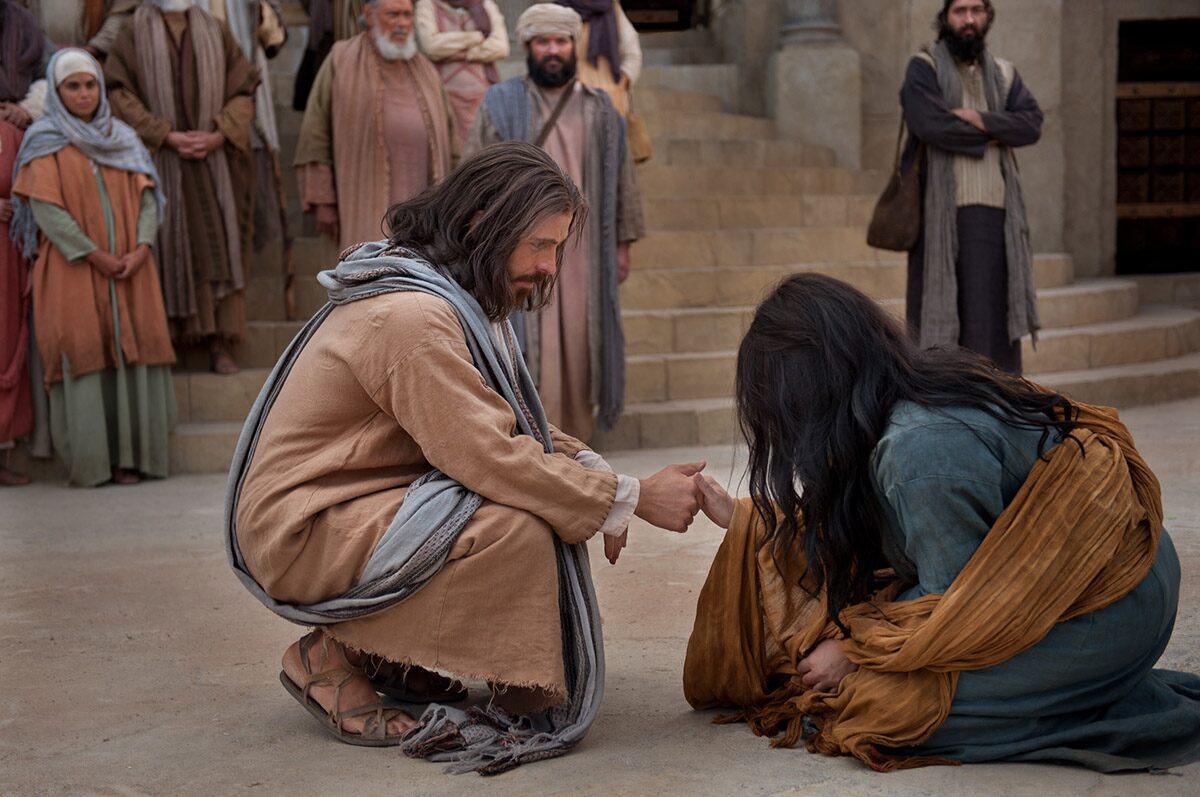
5️⃣ En el Evangelio, otra mujer aparece expuesta en medio de todos. Otra vez una mujer utilizada. Otra vez unos acusadores que se presentan como defensores de la ley, cuando en realidad están usando la ley para destruir. El pecado de aquella mujer era real. Pero la malicia de quienes la arrastran también lo era.
6️⃣ Jesús no niega el pecado. Eso es importante. No banaliza el mal ni llama bien a lo que está mal. Pero tampoco permite que unos pecadores se disfracen de jueces absolutos. “El que esté sin pecado, que le tire la primera piedra”. Qué fácilmente queremos corregir al otro sin pasar antes por el tribunal de la propia conciencia.
7️⃣ Uno a uno se marchan, empezando por los más viejos. Quizá porque tenían más pecados. O quizá porque tenían más experiencia en esconderlos. En cualquier caso, la escena desenmascara una verdad permanente: delante de Cristo se derrumba toda superioridad fingida. Ante Él no caben teatrillos morales.
8️⃣ Luego llega una de las frases más hermosas del Evangelio: “Tampoco yo te condeno. Anda, y en adelante no peques más”. Jesús une dos cosas que hoy muchos separan: misericordia y verdad. No condena a la mujer, pero tampoco la deja instalada en su pecado. La misericordia de Cristo no humilla, pero sí transforma.
9️⃣ La Cuaresma nos pide hoy tres cosas muy concretas. Primero, no participar en juicios injustos, chismes o condenas apresuradas. Segundo, acudir al Señor con confianza cuando nos sintamos heridos, expuestos o incomprendidos. Y tercero, dejarnos mirar por Cristo con verdad, para convertirnos de verdad y no solo quedar bien.
🔟 Hay días en que uno puede verse en Susana. Otros, tristemente, en los ancianos. Otros, en la mujer adúltera. Y casi siempre un poco en la multitud. Por eso necesitamos mirar a Jesús. Solo Él sabe defender al inocente, desenmascarar la hipocresía y levantar al pecador sin llamarle santo antes de tiempo.
1️⃣1️⃣ En esta recta final de la Cuaresma, pidamos un corazón limpio. Un corazón que no disfrute señalando. Un corazón que no manipule la verdad. Un corazón que se deje juzgar por Dios y salvar por su misericordia. Porque el Corazón de Cristo no vino a aplastar la caña cascada, sino a sanar, levantar y conducir a la vida.
#EvangelioDeHoy #Cuaresma #PalabraDeDios #Jesucristo #Misericordia #Conversión #Daniel #Susana #Juan8
"Marta dijo a Jesús
Mi hermano ya se murió
Y Jesús le contestó
Yo Soy la resurrección
Marta
Quita la piedra
Marta
Quita la piedra
Marta
Quita la piedra
Marta
Yo Soy la resurrección"
"Tu sexualidad no es un error, es un lenguaje sagrado que Cristo quiere redimir" - San Juan Pablo II
Dios quiere que te conviertas en don, no que seas un ladrón