We appreciate feedback from the public especially court users. Reach us any time on our toll free line 0800111900/0800225587 to give us feedback about our services or staff. Help us to serve you better.
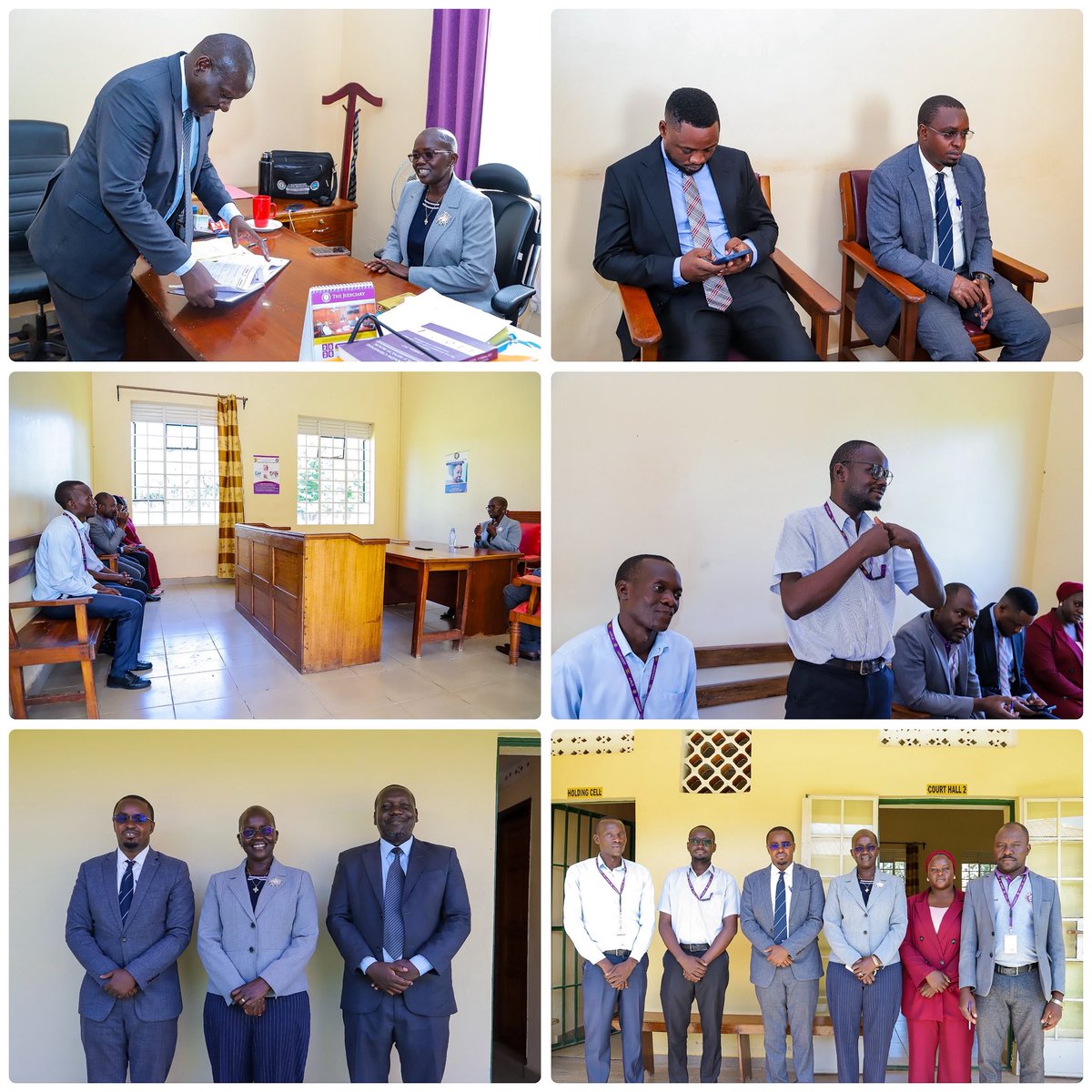
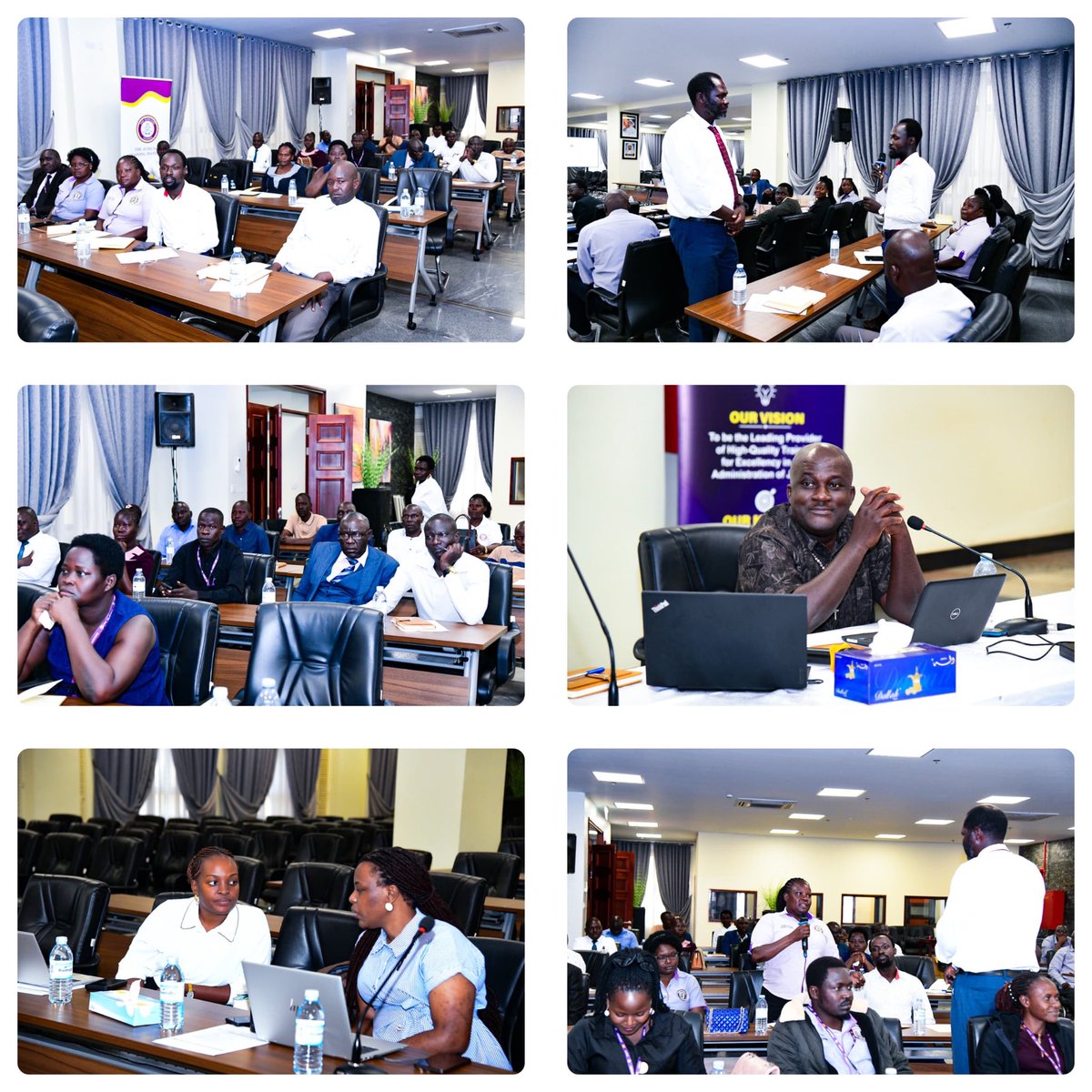
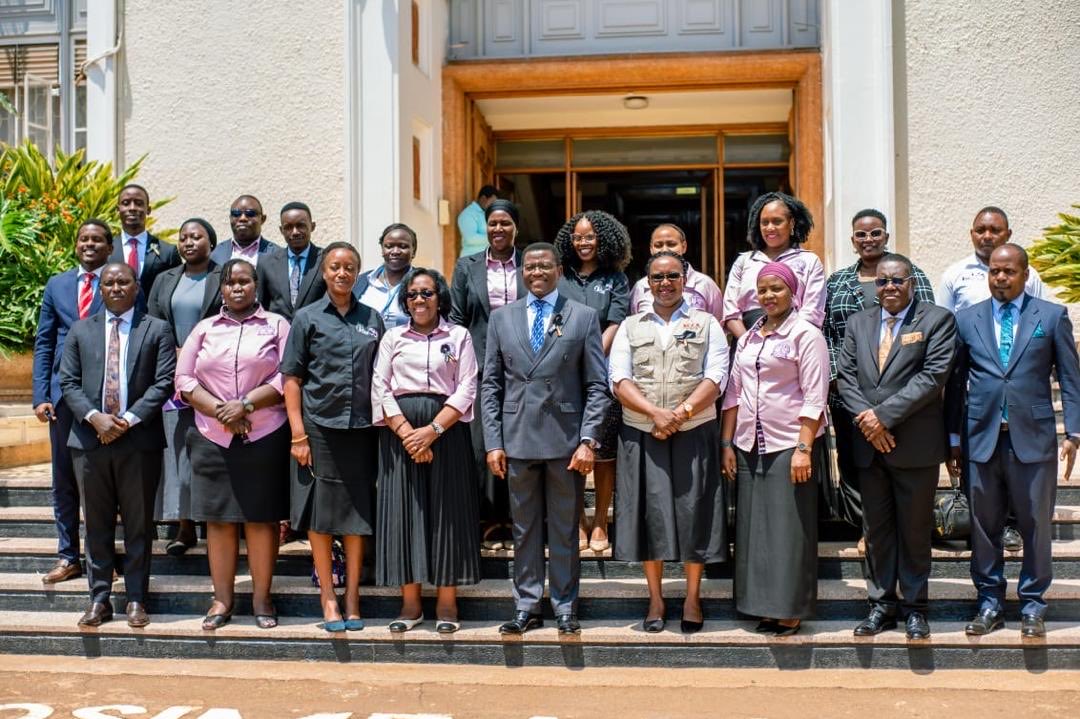
The Judiciary Public Relations Officer, HW James Ereemye Jumire Mawanda, has undertaken public relations support supervision visits to courts to assess customer care services and promote responsive service delivery.
During visits to Sironko, Kumi, Bukedea, and Pallisa courts, HW Ereemye engaged court users, Judicial Officers and staff on the Judiciary’s core values and the need to put the Judiciary Client Charter and Service Delivery Standards into practice in their daily interactions with the public.
He began at Sironko Chief Magistrate’s Court, where he engaged the public on the role of courts and their responsibilities as court users.
At Bukedea Magistrate’s Court, he sensitised court users, and while at Kumi Chief Magistrate’s Court, he met staff and assessed the platforms established to improve court users’ experience.
On the sidelines of his visit at Pallisa Chief Magistrate’s Court, HW Ereemye met Hon. Justice Lawrence Tweyanze, who is presiding over a High Court criminal session at the Court. Justice Tweyanze underscored the readiness for Pallisa to have a substantive or circuiting Judge from his experience at the session.
The PRO commended the courts for their efforts to sensitise the public about their rights and emphasised the importance of courteous, accessible and responsive service delivery in strengthening public confidence in the Judiciary
The Principal Judge, Lady Justice Jane Frances Abodo, has conducted ad hoc inspections at Katakwi and Amuria Chief Magistrates’ Courts under the Soroti High Court Circuit to assess case management, working conditions and staff welfare.
During the visits, she interacted with Judicial Officers and staff, inspected court facilities and received briefings on challenges affecting service delivery.
Lady Justice Abodo commended the teams for their dedication, particularly in remote stations where communities face significant barriers to accessing justice. She urged them to demonstrate compassion and provide appropriate assistance to both complainants and accused persons, emphasising that delivering justice is a collective responsibility.
She encouraged Judicial Officers to review their case registers and identify matters suitable for mediation, reconciliation and Alternative Justice Systems (AJS) to promote timely dispute resolution.
The Principal Judge also encouraged the responsible use of technology, including Artificial Intelligence, to improve efficiency, while stressing that human judgment, critical thinking and oversight must remain central to judicial decision-making. She advised officers and staff to use working hours effectively and maintain a healthy work-life balance.
*Katakwi Chief Magistrate’s Court*
At Katakwi, the Principal Judge was received by Chief Magistrate HW Daniel Epobu and Magistrate HW Ronald Mwesigye, who guided her around the premises and briefed her on their workloads.
HW Epobu highlighted the need for additional Judicial Officers in Katakwi and Amuria and reported that the absence of a State Attorney in Katakwi contributed to delays in criminal proceedings.
He also raised concerns about unreliable electricity, poor sanitation facilities, inconsistent water supply and inadequate transport for Judicial Officers and process servers, particularly when serving hard-to-reach communities.
HW Mwesigye highlighted limited access to legal aid, noting that elderly and financially disadvantaged litigants often struggled to pursue their cases without representation. He proposed engagement with FIDA and other legal aid providers to support vulnerable court users.
Staff called for greater public sensitisation on the work of the Judiciary, particularly the responsibilities of process servers, to improve understanding and cooperation. They also raised concerns about limited opportunities for internal recruitment and promotion, as well as the employment status of staff who had served on contract for several years.
*Amuria Chief Magistrate’s Court*
At Amuria, Magistrate HW Nakoko Isaac received the Principal Judge and briefed her on operational challenges, including prolonged power outages and unreliable internet connectivity. He proposed a solar power backup system to support uninterrupted court operations.
He also requested a dedicated Judiciary vehicle, explaining that he relied on his personal vehicle for official duties across distant locations.
Regarding the newly established Kapelebyong court station, HW Nakoko reported that essential infrastructure and resources were still required for full operation. He said documentation for approximately two acres of land secured from the district was being processed and requested follow-up to facilitate the construction of court facilities.
He explained that criminal matters continued to be handled at another station because Kapelebyong lacked prison facilities and other essential requirements.
HW Nakoko further highlighted shortages of furniture and official accommodation for Judicial Officers, proposing the construction of residences on Judiciary land adjacent to Amuria court premises.
Staff requested maintenance and servicing of slow or malfunctioning computers, alongside training in ECCMIS and CCASS to strengthen their use of electronic case management systems.
Concluding the visits, Lady Justice Abodo pledged her support to the court teams
The Court of Appeal will next week conduct a two-day Criminal Appeals Session in Kabale, during which 25 cases are scheduled to be heard. The session is slated to run from Thursday, 19th to Friday, 20th November, 2026, marking another significant effort by the Court to extend appellate services closer to the people.
A panel of three Justices, comprising Justice Geoffrey Kiryabwire, Lady Justice Cornelia Kakooza Sabiiti, and Justice Musa Ssekaana, will preside over the session.
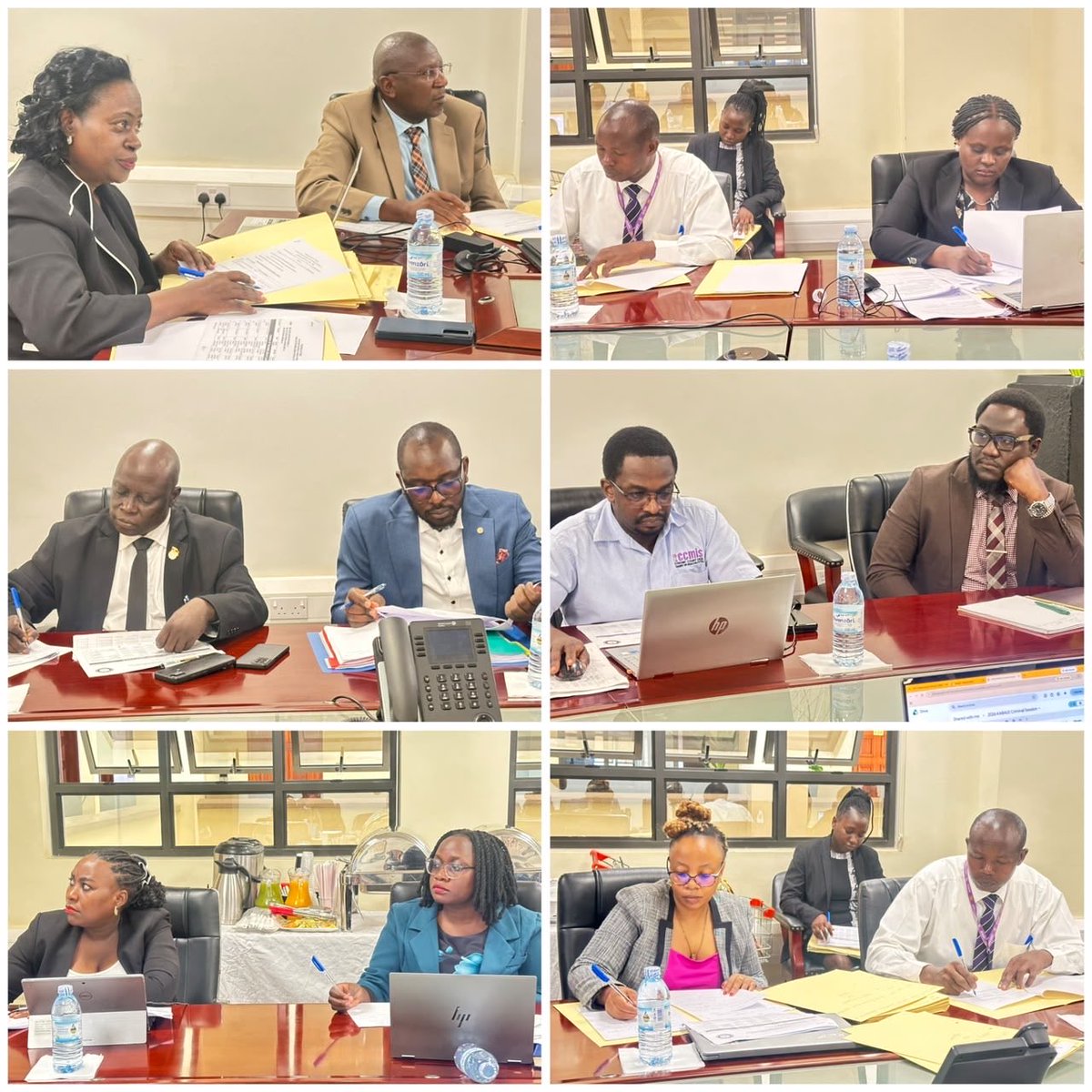
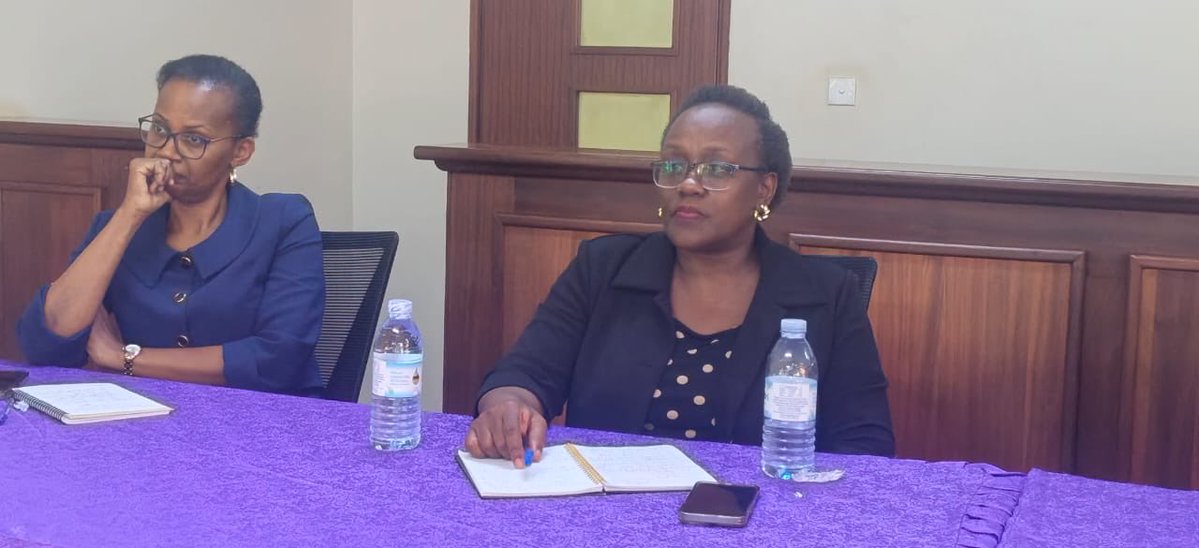
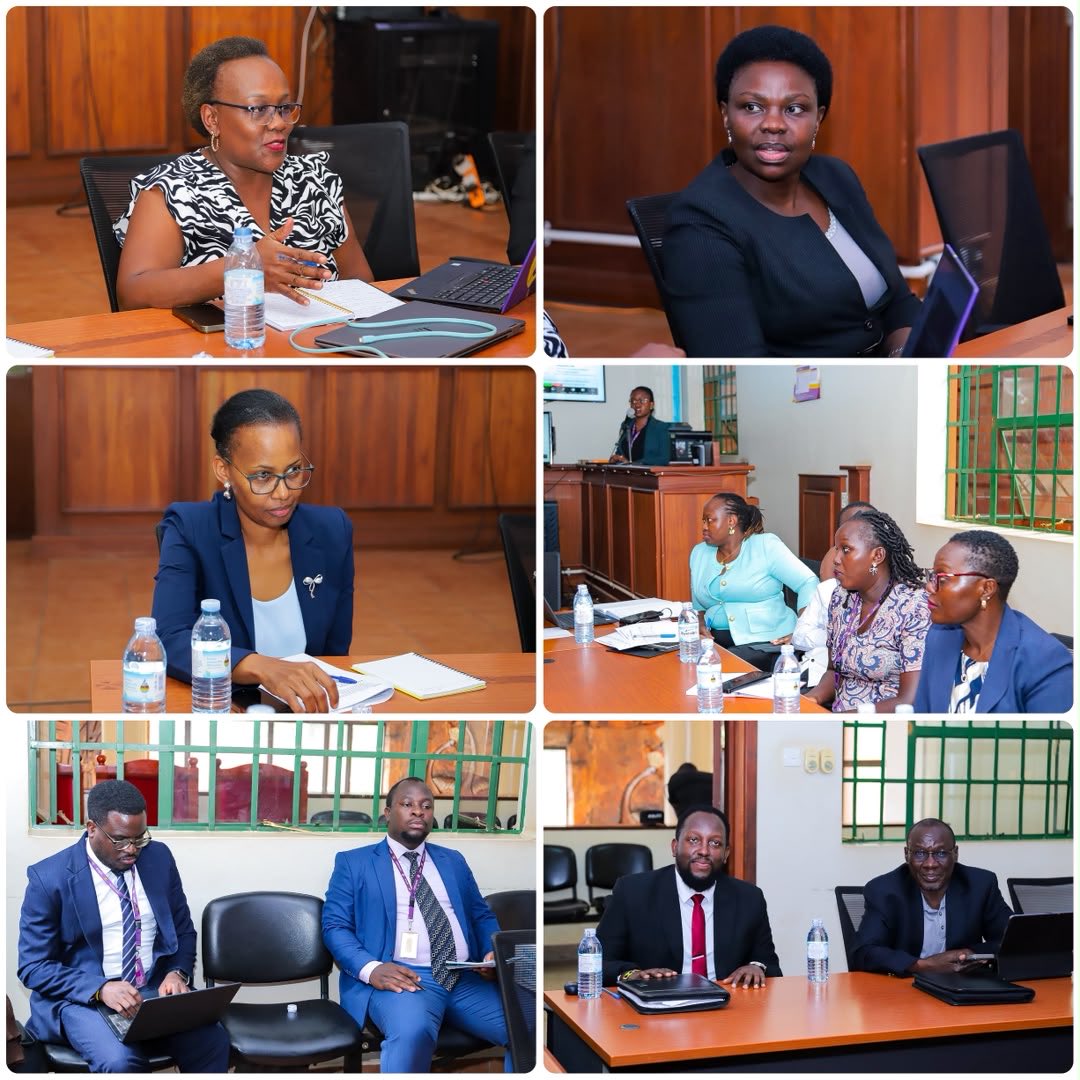
Ahead of the session, Lady Justice Kakooza Sabiiti, and Justice Ssekaana, today held a hybrid pre-hearing meeting at the Court of Appeal in Kampala to assess readiness and identify any gaps that could hinder the smooth running of proceedings.
Present at the meeting were HW Rukundo Allen Owembabazi (Registrar, Court of Appeal), Research Magistrates attached to the presiding Justices, Mr. Dennis Rwatooro (Senior Systems Administrator), and Mr. Ssebayigga Experito (Clerk).
Representatives from the Office of the Director of Public Prosecutions (ODPP) were led by Mr. Kulu Idambi (Assistant DPP). Appellants attended from Masaka Women Prison and Kabale High Court, while some of their legal representatives appeared physically and others participated virtually. Relatives of the victim in one of the cases also attended the meeting.
According to the cause list issued by HW Rukundo, murder constitutes the majority of the appeals to be heard during the session, with 11 appeals, while aggravated defilement accounts for eight appeals. The Court will also hear four appeals for rape and one appeal each for aggravated robbery and attempted murder.
One of the appellants is challenging the sentence of natural life imprisonment imposed on his conviction for murder
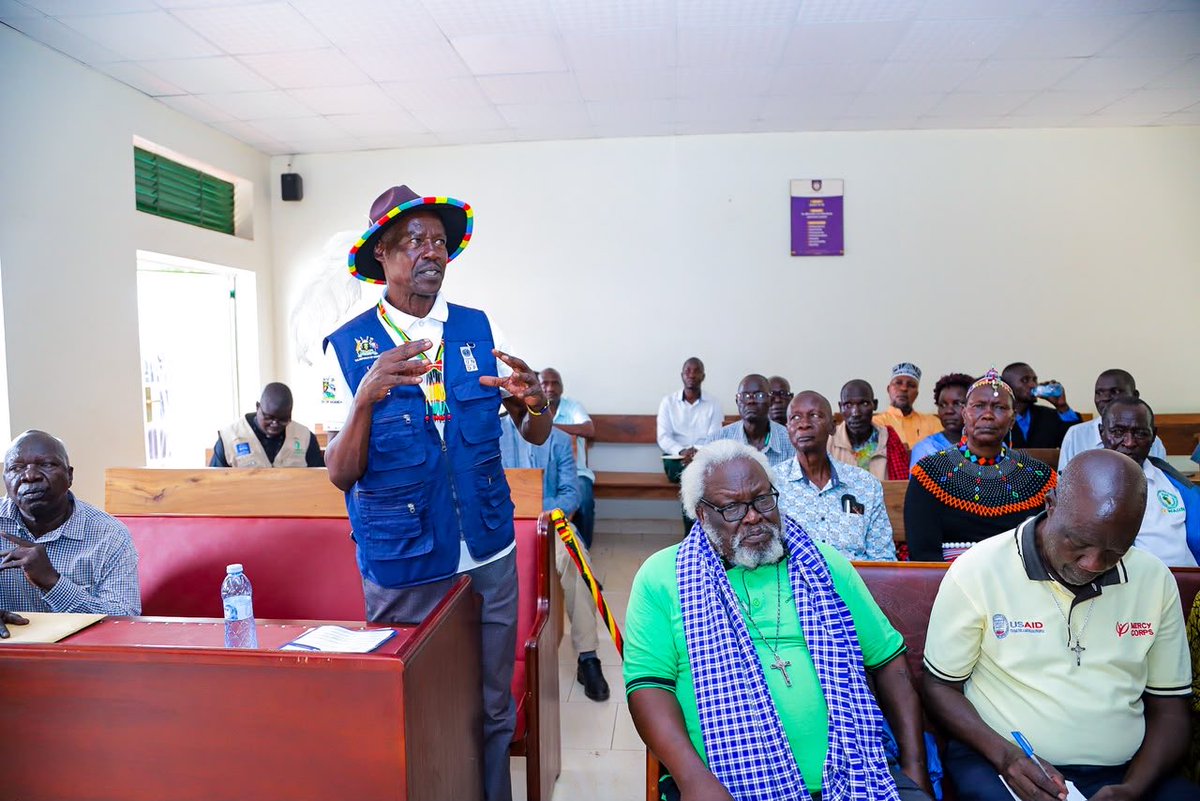
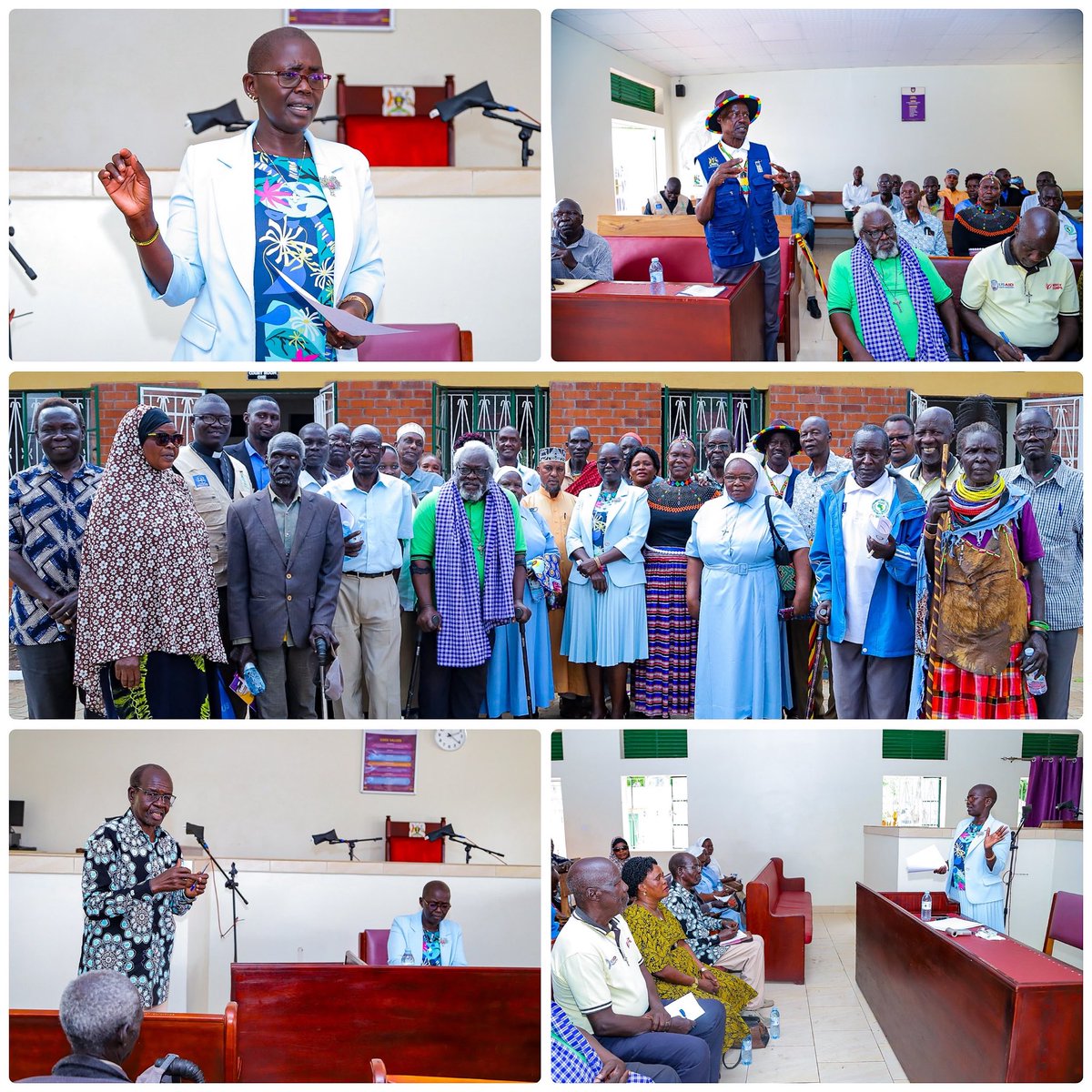
The Principal Judge, Lady Justice Jane Frances Abodo, has engaged community elders from Karamoja ahead of the planned rollout of Alternative Justice Systems (AJS), seeking their support in promoting dialogue, reconciliation and peaceful dispute resolution.
Lady Justice Abodo informed the elders that AJS had already been launched in Gulu, Lira and Buganda, with Karamoja identified as the next region. She said the third week of November was under consideration for the launch and invited the elders’ guidance on preparations.
The engagement focused on working with traditional community structures and identifying credible local mediators to support implementation.
The Principal Judge explained that mediation was already established within the Judiciary, with structures operating from the lower courts to the Supreme Court. She noted that it enables parties to reach mutually acceptable settlements and take ownership of the outcome.
Beyond settling disputes, she said, mediation helps restore relationships and strengthen peaceful coexistence. She linked this approach to African traditions of resolving disagreements through dialogue, reconciliation and, where appropriate, compensation.
Lady Justice Abodo called for the elders’ cooperation in preparing for the rollout, highlighting the role of community structures in supporting accessible justice and lasting reconciliation
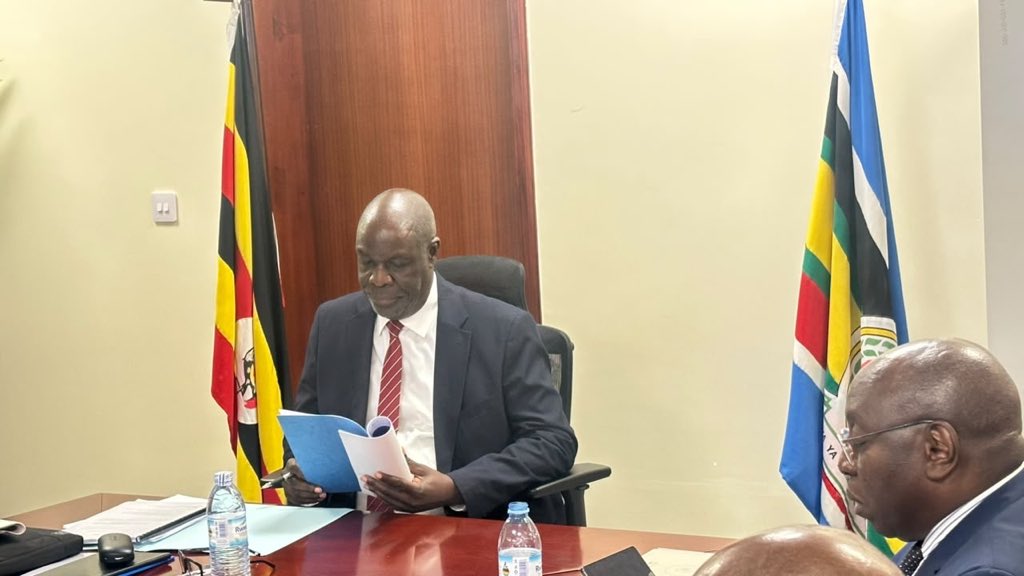
The Deputy Chief Justice, Justice Moses Kazibwe Kawumi, has called for strategic resource allocation and stronger accountability to ensure that investments in court infrastructure, technology and institutional capacity translate into better access to justice.
This he said while chairing the Judiciary’s Planning, Development and Finance Committee meeting at the Court of Appeal Building in Kampala.
The Committee reviewed infrastructure projects, the proposed rollout of the Electronic Court Case Management Information System (ECCMIS) to remaining courts, and draft Judiciary Budget Estimates for the Financial Year 2027/28.
Justice Kazibwe emphasised that the Committee’s mandate extends beyond reviewing plans and financial proposals to ensuring that institutional priorities produce measurable results.
“Our responsibility extends beyond reviewing plans and financial proposals. We must ensure that the Judiciary’s strategic priorities are translated into well-considered investments, appropriate resource allocations, sound implementation frameworks and measurable institutional outcomes,” he said.
He urged members to consolidate proven interventions while developing strategies responsive to emerging needs. Financial and development priorities, he added, should reflect the Judiciary’s constitutional mandate, Vision 2040, National Development Plan IV and the Tenfold Growth Strategy.
*Tracking performance and accountability*
The Deputy Chief Justice called for a functional monitoring and evaluation framework to track implementation of the Judiciary’s Sixth Strategic Plan, measure progress and identify challenges requiring corrective action.
He emphasised the need for clear performance indicators, reporting responsibilities and intervals, and mechanisms for verifying results. Decisions on resource allocation, he said, should be supported by credible evidence of institutional needs and performance gaps.
On the draft FY 2027/28 budget, he urged disciplined prioritisation, avoidance of duplication and provision for the recurrent costs needed to sustain development investments.
“Proposals should be realistic, justified and based on expected institutional benefits. Avoid duplication, improve spending efficiency, and account for the recurrent costs of development investments,” he said.
Presenting the proposed estimates, the Commissioner for Policy and Planning, Mr Simon Peter Opolot, reported that case management accounted for the largest share, followed by general administration, capacity building and capital development.
*Court buildings must deliver services*
Justice Kazibwe described infrastructure as essential to expanding geographical access to justice, but stressed that construction must result in accessible, functional and sustainable court facilities.
He urged the Committee to assess physical progress, contractual compliance, timelines, quality and value for money, including the status of completed facilities that were not yet operational.
“Ensure investments deliver services, not merely completed structures,” he urged.
Eng. George Turyakira (Commissioner for Engineering and Technical Services), presented progress reports on infrastructure projects. He noted that progress of construction of Gulu Regional Court of Appeal was at 18% completion, Mbarara Regional Court of Appeal at 16%, Soroti High Court at 94%, Tororo High Court at 95%, Mpigi High Court at 13%, Mukono High Court Annex Building at 45% and Rakai Chief Magistrate's Court at 51%, among other projects.
Mr Turyakira also reported that Alebtong Court had remained at the finishing stage for more than two years. A new contractor was expected on site by December 1, 2026.
He highlighted gaps in contract management and called for action to bring ongoing projects back on schedule, alongside early preparation for new construction.
Members recommended prioritising projects nearing completion, standardising court designs and conducting geological surveys before construction
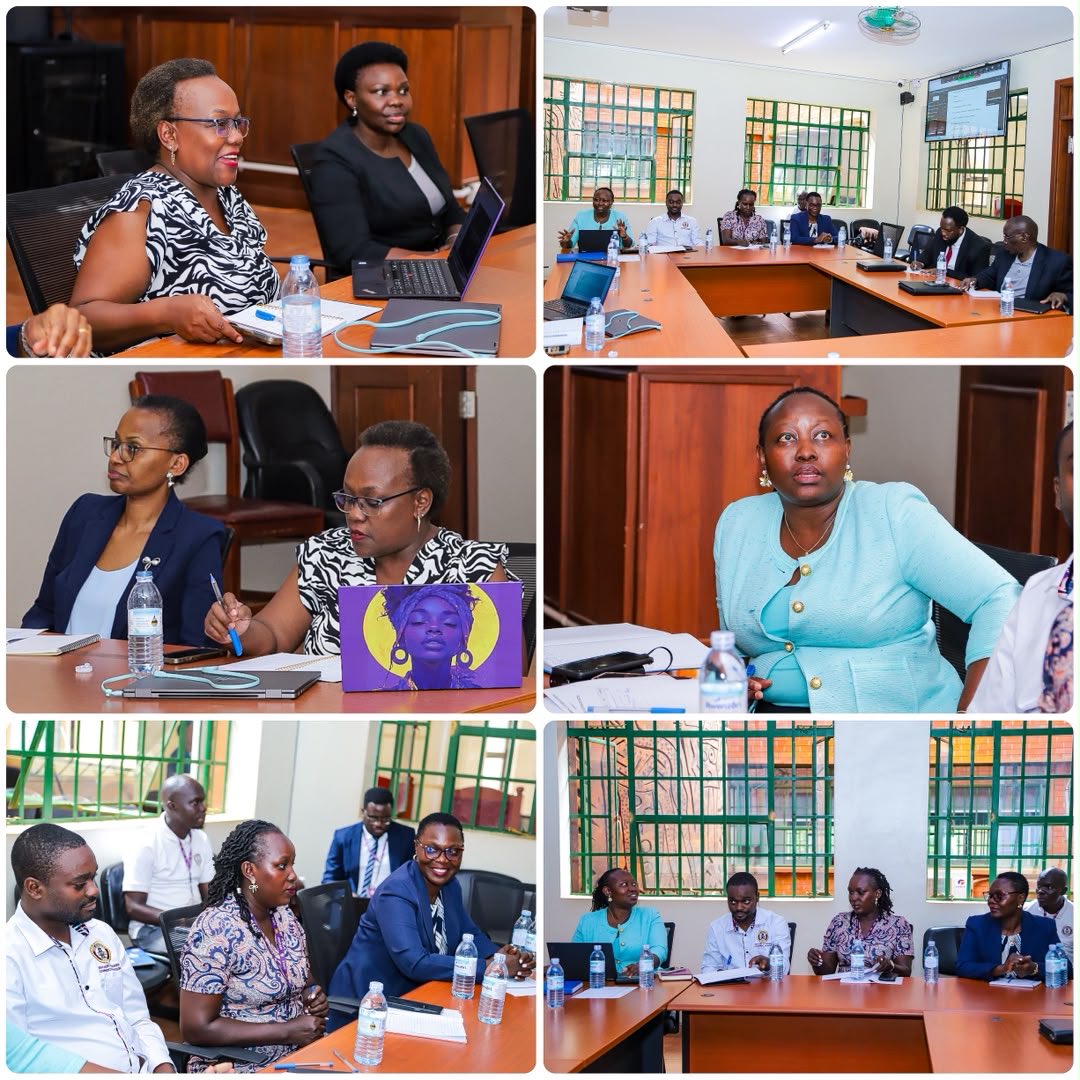
The Judiciary’s Anti-Sexual Harassment Committee has engaged the Judicial Service Commission (JSC) to strengthen coordination in handling sexual harassment complaints, improve reporting channels and minimise the risk of re-traumatising complainants.
During the engagement, JSC Chairperson Justice Dr Douglas K. Singiza emphasised that collaboration should support consistent and effective complaint handling while respecting the independent mandates of the Commission and the Judiciary.
He explained that his engagements with Judiciary committees and the leadership of the Uganda Judicial Officers Association were intended to identify areas of cooperation and improve service to the public.
Justice Dr Singiza acknowledged that fear of reporting remains a major obstacle to addressing sexual harassment. He noted that the Commission had encountered complaints involving judicial officers and support staff, underscoring the need for accessible and trusted reporting mechanisms.
He pledged that the Commission would give serious consideration to reports submitted by the Committee to help avoid unnecessary duplication of investigations, save time and resources, and reduce the burden on complainants.
Repeatedly requiring complainants to recount their experiences, he observed, could cause further distress and discourage them from pursuing complaints. Delays could also result in evidence being lost or compromised.
Dr Singiza further highlighted the importance of impartiality and safeguards against conflicts of interest. He explained that where a complaint concerns the Chairperson, the Deputy Chairperson could constitute a committee to handle it.
To improve reporting, he said the Commission was considering confidential online mechanisms, including a possible channel linked to the Electronic Court Case Management Information System (ECCMIS). The proposed mechanism would facilitate confidential submission of complaints to the Chairperson.
He also called for joint training and broad comparative research to inform policy development, taking account of different institutional and cultural contexts.
Dr Singiza informed the Committee that the Commission had developed an inter-agency document outlining how collaboration with other institutions could operate while preserving their respective mandates. He invited members to study it and identify practical areas for cooperation.
The Chairperson of the Judiciary’s Anti-Sexual Harassment Committee, Lady Justice Prof. Lillian Tibatemwa-Ekirikubinza, thanked Dr Singiza and the Commission for the engagement and their continued willingness to collaborate.
She also appreciated his participation in the workshop organised by THUSA consultants from South Africa, noting that continued dialogue would help clarify reporting channels and strengthen the response to complaints.
Lady Justice Tibatemwa-Ekirikubinza emphasised the need for joint training to increase awareness of the applicable policies and reinforce understanding of sexual harassment as gross misconduct.
She committed the Committee to studying the inter-agency document and pursuing further discussions with the Commission on joint training and practical arrangements for collaboration.
Present; Justice Muzamiru Kibeedi; Justice Dr Asa Mugenyi; Lady Justice Flavia Matovu; HW Dorothy S. Lwanga; Ms Pamela Akello Pamleg, Deputy Registrar, JSC; Mr Geoffrey Ntalo, Assistant Registrar, JSC; HW Kirya Martins, Chief Magistrate, Pader; HW Aciro Jemimah; and Ms Lorna Amoro, Personal Assistant/Legal Manager to the JSC Chairperson
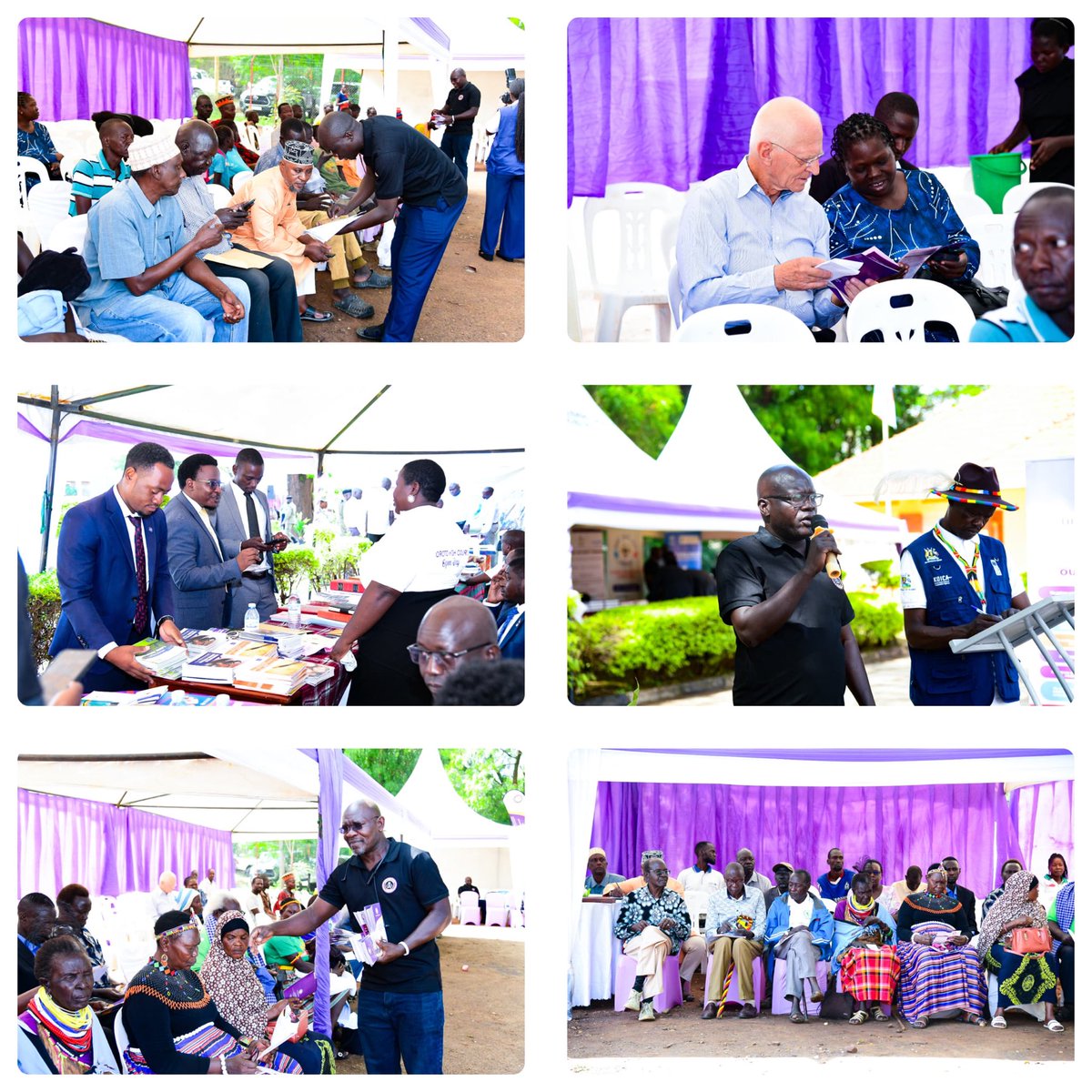
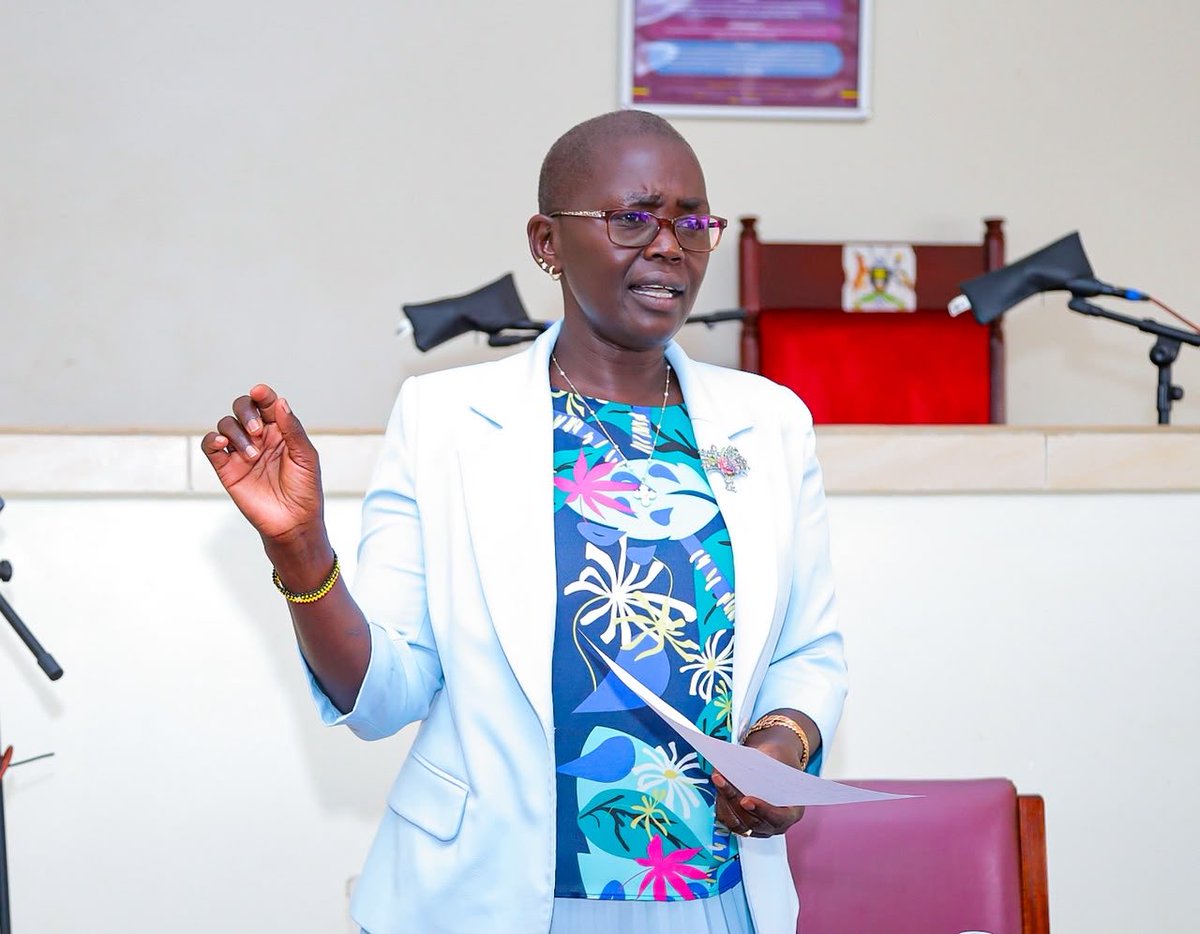
The Principal Judge, Lady Justice Jane Frances Abodo, has reaffirmed that justice is not for sale and called for stronger measures to address the barriers preventing communities in Karamoja from accessing court services.
Speaking earlier during Moroto High Court’s Open Day at the Court Grounds, Lady Justice Abodo said every person deserved to be heard and treated fairly, regardless of their financial circumstances or ability to obtain legal representation.
She emphasised that justice must not only be done but must also be understood, accessible and trusted.
The Principal Judge commended the Resident Judge, Justice Tom Chemutai, judicial officers and court staff for organising the engagement, noting that the administration of justice was a shared responsibility between the Judiciary and the communities it serves.
She said Court Open Days provide a platform for explaining court processes, addressing concerns and receiving feedback to improve service delivery and strengthen public confidence.
Addressing the theme, “Delivering Inclusive, Efficient and Effective Justice,” Lady Justice Abodo said access to courts and fair treatment should extend to everyone, irrespective of gender, age, disability, economic circumstances, geographical location or social standing.
She noted that courts promote peace and social order by resolving land, family, commercial and criminal disputes, adding that every case represents a human story requiring integrity, impartiality and fairness.
The Principal Judge identified case backlog, resource constraints and prison congestion as major challenges, particularly in hard-to-reach areas such as Karamoja.
She explained that the Chief Justice had established a taskforce on prison congestion, which she chairs, to examine delays across the criminal justice system and the lawfulness of continued detention. Its work would involve the police, Office of the Director of Public Prosecutions (ODPP), courts, prisons and other stakeholders.
She said the taskforce would also explore appropriate alternatives to detention and opportunities for reconciliation and settlement in suitable cases.
Lady Justice Abodo reported that efforts were underway to strengthen criminal case management and increase criminal sessions at Moroto High Court. Continuous hearings and closer coordination with the ODPP, she said, would help prevent cases from accumulating.
On public awareness, she called for simpler court processes and the translation of relevant information into local languages, noting that people cannot exercise rights or demand services they do not know are available.
She also emphasised the role of mobile courts in reaching communities affected by poverty, long distances and insecurity. Citing proceedings organised in Katanga with support from the Uganda People’s Defence Forces and police, she said courts should be understood through the services they deliver, beyond the buildings in which they operate.
Judicial officers and interpreters, she added, can travel to communities to hear cases and assist vulnerable people who may otherwise be unable to reach court premises.
The Principal Judge called for stronger collaboration among justice institutions, civil society, development partners, political leaders and the public. She reaffirmed the Judiciary’s commitment to better case management, greater use of technology, mediation, plea bargaining and inter-agency coordination.
In his remarks, Moroto Resident Judge, Justice Tom Chemutai, said the Open Day was intended to take judicial services closer to communities, explain court operations and give court users an opportunity to assess the quality and accessibility of services.He outlined the Circuit’s geographical, socio-economic and operational challenges, including widespread poverty, recurrent drought, limited livelihood opportunities, long travel distances and intermittent insecurity
Happening Now: The Principal Judge, Lady Justice Jane Frances Abodo, is presiding over Moroto High Court’s Open Day at Moroto High Court Grounds, under the theme “Delivering Inclusive, Efficient and Effective Justice.”
The event aims to strengthen access to justice and improve service delivery by bringing judicial officers, justice sector stakeholders and court users together for direct engagement.
On arrival, the Principal Judge inspected a guard of honour mounted by the Uganda Police Force and was received by the Moroto High Court Resident Judge, Justice Tom Chemutai, alongside judicial officers and other officials.
She planted a “Tree of Justice” to commemorate the occasion before holding a brief meeting with judicial officers and key stakeholders.
Ahead of her arrival, justice sector institutions sensitised the public on their mandates and services. Among the presenters was Chief State Attorney Mr Innocent Obale, who explained the role of the Office of the Director of Public Prosecutions.
Present, HW Prossy Katushabe, Registrar High Court, representing the Chief Registrar; HW Festo Nsenga, Deputy Registrar, Inspectorate; HW James Ereemye Mawanda, Judiciary Public Relations Officer; HW Nankya Nusulah, Assistant Registrar, Soroti High Court; HW James Opio, Chief Magistrate, Moroto; and HW Edger Nyakairu, Personal Assistant to the Principal Judge.
Magistrates; HW Bashaija Mugisa (Moroto), HW Katende Rashid (Kotido), HW Sabiti Joseph (Nakapiripirit) and HW Opolot Simon Peter (Amudat), together with HW Oonyu Vincent, Research Magistrate attached to the Chambers of the Moroto Resident Judge.
The event is being moderated by the Judiciary Public Relations Officer, HW James Ereemye Mawanda, assisted by Communications Officer Mr Deo Akugizibwe
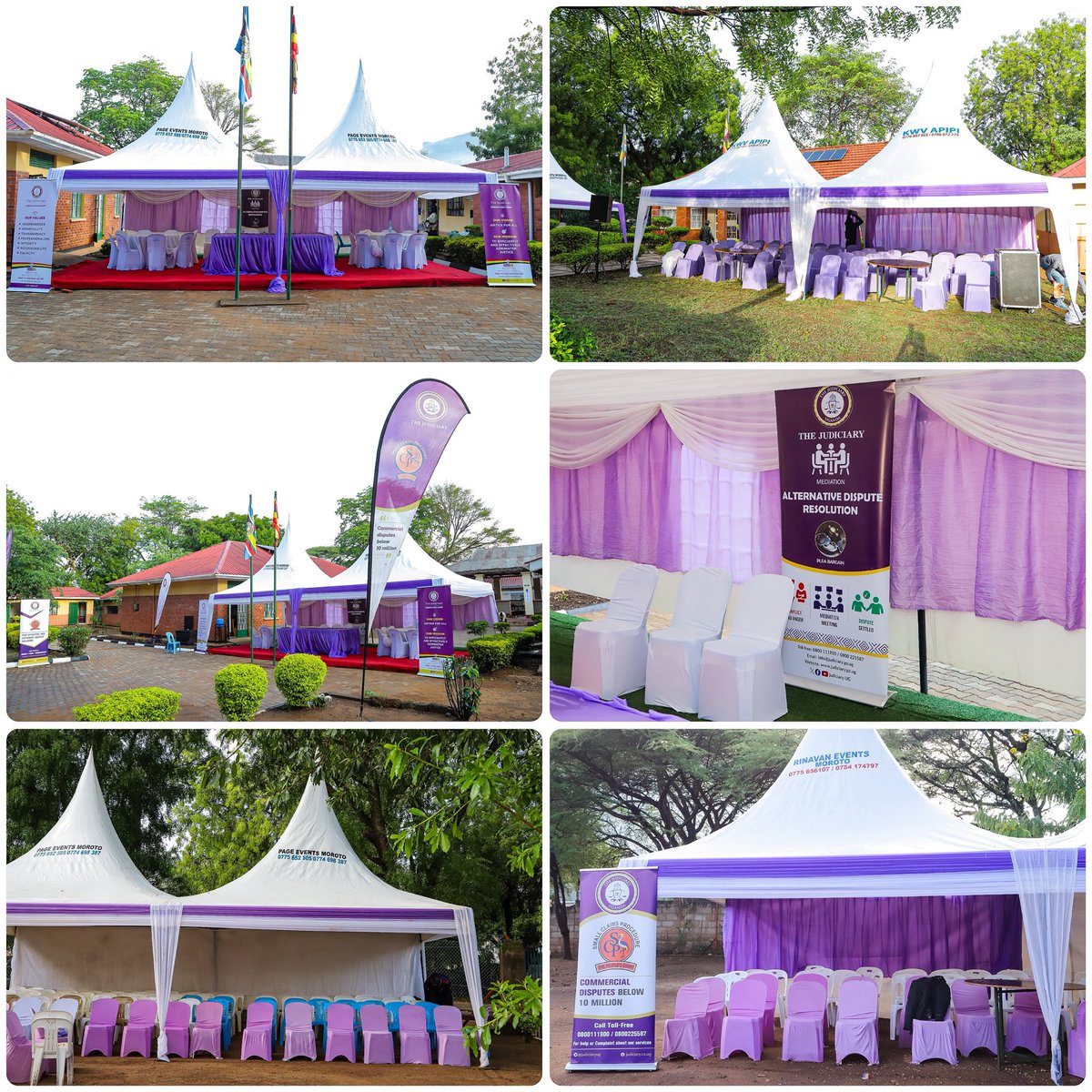
All Set: Moroto High Court is ready to host its Open Day under the theme “Delivering Inclusive, Efficient and Effective Justice.”
The Principal Judge, Lady Justice Jane Frances Abodo, will preside over the event, which provides an opportunity for court users and stakeholders to engage with the Judiciary on justice delivery
Earlier: The Commercial Court has assigned 350 cases to mediators ahead of its Mediation Settlement Fortnight, scheduled for November 16–30, 2026, as the Judiciary strengthens efforts to resolve commercial disputes through mediation.
The cases comprise 70 matters from the Intellectual Property, Insurance and Commercial/Tax Appeals Cluster and 280 from the Trade, Construction and Corporations Cluster.
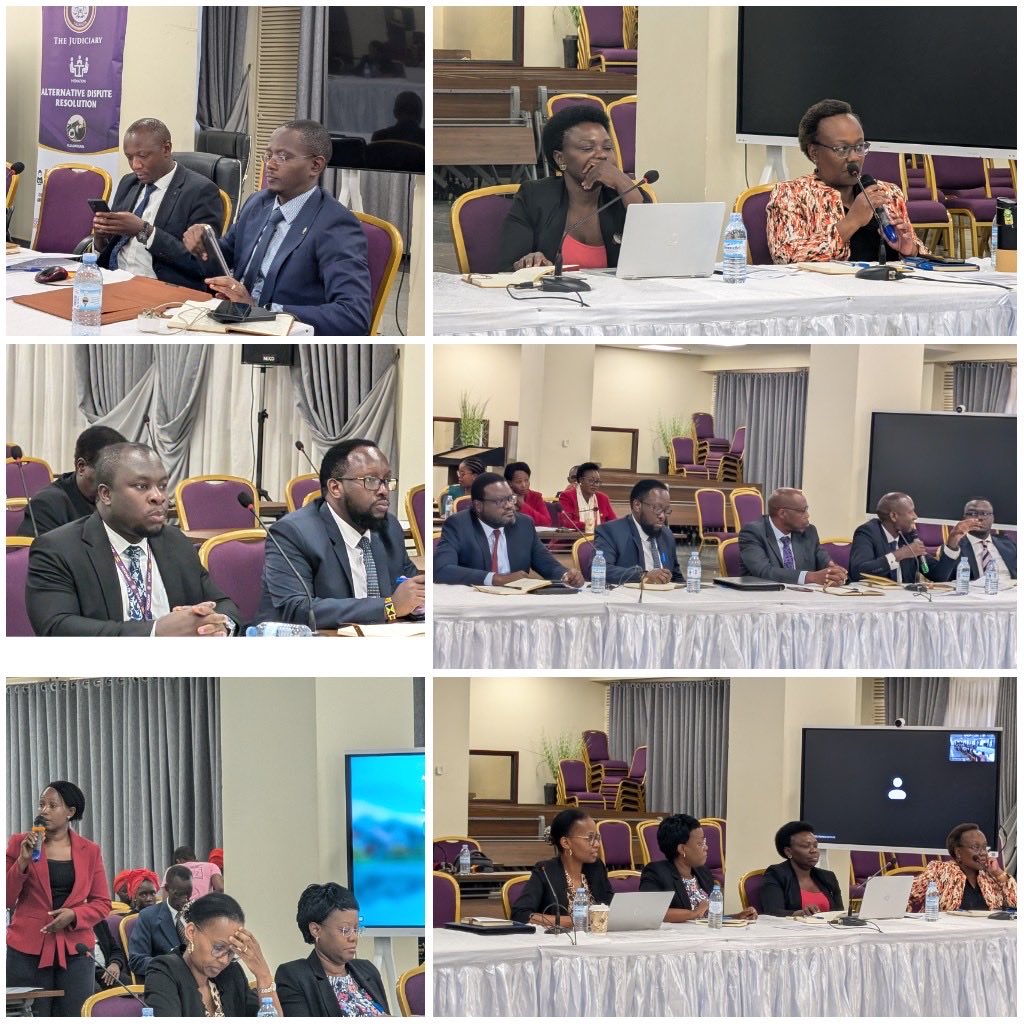
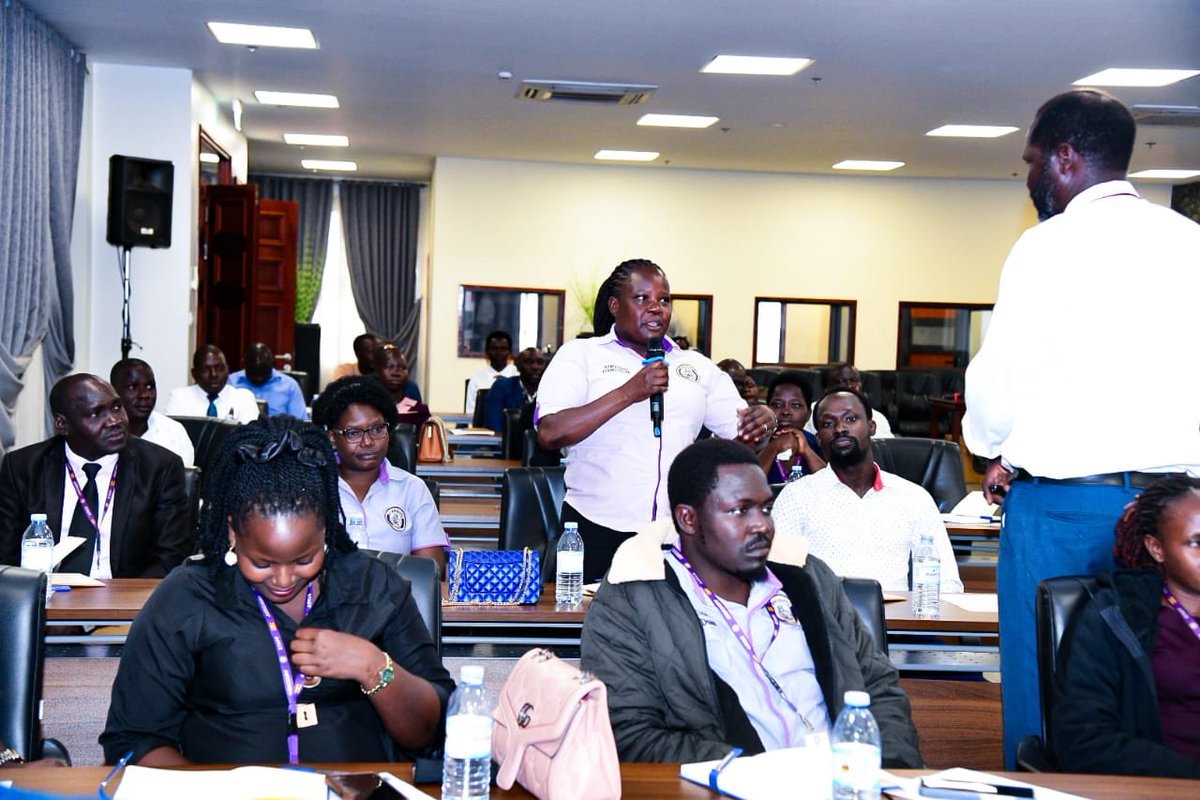
The figures were shared during a mediation training and pre-settlement roundtable organised by the Judicial Training Institute (JTI), in collaboration with the Alternative Dispute Resolution (ADR) Registry, at the Court of Appeal Conference Hall. The engagement brought together Judicial Officers, legal practitioners, mediators and sector stakeholders to prepare for the forthcoming exercise.
Opening the engagement on behalf of the Principal Judge, the Head of the Criminal Division, Justice David Matovu, said the Commercial Court’s cluster approach was building on lessons from earlier settlement fortnights covering banking, loans and credit, as well as trade, construction and corporations.
He noted that grouping related disputes brings parties, advocates and relevant institutions together around a common objective, allowing them to address issues specific to each sector.
Justice Matovu emphasised that effective mediation begins with preparation and coordination before parties enter the mediation room. As clustered settlement fortnights become institutionalised, he said, a predictable and coordinated approach would be essential.
He commended JTI for bringing judicial officers, practitioners and other justice sector actors together to identify practical challenges and develop solutions that improve the administration of justice.
Addressing insurance disputes, Justice Matovu cautioned that delays in resolving claims, liability and compensation matters could undermine the financial protection that insurance is intended to provide. He noted that such delays prolong hardship for policyholders, disrupt business operations, increase litigation costs and weaken public confidence in the industry.
He also highlighted the growing importance of intellectual property in supporting innovation, creativity and economic development, particularly in Uganda’s music, film, literature, fashion and visual arts sectors.
The Head of the Commercial Division of the High Court, Lady Justice Anna Mugenyi, reported that the Division had 5,566 pending cases before Judicial Officers as at September 30, 2024. Of these, 232, representing 4.2 per cent, fell within the Insurance, Intellectual Property and Appeals Cluster.
She explained that 70 cases from this cluster had been screened and cause-listed for mediation. These include 55 appeals, 10 intellectual property cases and five insurance cases. The appeals include 40 tax matters involving the Uganda Revenue Authority (URA).
Justice Mugenyi called for URA’s full participation, noting that tax disputes account for the largest share of appeals in the cluster. She confirmed that the cases had been verified and allocated to 17 mediators ahead of the fortnight.
Reporting on the previous Trade Cluster mediation exercise, she said 452 cases had been placed before 26 mediators. Of these, 229 were completed, with 64 settlements—60 full and four partial—including 20 backlog suits.
She reported a settlement rate of 28 per cent, compared with 23.3 per cent recorded in the Banking Cluster.
Justice Mugenyi linked the initiative to the ATMS anchors and National Development Plan IV, explaining that timely resolution of commercial disputes helps release capital, facilitate insurance payouts, generate tax revenue and preserve business relationships.
The Executive Director of JTI, Justice Prof Andrew Khaukha, welcomed the progress and commended the Commercial Division’s leadership and teamwork. He said the results demonstrated mediation’s potential to resolve disputes while reducing reliance on full trials
The Commercial Division of the High Court has agreed to schedule mediation proceedings every weekday and establish a case screening committee to improve the readiness of files allocated to mediators.
The measures were agreed upon during the Division’s quarterly mediators’ meeting, chaired by the Head of the Division, Hon. Lady Justice Anna B. Mugenyi, on Friday afternoon at the Commercial Court.
The meeting brought together judicial officers, court-accredited mediators and registry staff to review performance for the first quarter of the financial year, agree on targets and prepare for the next quarter and the forthcoming mediation fortnight.
Justice Mugenyi said about 20 per cent of cases before the Division are currently resolved through mediation. She outlined a goal of increasing that proportion to between 70 and 80 per cent over the next two to three years.
Following a proposal by the Deputy Head of the Division, Lady Justice Susan Abinyo, participants agreed to schedule mediation proceedings from Monday to Friday, making mediation a daily activity alongside the periodic settlement fortnights.
Justice Mugenyi commended mediators for their work during previous fortnights covering banking, loans and credit, as well as trade, construction and corporations. She singled out retired Justice Henry Peter Adonyo, who completed more than 14 successful mediations during the quarter.
Presenting the first-quarter performance report, the Deputy Registrar in charge of the Court, HW Jessica Chemeri, reported a caseload of 1,130 matters, comprising 806 brought forward and 324 newly registered. August recorded the highest number of completed mediations at 362. Participants examined the factors behind that performance to identify practices that could be sustained.
The meeting also addressed delays affecting files allocated to mediators. Justice Mugenyi noted that many files, averaging 10 to 15 per mediator, stall because notices have not been served, applications for default judgment remain pending, or parties are negotiating consent settlements outside mediation.
To address these challenges and improve the accuracy of performance statistics, participants resolved to establish a mediation case screening committee to assess files before allocation.
The Division’s annual target remains 810 completed mediations, comprising 624 successful settlements and 186 unsuccessful mediations. With 24 active mediators, each is expected to complete at least 34 mediations annually, or approximately three per month. Participants committed to working towards surpassing the agreed targets.
The meeting further resolved to reallocate files assigned to mediators who are unwell or otherwise unavailable to ensure matters progress without unnecessary delay.
Justice Mugenyi urged mediators to prioritise successful settlements and consistently record every sitting, hearing notice and completed mediation in the Electronic Court Case Management Information System (ECCMIS). She noted that some mediators had recorded no completed mediations during the quarter, underscoring the need for complete and timely reporting.
She also encouraged mediators and advocates to read and apply the Mediation Rules to support effective proceedings.
The Division welcomed new mediators, including Mr James Kwesiga, Mr Ronald Tusingwire and Ms Teddy Naluyirika Mayengo, and agreed to organise an in-house orientation for all new mediators.
The next Mediation Settlement Fortnight will run from November 16 to 30, 2026, focusing on insurance, intellectual property and appeals.
Those present included Lady Justice Patricia Asiimwe Kahigi; retired Justice Henry Peter Adonyo; HW Jessica Chemeri; HW Agnes Nkonge, Deputy Registrar; Research Magistrates attached to the Court m; among others
Supreme Court Justice Muzamiru Kibeedi has urged mediators, advocates and other stakeholders to translate preparations for the forthcoming Commercial Court Mediation Settlement Fortnight into concrete settlements and timely implementation of agreements.
He made the call while closing a mediation training and pre-settlement roundtable organised by the Judicial Training Institute (JTI), in collaboration with the Alternative Dispute Resolution (ADR) Registry, at the Court of Appeal Building Conference Hall.
The engagement focused on intellectual property, insurance and commercial/tax appeals ahead of the November 16–30, 2026 settlement fortnight.
Justice Kibeedi said the workload ahead presented both an opportunity and a challenge, requiring sustained preparation and close coordination among courts, advocates, insurers and other parties. He urged participants to turn the roundtable’s outcomes into clear action points, with designated responsibilities and timelines.
The Judge emphasised the need to prepare files, complete documentation and identify outstanding issues before mediation begins. Advocates, he added, should prepare their clients for settlement, assess the strengths and risks of their cases and secure any necessary approvals before negotiations.
Turning to appellate mediation, Justice Kibeedi noted that a judgment does not always bring a dispute to an end. While it determines legal rights, underlying concerns may remain unresolved or new issues may emerge, creating an opportunity for parties to reach a negotiated settlement even after trial.
He called for an evaluation of the fortnight’s results, including matters settled, implementation of agreements and challenges encountered. The findings, he said, should inform future settlement initiatives and the development of appellate mediation.
Justice Kibeedi described the identification of 70 files during the preparations as an important step and urged stakeholders to support that progress with thorough preparation, constructive negotiations and timely implementation of settlements.
He thanked the organisers, facilitators and participants, calling on them to carry the cooperation demonstrated during the training into the fortnight and deliver practical outcomes for court users.
Chief Justice Emeritus Alfonse Chigamoy Owiny - Dollo, who participated virtually, commended the presenters and participants, noting that he had followed the presentations throughout the training.
He described appellate mediation as distinctive because parties enter the process after presenting evidence, arguing their positions and receiving a court decision. The mediator therefore engages parties whose expectations and attitudes have already been shaped by litigation and its outcome.
Justice Owiny - Dollo discussed appellate mediation in the High Court, Court of Appeal and Supreme Court, highlighting the context in which parties seek a negotiated resolution after judgment.
Deputy Chief Justice Emeritus Justice Richard Buteera emphasised that mediation remains private, voluntary, consensual, informal and confidential at both trial and appellate levels. Even where a judge serves as mediator, he said, the mediator cannot impose a settlement on the parties.
He identified the parties’ mindset as a key distinction between the two stages. Before trial, there is no judgment determining the dispute; on appeal, parties approach mediation with a decision already in place, often viewing themselves as the winner or loser. Mediators must understand and manage those expectations to support constructive negotiations.
Those in attendance included Lady Justices Susan Abinyo, Patricia Kahigi Asiimwe and Patricia Mutesi; Registrars HW Jessica Chemeri, HW Lillian Bucyana, HW Juliet Harty Hatanga, HW Justine Atukwasa, HW Godfrey Kaweesa and HW Daniel Lubowa; former Solicitor General? Mr Francis Atoke; mediators and advocates
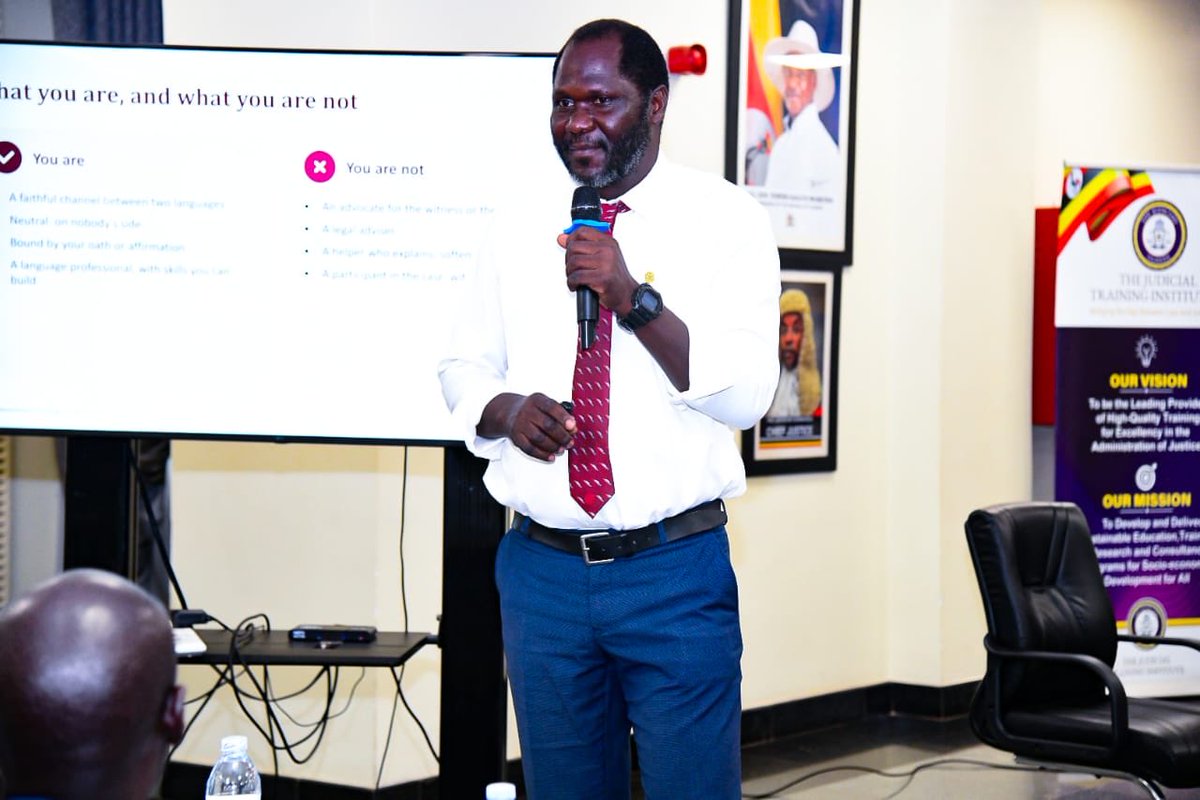
Happening Now: The Judicial Training Institute (JTI) has commenced a two-day training in court interpretation for 68 Court Clerks from the Northern Region at the Supreme Court Conference Hall, Level 7.
The programme began with a session on “Why Effective Interpretation Matters,” facilitated by Mr David Otto Labeja, an interpreter at the International Criminal Court (ICC), and Mr Michael Ochoa, an interpreter. Practical exercises, including “Message Chain” and “One Word Changes the Case,” highlighted how inaccuracies in interpretation can alter meaning and affect court proceedings.
Participants will cover interpreters’ roles and ethics, core interpretation principles, courtroom protocol, consecutive interpretation, memory skills, note-taking, legal terminology and handling challenging situations during proceedings.
Group exercises will address ethical dilemmas, listening and memory skills, and note-taking and delivery techniques to strengthen accuracy, clarity and confidence.
The training seeks to reduce language barriers and promote fair, inclusive court processes by equipping Court Clerks to help court users understand proceedings, communicate effectively and participate meaningfully.
Supreme Court Justice and Chairperson of the JTI Governing Council, Hon. Justice Mike Chibita, is expected to formally open the training.
The programme is being moderated by HW Murungi Esther Birabwa, a Magistrate attached to JTI
The International Association of Women Judges–Uganda Chapter (IAWJ-UC) and Buganda Kingdom have agreed to pursue a formal partnership to combat Sexual and Gender-Based Violence (SGBV), promote women’s economic empowerment and expand access to justice.
The commitment followed a strategic meeting between the Katikkiro of Buganda, Owek. Charles Peter Mayiga, and a delegation comprising IAWJ-UC, FIDA-Uganda and Kampala Capital City Authority (KCCA). The Kingdom’s Attorney General, Owek. Christopher Bwanika, and his legal team were also present.
Led by IAWJ-UC President, Lady Justice Olive Kazaarwe Mukwaya, the delegation explored how the Kingdom’s extensive community structures could support legal education, survivor support and the protection of women’s rights.
Justice Kazaarwe emphasised the need to equip women and children with legal knowledge and improve women’s access to economic opportunities and land, noting that economic vulnerability often perpetuates cycles of violence.
She highlighted IAWJ-UC’s campaign, “Reaching 1,000 Families in 1,000 Communities in 1,000 Days,” and proposed a Women’s Masaza Cup that would combine sports with legal aid clinics, health camps and community sensitisation on SGBV.
FIDA-Uganda Chief Executive Officer, Ms. Lillian Byarugaba Adriko, stressed the importance of protecting women’s land, property and inheritance rights. She proposed using the Kingdom’s Kisakaate programme and other community platforms to deliver legal education.
KCCA’s Director of Gender, Community Service and Production, Ms. Sheila Birungi Gandi, advocated for community legal aid and information desks, public sensitisation through the Kingdom’s radio and television platforms, and economic empowerment initiatives for vulnerable women and SGBV survivors.
Welcoming the proposed collaboration, the Katikkiro underscored the importance of women’s economic independence, challenging harmful cultural beliefs and involving men in efforts to prevent gender-based violence.
He identified ignorance as a major driver of SGBV and called for sustained public education. He also recognised women’s contributions as mothers and leaders, citing the historical role of the Namasole—the King’s mother—in Buganda’s judicial system, including her authority to overturn the King’s verdict.
To advance the collaboration, Buganda Kingdom invited IAWJ-UC to submit a formal partnership proposal outlining coordinated community outreach, legal awareness and survivor empowerment initiatives
The Commercial Division of the High Court has called on insurance companies, intellectual property bodies and other stakeholders to designate representatives with authority to negotiate settlements ahead of its Mediation Settlement Fortnight, scheduled for November 16–30, 2026. Approximately 60 cases have been identified under the insurance and intellectual property clusters, with a further 200 matters earmarked for appellate mediation.
Chairing a stakeholders’ meeting at the Commercial Court, the Head of Division, Lady Justice Anna Mugenyi, said effective participation would be critical to resolving disputes, reducing case backlog and improving access to commercial justice.
The meeting brought together representatives of the insurance industry, intellectual property associations, regulatory institutions, legal practitioners and other sector players to prepare for the exercise.
Lady Justice Mugenyi said the Division, which has a caseload of more than 6,000 cases, had adopted a cluster-based approach to mediation. Following earlier exercises covering banking, loans and credit, as well as trade, corporations and construction, the forthcoming fortnight will focus on insurance, intellectual property and appeals. Outstanding matters from previous clusters will also be considered.
She highlighted mediation’s benefits, including lower costs, faster resolution, preservation of business relationships and greater control by parties over the outcome of their disputes. She added that settlements adopted by the court become enforceable as court orders.
For the exercise to succeed, Lady Justice Mugenyi urged institutions to involve senior technical officers and departmental heads with sufficient authority to make settlement decisions, alongside their legal representatives.
She also called on stakeholders to sensitise their members and encourage their lawyers to support mediation. Clarifying that court-appointed mediators do not charge mediation fees, the Judge cautioned lawyers against collecting money from clients on behalf of mediators.
Lady Justice Mugenyi particularly encouraged the Uganda Revenue Authority and insurance sector institutions to participate, given their involvement in a significant number of the appeals identified for the exercise.
Acknowledging the challenges of mediating disputes in which one party has already secured a judgment, she announced a specialised appellate mediation training and stakeholder roundtable scheduled for November 9, 2026. The engagement will explore practical approaches to appellate mediation and address stakeholders’ concerns.
Insurance sector representatives welcomed the initiative as an additional avenue for resolving disputes efficiently and affordably. A representative of the insurance regulator noted that concerns over delayed compensation had affected public perceptions of the sector, and that mediation could help strengthen confidence in insurance services.
Representatives of the intellectual property sector also pledged to mobilise their members, including musicians, copyright holders and collective rights management organisations. They noted that growing awareness of intellectual property rights was likely to increase demand for effective dispute resolution.
The discussions highlighted the need for continued legal education and mediation training among sector practitioners. Lady Justice Mugenyi proposed collaboration with the Judicial Training Institute to build their knowledge and practical skills, while encouraging sector associations to help identify disputes suitable for early mediation.Stakeholders were invited to attend the November 9 roundtable and mobilise their members for the fortnight and the subsequent 60-day mediation period. An exit meeting will assess performance, identify challenges and inform future exercises. During the engagement, retired Justice Dr Henry Peter Adonyo received an award recognising him as the best overall mediator
The Chief Registrar, HW Agnes Alum, has challenged more than 90 magistrates to embrace the Performance Enhancement Tool (PET) as a means of strengthening accountability, measuring judicial performance and improving justice delivery, emphasising that the system must deliver tangible results for court users.
She made the call while closing a two-day PET training workshop at the Court of Appeal Building Conference Hall in Kampala, urging participants to champion its implementation at their respective duty stations in line with the Judiciary’s core values.
HW Alum commended the magistrates for their active participation and emphasised that PET goes beyond routine staff appraisal by promoting a results-oriented approach to judicial work, with improved service to court users as its central objective.
She explained that the tool incorporates the Judiciary’s seven core values of independence, impartiality, transparency, professionalism, integrity, accountability and equality into performance management, ensuring that these principles guide judicial officers in the discharge of their duties.
Addressing concerns raised during the training, the Chief Registrar acknowledged that certain aspects of PET, including performance scoring, differences in working environments, appeal mechanisms, judicial transfers and jurisdictional responsibilities, require further refinement.
She assured participants that the relevant committee would continue reviewing the Tool to accommodate the different roles and working conditions of judicial officers. However, she emphasised that PET was already operational and its implementation would proceed as planned.
Citing Kenya’s performance evaluation framework and Tanzania’s real-time performance dashboards, HW Alum highlighted regional approaches to strengthening transparency and efficiency in judicial administration.
She urged the magistrates to embrace the reform and translate performance targets into tangible improvements in justice delivery, noting that its success would depend on the commitment of individual judicial officers.
The Secretary to the Performance Management and Awards Committee and Private Legal Secretary to the Chief Registrar, HW Patricia Amoko, congratulated the participants upon completing the training and commended the quality of the performance plans developed during the practical sessions.
She encouraged them to immediately apply the knowledge acquired, regularly assess their progress and prioritise responsive service delivery to court users.
During the workshop, HW Moses Gabriel Angualia, Deputy Registrar at the Inspectorate of Courts, briefed participants on the establishment of peer groups across the different levels of the Judiciary to promote mentorship, professional networking and knowledge sharing.
He explained that the groups would be organised according to geographical deployment to facilitate regular engagement and effective coordination.
HW Angualia disclosed that the initial membership lists had been reviewed, with the Chief Registrar expected to communicate the final group assignments.
He encouraged judicial officers to sustain peer learning through virtual meetings and accessible physical engagements throughout the financial year.
HW Angualia further revealed that the Judicial Training Institute (JTI), in partnership with the Uganda Judicial Officers Association (UJOA), would coordinate upcoming Peer Days to provide structured opportunities for continuous professional development and knowledge exchange.
The training, moderated by Ms. Flavia Chandiru, Senior Systems Administrator at the Judiciary, concluded with the presentation of tokens of appreciation to outstanding participants in recognition of their exemplary engagement
The Chief Registrar, HW Agnes Alum, has challenged 110 newly enrolled advocates to uphold the highest standards of integrity, professionalism and ethical conduct, emphasising their responsibility to safeguard the administration of justice and restore public confidence in the legal profession.
The call was made in remarks delivered on her behalf by HW Simon Zirintusa Kintu, Registrar of the Civil Division of the High Court, during an enrolment ceremony held today at the Supreme Court Building Conference Hall in Kampala.
Congratulating the advocates on joining the legal profession, HW Alum reminded them that the privileges associated with legal practice come with significant responsibilities to the courts, clients and society.
She expressed concern over declining public confidence in the legal profession, partly attributed to lapses in integrity and inadequate professional guidance, and urged the advocates to distinguish themselves through honesty, competence, diligence and accountability.
The Chief Registrar emphasised that an advocate’s paramount duty is to the court and the administration of justice. She cautioned the new advocates against allowing clients’ interests to compromise their professional obligations and urged them to approach every case with adequate preparation, honesty and sound judgment.
Referring to Article 126(2) of the Constitution, she reminded the advocates of their responsibility to promote justice for all, irrespective of social or economic status, avoid unnecessary delays, encourage reconciliation and advance substantive justice without undue regard to technicalities.
HW Alum further encouraged the advocates to seek mentorship, continuously improve their professional skills and contribute to access to justice through pro bono legal services and community outreach, particularly for vulnerable people who cannot afford legal representation.
Representing the Law Council, Ms. Naome Kyampaire congratulated the advocates on their enrolment and cautioned that admission to the profession marks the beginning of a career subject to strict ethical and regulatory obligations.
She urged them to comply with professional requirements, including completing 20 hours of Continuous Legal Education annually, observing courtroom etiquette, avoiding conflicts of interest and safeguarding clients’ funds.
Ms. Kyampaire warned that dishonesty and professional misconduct could have lasting consequences for an advocate’s career, stressing that reputation remains one of the most valuable assets in legal practice.
She also reminded the advocates that effective communication with clients is a professional obligation and encouraged them to uphold transparency and accountability in their dealings.
The Acting Secretary General of the Uganda Law Society, Mr. Babu Ssali, who represented the ULS President, welcomed the newly enrolled advocates and encouraged them to embrace continuous learning and specialisation.
He urged them to explore emerging areas of legal practice, including artificial intelligence, international trade, climate change litigation and global human rights, noting that these fields present opportunities for professional growth.
Mr. Ssali further encouraged the advocates to regard legal practice as a calling grounded in honour, humility and service, emphasising that their conduct would be instrumental in strengthening public confidence in the profession.
The ceremony, moderated by HW Fidelis Otwao, Personal Assistant to the Chief Registrar, marked the formal enrolment of 110 advocates into legal practice before the Courts of Judicature
Happening Now: The Principal Judge, Lady Justice Jane Frances Abodo, is this morning meeting with the 2025 cohort of Judges of the High Court at the Supreme Court Building, under the theme _*“Reflecting on Experience, Strengthening Judicial Excellence and Preparing for the Next Chapter.”*_
The meeting provides a platform for the Judges to reflect on their two years of service as Acting Judges of the High Court, sharing their experiences, achievements, lessons learnt and personal growth.
Discussions are also focusing on the realities of judicial work, including case management, judgment writing, backlog reduction, the Electronic Court Case Management Information System (ECCMIS), Alternative Dispute Resolution (ADR) and administrative constraints.
The Judges are further engaging in an open discussion with the Principal Judge on professional challenges, institutional support, welfare, expectations and the way forward.
The meeting will also identify key lessons and generate practical recommendations aimed at strengthening the operations and performance of the High Court