We appreciate feedback from the public especially court users. Reach us any time on our toll free line 0800111900/0800225587 to give us feedback about our services or staff. Help us to serve you better.
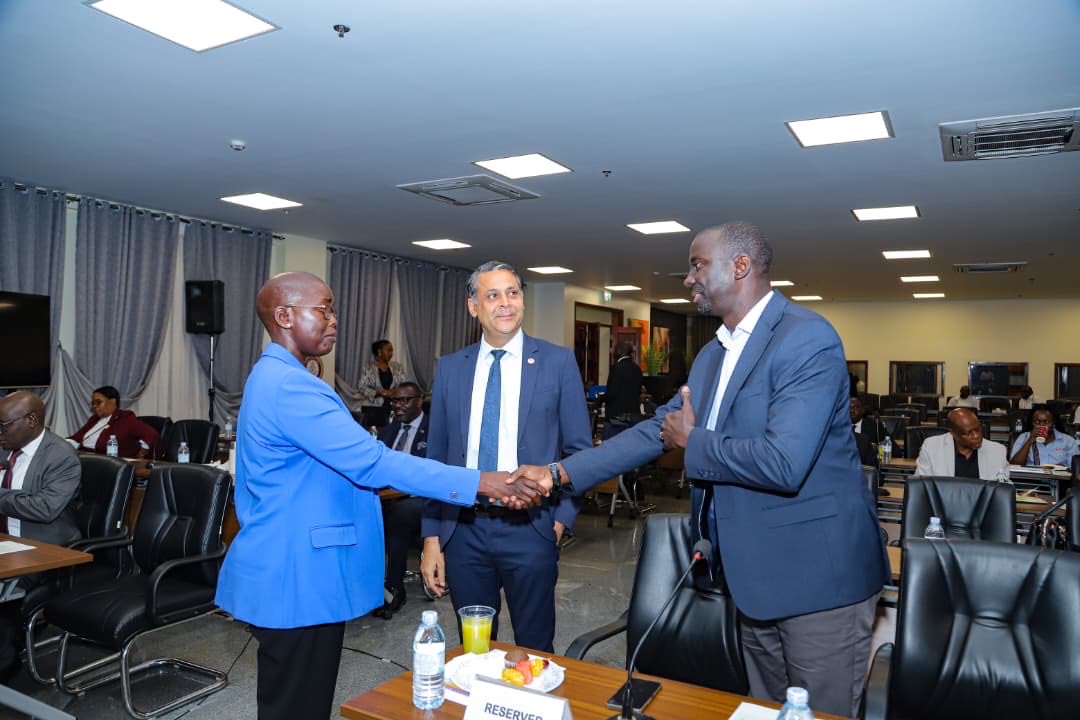
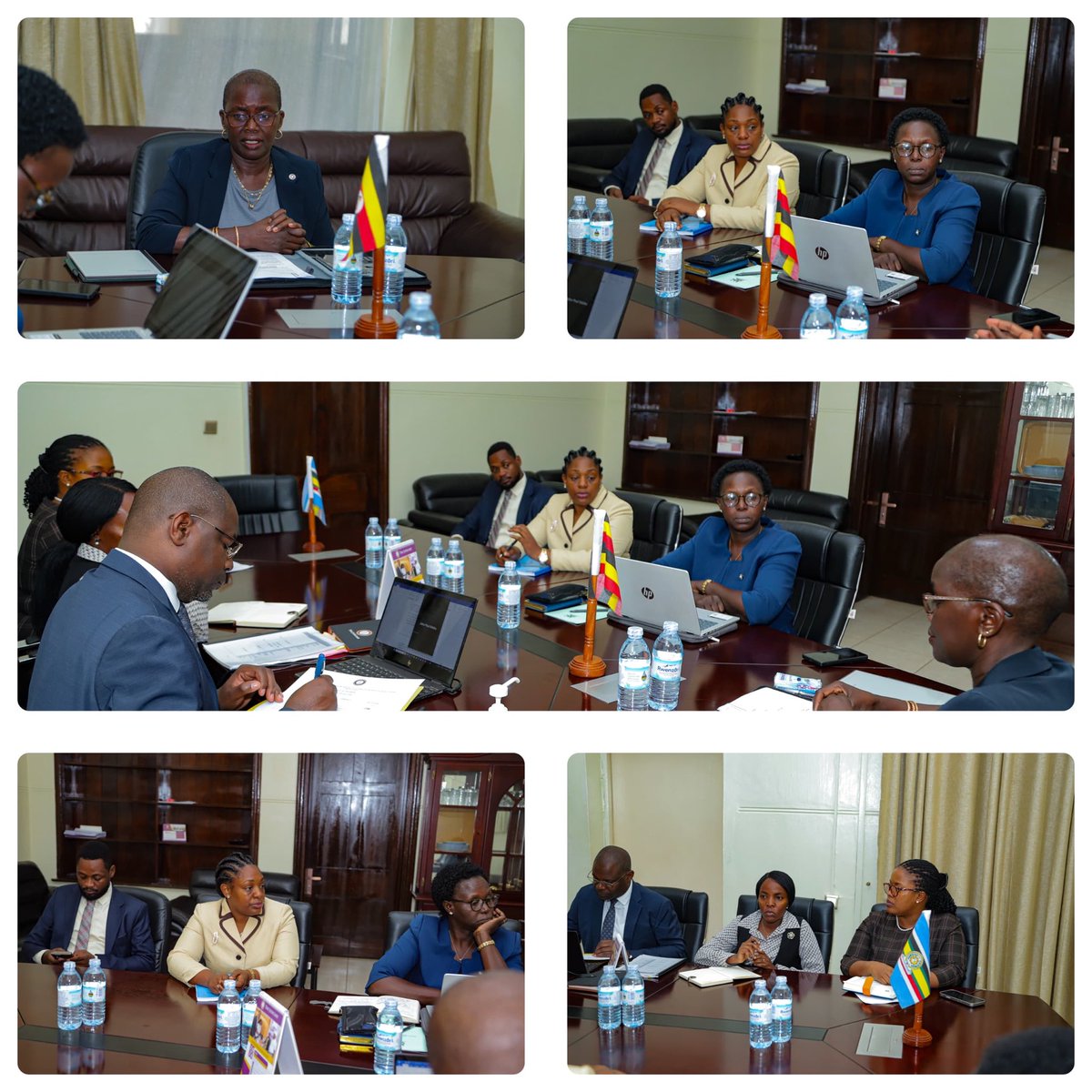
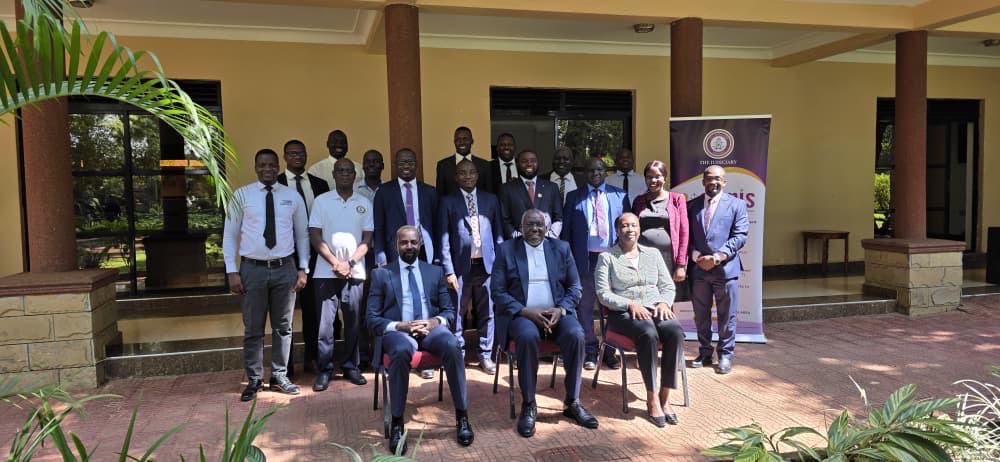
This Friday morning at the Supreme Court Conference Hall in Kampala, stakeholders attended a breakfast exit meeting for the High Court Commercial Division Post-Fortnight Mediation Settlement Sessions.
📸 Photos by Mpalanyi Ssentongo
#VisionUpdates
The Judiciary has continued expanding access to affordable and expeditious commercial justice with the rollout of the Small Claims Procedure (SCP) at Nakapiripirit and Mukuju Magistrates’ Courts, bringing the total number of courts implementing the programme to 236 nationwide.
The rollout was undertaken by the Small Claims Procedure Registry under the coordination of HW Mastula Mulondo, Assistant Registrar at the Commercial Division, with support from Her Worship Joanita Muwanika, Magistrate at the Law Development Centre (LDC) Court. The team also conducted stakeholder engagements and public sensitisation sessions to raise awareness of SCP and encourage members of the public to utilise the service.
The Small Claims Procedure provides a simple, affordable and expeditious mechanism for resolving commercial disputes involving claims of up to UGX 10 million. The Procedure is designed to enable individuals and small businesses to resolve monetary disputes quickly without the complexities and costs associated with ordinary civil litigation.
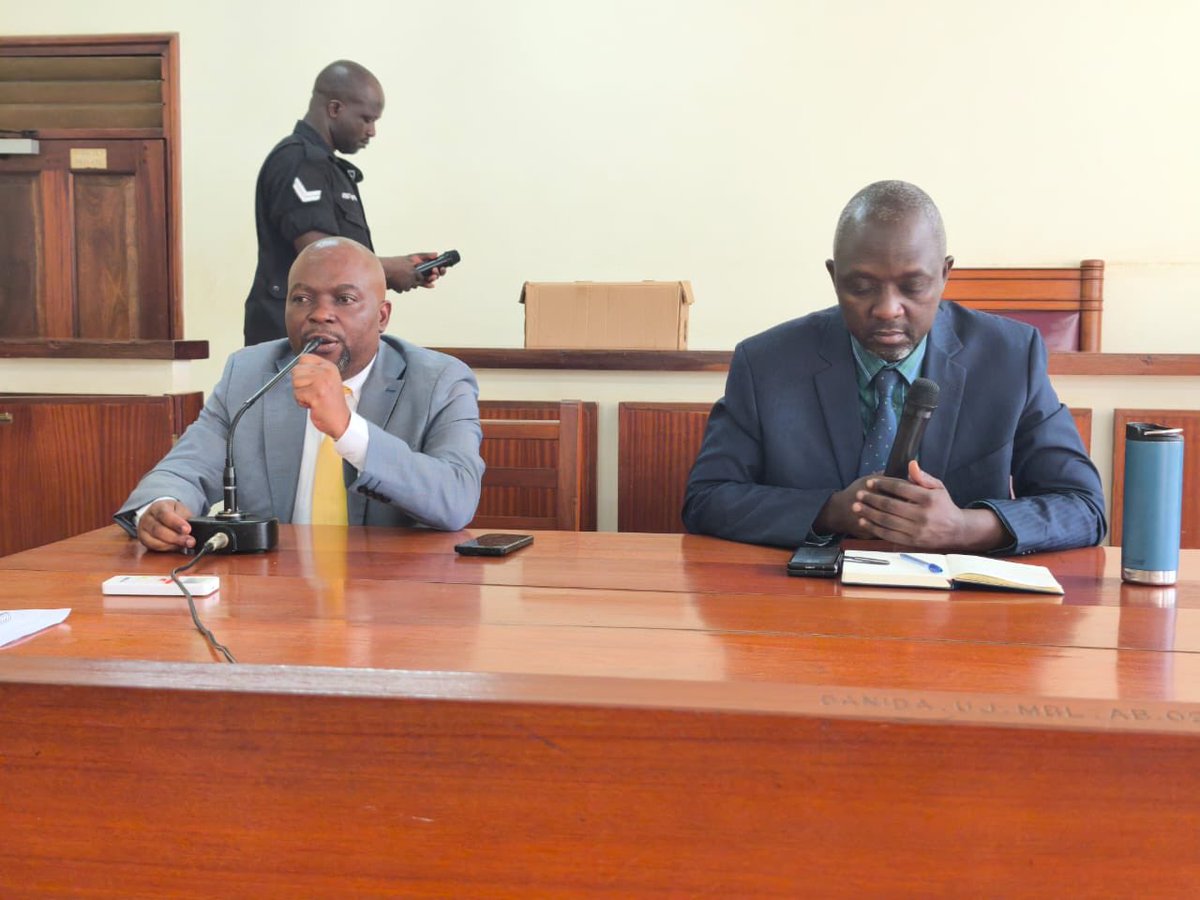
At Nakapiripirit Magistrates’ Court, the programme was officially launched by HW Mulondo together with the Officer in Charge of Station, HW Omara Joseph Sabiti.
Speaking during the launch, the Deputy Resident District Commissioner for Nakapiripirit, Ms Ajilong Bessie Modestor, commended the Judiciary for extending the service to the district, saying the initiative would enhance access to justice while helping to reduce commercial disputes within the community.
Drawing from her own experience with SCP, Ms Ajilong encouraged residents, particularly low-income earners, to embrace the programme as an efficient and accessible avenue for resolving low-value monetary disputes. She also urged the public to remain vigilant on matters of security, education, food security and health.
The District Chairperson, Mr Lokiru Lolim Simon Peter, welcomed the initiative and called upon residents to maintain peace during the forthcoming Local Council elections.
The outreach later proceeded to Mukuju Magistrates’ Court, where the launch was hosted by HW Elijah Iradikunda, Principal Magistrate. He thanked district leaders for their continued collaboration with the Judiciary and observed that the introduction of the Small Claims Procedure would improve efficiency by enabling eligible disputes to be resolved through the simplified process, thereby easing the court’s workload.
The Deputy Resident District Commissioner for Tororo, Ms Twaheel Mpalanyi, who officiated at the launch, applauded the Judiciary for taking justice services closer to the people. She encouraged the Judiciary to extend future sensitisation programmes to sub-counties to ensure more members of the public understand court processes and the benefits of the Small Claims Procedure.
She also pledged her office’s continued support towards the successful implementation of the programme in Mukuju.
Among those who attended the launch were HW David Wanda of Tororo Municipal Court and HW Akena Junior of Nagongera Magistrates’ Court.
The expansion to Nakapiripirit and Mukuju underscores the Judiciary’s continued commitment to bringing justice closer to the people. With 236 courts now implementing the Small Claims Procedure, the programme continues to strengthen access to affordable commercial justice while reducing the time and cost involved in resolving low-value claims.
The Small Claims Procedure Registry is expected to conclude its current outreach activities with its quarterly review meeting at the end of July 2026
Happening now: The Commercial Division of the High Court is holding an exit meeting to review the outcomes of the recently concluded Post-Mediation Settlement Fortnight, which focused on targeting banking, loans and credit cluster cases. This is part of the Judiciary's continued efforts to promote Alternative Dispute Resolution (ADR) and enhance access to commercial justice. The meeting was organised by the Alternative Dispute Resolution (ADR) Registry with support from the Judicial Training Institute (JTI).
The meeting is being chaired by the Principal Judge, Lady Justice Jane Frances Abodo.
The breakfast meeting has brought together Judges of the Commercial Division, Industrial Court, judicial officers of the lower bench, members of Senior Management, representatives from the Bank of Uganda, Chief Executive Officers of commercial banks, members of banks' legal departments, the Uganda Bankers Association, accredited mediators, advocates and other key justice sector stakeholders to assess the achievements, challenges and lessons arising from the mediation settlement fortnight.
Notably present is the Governor of the Bank of Uganda, Dr. Michael Atingi-Ego, Chairperson Governing Council JTI and Supreme Court Justice, Justice Mike Chibita, the Executive Director JTI, Justice Prof Andrew Khaukha, the Chief Registrar HW Agnes Alum, among others.
The exit meeting provides an opportunity for participants to review the progress made during the mediation exercise, highlight successful settlements, identify operational challenges and formulate recommendations for strengthening future mediation settlement programmes.
The meeting is being moderated by HW James Ereemye Jumire Mawanda, Public Relations Officer, Judiciary.
Follow the proceedings of the meeting on the link below;
https://t.co/9DAKtqbDQ4
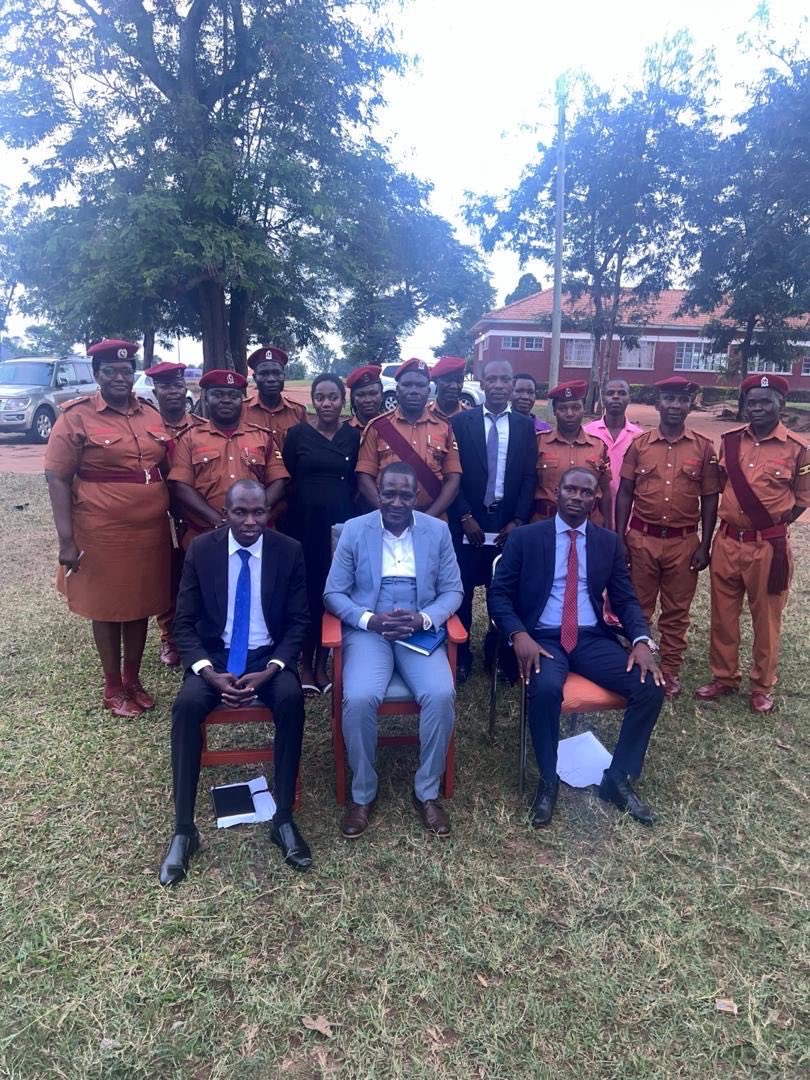
The Dokolo Chief Magistrate’s Court yesterday conducted a legal sensitisation outreach at Koroto Prison to enhance inmates’ understanding of plea bargaining, community service, and other justice sector initiatives aimed at promoting access to justice and expediting the disposal of criminal cases.
The outreach was led by the Resident Magistrate, HW Vincent Muzeyi, and is part of the Judiciary’s continued efforts to improve legal awareness among inmates, reduce case backlog, decongest prisons, and promote people-centred justice.
The Magistrate was received by the Officer in Charge of Koroto Prison, Assistant Superintendent of Prisons (ASP) Sunday Atayo, who welcomed the initiative and reaffirmed the Uganda Prisons Service’s commitment to working closely with the Judiciary to facilitate timely disposal of cases, improve access to justice, and support the rehabilitation and reintegration of offenders.
HW Muzeyi commended the Uganda Prisons Service for its continued cooperation in the administration of justice, particularly for consistently producing inmates whenever required by court. He encouraged prison officers to uphold professionalism, integrity, and accountability in the execution of their duties, cautioning that corruption undermines public confidence in the justice system.
The Magistrate highlighted the Judiciary’s commitment to delivering fair, timely, and accessible justice. He reminded inmates that all Judiciary services are provided free of charge and assured them that Dokolo Chief Magistrate’s Court remains committed to handling their matters promptly and in accordance with the law.
The sensitisation focused on plea bargaining and the Community Service Programme, with participants taken through the eligibility criteria, procedures, and benefits of each initiative. HW Muzeyi emphasised that plea bargaining is entirely voluntary and enables eligible accused persons to resolve criminal matters more expeditiously, while community service provides suitable offenders with a rehabilitative, non-custodial alternative to imprisonment.
The Community Service Officer for Dokolo District, Ms Esther Egnorwot, also addressed the inmates, explaining the objectives of the Community Service Programme, placement procedures, and the responsibilities of offenders placed on community service. She encouraged eligible inmates to embrace the programme as an opportunity for rehabilitation, successful reintegration into society, and reduction of prison congestion.
The outreach provided inmates with an opportunity to better understand available legal remedies and the role of alternative sentencing mechanisms in promoting restorative justice and efficient case disposal.
The sensitisation is part of the Judiciary’s broader strategy to strengthen public legal awareness, enhance access to justice, reduce case backlog, and support the effective implementation of plea bargaining and community service as key criminal justice reforms.
Also in attendance were the Deputy Officer in Charge of Koroto Prison and Mr Arnold Aweri, Court Clerk at Dokolo Chief Magistrate’s Court
The Judicial Officers of Mayuge Chief Magistrate’s Court, led by the Chief Magistrate, HW John Paul Osauro, on Wednesday conducted a plea bargain and prison inspection visit to Imanyiro Government Prison, one of the five prison facilities that hold inmates under the Court’s jurisdiction.
The visit formed part of the Court’s efforts to promote access to justice, strengthen engagement with court users, and support the expeditious disposal of criminal cases through alternative case management mechanisms.
During the visit, the team inspected the conditions under which inmates are held and had interactive sessions with both inmates and prison officers to better understand the challenges affecting the administration of justice within the area.
The judicial officers sensitised inmates on key Judiciary innovations aimed at accelerating case disposal, including plea bargaining, community service, and mediation. They explained how these initiatives contribute to timely resolution of cases, decongestion of prisons, and reduction of case backlog, while ensuring that justice is administered fairly and efficiently.
The interactive session gave inmates an opportunity to raise concerns relating to bail requirements, prolonged remand, court procedures, appeals, and payment of fines. The judicial officers responded to the concerns, clarified the applicable legal processes, and encouraged inmates to exercise their legal rights within the justice system.
The team also engaged prison officials on institutional challenges affecting criminal justice administration. Among the issues discussed were the shortage of State Attorneys, inadequate prison accommodation, and limited transport for inmates attending court. Participants explored practical local interventions while underscoring the need for continued collaboration among justice sector institutions.
HW Osauro encouraged eligible inmates to take advantage of plea bargaining and the Community Service Programme where applicable, and reminded them of their constitutional right to apply for bail. He reaffirmed the Judiciary’s commitment to expediting criminal cases in order to reduce prolonged pre-trial detention and unnecessary delays in the administration of justice.
The Chief Magistrate further noted that regular prison outreach visits provide an important platform for bridging the gap between courts and inmates, enhancing public understanding of court processes, and strengthening confidence in the justice system.
The outreach was attended by HW Simon Peter Odongoi, Magistrate in Charge of Baitambogwe Magistrate’s Court; HW Methodius Mujambere Niyongira of Mayuge Chief Magistrate’s Court, who also oversees Kityerera and Kigandalo Magistrates’ Courts; Mr. Rogers Waiswa, State Attorney; Ms. Ann Nabwire, Community Service Officer; among other officials.
The team resolved to continue conducting similar visits to all prison facilities under the Mayuge Chief Magistrate’s Court jurisdiction as part of ongoing efforts to promote access to justice, sensitise inmates on available legal remedies, and strengthen collaboration with the Uganda Prisons Service
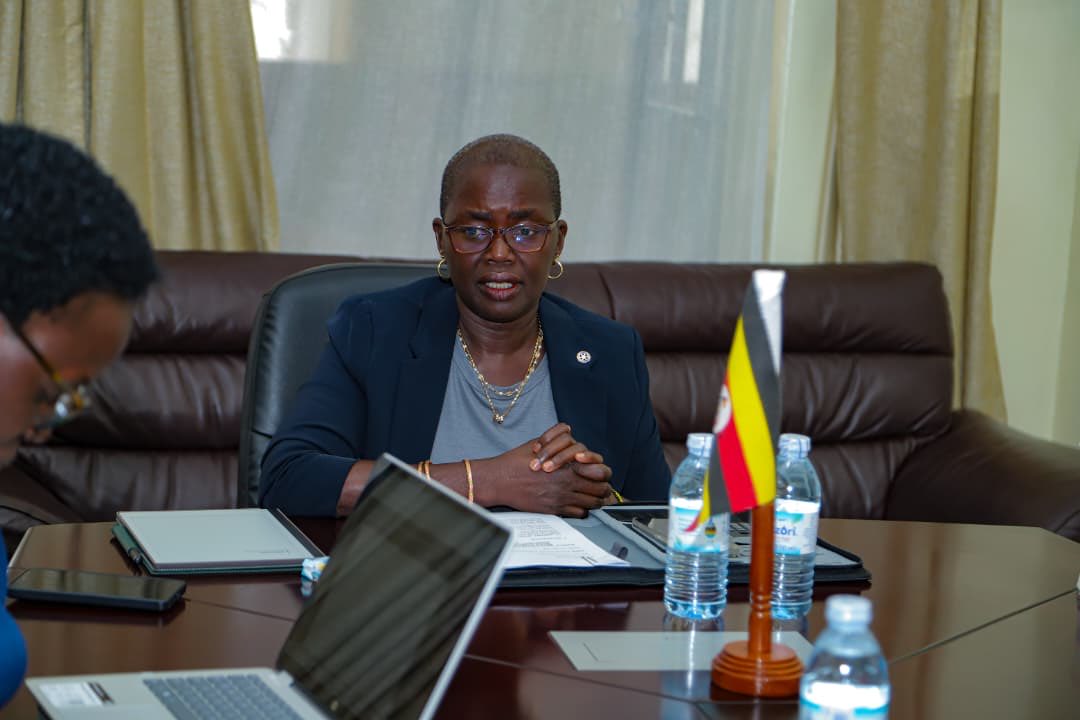
The Principal Judge, Lady Justice Jane Frances Abodo yesterday held a consultative meeting at the Judiciary headquarters to review the implementation of Statutory Instrument No. 94 of 2023, which operationalised the clustering of High Court Circuits across the country.
Opening the meeting, Lady Justice Abodo thanked participants for availing themselves for the important exercise and commended Lady Justice Sarah Langa Siu for providing the institutional memory behind the development and implementation of the Statutory Instrument during her tenure as Chief Registrar.
The Principal Judge explained that the meeting had brought together officers who were directly involved in developing the Instrument so that the review could benefit from their technical expertise and institutional knowledge. She emphasised that the exercise should be objective, evidence-based and guided by geographical realities and administrative practicability.
Lady Justice Abodo said the review had been prompted by concerns raised during her visits to various High Court circuits, where judicial officers and justice sector stakeholders reported that the current clustering had, in some instances, created geographical challenges that hinder rather than enhance access to justice.
She noted that the purpose of the Instrument was to improve access to justice and strengthen the efficient administration of the High Court. However, she observed that, like any policy or administrative framework, it must be reviewed where implementation highlights practical challenges.
The Principal Judge cited concerns raised in Rakai, where stakeholders questioned the placement of Lyantonde and neighbouring districts within the Rakai High Court Circuit despite their close proximity to Masaka. She also referred to similar proposals from the Lango and Karamoja sub-regions, where leaders have recommended that certain districts be reassigned to geographically closer circuits to reduce travel distances, improve accessibility and address security concerns.
Lady Justice Abodo informed participants that the Chief Justice had directed to revisit the existing High Court circuit arrangements and assess whether they are effectively serving their intended purpose. She added that the review would also consider proposed High Court circuits that are yet to be operationalised.
Discussions focused on factors such as access, distance and travel time for court users, infrastructure, existing and projected caseloads, population served, availability of judicial officers, historical, geographical and legal considerations to ensure the efficient administration of justice.
In attendance; Lady Justice Sarah Langa Siu (virtually), the Chief Registrar HW Agnes Alum; the Registrar, High Court, HW Prossy Katushabe; Registrar, Planning and Development, HW John Paul Edoku; Deputy Registrar and Private Legal Secretary to the Chief Registrar, HW Patricia Amoko. Others included; Personal Assistant to the Principal Judge HW Edgar Nyakairu; and Ms Ruth Ashaba, Senior Communications Officer
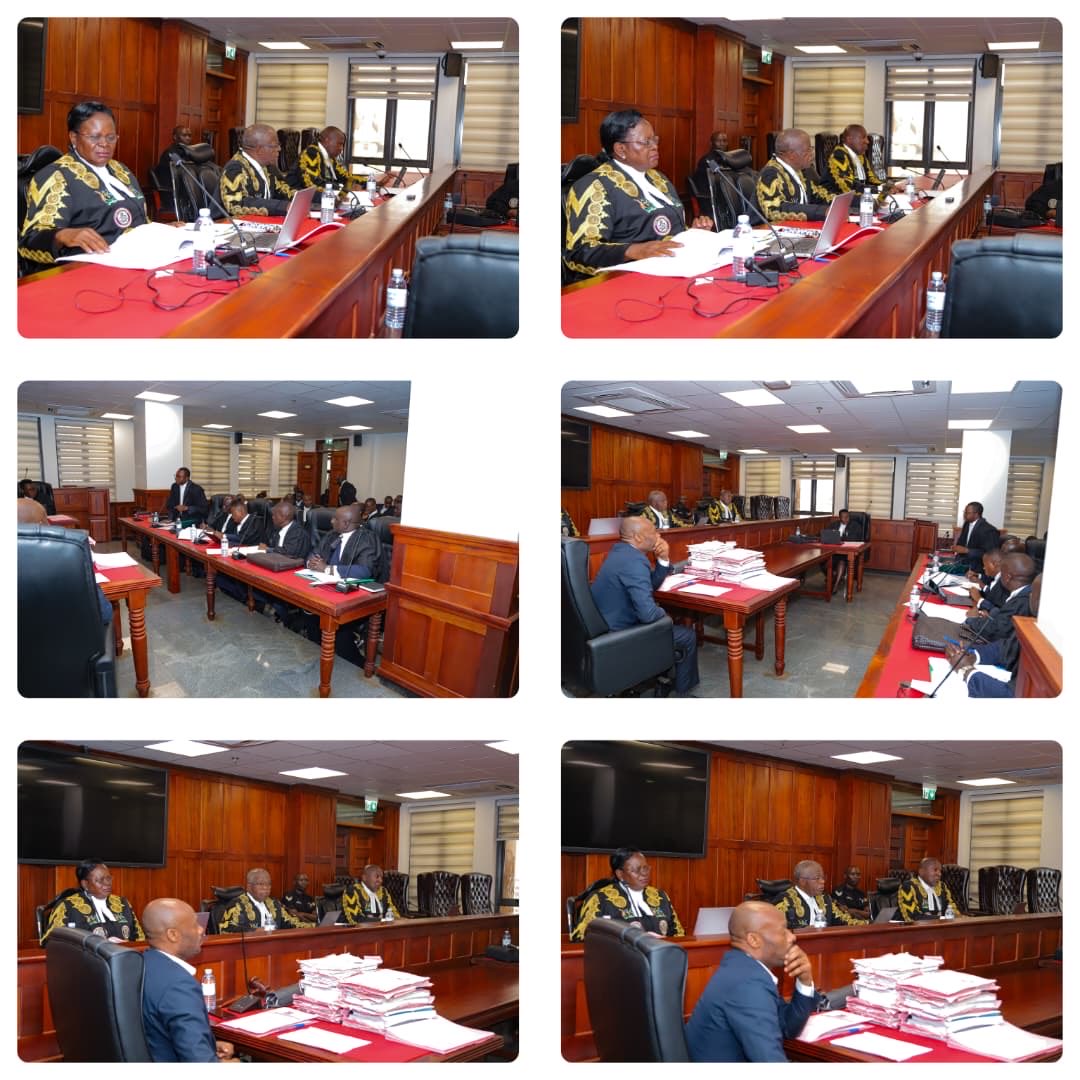
The Court of Appeal sitting in Kampala is scheduled to hold a three-day Civil Appeals Session during which a total of 34 Civil Matters will be heard.
The session will run from Tuesday, 28th July 2026, to Thursday, 30th, July 2026.
The session will be presided over by a panel of three Justices comprising Lady Justice Irene Mulyagonja, Justice Mike Musisi, and Lady Justice Esta Nambayo.
According to the cause list signed by HW Natukunda Janeva (Deputy Registrar, Court of Appeal), matters set for hearing cover a wide range of civil disputes, including land, claims for damages, divorce, breach of contract, compensation, unlawful publication of news, taxation, and defamation among others.
The Court will also hear an election petition appeal in Luyimbazi Elias Nalukoola v. Nambi Farida, in which the appellant, Elias Luyimbazi Nalukoola, challenges a High Court decision nullifying his election as Member of Parliament for Kawempe North in the 2025 Kawempe North parliamentary by-elections.
The session is part of the Court's efforts to expedite the disposal of pending cases, reduce case backlog, and enhance access to justice
The High Court at Rukungiri today held its Fourth Quarter Regional Coordination Committee (RCC) meeting, bringing together justice sector stakeholders to review developments affecting the administration of justice within the Circuit. The meeting was to assess performance, address operational challenges, and strengthen inter-agency collaboration aimed at improving service delivery.
At the commencement of the meeting, the Assistant Registrar, HW Hellen Atigo, informed members that the Resident Judge and Chairperson of the Committee, Lady Justice Susan Kanyange, was indisposed and had directed that the meeting proceed under her guidance.
Delivering the Resident Judge’s remarks, HW Atigo conveyed Lady Justice Kanyange’s call for justice sector institutions to embrace Alternative Dispute Resolution (ADR) as an effective mechanism for promoting the timely, cost-effective, and amicable resolution of disputes. The Resident Judge emphasized that greater use of mediation and other ADR processes would not only enhance access to justice but also contribute significantly to reducing case backlog while preserving relationships between disputing parties. She encouraged judicial officers and all justice sector actors to intensify public sensitisation on the benefits of ADR and support its wider utilisation across the region.
The Committee also reviewed the recently concluded criminal sessions, which were reported to have been successfully conducted, resulting in the disposal of a significant number of criminal cases. Members commended judicial officers, prosecutors, defence counsel, court staff, the Uganda Prisons Service, the Uganda Police Force, and other justice sector stakeholders whose coordinated efforts contributed to the successful conclusion of the sessions and the continued reduction of case backlog.
Despite this progress, the Committee noted the continued existence of pending criminal appeals and discussed practical measures to expedite their hearing and determination. Members emphasised the importance of timely preparation of records of appeal, improved case management, and enhanced coordination among justice sector institutions to ensure appeals are concluded within a reasonable time and litigants receive timely justice.
The meeting further considered the implementation of the Magistrates Courts (Amendment) Act, particularly the transfer of eligible case files from the High Court to Magistrates’ Courts in line with the expanded jurisdiction conferred by the legislation. Members observed that the transfer of appropriate matters would improve efficiency in case management, enhance access to justice, and enable the High Court to focus on matters falling within its exclusive jurisdiction. Court stations were encouraged to undertake the transfer process promptly and in accordance with the applicable legal and procedural requirements.
The Committee also expressed concern over the increasing number of disputes arising from money lending transactions. Members observed that many of the disputes stem from inadequate documentation, limited public awareness of lawful lending practices, and failure to comply with legal procedures in enforcing securities. It was resolved that financial institutions, licensed money lenders, borrowers, and the general public should be sensitised on responsible lending practices, proper documentation of financial agreements, and the legal safeguards available to protect the rights of all parties.
Security remained a key agenda item during the meeting. Members reviewed the prevailing security situation affecting justice sector operations. They reaffirmed the importance of sustained collaboration between the Court, security agencies, local government, and other stakeholders to ensure that court proceedings continue to be conducted in a safe, secure, and orderly environment.
In concluding the meeting, members emphasized their collective commitment to strengthening coordination
The Alternative Dispute Resolution (ADR) Registry has successfully concluded a two-day regional activation across Eastern Uganda, engaging more than 70 court-accredited mediators, judicial officers and justice sector stakeholders in a renewed drive to strengthen court-annexed mediation and expand access to justice.
The exercise, coordinated by the Registrar of the ADR Registry, HW Justine Atukwasa, with support from HW Godfrey Kaweesa, Deputy Registrar; Dr Daniel Lubowa, Assistant Registrar; and HW Daniel Bwambale, Senior Principal Magistrate. They covered the High Court Circuits of Mbale, Tororo, Iganga and Jinja. Conducted at the beginning of the 2026/27 Financial Year, the activation forms part of the Judiciary’s nationwide efforts to strengthen Alternative Dispute Resolution (ADR), improve mediation services and enhance the efficiency of justice delivery.
The engagements provided an opportunity for direct interaction between the ADR Registry and mediation practitioners, enabling participants to assess progress, identify operational challenges and agree on practical interventions for improving mediation across the country. The exercise also supported the ongoing verification and digitisation of the National Roll of Court-Accredited Mediators while sensitising participants on recent policy and procedural reforms.
The regional activation commenced at the Mbale High Court, where the ADR Registry met with 20 court-accredited mediators under the leadership of the Focal Judge for the ADR Registry, Justice Prof. Andrew Khaukha. Discussions focused on strengthening mediation practice, enhancing institutional support and increasing public confidence in court-annexed mediation.
During the meeting, Deputy Chief Justice Emeritus Richard Buteera called for greater clarity on the allocation of mediators, particularly regarding the extent to which litigants should choose their preferred mediator. He observed that unrestricted choice could limit opportunities for newly accredited mediators to gain practical experience.
Responding to the concerns, Justice Prof. Khaukha reaffirmed that mediation should remain voluntary, explaining that compelling parties to mediate would undermine the fundamental principles upon which the process is founded. He emphasised that judicial officers should instead ensure litigants understand the mediation process and its benefits before making informed decisions. Drawing on the experience of the Commercial Division, he noted that active judicial encouragement of mediation had enabled the disposal of more than 120 cases within one and a half months, unlocking over UGX 4 billion back into the economy.
Participants also highlighted operational challenges affecting mediation, including inadequate office space, limited ICT and printing facilities and difficulties in capturing mediation data. They appealed for improved logistical support and recommended that mediators’ efforts be documented even where mediation does not culminate in a settlement to facilitate performance tracking and accountability.
Justice Prof. Khaukha described mediators as “doctors of conflict management” and encouraged continuous professional development, particularly in emotional intelligence and psychological conflict management.
The activation proceeded to Tororo High Court, where the ADR Registry engaged 14 court-accredited mediators in discussions that reinforced the importance of voluntary mediation, enhanced operational support and closer collaboration between judicial officers and mediators to expand the use of court-annexed mediation.
The largest engagement was held at the Iganga High Court, bringing together judicial officers, court-accredited mediators, advocates and other justice sector stakeholders. Participants observed that mediation continues to gain acceptance in civil matters but identified inadequate office accommodation, limited logistical support and the need to increase the number of active accredited mediators
Private Legal Secretaries, Personal Assistants and staff of the Judiciary’s Communications and Public Relations Registry have undergone a professional development engagement aimed at strengthening their capacity to effectively support judicial leadership and enhance institutional communication.
The engagement, held at the Supreme Court Conference Hall under the theme, “Enhancing Professionalism, Protocol and Media Management for Leadership Excellence,” brought together officers who provide direct support to the Judiciary’s top leadership. The training focused on executive office management, protocol, strategic communication, media relations and professional conduct to improve coordination and service delivery across the institution.
Opening the engagement, the Chief Registrar, HW Agnes Alum, said the initiative was organised to strengthen the capacity of support officers who play a central role in enabling the Judiciary’s leadership to discharge its constitutional mandate effectively.
Reflecting on her experience since assuming office in May 2026, the Chief Registrar noted that the Office of the Chief Registrar carries extensive responsibilities, including supporting the Chief Justice, Deputy Chief Justice and Principal Judge while coordinating court operations throughout the country. She observed that these responsibilities require highly professional, well-coordinated and competent support teams committed to continuous learning.
She further shared that her office is revitalising weekly leadership updates to improve internal coordination and keep staff and external stakeholders informed about key institutional engagements.
Highlighting the Judiciary’s transformation agenda, the Chief Registrar said Strategic Plan VI places significant emphasis on institutional branding, the development of a comprehensive communication strategy and effective message packaging to strengthen public confidence in the administration of justice.
She challenged participants to continually assess their professionalism by reflecting on how they manage their responsibilities, observe protocol, present themselves and communicate the Judiciary’s achievements while responding effectively to crises.
“As members of the support structures serving the Judiciary’s top leadership, you form the foundation upon which effective institutional leadership depends,” she said, urging participants to pursue excellence, teamwork and continuous professional development.
Delivering the keynote presentation, the Head of the Wakiso High Court Circuit, Lady Justice Sarah Langa Siu, challenged participants to appreciate the significance of their assignments, describing support officers as indispensable partners in the effective functioning of judicial leadership.
In her presentation, titled “Supporting Judicial Leadership: Practical Lessons for Supporting Officers,” Justice Langa took participants through the Judiciary’s organisational structure, reporting lines and institutional framework, encouraging them to fully understand the Judiciary’s constitutional mandate, Vision, Mission, Core Values, strategic plans, policies and operational systems.
She urged support officers to understand not only the institution they serve but also the working styles, values, priorities and expectations of the judicial leaders they support. The Judge noted that effective service requires both technical competence and emotional intelligence.
Justice Langa emphasised that many of the most important responsibilities performed by support officers are unwritten. She described them as gatekeepers who manage access to leaders, crisis managers who maintain stability during unforeseen situations, confidantes entrusted with sensitive information, relationship builders who foster productive stakeholder engagement, and custodians of institutional memory who preserve continuity within the Judiciary
The second day of the Electronic Court Case Management Information System (ECCMIS) training for judicial officers under the Gulu High Court Circuit continued today at Acholi Inn Hotel as preparations intensify for the system’s Go-Live scheduled for 3rd August 2026.
The training focused on the criminal case management process within ECCMIS, enabling judicial officers to gain practical knowledge of handling criminal proceedings through the digital platform.
A key highlight of the day’s programme was a live demonstration by Justice Ocaya Thomas, who guided participants through the role of a Judge in preparing, delivering and managing judgments using ECCMIS. The practical session demonstrated how judicial officers can efficiently draft, issue and electronically manage judgments within the system.
The week-long training will continue with sessions for non-judicial staff and external justice sector stakeholders
A team from the Uganda Christian Lawyers’ Fraternity (UCLF) today paid a courtesy call on the Deputy Chief Justice, Justice Moses Kazibwe Kawumi, at the Court of Appeal in Kampala to update him on the fraternity’s programmes and explore opportunities for collaboration in advancing access to justice.
The delegation was led by Mr Arthur Ayorekire, Vice President of UCLF, and comprised Dr Barbara Kitui, Secretary General; Mr Albert Collins Kyeyune, Treasurer; Mr Martin Sabiiti Rwabihurwa, Chief Executive Officer; Ms Winnie Walakira; and HW Olupot Pascal. Also present was HW Mwanja Brian, Personal Assistant to the Deputy Chief Justice and a member of the Fraternity.
The meeting focused on strengthening engagement between UCLF and the Judiciary while highlighting the fraternity’s initiatives aimed at promoting justice, community service and professional development within the legal fraternity.
Briefing the Deputy Chief Justice, the team outlined UCLF’s ongoing programmes, including its efforts to promote Alternative Dispute Resolution (ADR) as an effective mechanism for enhancing access to justice and resolving disputes in a timely and cost-effective manner.
The members proposed closer collaboration between the Judiciary and scholars such as historians and anthropologists to document African customary practices. They noted that such documentation would preserve indigenous legal traditions while providing judicial officers with reliable reference material when determining matters involving customary law.
The delegation also discussed the challenges of harmonising customary justice systems with the formal justice system, particularly in criminal matters, and underscored the need for continued dialogue, research and policy development in this area.
The Deputy Chief Justice was further briefed on UCLF’s mentorship programme, through which the fraternity partners with universities to mentor law students, provide counselling and spiritual support, and introduce them to professional fellowship early in their legal careers. Members also highlighted the fraternity’s community outreach activities, including ongoing outreach programmes in Kasokoso aimed at supporting vulnerable communities.
They also updated Justice Kazibwe on the Justice House Project, an initiative intended to establish a permanent home for the fraternity and strengthen its long-term sustainability. The UCLF team further noted that Fraternity has continued to expand its footprint through the establishment of regional branches, including in Kasese and Gulu.
The Deputy Chief Justice welcomed the delegation and commended UCLF for its continued contribution to promoting justice, professional ethics and community support.
He particularly applauded the fraternity for embracing Alternative Dispute Resolution and pledged to support efforts to increase the number of trained mediators within UCLF. He also expressed support for facilitating the fraternity’s enrolment into the Alternative Justice System (AJS), observing that religious leaders have an important role to play in promoting reconciliation, mediation and peaceful dispute resolution within communities.
Justice Kazibwe further commended UCLF’s mentorship programme, noting that community-based mentorship has diminished over time despite its importance in shaping responsible citizens and professionals.
He emphasised that young people should be guided and nurtured early in life, observing that mentorship contributes significantly to the development of values, integrity and ethical leadership.
The Deputy Chief Justice also welcomed the fraternity’s expansion into different regions of the country, saying it presents an opportunity to extend its impact to more communities. He encouraged UCLF to continue strengthening its visibility, programmes and outreach initiatives while developing a formal constitution to provide a clear framework for its governance, operations and future growth
Ongoing: The Court of Appeal sitting in Kampala has commenced a three-day Civil Appeals Session during which a total of 32 Civil Matters will be heard.
The session will run from Today, Tuesday 21st July 2026, to Thursday, 23rd July 2026.
It is being presided over by a panel of three Justices comprising Justice Christopher Gashirabake, Lady Justice Florence Nakachwa, and Justice Musa Ssekaana.
According to the cause list signed by HW Natukunda Janeva (Deputy Registrar Court of Appeal), matters being heard cover a wide range of Civil matters, including land, trespass, claims for damages, breach of contract, defamation, claim for retirement benefits and human rights violations, among others.
Appellants and their legal representatives are present in Court.
The session is part of the Court's ongoing efforts to expedite the disposal of pending cases, reduce case backlog, and enhance access to justice
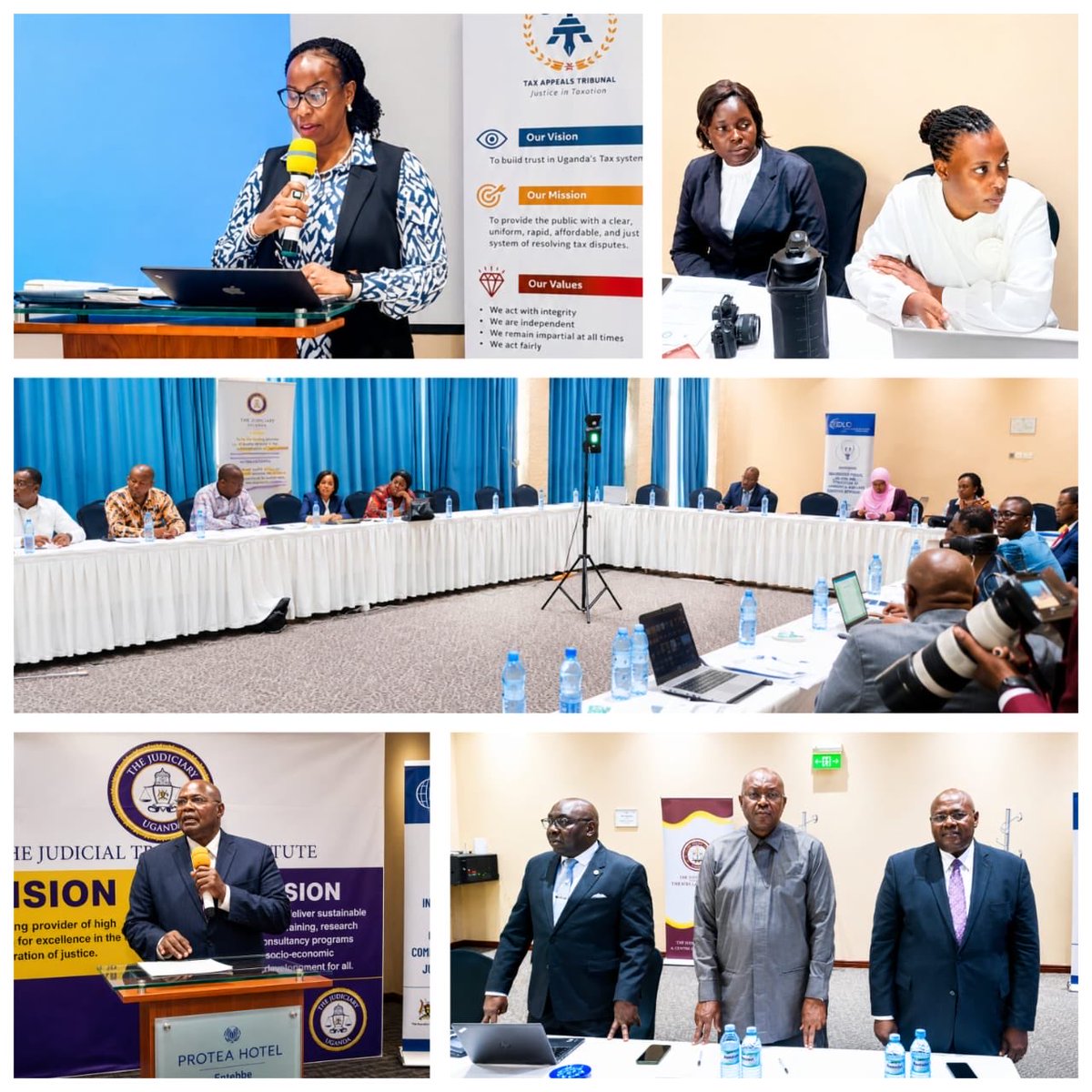
Ongoing: The Judicial Training Institute (JTI), in partnership with the International Development Law Organization (IDLO), has commenced a three-day capacity-building programme for Members, Mediators and Legal Officers of the Tax Appeals Tribunal (TAT) at Protea Hotel, Entebbe.
The training is part of a broader initiative to strengthen transparency, efficiency and access to tax justice in Uganda by enhancing the Tribunal's institutional capacity. It has brought together Tribunal Members, Registrars, Legal Officers, Mediators and other stakeholders for practical sessions on judgment writing, evaluation of evidence, mediation, negotiation, judicial ethics and dispute resolution.
While officially opening the training, Justice Mike Chibita, Chairperson of the JTI Governing Council, commended the Tax Appeals Tribunal for prioritising continuous professional development and institutional improvement. He also appreciated IDLO, led by Country Director Ms Barbara Kilei, for its continued partnership in strengthening access to justice and supporting institutional reforms.
Justice Chibita noted that the Administration of the Judiciary (Judicial Training Institute) Regulations, 2025 empower JTI to train judicial officers and other justice sector actors approved by the Executive Director. He encouraged the Tribunal to work closely with JTI in identifying priority areas for inclusion in the Institute's 2026/27 training calendar.
He emphasised that JTI has adopted a results-oriented approach to judicial education, describing training as a strategic investment in institutional performance rather than an event measured by attendance or certificates. According to him, every programme should address institutional challenges, strengthen professional competence and produce measurable improvements in the administration of justice.
Justice Chibita highlighted judgment writing, evaluation of evidence, mediation and judicial ethics as critical competencies for effective adjudication. He observed that clear, well-reasoned decisions enhance predictability, facilitate appellate review and strengthen public confidence, while mediation provides an efficient mechanism for resolving disputes, reducing litigation costs and preserving commercial relationships.
He further underscored the significance of the Judicature (Court-Annexed Mediation) Rules, 2026, noting that they reinforce mediation as an integral component of justice delivery through structured timelines, accredited mediators and enforceable settlement agreements.
He urged participants to actively engage with the facilitators and ensure that the knowledge acquired translates into improved service delivery through timely, well-reasoned decisions, increased uptake of mediation and more efficient disposal of tax disputes.
The Registrar of the Tax Appeals Tribunal, HW Solomon Wamai, said the programme reflects the Tribunal's commitment to strengthening the administration of tax justice through continuous learning and professional development.
He thanked JTI and IDLO for partnering with the Tribunal to conduct the training and noted that the sessions would enhance participants' competencies in judgment writing, legal reasoning, evaluation of evidence, mediation, negotiation and judicial ethics. He encouraged participants to actively contribute to discussions and share experiences to maximise the benefits of the programme.
The IDLO Country Director Ms Kilei described the training as the beginning of a new partnership between IDLO and the Tax Appeals Tribunal. She noted that the initiative seeks to strengthen public confidence in tax justice by improving the quality, clarity and timeliness of the Tribunal's decisions.
She observed that in the 2025/26 Financial Year, the Tribunal resolved 365 cases, unlocking approximately UGX 766 billion back into the economy, including 177 cases resolved through mediation worth about UGX 202.5 billion
Justice Kafuuzi Kwemara Gelase, Resident Judge of Mbarara High Court, has concluded a month-long criminal session conducted under the Iganga High Court Circuit at Mayuge Chief Magistrate’s Court, achieving an 86 percent case disposal rate.
The session, which was recently concluded, focused on Sexual and Gender-Based Violence (SGBV) cases alongside other serious offences, including murder, aggravated robbery and aggravated trafficking.
A total of 50 cases were cause-listed for hearing, with 43 cases successfully disposed of. The remaining seven cases were deferred to the next criminal session for hearing and determination.
At the conclusion of the session, Justice Kafuuzi formally handed over the session report to Mayuge Chief Magistrate, HW Osauro John Paul.
Justice Kafuuzi commended HW Osauro, Magistrate HW Methodius Niyongira, and Mr George Kirunda, who served as the Session Clerk, and the entire staff of Mayuge Chief Magistrate’s Court for their commitment and teamwork throughout the session.
He noted that the collective efforts of the judicial officers and court staff were instrumental in ensuring the efficient disposal of cases and the successful conduct of the criminal session
A week-long training on the Electronic Court Case Management Information System (ECCMIS) has commenced today at Acholi Inn Hotel in Gulu as the Judiciary intensifies preparations for the system’s rollout in the Gulu High Court Circuit on August 1.
The five-day training, running from 20th to 24th July, was formally flagged off today by Justice Thomas Ocaya and is bringing together judicial officers, non-judicial staff and key justice sector stakeholders to equip them with the knowledge and practical skills required to effectively operate the digital case management system.
The first two days of the training are dedicated to Judicial Officers drawn from Gulu High Court, Gulu Chief Magistrate’s Court, Nwoya Chief Magistrate’s Court, Amuru Chief Magistrate’s Court, Omoro Magistrate’s Court and Atiak Magistrate’s Court.
On Wednesday and Thursday, the training will shift focus to non-judicial staff serving in the same courts, while the final day, Friday, will bring together external stakeholders, including officers from the Office of the Director of Public Prosecutions (ODPP) and members of the legal profession, among others.
The training is designed to strengthen participants’ capacity to use ECCMIS in managing court processes electronically, ahead of the system’s operationalisation in the Gulu High Court Circuit.
The ECCMIS Project Manager and Principal Information Maintenance Officer, Mr Joseph Ssinabulya is leading members of the ECCMIS Technical Committee in this exercise.
The rollout of ECCMIS is part of the Judiciary’s broader digital transformation agenda aimed at improving efficiency, enhancing transparency, reducing reliance on paper-based processes, and expanding access to justice through technology
On the sidelines of the Joint Retreat for Appellate Courts Justices in Kalangala, the Deputy Chief Justice, Justice Moses Kazibwe Kawumi on Thursday evening led Appellate Justices on a visit to Kalangala Chief Magistrate’s Court.
The Justices were received by the Chief Magistrate, HW Glory Alleluya, who led the Justices on a guided tour of the court premises.
During the visit, the Deputy Chief Justice inspected key sections of the court, including the registry and chambers, to appreciate the court’s working environment and operational standards. He commended HW Glory Alleluya and the court staff for maintaining a clean, orderly and well-organised court. Justice Kawumi noted that a conducive working environment reflects professionalism and enhances efficient justice delivery.
The Chief Magistrate thanked the Deputy Chief Justice and the Justices for taking time out of their busy retreat programme to visit the Court. She said the visit had greatly motivated and energized the court staff, describing it as a strong vote of confidence in their work and a source of renewed commitment to maintaining high standards of service delivery and the efficient administration of justice.
The visit formed part of the Justices’ engagements during the retreat and provided an opportunity to appreciate the progress made at the island court while encouraging judicial officers to continue upholding excellence in the administration of justice
The Court of Appeal sitting in Kampala is scheduled to hold a three-day Civil Appeals Session during which a total of 32 Civil Matters are set to be heard.
The session will run from Tuesday, 21st July 2026, to Thursday, 23rd July 2026.
It will be presided over by a panel of three Justices: Justice Christopher Gashirabake, Lady Justice Florence Nakachwa, and Justice Musa Ssekaana.
According to the cause list signed by HW Natukunda Janeva (Deputy Registrar, Court of Appeal), matters set for hearing cover a wide range of civil matters, including land, trespass, claims for damages, breach of contract, defamation, claim for retirement benefits and human rights violations, among others.
The session forms part of the Court's ongoing efforts to expedite the disposal of pending cases, reduce case backlog, and enhance access to justice for litigants