Hi, @RANDCorporation policy researcher here. After years of lurking, I want to start tweeting. Follow me for evidence-based insights about health care access and quality, gender equity, and workforce development.
Oh, and random Microsoft tips on working smarter, not harder. 😊
Abortion care in Virginia is legal and, compared with many surrounding states, accessible.
But for those who are pregnant and under 18, it can be a different story.
RAND's @Julia_Rollison explains: https://t.co/9UjhQLorSC
#Abortion care providers in North Carolina report frustration, anxiety and burnout with rules mandated under state’s new abortion law. @Julia_Rollison https://t.co/JR1qohSVDM
This analysis provides information about how North Carolina's new abortion rules are affecting providers, clinics, and people's access to abortion. https://t.co/0OBEaPt8p6
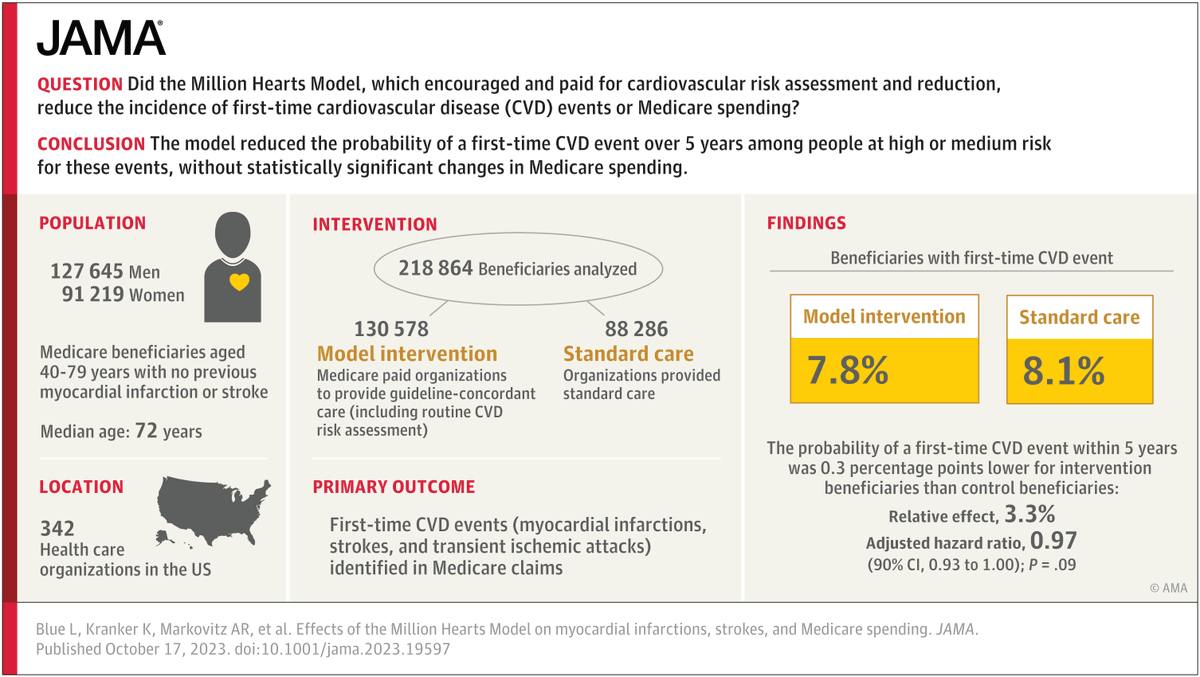
Proud and excited to see results from our evaluation published! Great collaboration with @MathematicaNow, @RANDCorporation, and other experts to inform approaches to reduce cardiovascular risk.
The commitment of health care organizations to cardiovascular risk assessment and follow-up, coupled with payments for risk assessment and reduction, reduced myocardial infarction and stroke rates. https://t.co/B7ZelRwsfJ
**New paper alert**
The terms "medical" abortion and "surgical" abortion drive me nuts!
So I begged @SocietyFP to let us write this statement on abortion nomenclature that urges people to use medication" abortion and "procedural" abortion instead.
https://t.co/rfQVkZId0L
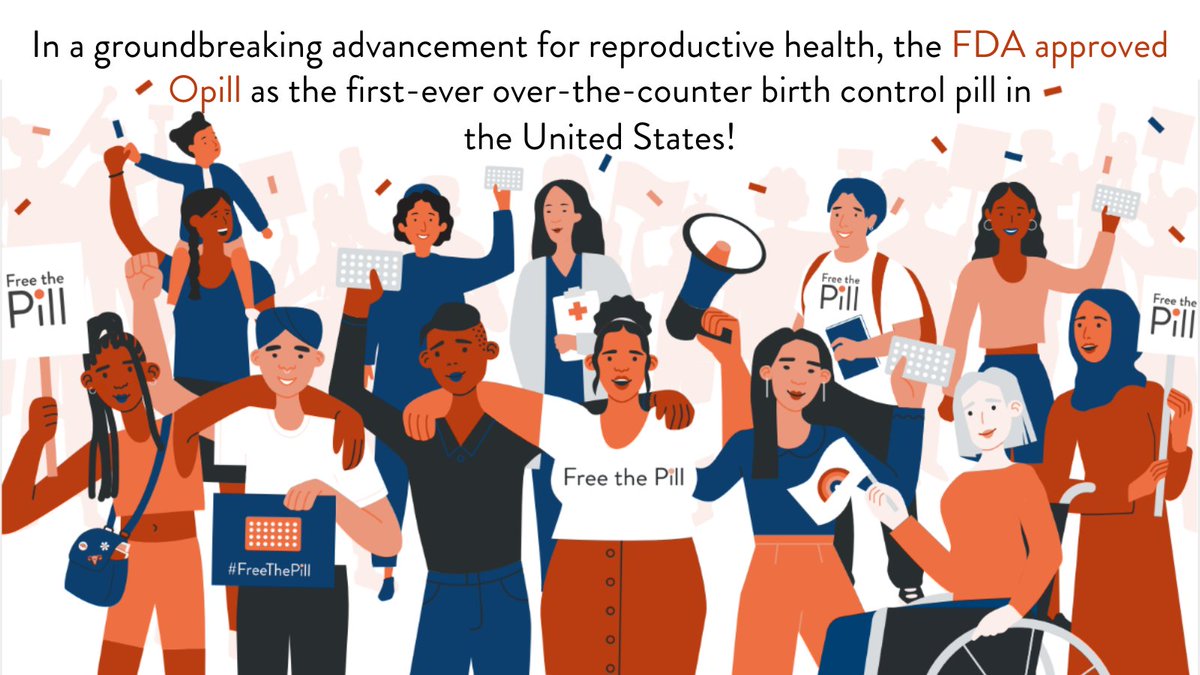
‼️ Breaking news‼️ We just made history: in a GROUNDBREAKING advancement for #repro health, the @US_FDA just approved Opill, the FIRST-EVER over-the-counter birth control pill. #FreeThePill
Median wealth:
🔸Black households: $24K
🔸White households: $189K
Our researchers found that there's no reason to think America's racial wealth gap will ever close without potentially trillions of dollars in investments in Black households. https://t.co/A2t18UIoVn
RAND researchers recently evaluated a New York City program that trained people to not look away from those experiencing mental illness, but to listen to them, reassure them, and encourage them to get help. https://t.co/5ZPeXqX4oU #MentalHealthAwarenessMonth
Make it easier for women who experienced military sexual assault to get the mental health care they need:
🔸Stress there’s no trauma threshold for seeking care
🔸Add more women providers
🔸Offer non-traditional appointment times
More in my commentary. https://t.co/7zPiBmbJA5
Any idea what hurdles women who experienced military sexual trauma face while trying to access safe and quality mental health care? My new commentary discusses them, and more importantly, ways to address them.
ICYMI: @AP new guidance -- use the term anti-abortion center, not “crisis pregnancy center” 👏.
We have encouraged calling these deceptive centers AACs for YEARS to increase transparency and reduce harm to people seeking abortion care.
https://t.co/2CfDq0vRhU
I need y'all to listen: The Nebraska Heartbeat Bill LB626 is dangerous & too few in the media are paying attention.
I am a double board certified OBGYN & Reproductive Endocrinology & Infertility specialist in Nebraska & LB626 will cost lives. Here's why:
Please read & boost
We also identified ways to improve future research:
• Include an explicit focus on sexual harassment
• Obtain larger, more diverse samples to examine subgroup differences (gender, race)
• Ensure findings are clear re: defining included experiences (severity, timing, setting)
Our team summarized evidence across the continuum of care following sexual assault and sexual harassment in the military. Our goal was to help inform ways to improve mental health care for service members: https://t.co/waCwOkRxeC
New research by RAND's @Julia_Rollison and colleagues finds that tailored policy changes are needed to better connect service members who have experienced sexual assault or sexual harassment to therapy. https://t.co/GY48CAFKjs
Our research identified hurdles that service members who experienced sexual assault and sexual harassment face when seeking treatment.
Unwelcoming care settings, distrust, career concerns, and getting time off work are just a few of them:
https://t.co/waCwOkQZp4
Military personnel who have experienced sexual assault or sexual harassment also often experience PTSD, depression, and/or substance use disorders.
Our new study examines the therapies used to treat these conditions—and the barriers to receiving care. https://t.co/boCQgE3vm6