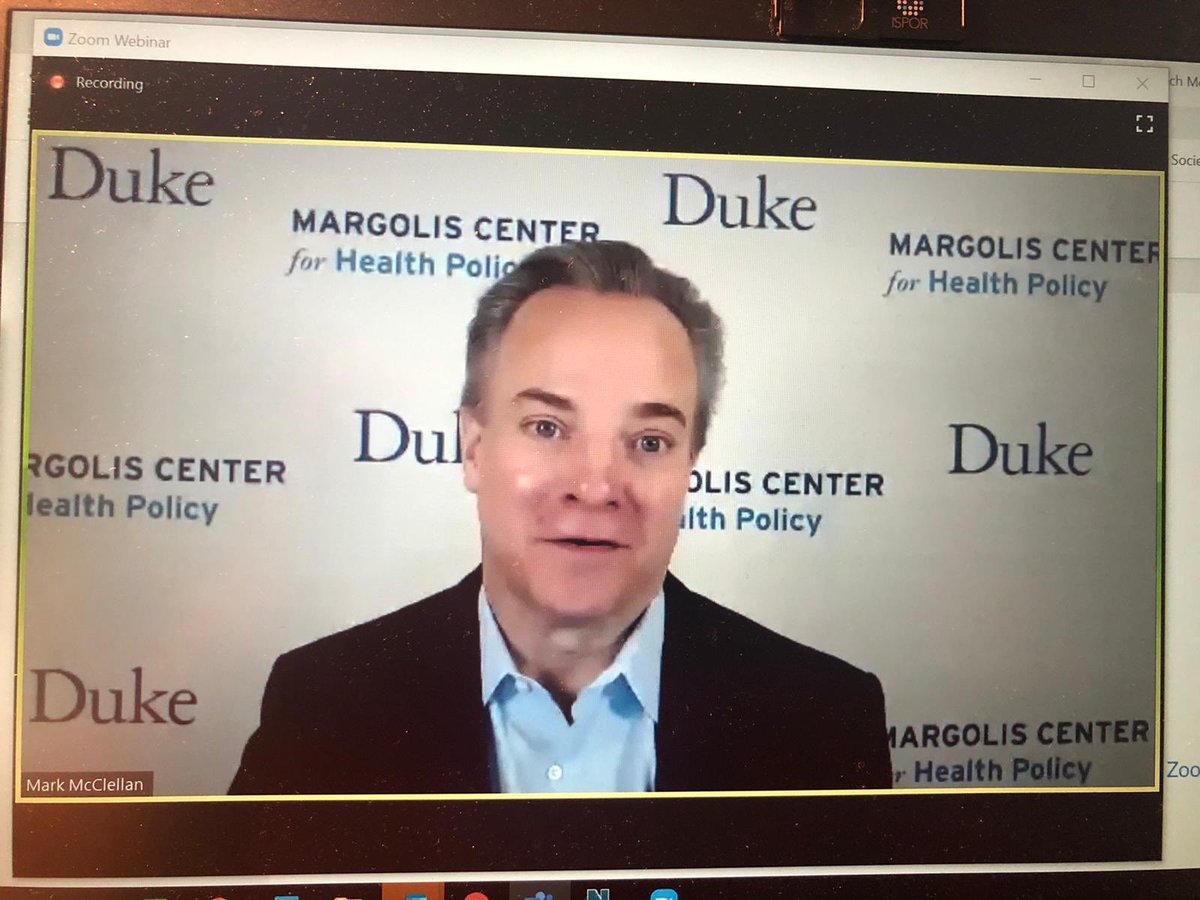
Mark McClellan @DukeMargolis discusses key components of #COVID19 response including non-medical interventions, diagnostic development, surge capacity, effective treatments, and economic and personal wellbeing. #ISPORAnnual
There have already been mental health tragedies as a result of the pandemic. The strain is particularly great on health-care workers https://t.co/vtsSsDEGek
Analysts are asking if the world will have to get used to permanently low prices not just for oil but for other commodities too https://t.co/QvI4FDETN3
Regeneron and Sanofi said they will shut down part of a study exploring whether their arthritis therapy could treat certain hospitalized Covid-19 patients because the drug looked unlikely to help them https://t.co/vX5s1Ye4v8
The longer the pandemic goes on, the greater danger people living with undiagnosed dementia pose to themselves, and perhaps others https://t.co/sA11jjmoR7
As pressure on Europe’s hospitals eases with the number of coronavirus patients in intensive-care units decreasing, badly hit countries now face decisions about what to do with the extra wards they scrambled to build https://t.co/cD1JgkUmim
China blasts Donald Trump’s move to temporarily halt funding to the World Health Organization and pledges to support the global health body https://t.co/VHf5yO53Sj
BREAKING: China's virus-hit economy shrinks for the first time in decades, with GDP contracting a record 6.8% on year in the first quarter https://t.co/1YvE1Gl9rH
A recent report by the National Alliance of Healthcare Purchaser Coalitions found that the lack of employer-relevant elements in value assessments could lead to gaps in addressing employer and plan sponsor needs. #HEOR | https://t.co/EvHpNaVAc6
NEW PUBLICATION: Integrating motherhood and employment: A 22-year analysis investigating impacts of US workplace breastfeeding policy | @surya_stine https://t.co/ghdFZQkvWz #healtheconomics