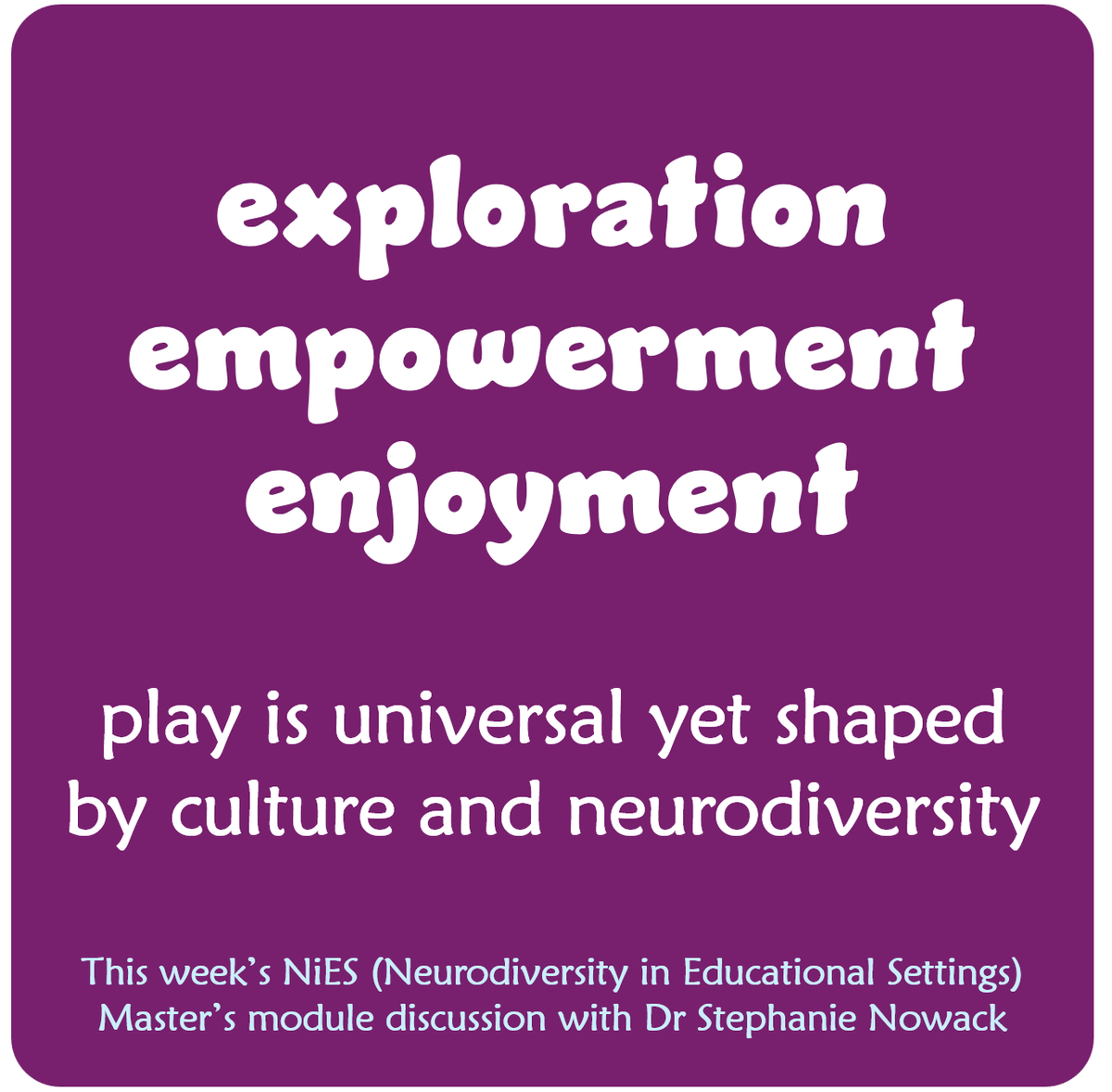
This week we welcomed @Steph_KaNo back to @CamEdFac to discuss global perspectives on neurodiversity. Stephanie shared her doctoral research project on autism and play in Sub-Saharan Africa, asking questions about perspectives and practice around playful teaching.
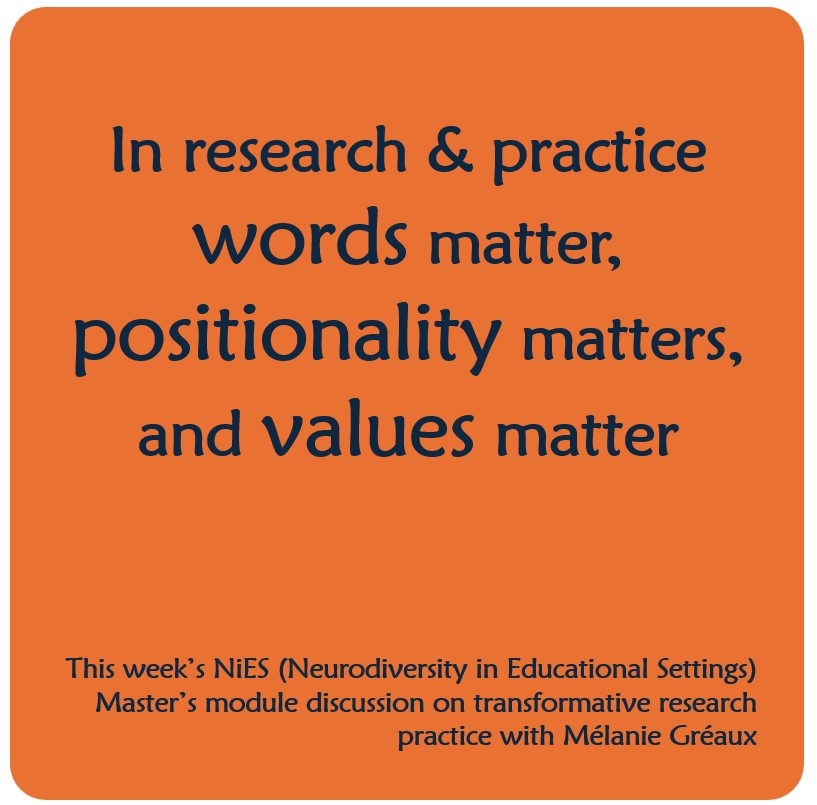
This week we welcomed @MelG_SLT back to @CamEdFac to discuss the role of transformative research in supporting change in professional practice. We considered fundamental questions around values, positionality, assumptions & social justice in neurodiversity research and practice.
It was a delight to welcome Eliza Fricker @_MissingTheMark to the NiES (Neurodiversity in Educational Settings) Master’s Module @CamEdFac@DrJennyG last week, discussing why authentic trust and genuine relationships must be at the heart of inclusion for #neurodivergentlearners
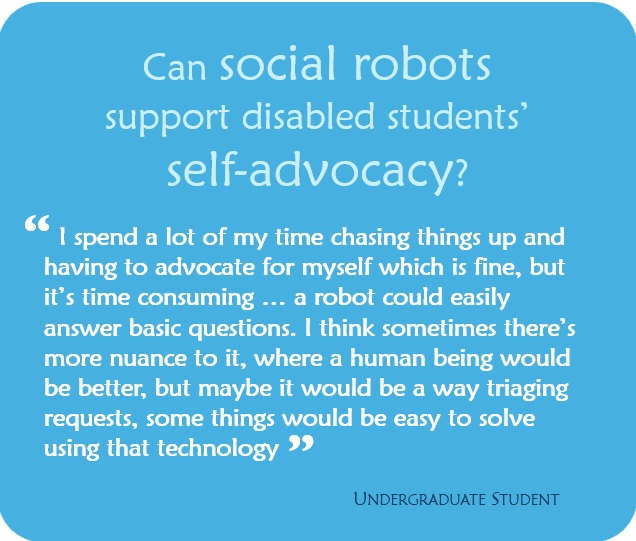
What does the future of HE student support look like? Are social robots the new face of assistive technology?
We're a long way off seeing robots around the campus, but there may be advantages - find out more in our Preprint https://t.co/CAcV93lhoo #AIinHE#NDinHE
@JulieBailey222 ...and social components of learning. Ask them about their engagement with specific instances of learning rather than learning in general. For example: 'were you focused or distracted in today's lecture?'
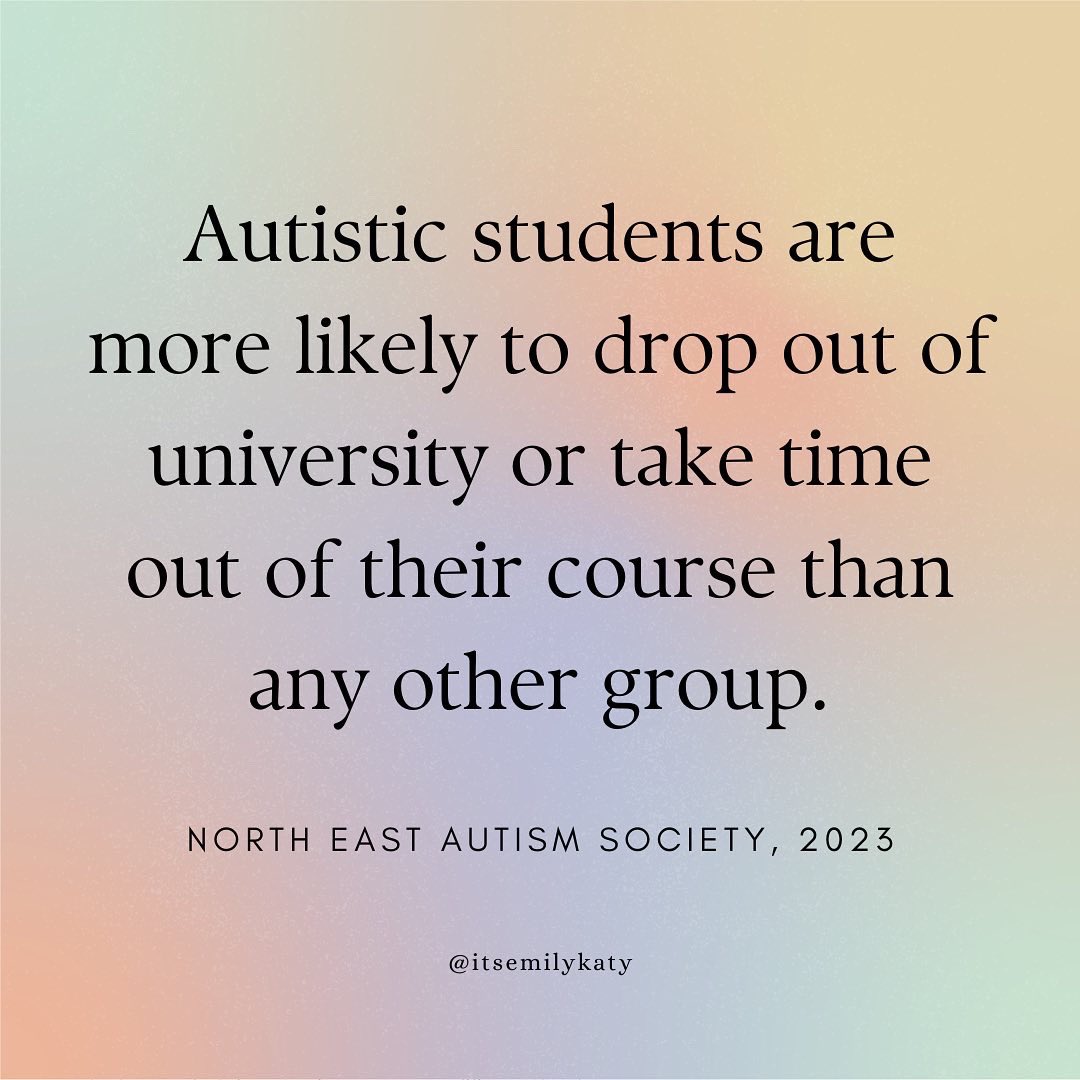
@JulieBailey222 Julie's research found that compared to NT students, ND learners are not OK: they're overwhelmed, frustrated, and distracted. She argues that we need to widen our standard provision so that ND students don't 'drop out' of it.
Happy to be at the Neurodiversity in Higher Education conference today #NDinHE. Thank you to @SedgewickF and @el_jenks for organising ! Looking forward to supporting @JulieBailey222 at her talk exploring overwhelm, distraction and frustration experienced by ND undergrads
If you're hoping to get your PhD organised over the summer, try this simple but comprehensive free downloadable planner 👇
Keeps track of ideas, tasks & even word count ✍️💻
https://t.co/bWeVS0xeTL
Special editions in *pink* & *dark* 🩷🖤🩷🖤😀 #neurodivergentlearning#adhd
Insights into autism diagnosis experience from @cliodhna_o_c@ARC_Cambridge
"we need to make it easier for people to navigate the ecosystems they are in now"
... now is a good time for universities to step up their #neurodiversityinclusion#universaldesign for the new uni year
It was a pleasure to make a small contribution to this important wellbeing research 👇
adolescents' voices are clear and strong contributions to the urgent conversations around wellbeing in this powerful new paper from @taniaclarke_ @CamEdFac
https://t.co/Nmn4GcTBgS
Delighted to have been part of this event 👇 exploring ways to create #inclusivespaces in HE - anticipatory approaches have never been more important as we prepare for the pandemic-impacted cohorts joining our universities in the coming years
So excited for @NeedhRachel - she has inspired my work by showing how mental wellbeing belongs at the heart of everything we do. Congratulations dear friend 💛👏
We are delighted to announce that Rachel Tranter, GEM Director, has been awarded an MBE in the first of the King’s Honours list for services to Museums, Heritage and the Arts 🎉
@NeedhRachel
📢 Big news!! 📢
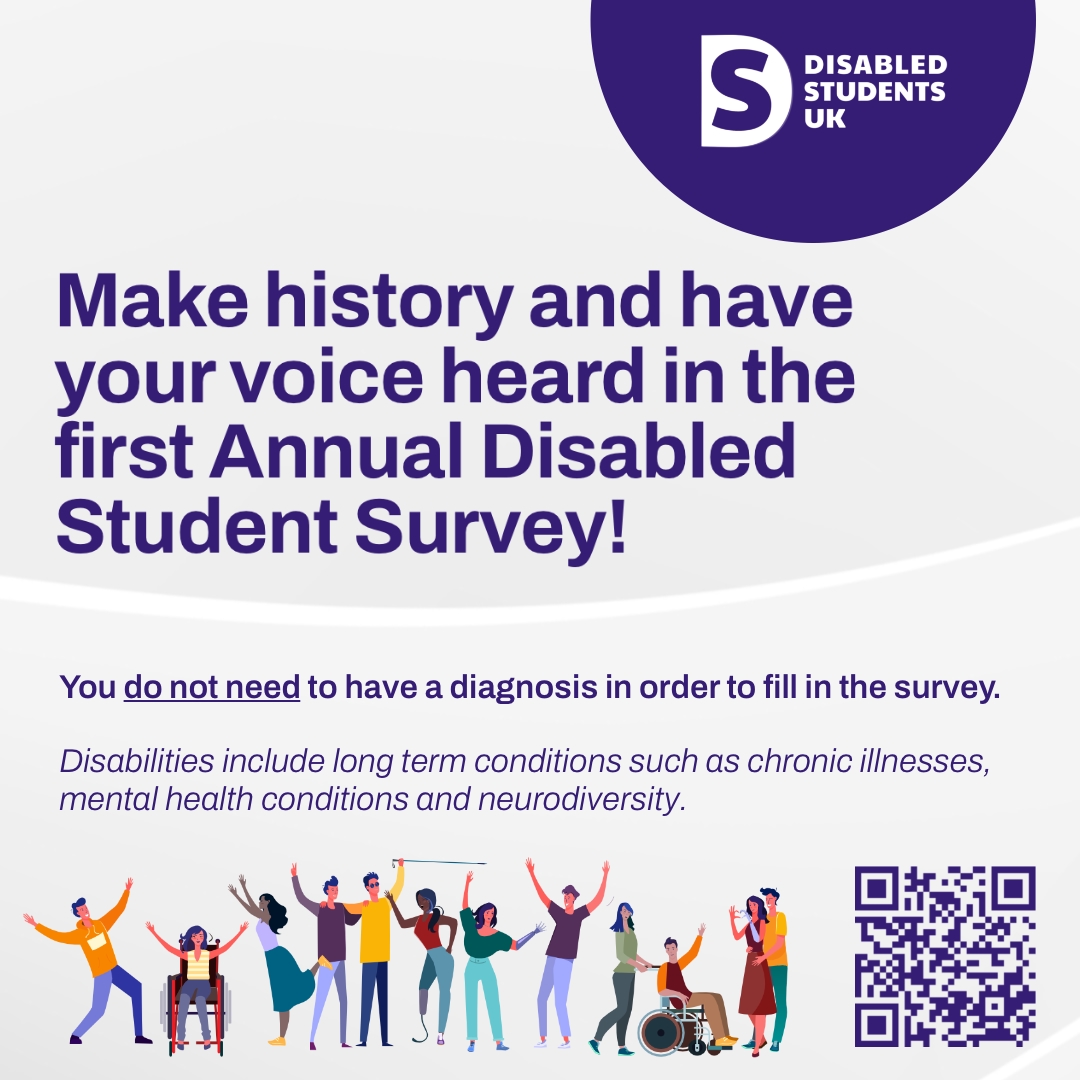
Make sure your voice is heard in the first ever Annual Disabled Student Survey. Designed by and for #disabledstudents, this survey aims to create a clear picture of accessibility in HE.
👉 https://t.co/9bnY2f8dXW
#Inclusion#Disability#Students
Looking for #parents who #homeschool#homeeducate their #autistic child (now or in the past) in the UK for a short online survey!
Help us find out about reasons and experiences!
Link to the information sheet and survey: https://t.co/9n8ixcXW44
"Calling all parents of neurodivergent young teens! Want to boost your child’s self-esteem and connect them with other neurodivergent young people? Uncommon's 3-part courses have got you covered. Sign up now at https://t.co/x2vvojm12G! #Neurodiversity#SelfEsteem#BeMoreUncommon"