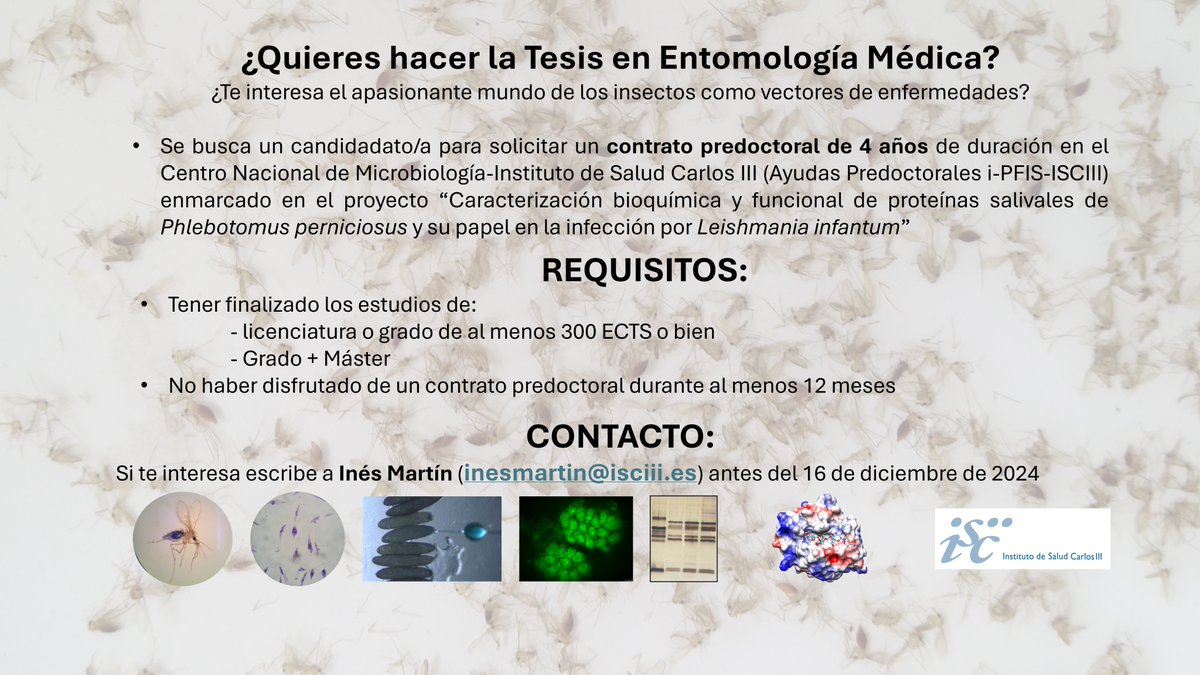
In search of a postdoc to work on new canine Chagas disease initiatives funded by NIH and DHS. Here in Texas, there are many naturally-infected dogs creating opportunities for research to improve veterinary and human health. Details: https://t.co/pDyWp29J4S @tamuvetmed
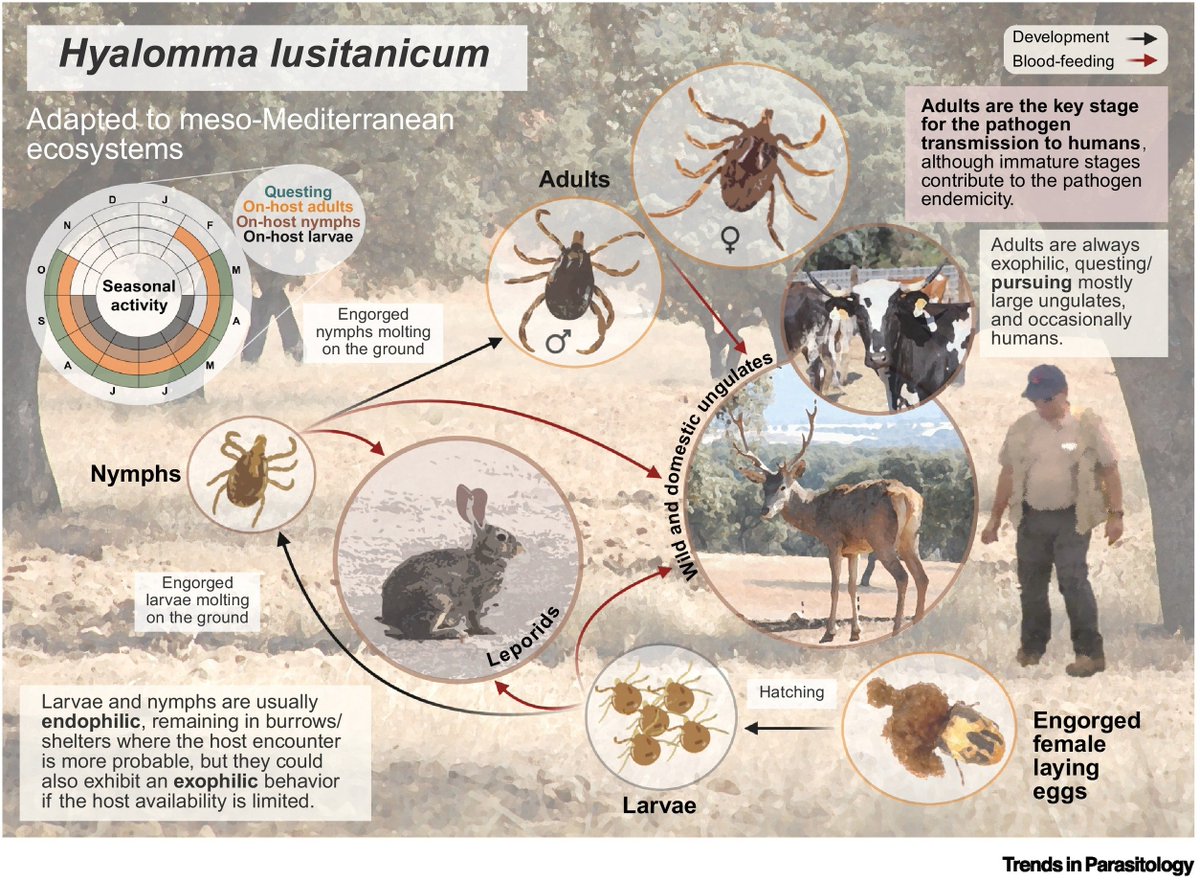
The paper describing our efforts to evaluate new antigens that can be used to control ticks in wildlife reservoirs is now out 😀
https://t.co/MgDQubch9s
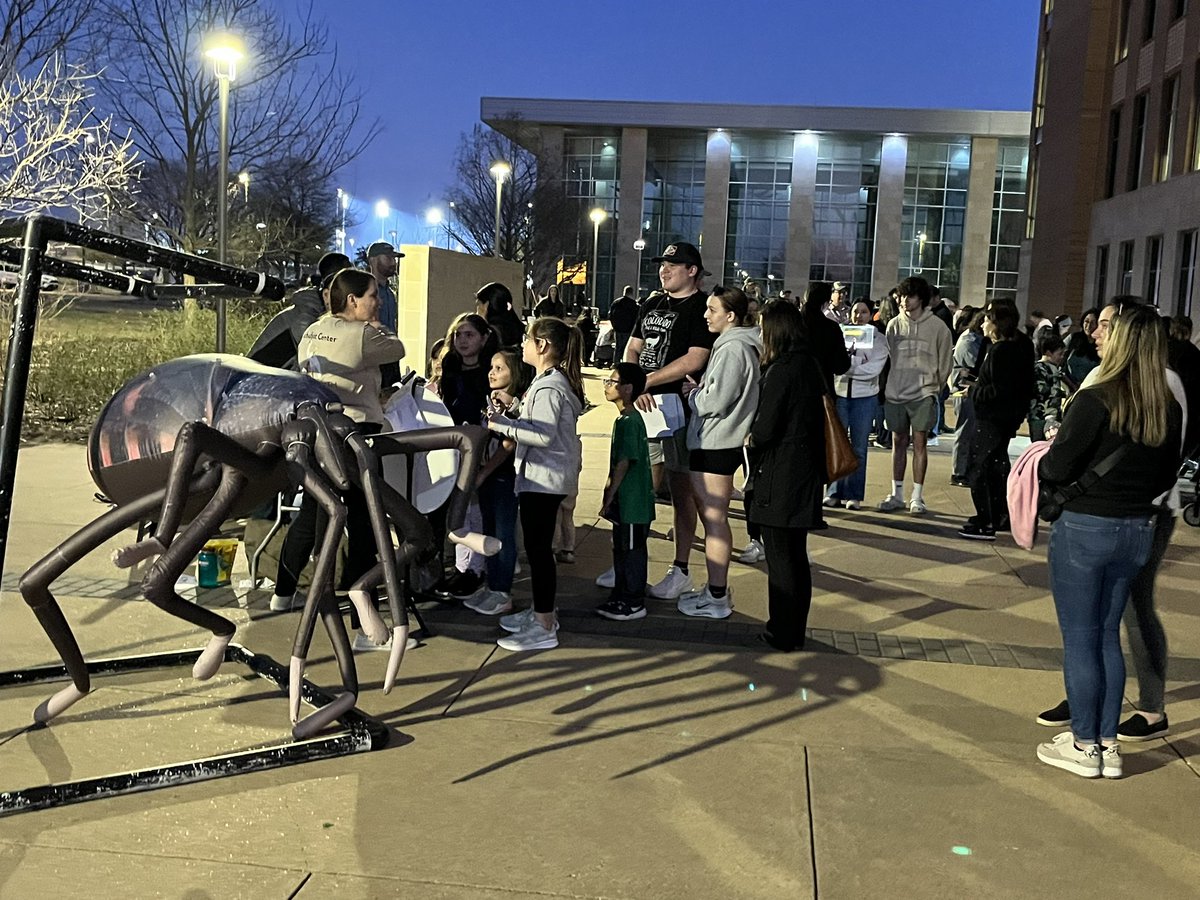
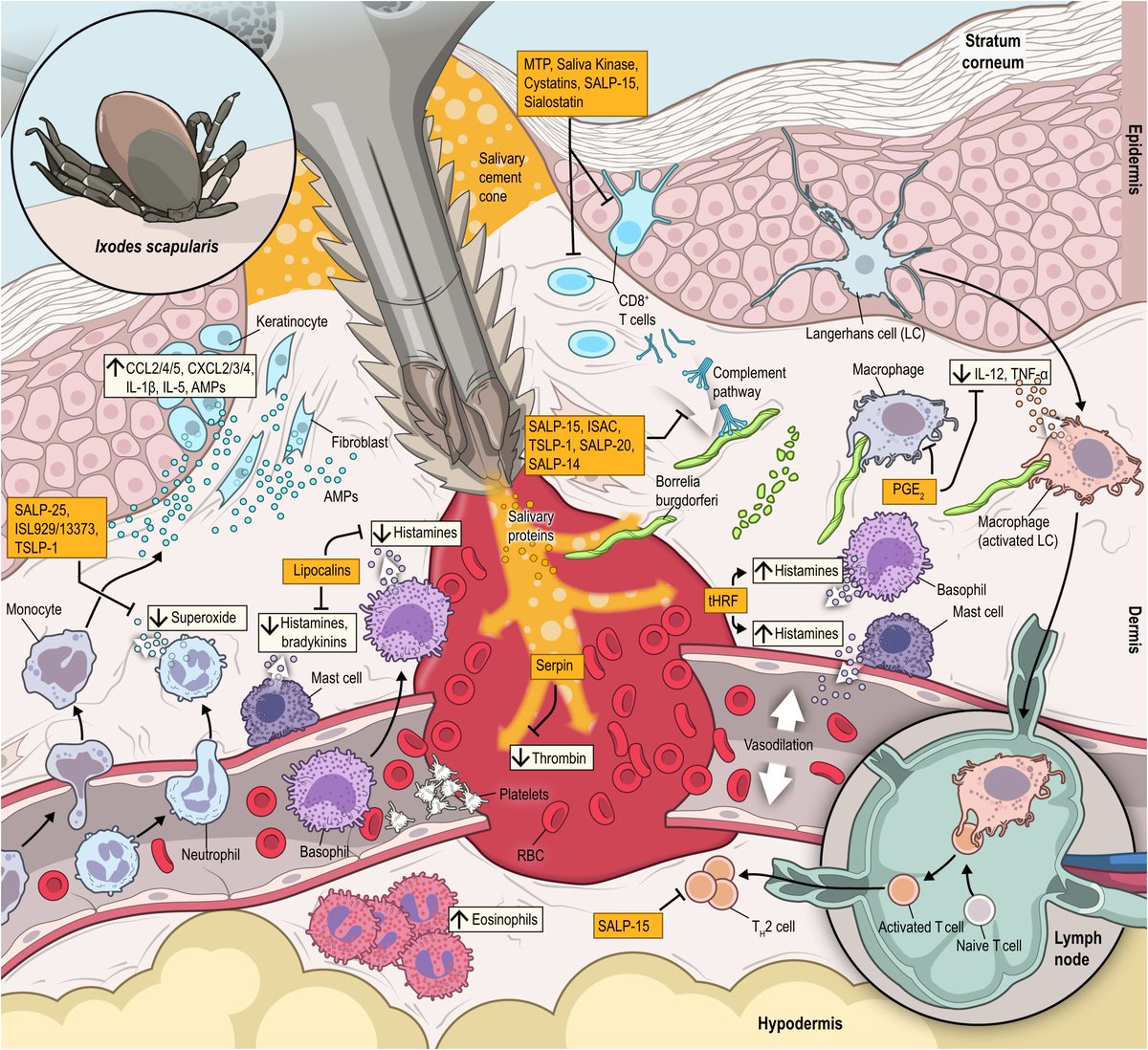
Introducing a big beautiful inflatable Ixodes scapularis (blacklegged tick) at the @ACME_ASTMH booth at @ASTMH! Come chat with our members about why we study vectors and the impact ACME has! @tamuvetmed@tamuentomology
White-tailed deer are very susceptible to #SARSCoV2. Here we describe an outbreak in a captive Texas population. 11 out of 15🦌 had active #Omicron infection, with 6 of them shedding infectious virus. Very concerning!
https://t.co/uPpalYPdup
Próximamente en el centro de interpretación de la malaria en Losar De la Vera, Cáceres: mujeres en la vanguardia de la ciencia: Jornadas de Investigación @paludismolosar
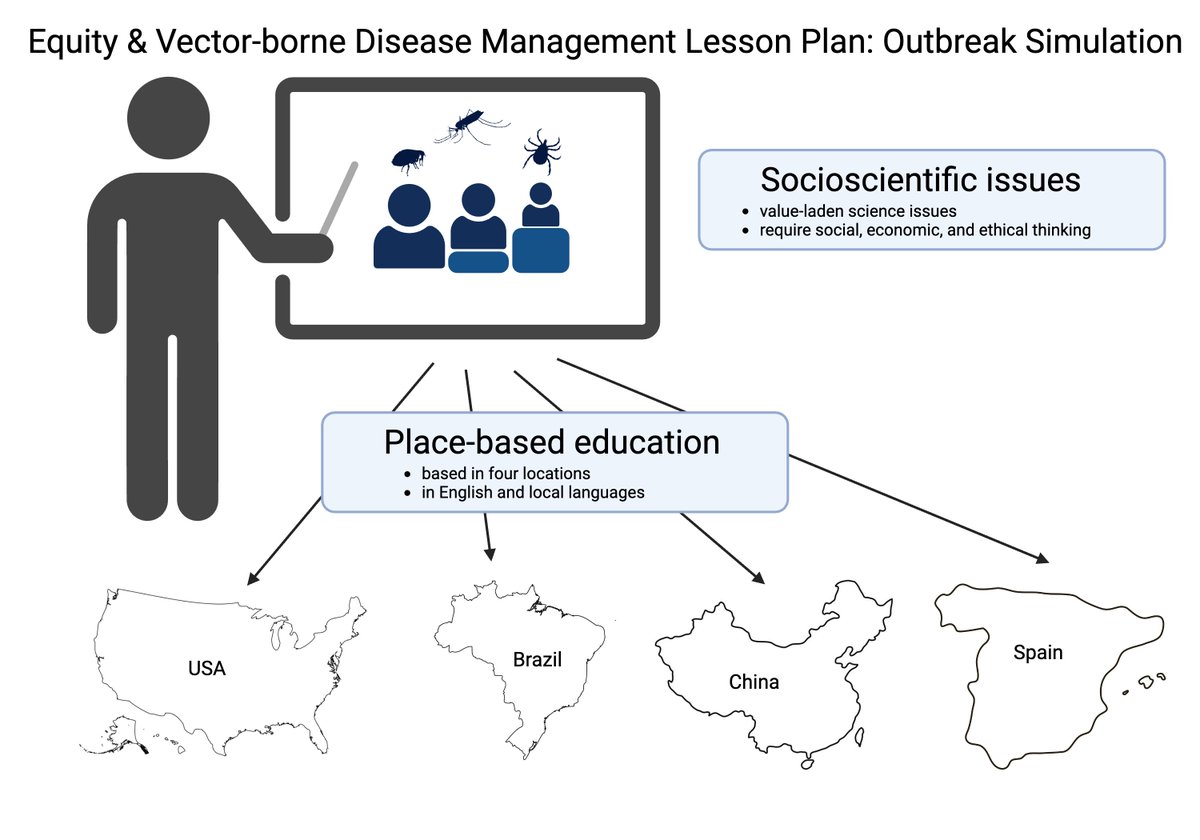
Delighted to share this work led by @bugborne_Nicole and @TickAndJordy. A kind of RPG to teach inequity issues in vector-borne disease management. Anyone can modify our examples to apply this lesson to different places. Pls DM/email for comments/feedback
https://t.co/31zWEa5LFC
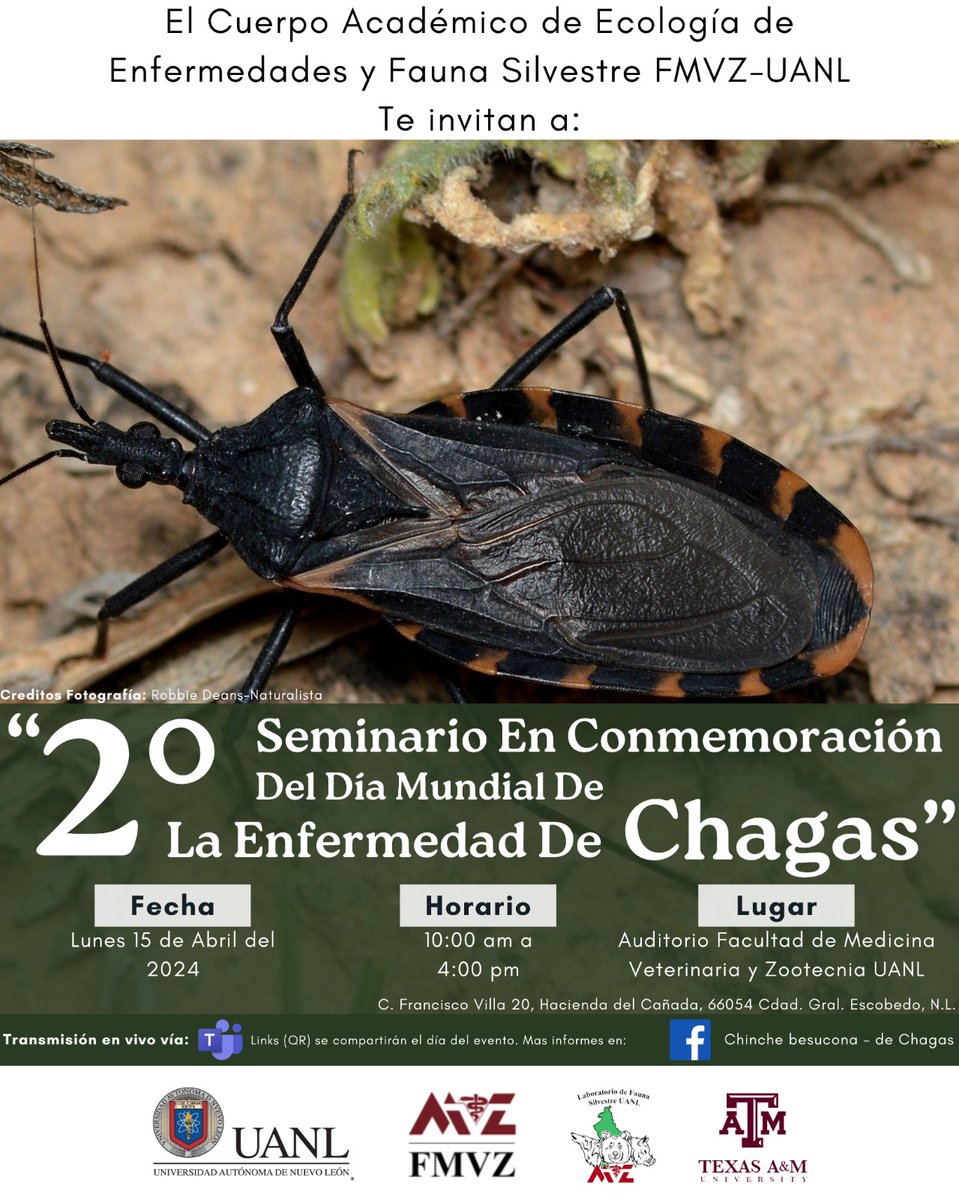
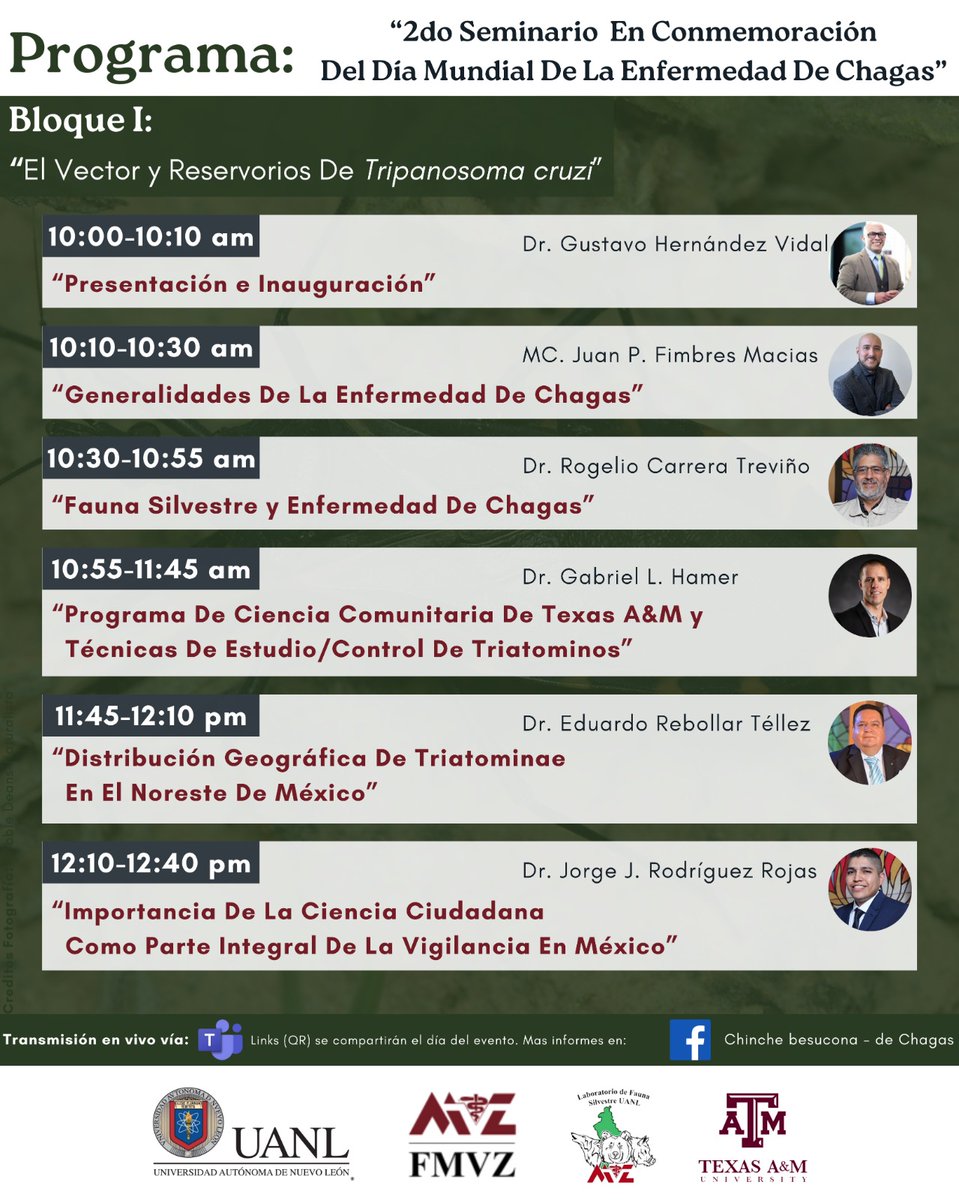
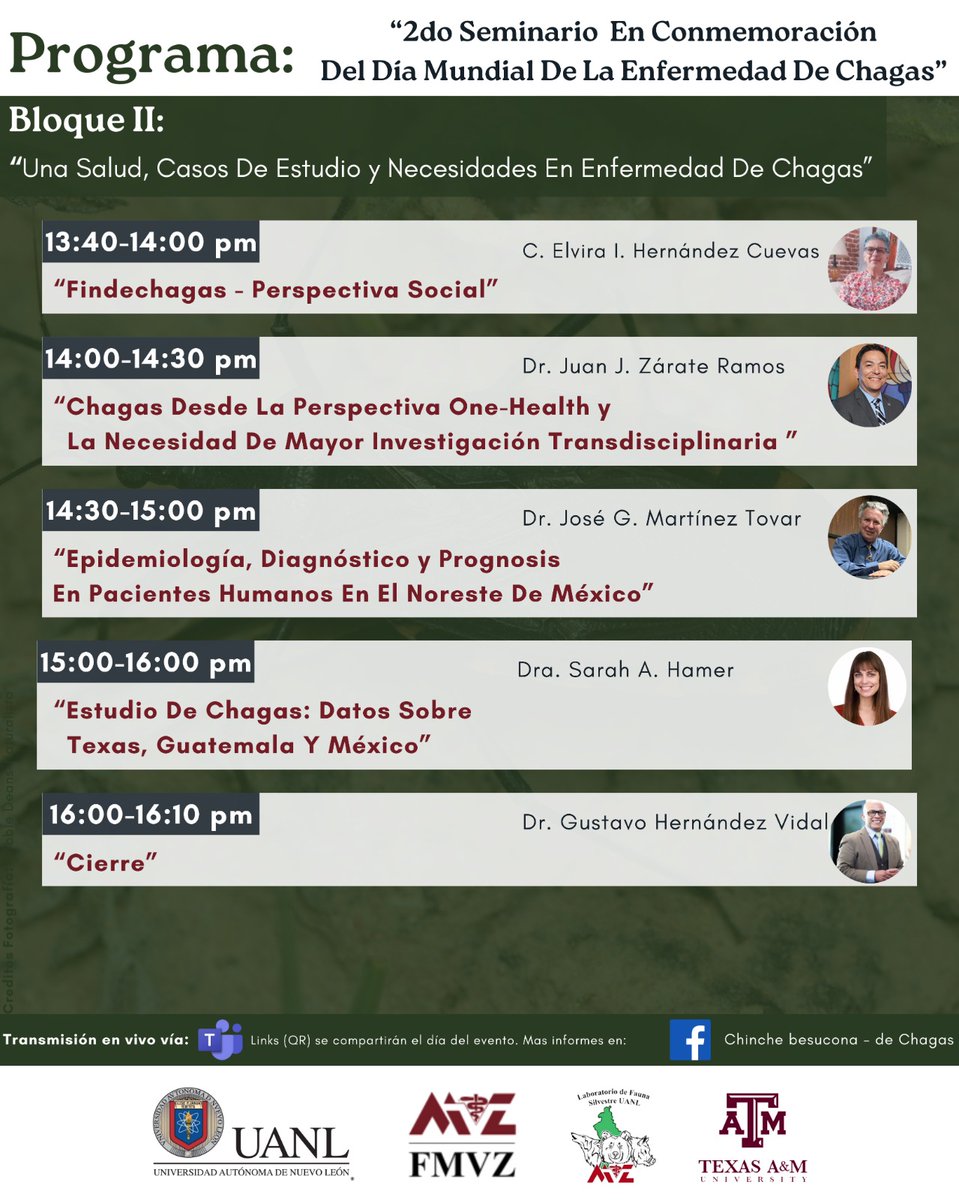
We are in Monterrey, Mexico, and look forward to being involved in this symposium for #WorldChagasDiseaseDay at #UANL on Monday April 15, 2024. Thanks for organizing Juan Pablo @jp_fimbres! @tamuvetmed@tamuentomology @TAMUEEB
Join virtually by Teams 👇
https://t.co/O6wrIc8EGA