We are a 501(c)(3) non-profit research organization dedicated to conducting innovative scientific research and finding technological solutions to hard problems.
Blackbeard is back at sea 🌊
Well, #ARRRGH acoustic wave glider that is nicknamed "Blackbeard," anyway.
Learn how the device tracks the migratory pathways of southern flounder to determine how best to manage the species ⤵️
https://t.co/x7SpzvHCy5
SOCCOM was established with an eye to a future where an army of robotic floats could be deployed to monitor ocean health at all times of the year, and in all kinds of conditions at a fraction of the cost and carbon footprint of scientists on ships: https://t.co/dp7h5N0ZCP
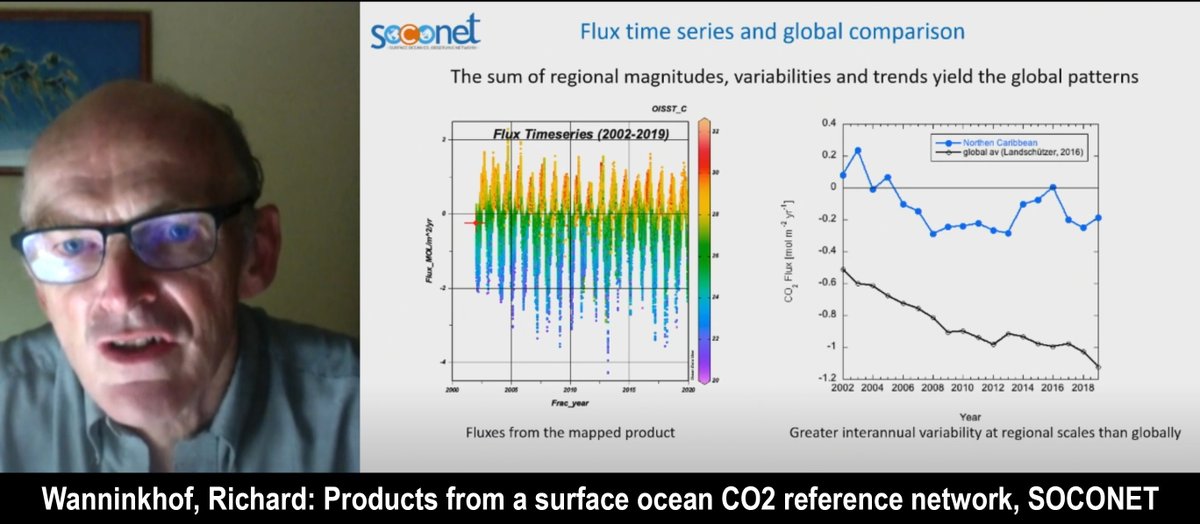
The most important reason for sustained and standardized global reference networks is that the big biogeochemical fluxes (here into the ocean) are changing with #ClimateChange. @ICOS_RI connects Oceans, Atmosphere and Ecosystems
#ICOS2020SC@gcos_un@WMO@NOAAClimate@SOCAT_CO2
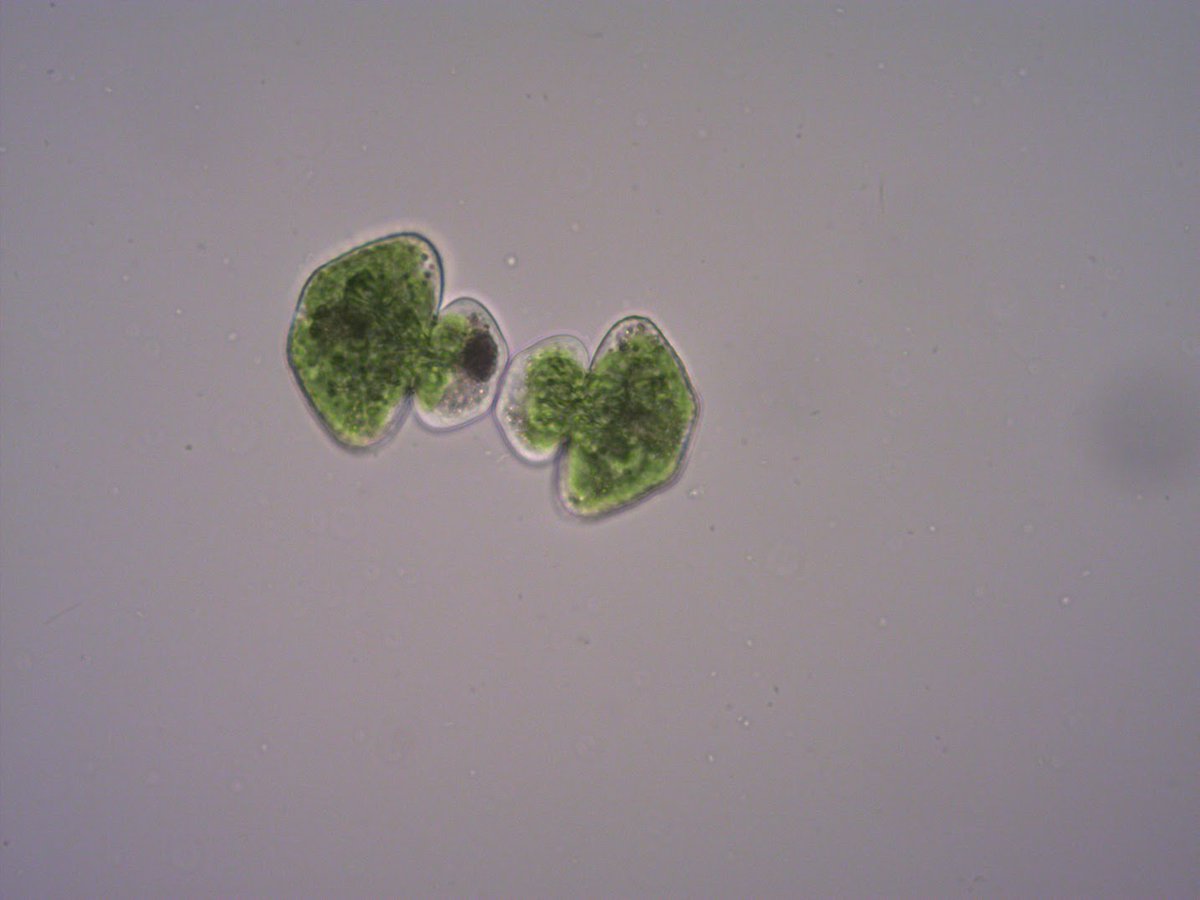
In need of some good news? 🥳 Since we’re practicing #socialdistancing by staying inside, we sent our autonomous microscope to monitor some harmful algal blooms for us. Check out the crown on the Corethron species from our latest test mission in #monterey 👑 #planktonfriends
#ThankfulThursday To all our social media followers who make it possible for us to be a part of the larger scientific conversation, we love sharing our projects and findings with you all. Thank you for your support!
For more, check out our Instagram: jupiter_research_foundation
Chelsea Whyte @newscientist just published this fascinating article on @EllenGarland4 and her work studying how whale songs are affected by where they travel. Turns out the whales we are tracking with our #waveglider Europa have accents!
https://t.co/Ek5izKFQCF
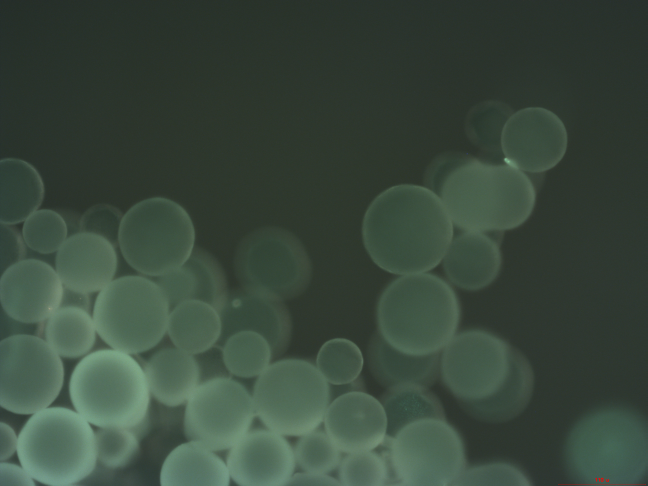
Currently experimenting with Raman spectroscopy to verify it's ability to identify microplastics for our autonomous microscope. This photo shows a possible Raman response in polyethylene microbeads, since the shift should produce green. More updates soon! @LiquidRobotics#raman
Check out @LiquidRobotics at the Naval Submarine League Annual Symposium this week to learn more about the #WaveGliders we house our payloads in. This technology allows climate scientists to monitor a host of ocean traits including CO2 flux, temperature, and even micro plastics.
Holding down the fort at the Naval Submarine League Annual Symposium in Crystal City this week. Stop by the One Boeing booth to learn more about Liquid Robotics Wave Glider. #submarine#LiquidRobotics#NavalSubmarineLeague#WaveGlider
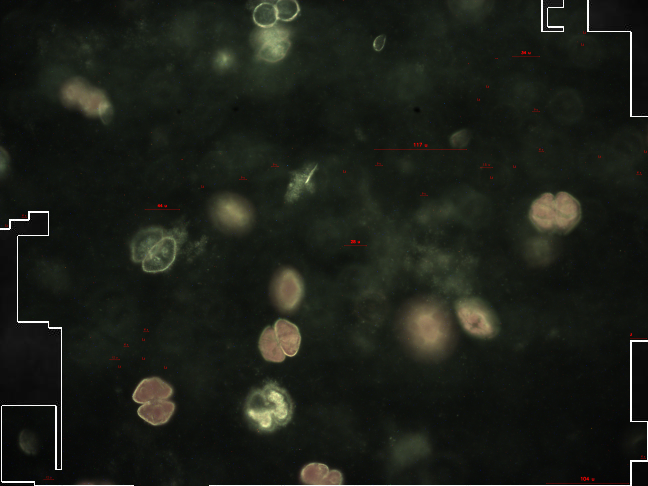
The autonomous microscope aboard our #waveglider siphons small amounts of water between two quartz slides where it is magnified and photographed by a minicomputer called the pi. The images are then transferred back to our lab where a program identifies all objects in our sample.
The microscope usually only takes one photograph per minute, but it also has the potential to take photos in BURST MODE 💥This means it takes 10 photos at a time, pumping water between each one, and compiling all the images in to only one final photo.
Yesterday, two of Whale Trust's Founding members, Dr. Jim Darling and @Flip Nicklin, were the guest speakers in a symposium of science & art focused on humpback whales at the University of Rochester, NY. #humpbackwhale#jimdarling#flipnicklin#whalesong
https://t.co/Vve6qE4UKS
RT @Scripps_Ocean: Scientists can predict harmful algal blooms a few days out, but we still don't know what makes them turn toxic. New @NOAA grant awarded to Scripps, @MBARI_News, and @JCVenterInst aims to unravel this mystery. Via @sdut@sandiegoscience. https://t.co/1TYVfgok53
This photograph was taken by our autonomous microscope in dark field. Chlorophyll pigment will fluoresce when hit with wavelength of blue light around 450 nm, which we can artificially stimulate to illuminate the plankton's internal organs - such as its chloroplasts.
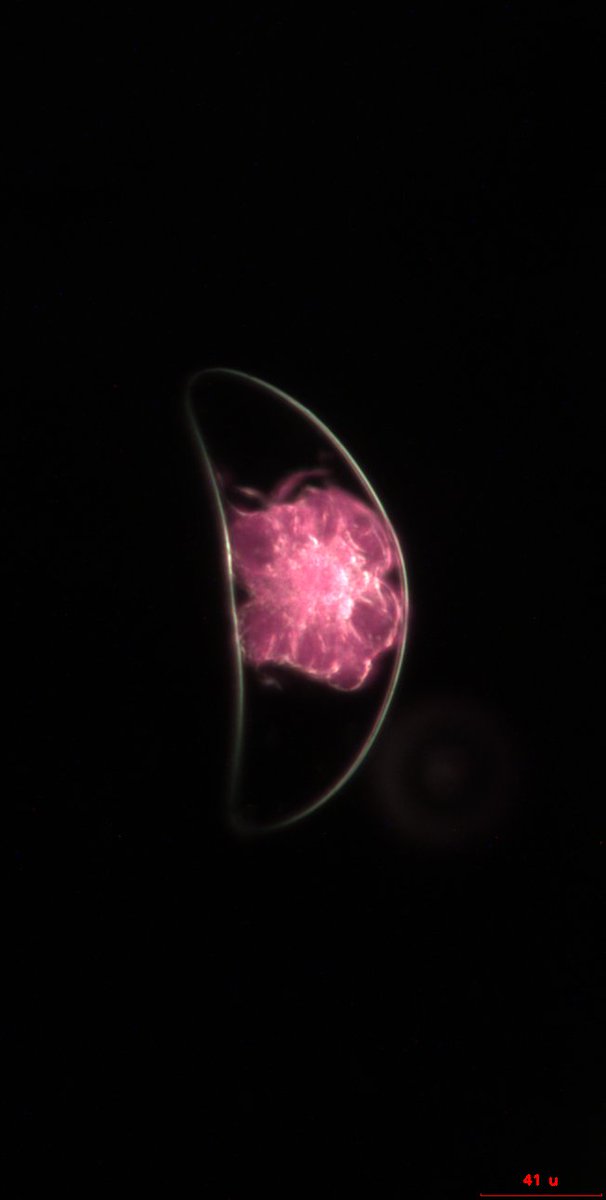
Looking for a blood moon on Halloween? While we can’t promise that, we’ve got a bright pink one just for you by the name of Pyrocystis Lunula. These lunar shaped plankton have a super power called bioluminescence which allows them to chemically produce a dazzling light show.
Last night @heikeSchmitz@LouDietz@DavidWalker and @brucekamolnick arrived in Seattle to represent us at the 2019 OCEANS Conference. Feel free to come ask us a question about our #Wavgliders and all the projects they are currently involved in! https://t.co/GKcKcAMqfS
#OCEANS
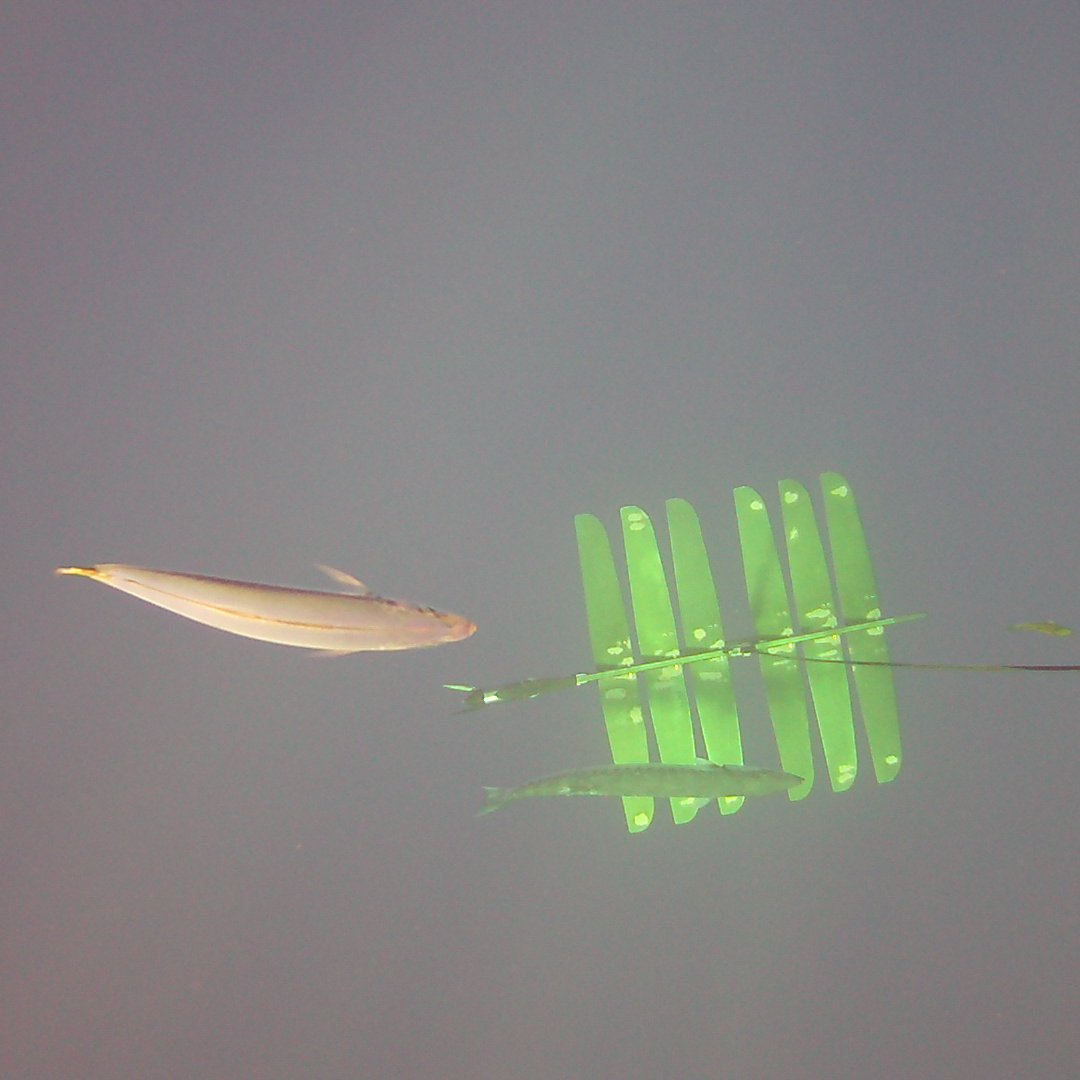
“The books all say that Barracuda rarely eat people, but very few barracuda can read." – Dave Barry
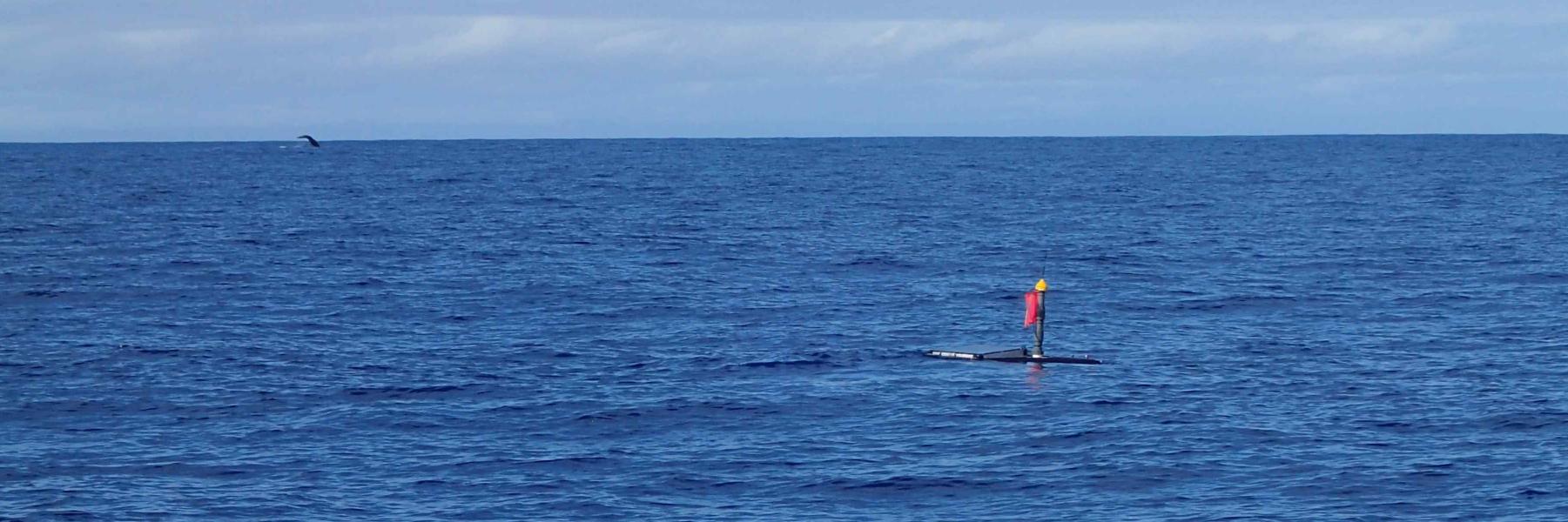
A large predator was seen this weekend following our #WaveGlider Europa as she collects whale songs near Puako, Hawaii. Personally, we'll take Barry's advice and steer clear 👀
#HUMPACS (Humpback Pacific Survey) is our collaboration with @WhaleTrust to search for 🐳 in the deep Seamounts from Hawaii to Baja. On this journey, Europa carries a hydrophone that uses sound triggers and satellite to record whale sounds from places no one has searched before.