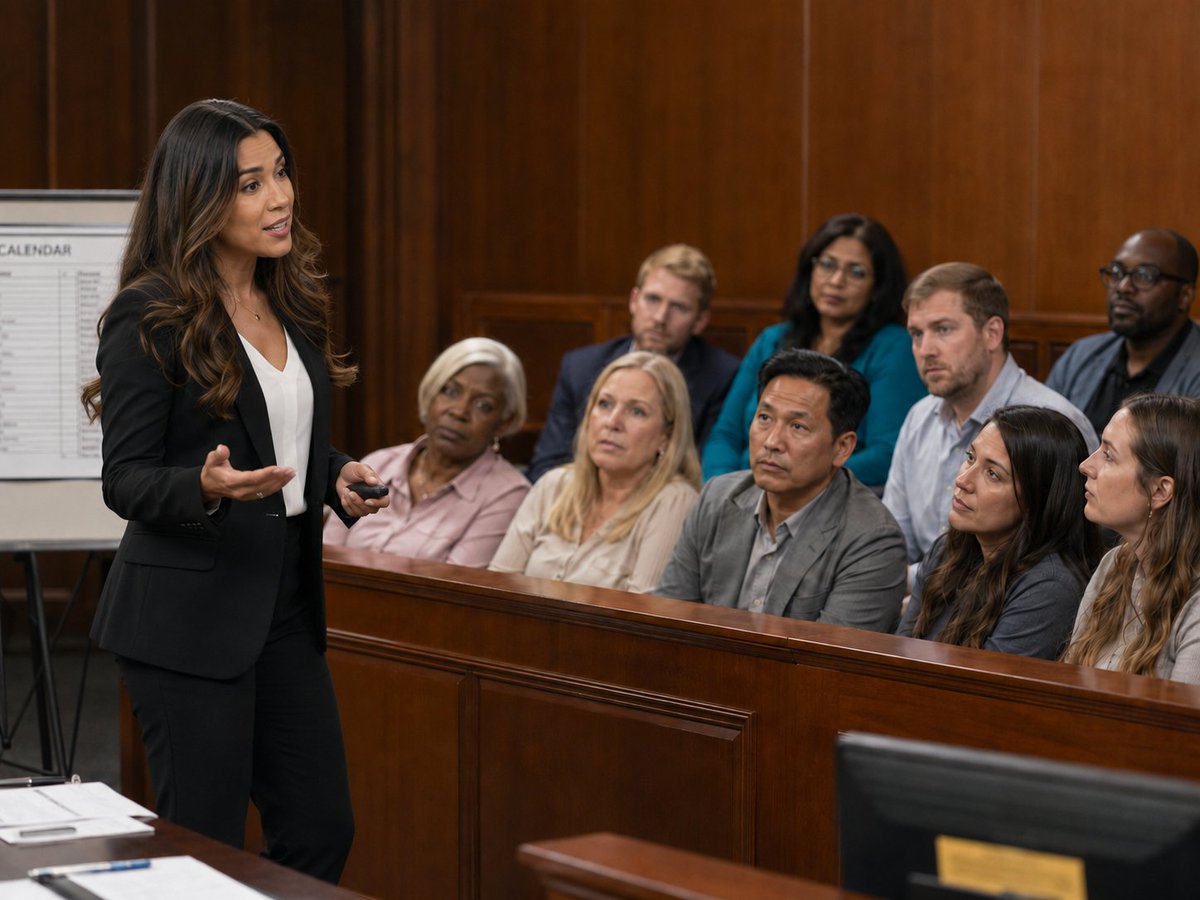
Whatever you pay attention to feels more important.
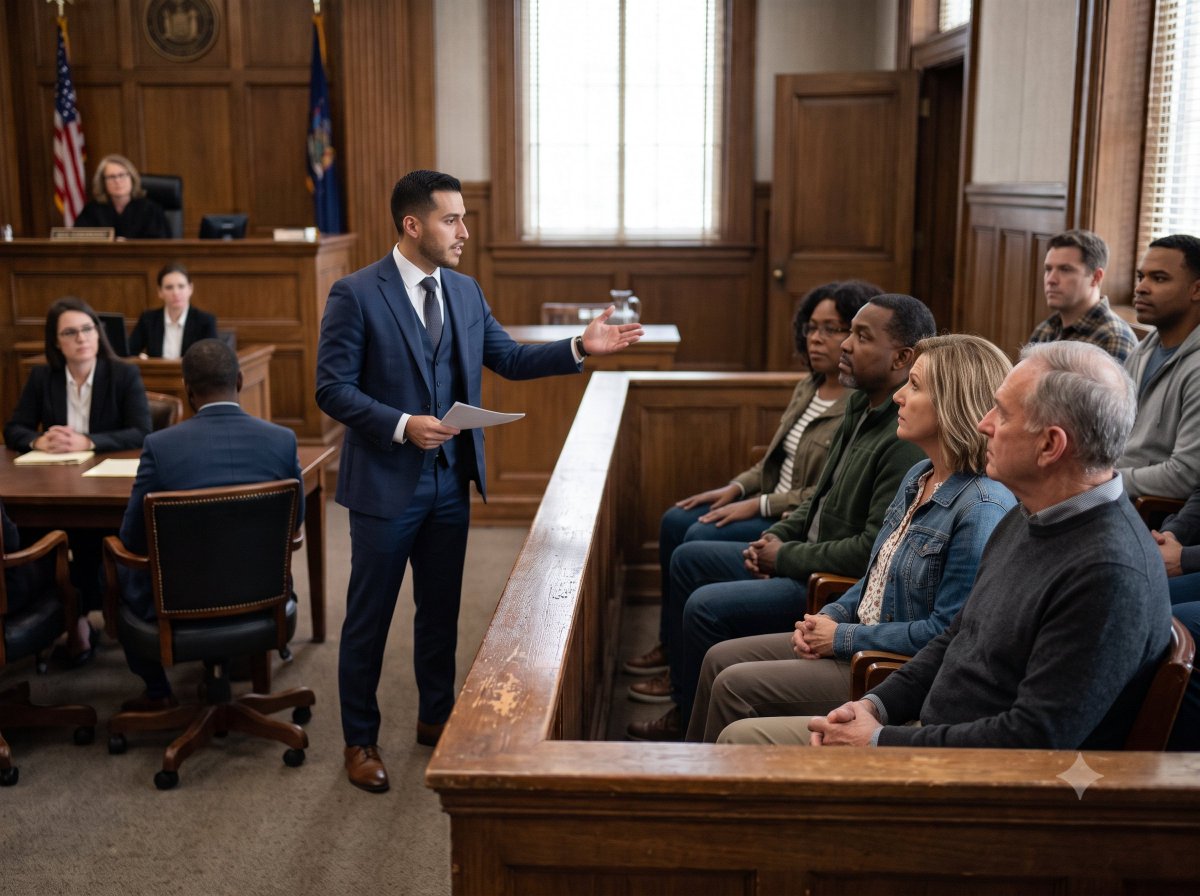
That’s not opinion. That’s how attention works. So direct it. In voir dire, name the value your case turns on before you mention a single fact. Receptivity isn’t charm. It’s engineered. #JurySelection#TheGunslinger
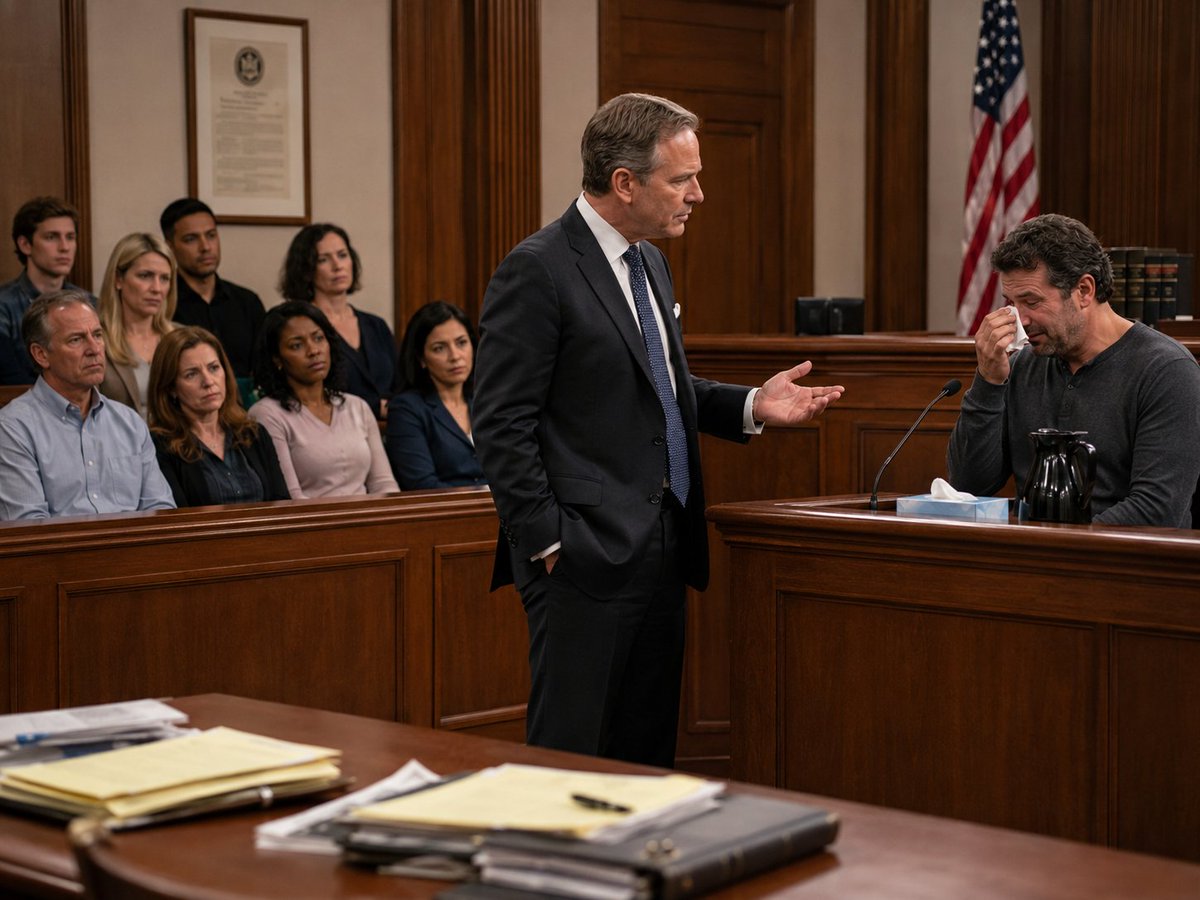
Ask an open-ended question during a deposition, then stop talking. Let the silence stretch.
Most witnesses fill the gap themselves — with exactly what you were hoping for. Never rescue them from it.
#JaguarDeposition#PersuasionScience#juryattorney
*Closing argument isn’t persuasion. It’s release.*
Relief from real, sustained tension beats information. Return to the question you opened in voir dire. Walk the evidence as the answer. Deliver the full resolution. That’s not an argument. That’s a discharge.
#TheGunslinger
Whoever resolves an unanswered question earns outsized trust. During opening, don’t answer your own question. Show the puzzle. Raise the stakes. Leave the loop open. The answer given too early gets forgotten. The answer they’ve craved for a week? Unforgettable.
#TheGunslinger
An unresolved question creates real discomfort. People are wired to chase resolution.
Open a genuine unanswered question in voir dire.
Don’t resolve it. Tell them only this trial can. That’s an itch the jury can’t wait to scratch.#JurySelection#PersuasionScience#TheGunslinger
A scene portrays conflict that causes change. That’s story structure. It’s also the Jaguar’s deposition method. Witness starts credible. Ends exposed. In their own words. Under oath. The deposition is where you write the story’s scenes.
https://t.co/r5e9lLIpzZ
Character isn’t revealed by what happens to someone, it’s revealed by what they CHOOSE to do under pressure. A client who describes suffering is a “whiner.” A client who describes a hard choice is a protagonist.
Juries help protagonists.
#StoryStructure#TheGunslinger
The Controlling Idea: one sentence that captures a story’s meaning.
Value + cause. “Trust was destroyed because a company chose profit over the truth.” State it in minute one of opening. Everything after is proof.
Facts organized around meaning get remembered.
#juryattorney.com
Every story that holds an audience begins the same way: A life gets thrown out of balance.
That’s the Inciting Incident. Screenwriters teach it. I use it in voir dire. “14 years, no write-ups. Then one Tuesday, everything changed.”
Watch who leans in.
#TheGunslinger
The mystery you pose to the jury was built it a deposition, months before.
The best first clue is the one the antagonist placed themselves.
https://t.co/r5e9lLIpzZ
Most lawyers answer the mystery in closing.
The Jaguar reveals the jury already did.
3 words that win closings: “You already know.”
The verdict the jury believes they discovered cannot be argued out of them.
#TrialStrategy#ClosingArgument#PlaintiffLaw#TheGunslinger
Most lawyers prepare clients to survive cross.
The Jaguar prepares his client to carry the human truth the jury is searching for. By the time they take the stand, the jury knows the facts. What they want is the answer to the mystery. Your client is the only one who has it.
Opening statement mistake lawyers make: they tell the jury what happened. When you answer the question, you’ve made them an audience. Instead, pose a mystery in 60 seconds. Let the trial answer it.
Detectives lean in, audiences sit back.
#TrialAdvocacy#OpeningStatement
Most trial lawyers try to find sympathetic jurors.
The Jaguar finds curious ones.
Curiosity > sympathy. Every time.
Pose the mystery of your case in voir dire.
Watch who leans forward.
That’s your deliberation leader.
#JurySelection#JaguarDepositions.com
5. "If the law points somewhere that doesn't feel fair to you personally — what then?"
Skip "Will they like my client."
Ask "Will they follow the rule."
4. "Tell me about a decision you made by working through criteria one by one, instead of trusting your gut."
Surfaces comfort with element-by-element reasoning.
3. "If the judge gives you a legal definition different from your everyday one, how will you handle setting your own aside?"
The real test of rule-following over instinct.
2. "Have you ever had to enforce a workplace policy you personally disagreed with?" Tests whether they can separate personal opinion from required duty.
1. "When you're given detailed instructions, do you follow them step-by-step — or adapt as you go?" Forget likability — this tells you who follows procedure.