Chartered town planner and chief executive of planning consultancy Just Planning. Freelance property journalist and Author of 'How to Get Planning Permission'
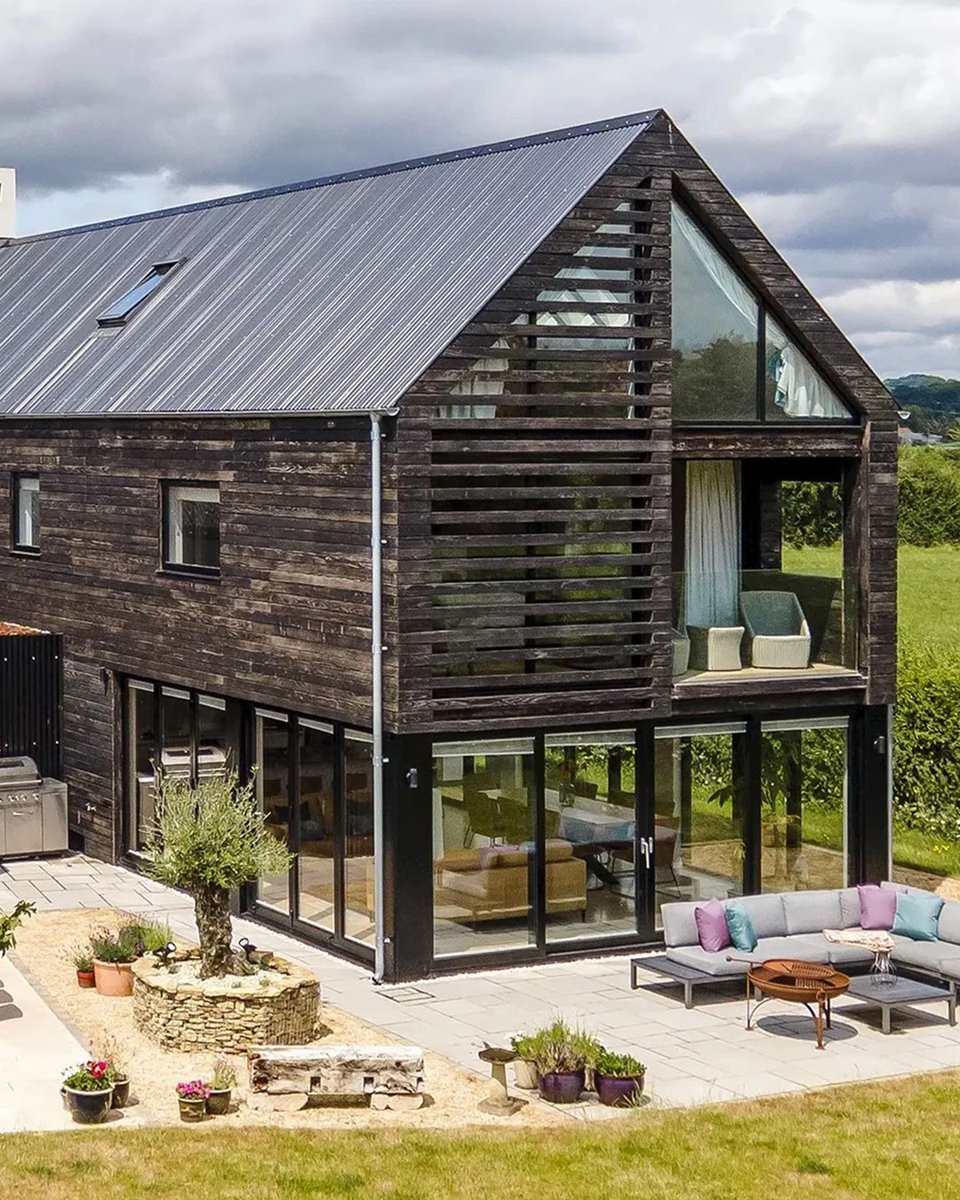
Knocking down an existing house and rebuilding on the site could be the perfect route to a bespoke home – but what does this route involve and is it always a viable option? Find out here: https://t.co/AbK6JEHa6H
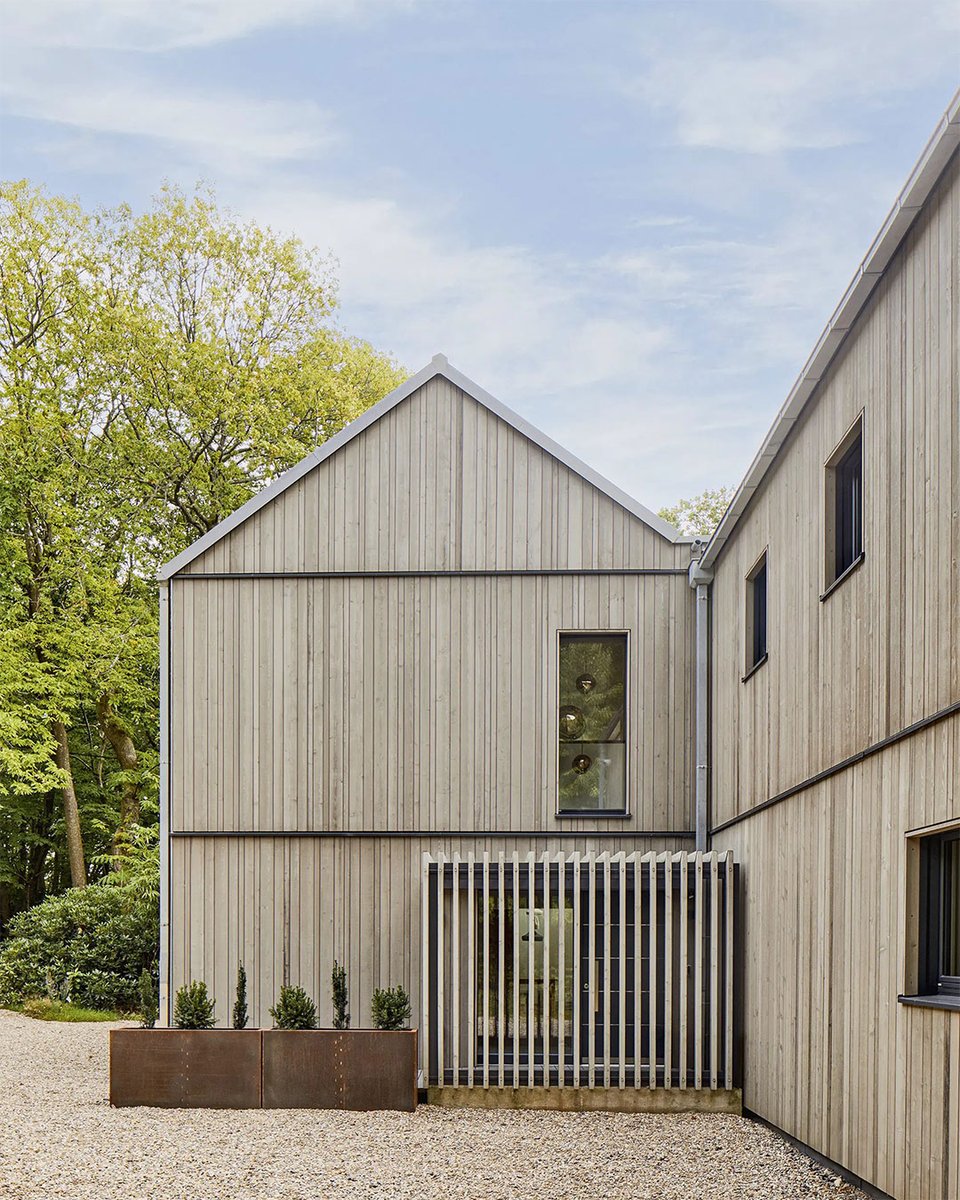
Planning consultant Martin Gaine looks at the benefits of hiring a quality designer to deliver a scheme that works for you and the planners: https://t.co/hkXwytOQc5
Our new digital service, ‘Appeal a planning decision’, is now the primary route for submitting planning and enforcement appeals.
The legacy Appeals Casework Portal (ACP) is no longer accepting new submissions.
Read the full news article for details: https://t.co/9rJQmAZjYb
This weekend, Build It Live South East will once again host the Land Zone, where you’ll be able to browse live listings for sale across the UK and get some top tips on how to secure the right site for your project. Click here for two free tickets: https://t.co/eBJJnTQeoN
Extension vs conservatory: what’s the difference and which one is right for you? Scarlett Deamer looks at design, energy efficiency and costs to help point you towards the right solution: https://t.co/xmpiHshyxN
People never believe me when I tell them rural Ireland is much more densely settled than rural England. Large swathes of the English countryside look really empty to Irish eyes. The reason is that historically, peasants in Ireland were sharecroppers who lived among the fields they farmed; peasants in England were employees of the landowner, usually living in tied cottages in villages and walking out to the fields, often different fields at different times of the year, as suited their employers.
Of course overall English population density is higher, but that's because England has more and bigger cities and towns. But we're talking about the countryside here, outside the limits of towns or even villages. A lot of the English countryside is empty as hell. No bungalows every couple of hundred metres like there would be in Ireland. It really hit me when I first moved to Salisbury 13 years ago—there are stretches of the Wilts/Hants border country that are within an hour and a quarter of Southampton, Portsmouth, Oxford, Reading **and Heathrow** where there's scarcely a house for miles.
Even as both countries were affected by rural depopulation, then car-driven long-distance commuting, far more Irish people lived in individual houses in the deep countryside, while English country people still tended to live in villages, something copper-fastened by the Town and Country Planning Act of 1948.
Get into the modern era, and there are lots of sites in Ireland where people were able to build replacement dwellings (and enforcement of planning laws was at times weak) while in England there were far fewer chances to build new houses outside agreed settlement limits.
As someone who spends a lot of time walking in the countryside in both places, this is immediately obvious to my eye, but this binary 1 km² concept is the first time I've seen it standing out obviously on a map.
PS - broadly speaking the pattern holds on both sides of the border in Ireland. I'm pretty sure Wales follows the English pattern and Scotland is an even more extreme example.
What exactly are planning conditions and what do they mean for your self build or extension project? Planning expert Martin Gaine investigates how to avoid, manage, remove and discharge important stipulations from the council: https://t.co/W59Qf8rNB2
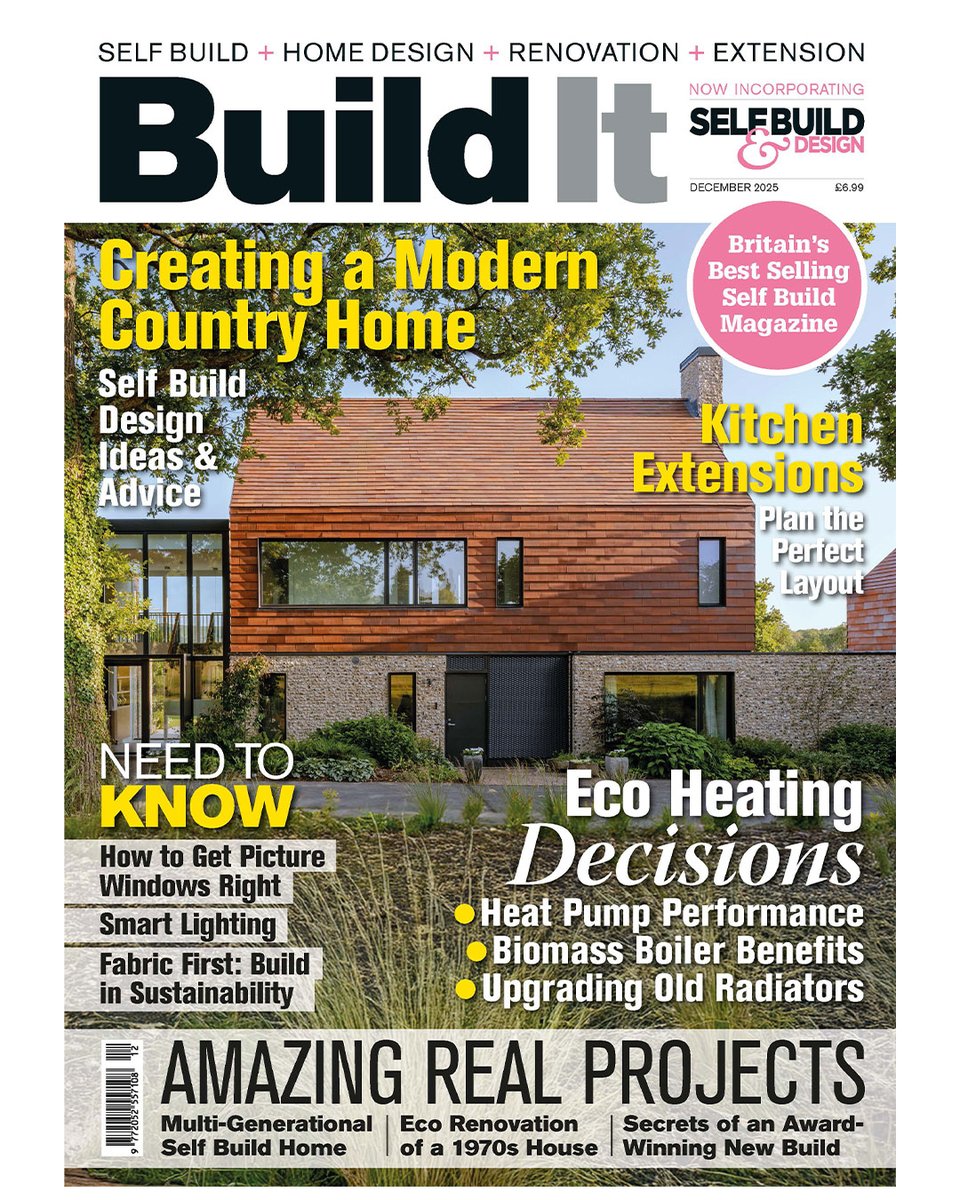
Build It’s December 2025 issue hits the newsstands this week. This month, get inspired with some stunning projects and get advice from the experts on everything from kitchen extensions and eco heating to permitted development and self build mortgages: https://t.co/RAIf9qbAWV
Every planning authority has the power to set specific guidelines and restrictions over development in its area. Planning consultant Martin Gaine looks at how this can affect your project: https://t.co/YnIi8WE14Y
The Gov deserves more credit for grey belt reform - one of the few things they've got right.
8 months in, we've seeing real movement: 36% of grey belt appeals now succeed vs almost zero before. Councils from St Albans to Basildon are actually approving schemes. 🧵
Getting planning permission can be a major hurdle for some, and it often feels like the system is impossible to navigate successfully. Planning expert Martin Gaine explains how it works and how you can achieve a successful end result: https://t.co/fA8mYBKOq0
Looking to kick-start your self build, extension or renovation project? You can’t afford to miss Build It Live South East at Kent Event Centre, Maidstone, this weekend (22nd & 23rd February).
Click here for free tickets using code SOCIAL: https://t.co/srpefGbc70
FREE BOOK GIVEAWAY TIME! To celebrate the publication of my new book, Model Britain, I'm giving away a free copy (UK addresses only). Simply retweet this post to enter. Winner will be selected on Friday 15th Nov and notified by DM. https://t.co/5DllbksliU
One measure in Rachel Reeves' budget is going to trigger a series of frantic calls to solicitors in the next few hours ...
From PA: Second-home buyers face a stamp duty land tax surcharge rise of two percentage points - to 5% - starting from Thursday
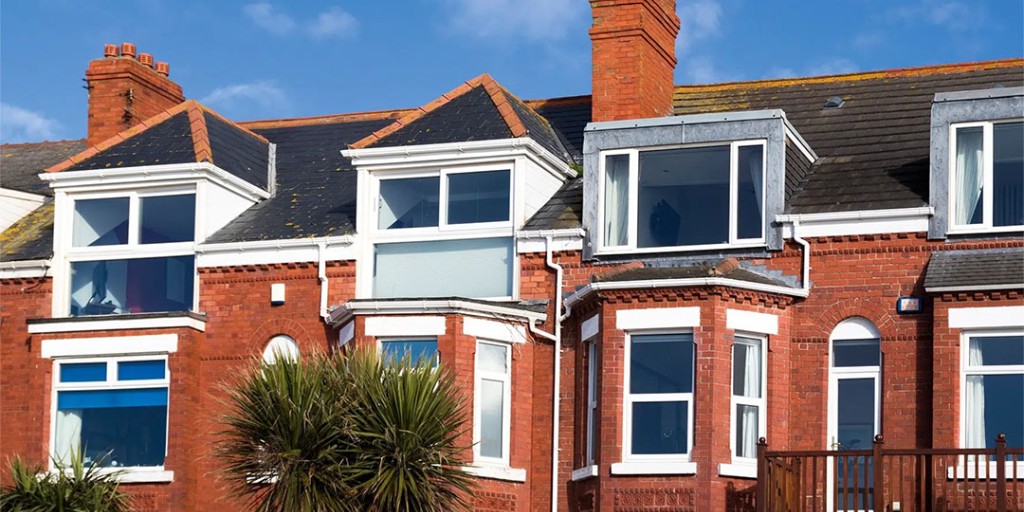
'I have never seen a system so broken': in @Telegraph I tell the stories of homeowners waiting years for permission to extend their homes, with no end in sight...
https://t.co/0oSuf9EpfK