Few hours ago, the most powerful machine ever built came within 1 second of flight and stopped itself. 57 years to the day after Apollo 11 left for the Moon, America's next Moon rocket was pinned to the pad by the same disease that killed the Soviet Union's.
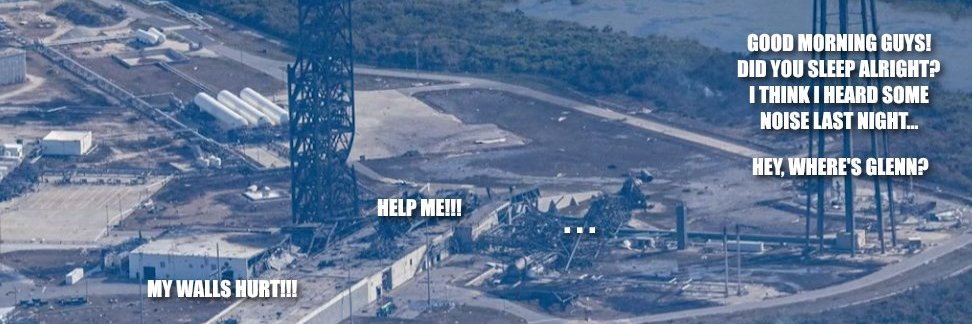
Rewind to the rocket history buried. The Soviet N1 was Moscow's answer to Apollo, a monster with 30 engines on its first stage. Its builders never once test-fired that stage as a whole, and its 1960s control system could not catch a sick engine in time to matter. It flew 4 times and died 4 times. One failure fell back onto its own pad and produced one of the largest non-nuclear explosions in history, 13 days before Apollo 11 lifted off. The Moon race ended in those fireballs, and for 50 years the lesson carved into aerospace read simply, never build a rocket with that many engines.
SpaceX built one with 33. The bet was never that the dead architecture was wrong. The bet was that it was 50 years early, waiting for computers fast enough to watch 33 ignitions at once and veto a launch in milliseconds.
Few hours ago the bet paid in the least cinematic way possible. Ignition began 3 seconds before liftoff, 4 engines stayed dark, and the computer killed the other 29 and held 407 feet of fueled steel on the ground. Musk posted that some of the engines did not start. Two Raptors get swapped. The next try comes early next week.
Yesterday was flight number 13.
The N1 exploded because it could not stop itself. Elon’s Starship survived because it could. Half a century of progress, compressed into one silent second in Texas.
Fireballs make headlines. Civilizations advance on the explosions that never happen. The scrub is not the failure. The scrub is actually the invention if you really think about it.
The piece works out why the ghost of the N1 haunts every 33-engine ignition. 🤔