Notice how logos recently all look the same?
Not because it makes them look better...
But because of THIS psychological trick that manipulates your brain.
That's why Google, Microsoft, and Airbnb are all doing it.
Here's the full explanation:🧵
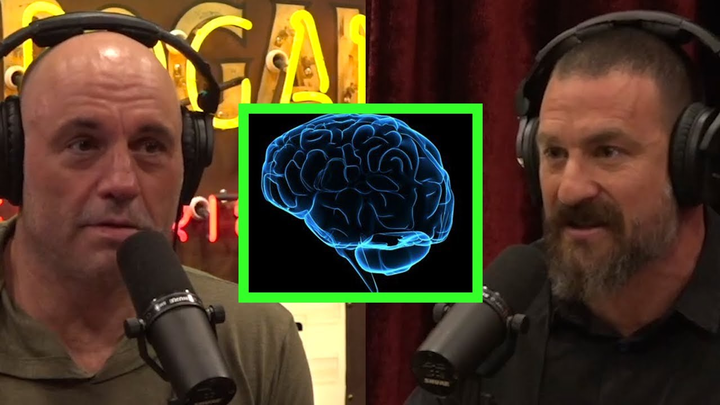
Joe Rogan has had the world’s top health experts on his podcast.
They’ve revealed some mind-blowing facts that 99% of people wouldn’t know.
Here are my top 8:
This man predicts the future.
He's been fighting wokeism for years & he invested early in Bitcoin, Twitter, and Uber.
And he just said, "A man who regains his voice can never be silenced again".
Naval Ravikant's 4 predictions on social media, attention & wealth creation:
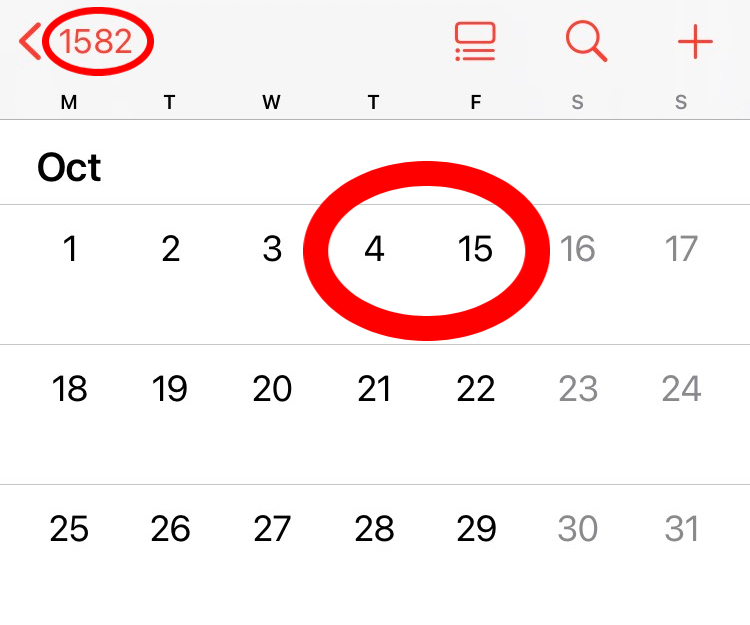
In the year 1582 something strange happened.
Thursday 4th October was followed immediately by Friday 15th October.
This is the story of history's 10 missing days...
The way that Jensen Huang runs Nvidia is wild: 40 direct reports. No 1:1s. No formal planning cycles. And no status reports.
In a recent interview, he went in-depth on his Leadership style. Every entrepreneur must understand why it works:
Creatine isn't a steroid.
It doesn't cause bloating, kidney damage, or baldness.
Here's what it actually does and why you should be using it (mega thread):
Psychologist Laszlo Polgar ran the most bizarre experiment on his kids.
After studying 1000s of geniuses, He was sure that geniuses are made, not born.
His attempt succeeded and all 3 daughters ended up as chess grandmasters.
Here are his 6 tips for raising a genius:
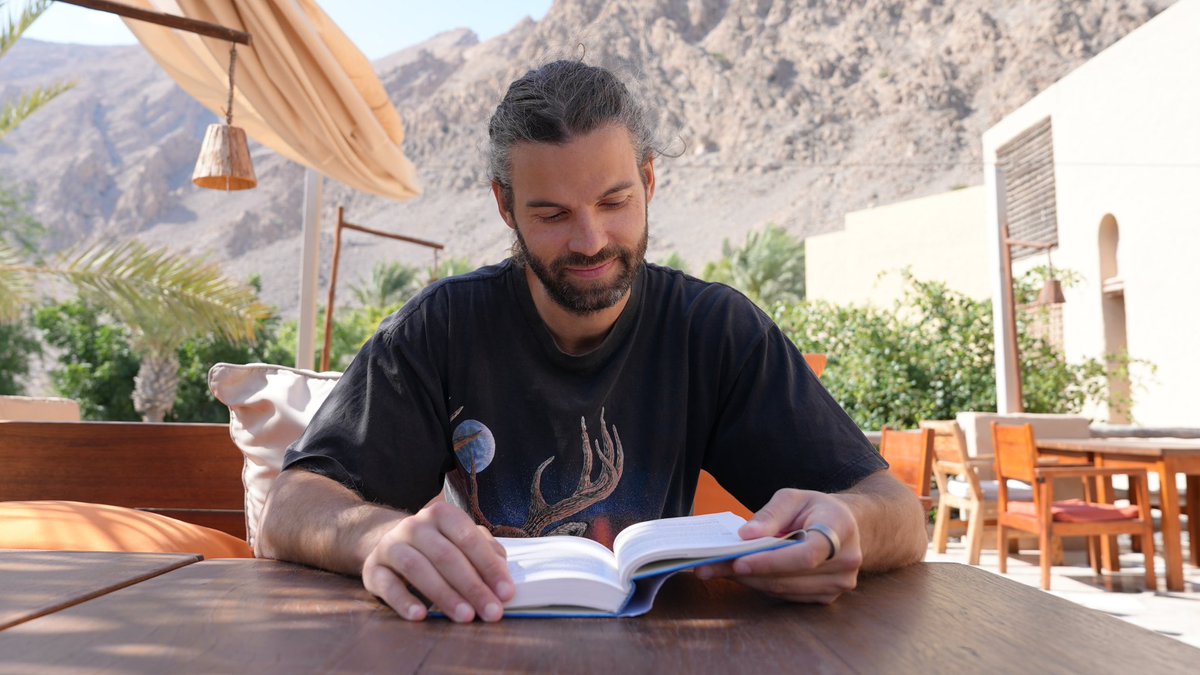
After observing a similar habit among highly creative people (Einstein, Mozart, da Vinci, etc), the neuroscientist Dr. Nancy Andreasen designed a brain-imaging study to understand the neural basis of this habit.
Essentially, these creative people all carved out time each day for...
“Free-floating periods of thought,” Andreasen writes in her book, “The Creating Brain: The Neuroscience of Genius.”
The mechanics of the habit differed from person to person.
Leonardo da Vinci, for example, would often sit in front of a painting “and simply think, sometimes for as long as a half day.”
Whereas Einstein had a wooden boat he called the “Tinef” (Yiddish for “piece of junk”) on which he liked to aimlessly drift wherever he could find a body of water. He had to be rescued by boaters or the Coast Guard so frequently that a friend eventually bought him an outboard motor for emergency use, but Einstein refused it.
“To the average person, being becalmed for hours might be a terrible trial,” the friend said. “To Einstein, this could simply provide more time to think.”
In any case, Dr. Andreasen conducted the first study of brain activity during these “free-floating periods of thought,” when the body is in a “resting state” and the mind is free of inputs, and therefore, free to wander.
“We found activations in multiple regions of the association cortex,” Dr. Andreasen wrote. “We were not [seeing] a passive silent brain during the ‘resting state,’ but rather a brain that was actively connecting thoughts and experiences.”
Essentially, Dr. Andreasen found that the brain defaults to creativity.
When the body is still and the mind is allowed to float freely, the brain engages in what she termed REST (“random episodic silent thinking”).
And during REST, Dr. Andreasen writes, the brain “uses its most human and complex parts...areas known to gather information and link it all together—in potentially novel ways.”
So whether it's sitting in front of painting in your office or on a piece of wood out at sea, if you want to be more creative, carve out time each day for “free-floating periods of thought.”
- - -
“Men of genius are sometimes producing most when they seem least to labor, for their minds are then occupied in the shaping of those conceptions to which they afterward give form.” — Leonardo da Vinci
Follow @bpoppenheimer for more content like this!










![bpoppenheimer's tweet photo. After observing a similar habit among highly creative people (Einstein, Mozart, da Vinci, etc), the neuroscientist Dr. Nancy Andreasen designed a brain-imaging study to understand the neural basis of this habit.
Essentially, these creative people all carved out time each day for...
“Free-floating periods of thought,” Andreasen writes in her book, “The Creating Brain: The Neuroscience of Genius.”
The mechanics of the habit differed from person to person.
Leonardo da Vinci, for example, would often sit in front of a painting “and simply think, sometimes for as long as a half day.”
Whereas Einstein had a wooden boat he called the “Tinef” (Yiddish for “piece of junk”) on which he liked to aimlessly drift wherever he could find a body of water. He had to be rescued by boaters or the Coast Guard so frequently that a friend eventually bought him an outboard motor for emergency use, but Einstein refused it.
“To the average person, being becalmed for hours might be a terrible trial,” the friend said. “To Einstein, this could simply provide more time to think.”
In any case, Dr. Andreasen conducted the first study of brain activity during these “free-floating periods of thought,” when the body is in a “resting state” and the mind is free of inputs, and therefore, free to wander.
“We found activations in multiple regions of the association cortex,” Dr. Andreasen wrote. “We were not [seeing] a passive silent brain during the ‘resting state,’ but rather a brain that was actively connecting thoughts and experiences.”
Essentially, Dr. Andreasen found that the brain defaults to creativity.
When the body is still and the mind is allowed to float freely, the brain engages in what she termed REST (“random episodic silent thinking”).
And during REST, Dr. Andreasen writes, the brain “uses its most human and complex parts...areas known to gather information and link it all together—in potentially novel ways.”
So whether it's sitting in front of painting in your office or on a piece of wood out at sea, if you want to be more creative, carve out time each day for “free-floating periods of thought.”
- - -
“Men of genius are sometimes producing most when they seem least to labor, for their minds are then occupied in the shaping of those conceptions to which they afterward give form.” — Leonardo da Vinci
Follow @bpoppenheimer for more content like this!](https://pbs.twimg.com/media/GCdcaz3WQAApmMI.jpg)





