I'm tired of being silent about this.
@CheckersSA, @PicknPay, @WOOLWORTHS_SA and the rest... Can y'all speak to your bread suppliers about providing us half a loaf of bread, especially for us single people who stay alone... Like I'm put off from buying bread because it'll go bad
Traffic is such a breeze when schools are closed. If we all stopped having kids, mornings could be like this forever. Let's unite and build a traffic free South Africa together, guys
48%.
That is the effective tax burden on someone earning R30,000 a month in South Africa. Same rate as someone earning R432,000 a month in a top European country.
The numbers sound wrong. They are not.
Where the 48% comes from.
PAYE is what people see on the payslip. It is not the whole picture.
VAT - 15% on almost everything. Every swipe. Every fill-up. Most people do not think of VAT as a tax. It is the largest single source of government revenue after income tax.
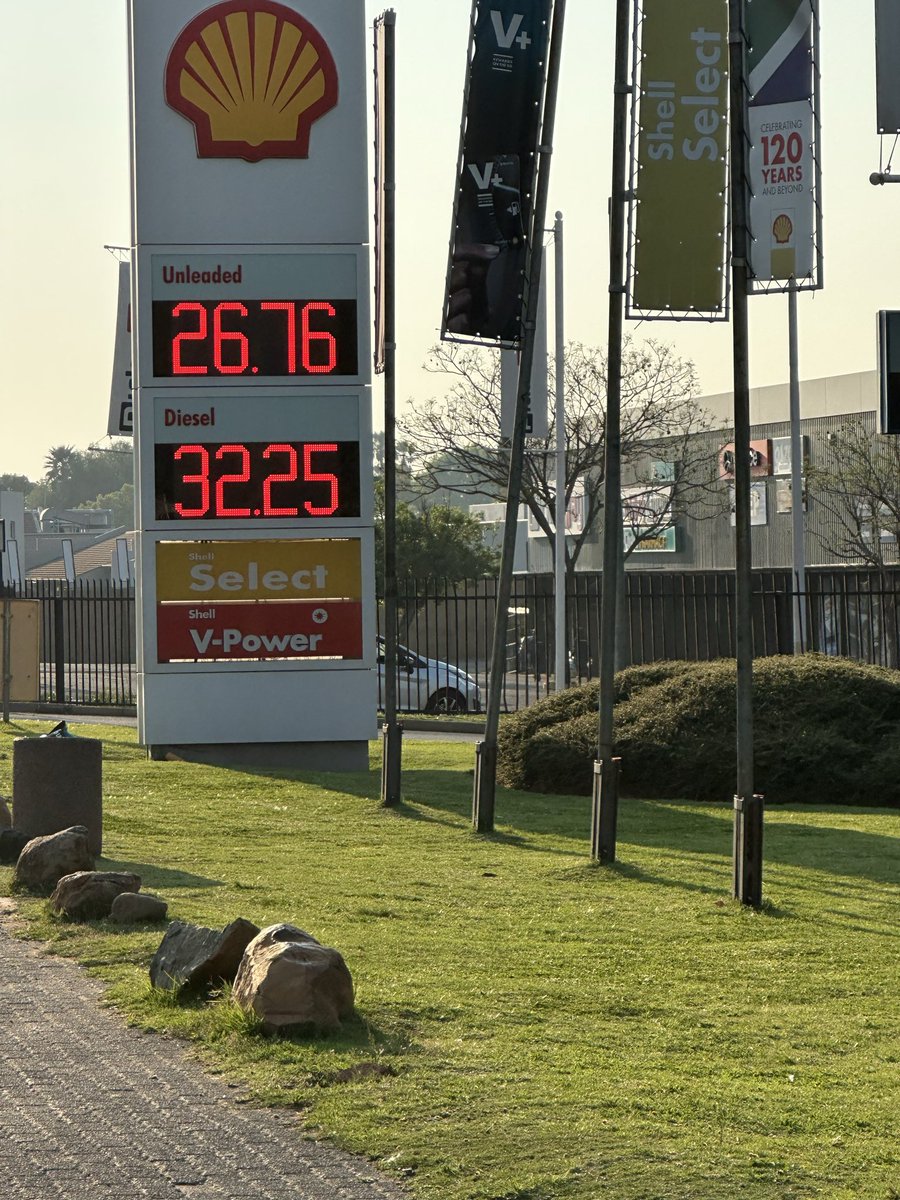
Fuel levy - built into every litre. Petrol at R26.92 inland includes roughly R3.80 in fuel levy and Road Accident Fund levy. That is a tax on getting to work.
Then there are the charges that look like fees but function like taxes. E-tolls. Municipal surcharges. Electricity tariffs with embedded levies.
Add the visible and the invisible - you get 48%.
The key difference with Europe.
In the Netherlands. In Denmark. In Germany. High taxes come with a social contract.
Free tertiary education. Universal healthcare that does not require medical aid. Childcare subsidies. Paid parental leave that covers an actual year. Robust unemployment support.
You pay 45%. And you get services back.
In South Africa you pay 48%. And then you pay again - privately.
Medical aid because public healthcare is collapsed. Security because policing is broken. Private schools because public education cannot be trusted. Solar panels or a generator because Eskom cannot guarantee power. Water tanks because the municipality cannot guarantee supply.
The middle-class earner pays twice. Once in tax. Once in escape.
Who actually pays.
There are about 8.3 million personal income taxpayers in South Africa. A relatively small slice of the population. The top earners supply most of the revenue.
Corporations optimise. The wealthy structure. Offshore trusts. Semigration. Emigration. The R30,000 earner cannot escape - it comes out before they see the money.
The base is narrow. The burden is concentrated. The services are not.
Why it accumulated this way.
No one designed this system. It grew.
Income tax funds the general budget. VAT funds the general budget. Fuel levy funds roads and the general budget. Each mechanism made sense when it was introduced. Each one expanded quietly.
Raising income tax visibly upsets people. Raising VAT is less visible - it is embedded in the price. Raising fuel levy is buried in the pump price. Municipal charges are non-negotiable.
The objective was not fairness to the middle class. It was revenue extraction with minimum political friction.
The uncomfortable part.
This is not a policy failure. It is a policy success. The system extracts efficiently. It offends quietly. And the people who carry it do not have the means to opt out.
The question is not whether 48% is too high.
It is how long the R30,000 earner can pay twice - once in tax and once in escape - before something breaks.
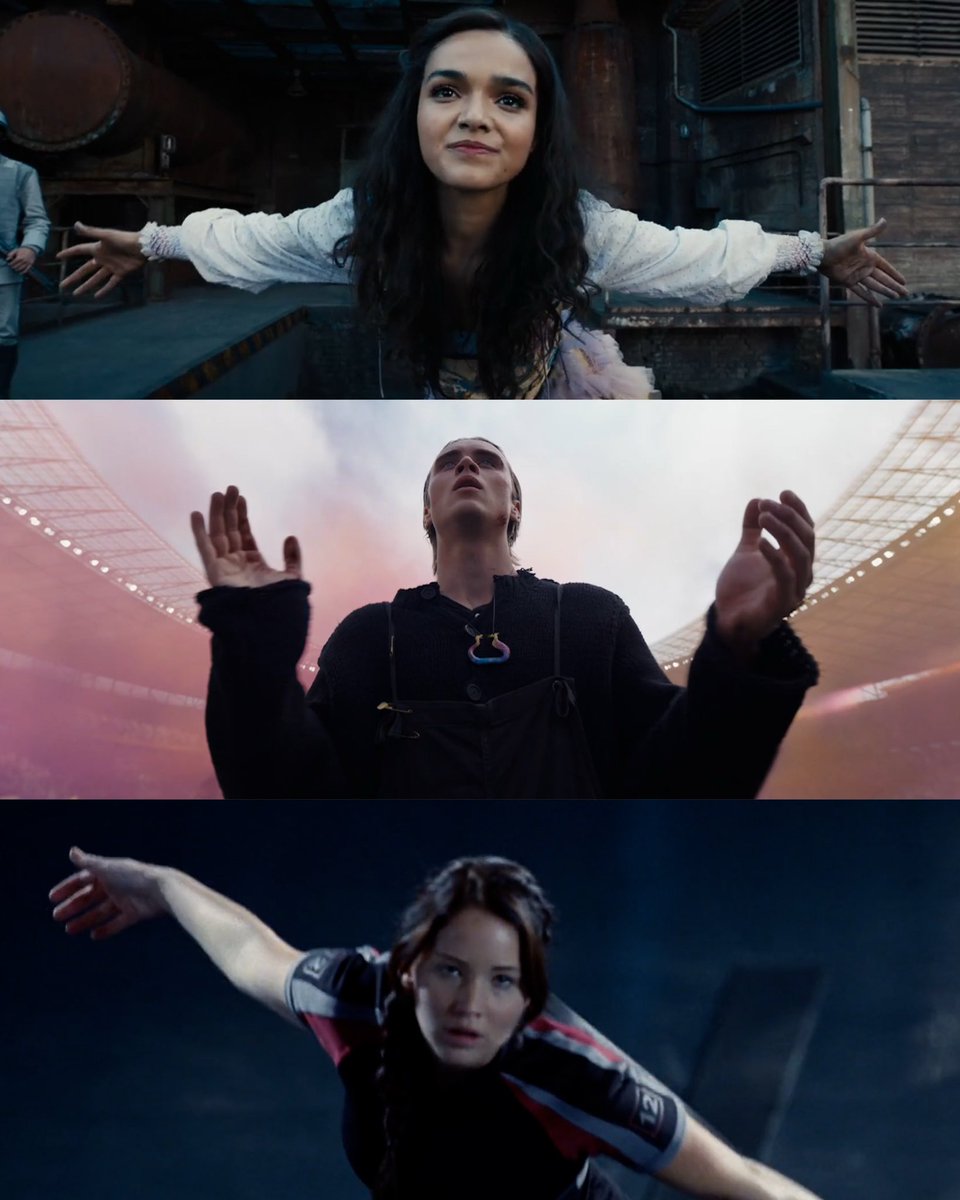
Unfortunately you have to stan the things that you love. That’s how you make sure they survive, and stay. But some of you think stanning is beneath you and that the art and media that you love will miraculously thrive without your real involvement or commitment.