If losing weight were the hard part,
most people would already be at their goal.
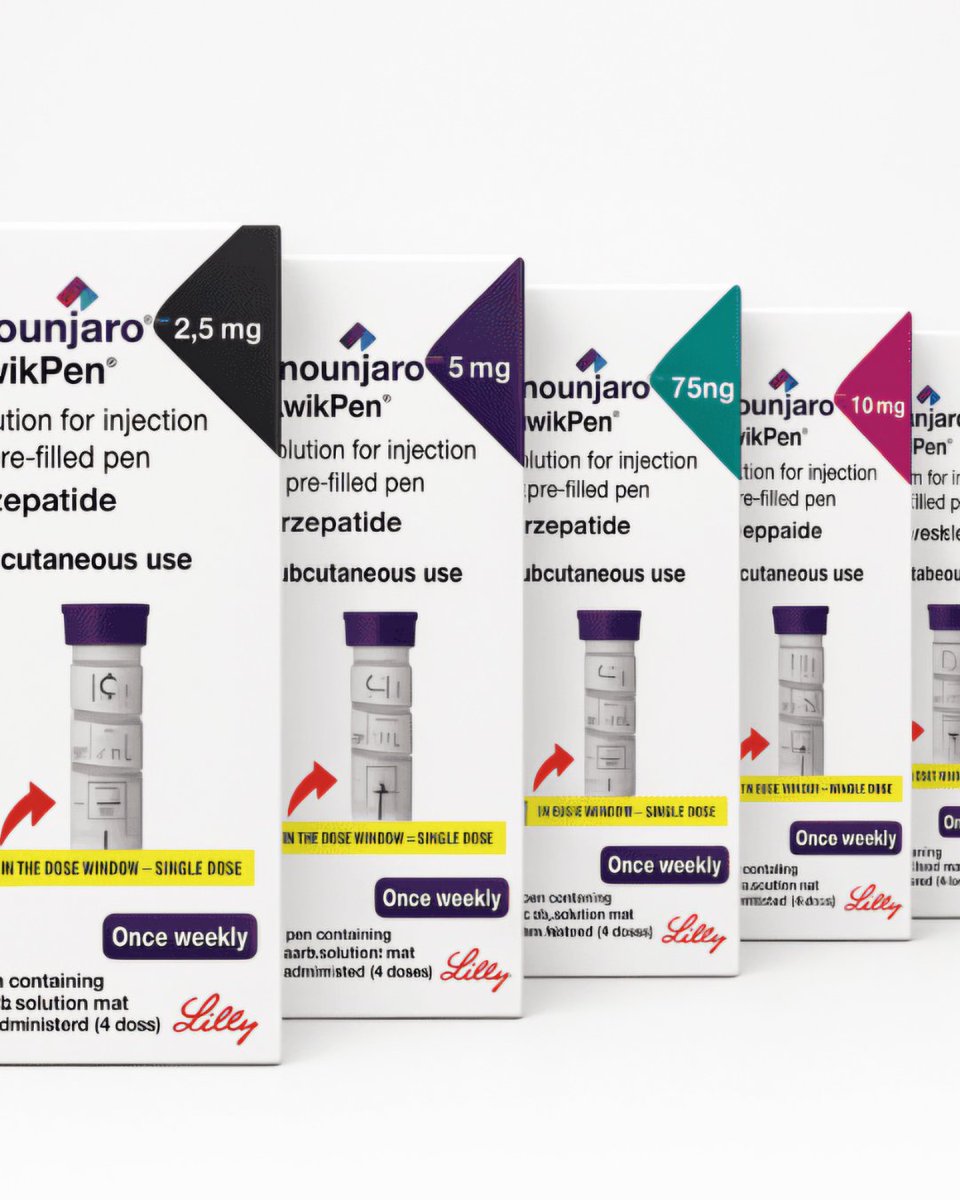
The real challenge has always been maintaining weight loss results.
Crash diets, random workouts, and skipping meals might give you quick results,
but they rarely give you lasting results.
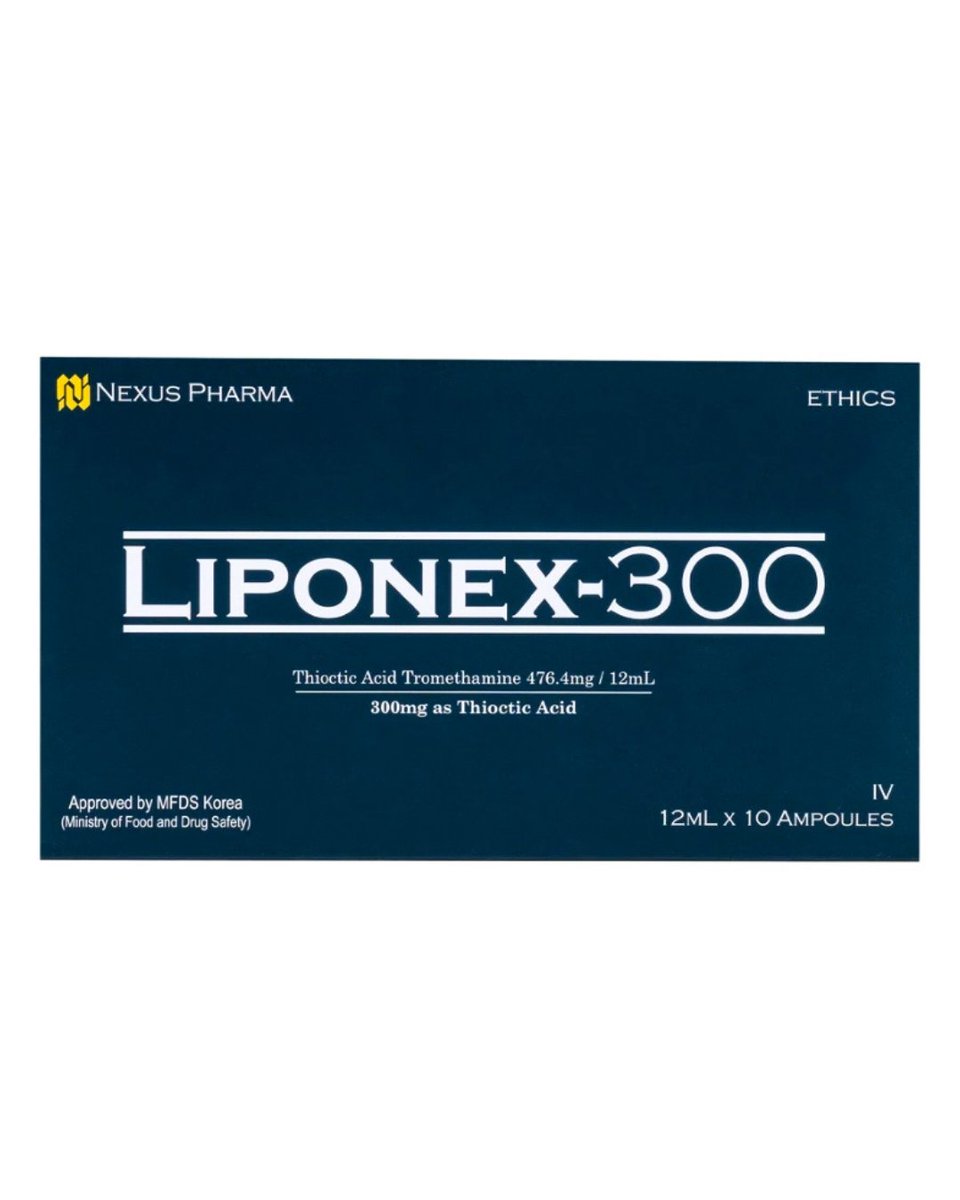
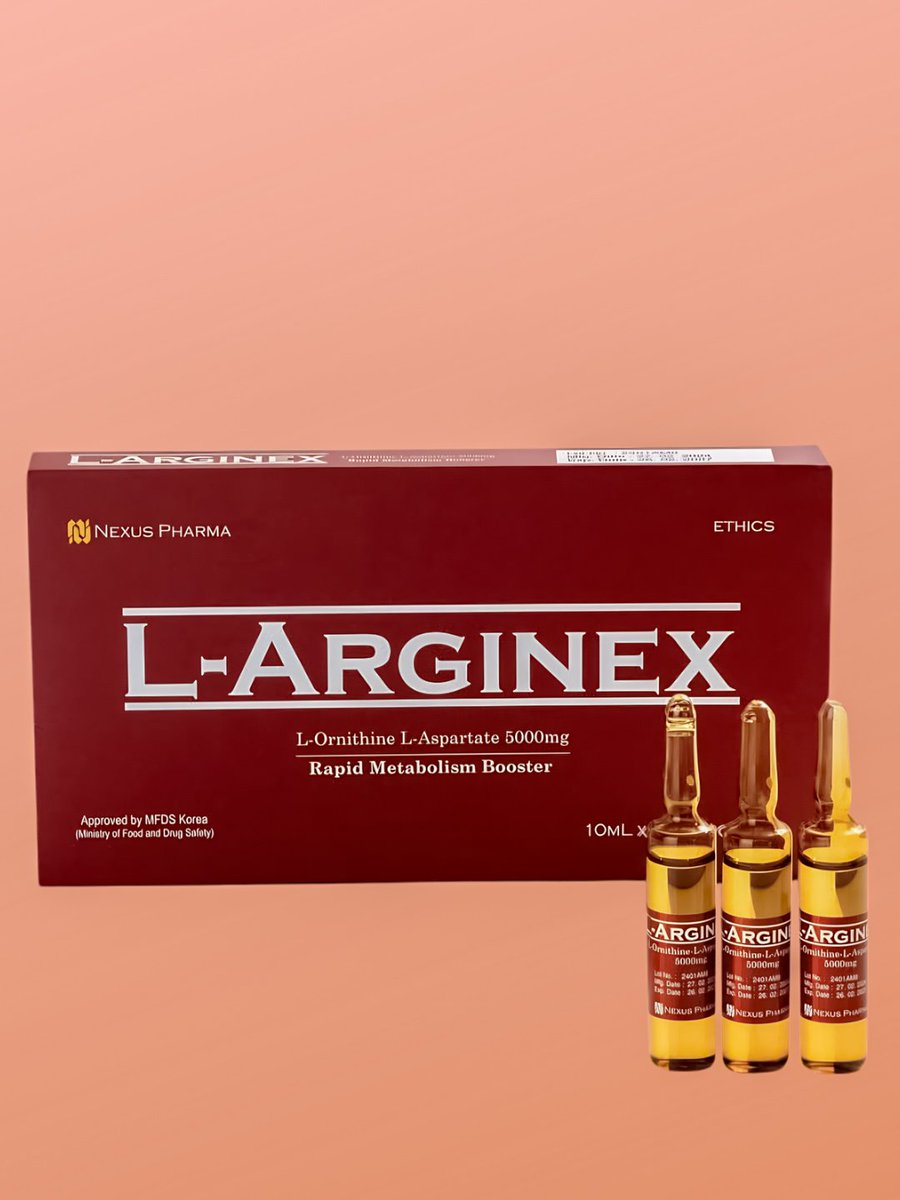
▪️ Supportive body treatments.
▪️ Continuous guidance to keep you accountable and consistent.
Because sustainable weight loss isn’t about doing more, it’s about doing the right things consistently.
If you’re tired of starting over every few months,
The best treatments only go so far when you overlook hyperpigmentation triggers peculiar to your lifestyle.
It's easy to assume hyperpigmentation is solely caused by UV light.
While this is often true, other common triggers are easy to miss.
Hyperpigmentation is frequently attributed to sun or extreme UV exposure.
In reality, many cases persist because of everyday triggers that are often overlooked.
Some of the most common include:
▪️Inflammation
This can result from acne, irritation, or overly aggressive treatments.
▪️Blue light exposure, especially during prolonged screen time, can stimulate melanin-rich skin.
▪️Hormonal changes are a significant factor in conditions like melasma.
▪️Excessive exfoliation
Overusing acids can weaken the skin barrier and worsen pigmentation.
▪️Irritating products
Particularly physical scrubs that cause repeated micro-injury to the skin.
▪️Heat
Frequent exposure to saunas, steam rooms, and hot showers.
High temperatures in industrial workplaces can increase pigment production.
It’s not always about adding more products; sometimes, it’s about reducing the triggers that cause a recurrence.
PSA: TCA Peels are not suitable for everyone.
Recently, I've noticed an increase in women experiencing burns from self-administered TCA peels... and it’s alarming.
Here’s the truth:
TCA peels are potent. Even when performed by an experienced professional, there’s still a risk of burns.
Things can escalate quickly.
The deeper the burn, the more intense the hyperpigmentation, and the longer recovery will take.
A TCA peel isn’t a quick fix for a glow-up.
It’s a serious treatment with real risks.
Even simple sun exposure (yes, even with sunscreen) a few weeks after can lead to lasting damage.
If you’re considering a TCA peel:
▫️Get a thorough skin assessment first.
▫️Understand your skin type, and how your occupation, lifestyle, and daily activities might affect your results.
▫️Be prepared for the cost of post-peel care; this isn't the time to cut corners on hyperpigmentation treatments or sun protection.
Your face card isn't something you gamble with.
My Brutally Honest Review of Viral Korean Skincare Products.
Let’s talk about the elephant in the skincare room: viral Korean skincare products.
They are everywhere, on your feed, in your DMs, and all over your "For You" page.
Influencers swear by them, call them holy grails, and hype them up like they have discovered the fountain of youth… but I’m not buying all of it.
And no, this isn’t a hate post or a hot take for clicks.
I have invested time (and a lot of money) into testing a wide range of these viral products across different skin types, including my own, to see how they perform outside perfectly lit, sponsored content.
What I found? Some of these products genuinely deserve the love. Others… not so much.
These reviews will be the first in this series, and they’re my unfiltered, unbiased take on what actually works, what’s overhyped, and what you can confidently skip, so you don’t have to waste your money or your skin barrier finding out the hard way.
I will start with these products, they were a huge miss and i dare say a waste of money.
▪️K Secret Seoul 1988 line.
▪️Anua Heartleaf Oil Cleanser.
▪️Anua Quercetinol Pore Deep Cleansing Foam.
▪️Jumiso All Day Vitamin VC-IP 1.0 Firming Serum.
▪️Cosrx Advanced Snail Radiance Dual Essence.
▪️Medicube Kojic Acid Tumeric Night Wrapping Mask.
Are there products you would like me to try?
Let me know in the comments.
Do you know toners aren't just for your face?
They can also be used on your neck, decolletage, hands and all over your body.
I never used to push toners because I always thought "Why add another step to an already stressful skincare routine?"
Using toners is a game-changer and your skin will thank you.
This toner gives a beautiful healthy glow and works really well.
It's one of my favourite recommendations for skin brightening.
For best results alternate with a more hydrating toner.
Having treated skin pigmentation in African skin for many years, I would like to share these:
▪️Be cautious with aggressive treatments.
Aggressive treatments can worsen hyperpigmentation, especially in darker skin tones. Avoid combining strong acids, such as 25% glycolic peels, with high-strength hydroquinone on your face or exposed areas, as this can cause rebound hyperpigmentation that’s hard to manage.
▪️Avoid medium- or deep-strength or too-frequent chemical peels.
They can irritate or burn your skin and lead to darker spots that last longer.
I suggest keeping TCA peels at or below 15% for your face and neck.
▪️Don’t over-exfoliate, as this can weaken your skin’s barrier, cause prolonged inflammation, and slow the fading of spots.
▪️Consistent use of sunscreen is very important, as UV and visible light can activate melanin cells, making dark spots stubborn and diminishing the effectiveness of treatments.
▪️Always use a good moisturiser that truly nourishes and protects your skin, rather than just a gel that gives a temporary glow.
In the end, managing hyperpigmentation beautifully relies on gentle, steady routines that focus on protecting your skin’s barrier and daily sun protection.
These simple, consistent steps will help you see more reliable, long-term improvements, revealing a clearer, more even skin tone.
Adult Acne Is Influenced by More Than Skincare
For adults prone to acne, breakouts are rarely controlled solely by skincare.
Other common triggers include:
- Hormonal fluctuations (particularly jawline and chin acne)
- Chronic stress
- Disrupted sleep
- Dietary changes
- Menstrual cycle shifts
- Climate and seasonal changes
Even the most effective acne skincare routine cannot fully counteract the effects of hormonal or lifestyle influences.
One of the biggest mistakes adults make with acne treatment is switching products too often.
Here’s a realistic timeline:
- Weeks 1–4: Possible skin purging or mild irritation
- Weeks 4–6: Early signs of improvement
- Weeks 8–12: More consistent clearing
- 3–6 months: Noticeable improvements in texture and breakouts
Managing acne requires consistency. Frequently changing products can compromise your skin barrier and prolong breakouts.
Many adults prone to acne unintentionally damage their skin barrier by:
- Over-exfoliating
- Using multiple active ingredients at once
- Skipping moisturiser
- Applying harsh treatments in layers
A damaged skin barrier can lead to increased oil production, irritation, and more breakouts.
If your skin feels tight, stings when applying products, or remains persistently red, it may need barrier repair rather than more potent acne treatments.
Often, simplifying your routine with a gentle cleanser, a non-comedogenic moisturiser, sunscreen, and one targeted active will produce better long-term results.
However, not all breakouts are part of this process.
Consider reassessing your routine if you notice:
- Persistent cystic acne in new areas
- Severe inflammation or burning
- Breakouts worsening steadily beyond 8 weeks
- Signs of allergic reactions.
In such cases, discontinuing the new product and seeking advice from a dermatologist is advisable.
If you’re experiencing breakouts while on a treatment plan:
- Evaluate how long you’ve been using the product.
- Avoid adding multiple new products simultaneously.
- Resist over-exfoliating in an attempt to “fix” the breakout.
- Focus on hydration and supporting your skin barrier.
- Track patterns related to hormones or stress.
Consistency and patience are vital when treating adult acne.
For adults with acne-prone skin, improvement is rarely a linear progression.
A breakout doesn’t necessarily mean your skincare routine isn’t effective. It may mean:
- Your skin is adjusting to active ingredients
- Pre-existing congestion is surfacing
- Hormonal factors are driving inflammation
- Your barrier is recalibrating
Effective acne treatment is measured over months, not days.
If you’re committed to a structured routine and see gradual overall improvement, a temporary breakout often signifies progress towards clearer, healthier skin.
Understanding your skin’s patterns and allowing treatments sufficient time can make all the difference.
Adult acne can be frustrating.
You have invested in effective products, you make time for your skincare appointments, and are consistent with your skincare routine, but you are still having breakouts.
For adults susceptible to acne, transient flare-ups are typically part of the skin’s adjustment process.
This post will address the causes of breakouts, the differences between skin purging and irritation, and when you need to reassess your skincare regimen.
When initiating acne treatments particularly those containing active ingredients your skin may undergo a transitional phase.
Common ingredients used to treat acne include:
* Retinoids (retinol, tretinoin, adapalene)
* Salicylic acid (BHA)
* Benzoyl peroxide
* Alpha hydroxy acids (AHAs)
These promote increased cell turnover, pore cleansing, and reduce inflammation.
As they increase skin renewal, any underlying congestion may become obvious.
This is referred to as skin purging.
Skin purging occurs when active ingredients cause pre-existing clogged pores to surface more quickly than usual.
Indicators of purging include:
* Breakouts appearing in areas typically affected by acne
* Pimples are resolving more swiftly than usual
* New breakouts within 2–4 weeks of starting a product with a new active or at a higher strength than what your skin is used to.
* Visible skin improvements within 4–6 weeks
N.B- If new breakouts persist beyond 8 weeks, worsen significantly, or expand to new areas, the skincare product may not be appropriate for your skin type.
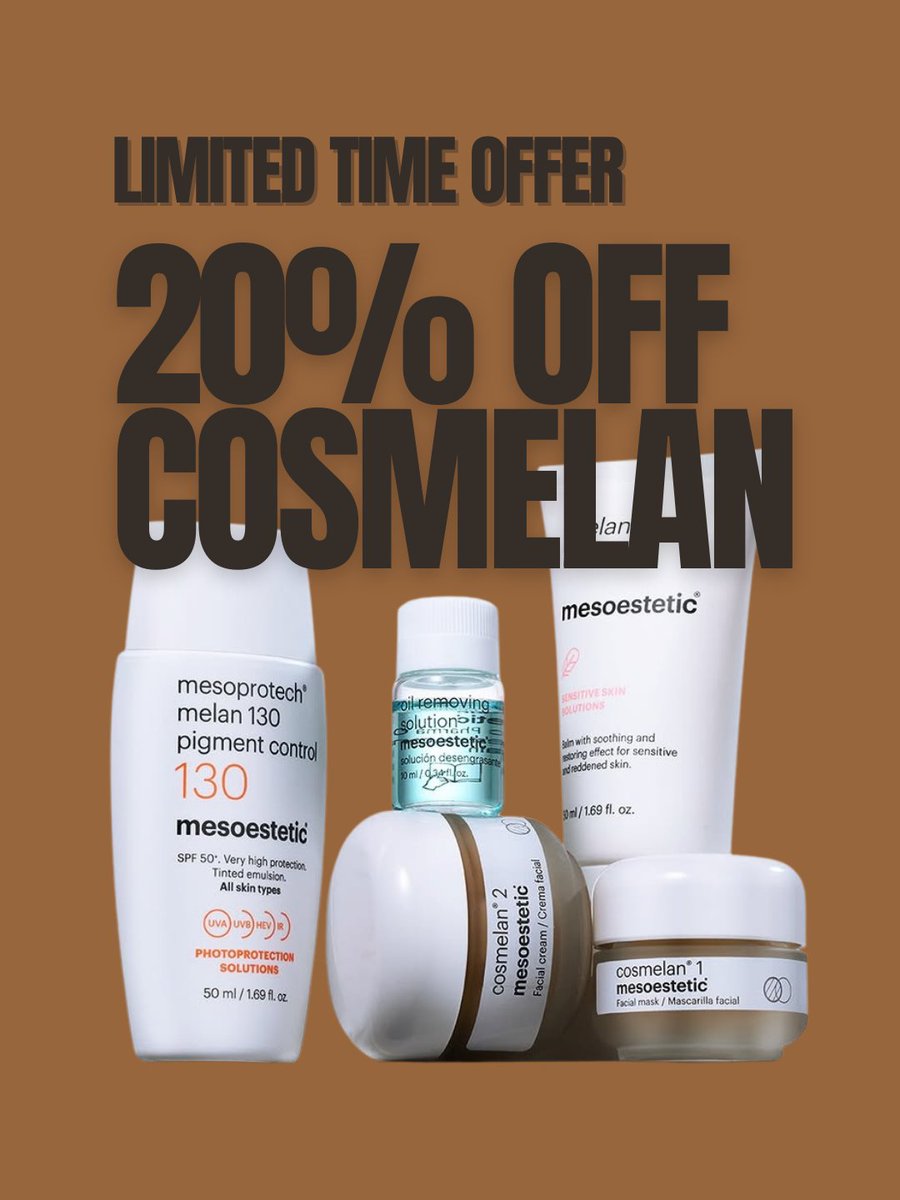
𝗟𝗜𝗠𝗜𝗧𝗘𝗗 𝗧𝗜𝗠𝗘 𝗖𝗢𝗦𝗠𝗘𝗟𝗔𝗡 𝗢𝗙𝗙𝗘𝗥 20% 𝗢𝗙𝗙!
If you have been struggling with stubborn pigmentation, melasma, or uneven skin tone, this is your opportunity.
Cosmelan is one of the𝘆 most effective professional treatments for correcting hyperpigmentation and
It's time we had this conversation, especially if your routine includes daily exfoliating treatments, consider this your sign to pause.
Exfoliating treatments, i.e. acids, retinoids, peels, and resurfacing serums, were never meant to be used every day.
Their purpose is to encourage skin cells to regenerate more quickly.
When you use them daily, your skin doesn’t have the opportunity to rest, repair, or rebuild.
This can appear as:
• A shiny appearance but a tight feeling
• Constant peeling that never seems to end
• Unexplained breakouts or burning sensations
• Dark marks suddenly appearing “out of nowhere”.
Initially, it looks like it’s working: smooth, glowy, filter-like skin. But weeks later, you may experience barrier damage.
Exfoliation requires recovery days. Those “boring” days filled with moisturiser, calming serums, and sunscreen?
That’s where the real skin transformation occurs.
This is a smarter way to exfoliate:
Use it at night only.
Start with 1–2 times a week.
Gradually increase frequency, if your skin tolerates it.
Focus on hydration, barrier repair, and SPF on non-exfoliating days.
More exfoliation doesn’t mean better skin; it often leads to irritated skin and irritated skin never ages well.
Vacations are a blast, but they can sometimes leave unwelcome souvenirs on the skin, such as stubborn dark patches, uneven skin tones, or melasma.
These little nuisances often appear after you have had fun in the sun and can typically result from sun exposure, shifts in your routine, and, essentially, all the fun you had while away.
Basically, it's a result of our skin's pigment-producing cells, called melanocytes, going into overdrive.
This can happen due to UV exposure, heat, inflammation, or sudden changes in our skincare routine.
While on a vacation, you might experience:
- More sun exposure
- Heat and humidity
- Irregular skincare habits
- Different foods and maybe a few cocktails
- Not applying sunscreen as often as you should
This is why dark spots might show up weeks after your fun in the sun.
Common Skincare Mistakes That Can Trigger Hyperpigmentation
1. Overdoing Active Ingredients: It’s super tempting to grab all your potent products when your skin starts acting up post-vacation. But remember, sun-exposed skin is often sensitive.
Why It Backfires: Using too many exfoliants can irritate your skin, causing inflammation, which in turn makes your melanocytes produce even more pigment.
You should be cautious with:
- AHAs and BHAs
- Retinoids
- Peels and scrubs
- Microneedling
2. Forgetting Sunscreen Once You're Back: Many of us associate sunscreen with beach days and then forget about it afterwards.
But guess what? Your skin is still sensitive after vacation, and skipping sunscreen can lead to more pigmentation.
Even small bits of sun exposure from your daily routine can deepen dark spots.
3. Using Irritating or Fragrance-Heavy Products: Those hotel toiletries or travel minis might smell lovely, but they often contain irritating ingredients.
Why It Matters: This irritation can lead to post-inflammatory hyperpigmentation (PIH), particularly around sensitive areas like your mouth and cheeks.
4. DIY Brightening Fixes: While it might be tempting to try out lemon juice or baking soda to brighten your skin,
Foods to Avoid That May Worsen Post-Vacation Pigmentation.
What you eat can significantly impact your skin. Consider avoiding the following:
1. High-Sugar and High-Glycemic Foods: Treats like pastries, sugary drinks, and cocktails can spike your insulin levels and increase inflammation, especially if you are prone to melasma.
2. Alcohol: Although enjoying a drink may be fun, alcohol can dehydrate your skin and slow down its healing process, leading to prolonged pigmentation.
3. Ultra-Processed and Fried Foods: These foods can increase oxidative stress and inflammation, which is not ideal for your recovering skin.
4. Certain Citrus and Photosensitising Foods: While they are healthy, foods like limes, lemons, celery, and parsley can make your skin more sensitive to the sun. If you know your skin is sensitive or prone to melasma, it’s wise to limit these after sun exposure.
Tips for Protecting Your Skin After Your Vacation.
Instead of rushing to fix dark spots, focus on gently calming and repairing your skin first.
Time for a Skincare Reset:
- Take a break from strong active ingredients for about 1–2 weeks.
- Prioritise hydration, barrier repair, and antioxidant-rich products.
- Always apply broad-spectrum sunscreen daily (yes, even when you’re indoors near windows).
- Gradually introduce brightening ingredients like niacinamide or azelaic acid.
Skin-Friendly Foods to Enjoy After Your Trip:
- Antioxidant-rich fruits like berries, pawpaw, and avocados
- Omega-3 fatty acids found in fish, flaxseed, and walnuts
- Foods high in zinc and vitamin C
- Drink plenty of water and herbal infusions to stay hydrated.
Remember, hyperpigmentation is usually a delayed reaction to sun exposure, heat, inflammation, and the various stressors that come from travelling. The real secret isn’t about aggressive treatments; it’s about being patient, protecting your skin, and nurturing it back to health.