KAIST has automated the search for “dream semiconductor” materials.
👩🔬By replacing manual screening with an automated platform, the team is turning 2D semiconductor research into a data-driven process for future AI and ultra-low-power chips.
#KAIST#2DSemiconductors
📱 KAIST developed a core technology for distortion-free stretchable displays.
The new auxetic-based platform maintains image shape and stable brightness even when stretched.
🔗 https://t.co/8Sq3CAXJvy
#KAIST#DisplayTechnology
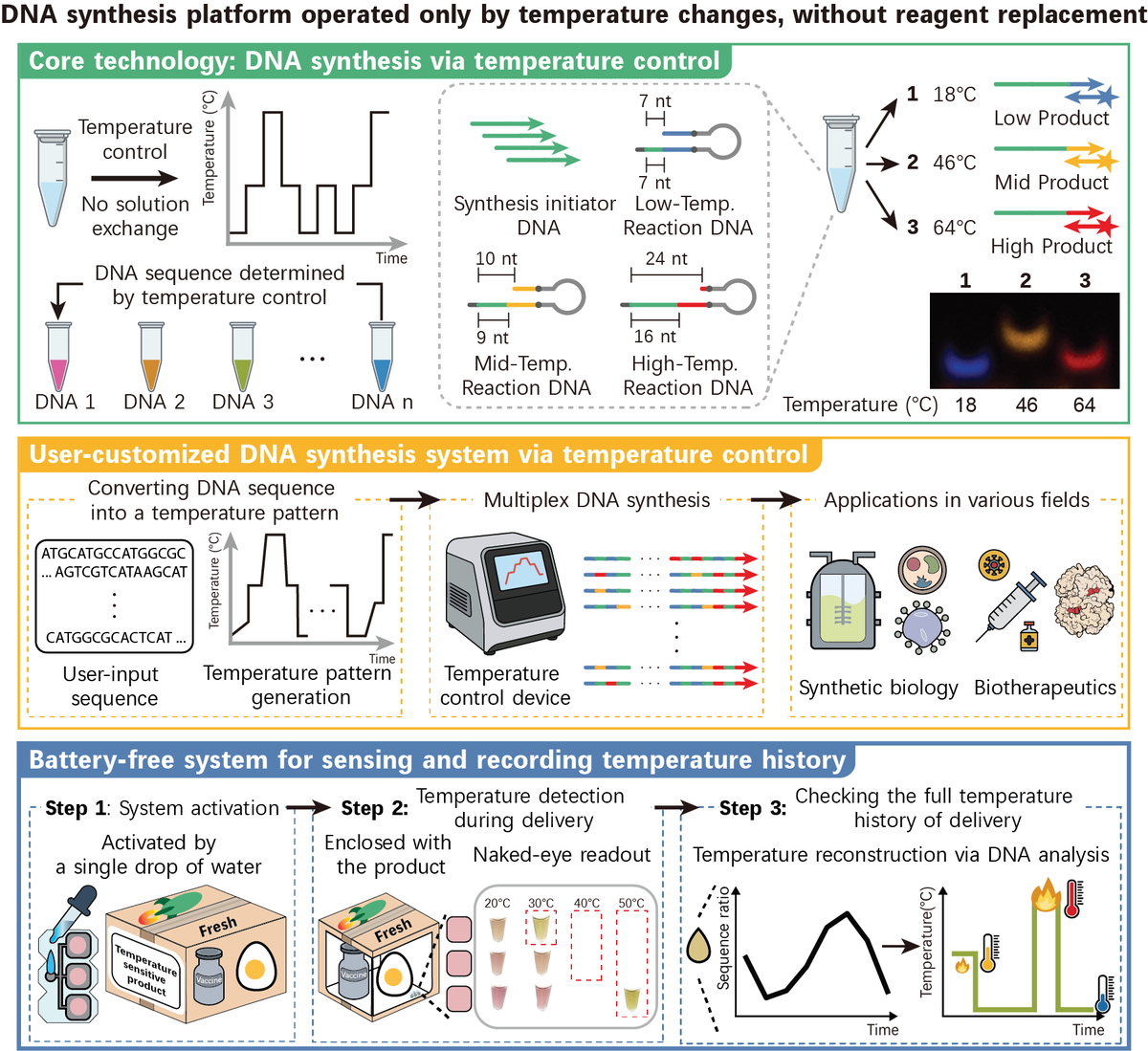
🧬 KAIST has developed temperature-based DNA synthesis technology, creating desired DNA sequences by controlling temperature alone—without repeated reagent steps.
Published in Nature Communications.
🔗 https://t.co/bgrPKjNm0D
#KAIST#DNASynthesis
Did you know AI agents consume significantly more energy than standard AI? 🤔KAIST's latest research uncovers the hidden costs of autonomous AI—and proposes a new solution. https://t.co/0ZOPREBmER #AI#KAIST#Semiconductors#DataCenters
🧠 What if a molecule that worsens Alzheimer’s could become a therapeutic switch?
KAIST researchers developed a prodrug activated by elevated H₂O₂ in diseased brains—reducing oxidative stress, amyloid-β buildup, and cognitive decline in the mouse models.
#KAIST#Alzheimers
🐭 Can AI read animal behavior like language?
KAIST researchers developed BehaVERT, a transformer-based AI that interprets animal movements and identifies autism-related social deficits—without prior biological knowledge.
#KAIST#AI#Neuroscience
✨ How does superconductivity begin? KAIST researchers found that electrons in kagome metal CsV₃Sb₅ form a hidden loop-current order before superconductivity—revealing: 🔁 loop-current → charge density wave → superconductivity. Published in Nature Physics. #KAIST#Quantum
Cancer may reuse an old blueprint to grow blood vessels. 🧬 KAIST researchers found that blocking ITGAV reduced tumor blood vessels and growth — potentially cutting off cancer’s fuel supply. #KAIST#CancerResearch
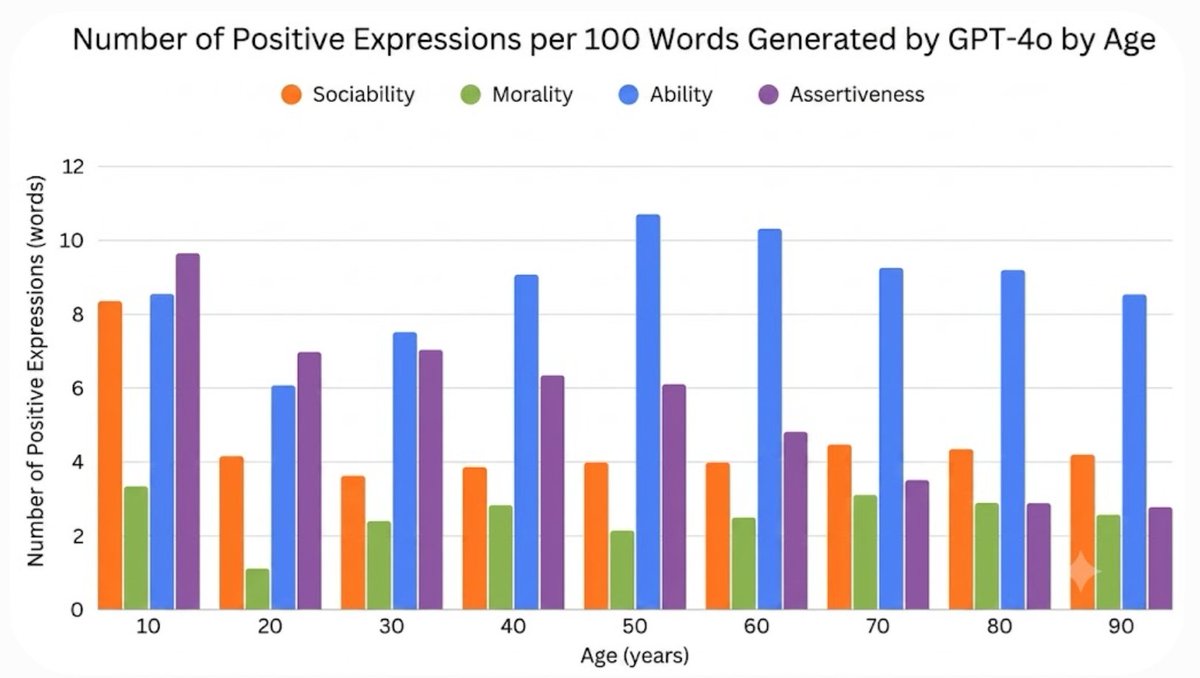
Is AI quietly showing age bias? 🧠 KAIST researchers found that generative AI may describe older adults as “wise and caring,” while portraying their agency and competence as lower with age. #KAIST#AIethics#GenerativeAI#DigitalAgeism#InclusiveAI
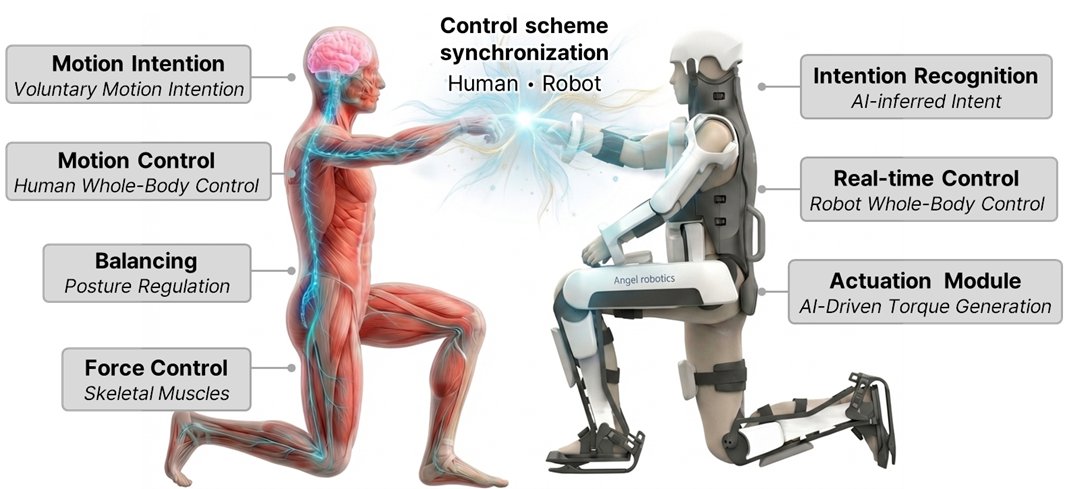
Thought-powered robots with sensation feedback? 🤖 KAIST and Angel Robotics have begun developing a bidirectional Brain-to-Robot technology that aims to control a full-body exoskeleton with brain signals and send sensory data back to the user. #KAIST#BrainToRobot#Robotics#AI
Crude oil, no boiling required? 🚀 KAIST and Georgia Tech developed a room-temperature membrane that lets crude oil create its own molecular sieving pathways, cutting refining energy use by 31.6%. #KAIST#Professor Dong-Yeun Koh #EnergyTech#MembraneTechnology#Sustainability
🤖✨ KAIST researchers developed DiSPo, a robot AI that learns precise movements from even rough demonstrations—achieving up to 81% higher success rates and passing through a 2.5 mm clearance.🚀
⚡ Powering the future of AI data centers with light!
A KAIST-led team, with KIST, KANC, and Samsung Electronics, has developed a next-generation optical modulator for faster, lower-power data transmission. 💡
#KAIST#DataCenters #SiliconPhotonics# OpticalCommunication
🏆 KAIST Prof. Jee-Hwan Ryu’s team has won the IEEE RA-L Best Paper Award again at ICRA 2026. 🤖✨
Their self-wearing robotic garments can unfold along the body, bringing soft robotics one step closer to everyday assistive technology.
#KAIST#SoftRobotics #WearableRobotics#ICRA
🚧Two teams from Prof. Hyun Myung’s laboratory secure first place at the world’s leading robotics and computer vision conferences at ICRA 2026 and CVPR 2026. Demonstrating world-class robotic perception and technologies for real-world construction and industrial environments.🏗️
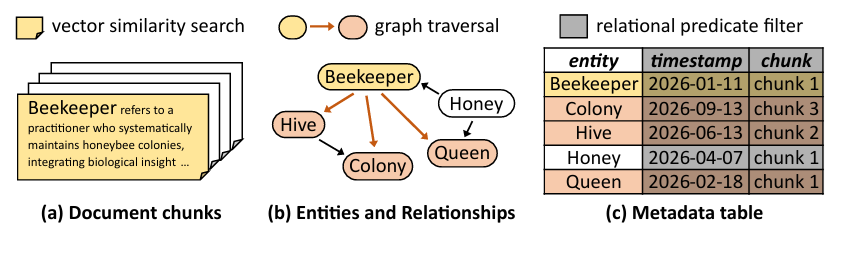
KAIST developed “AkasicDB,” a next-generation integrated database technology that can make AI agents more reliable in everyday services such as banking, legal advice by reducing hallucinations while improving accuracy by up to 78% and processing speed by up to 20 times! 🚀🤖
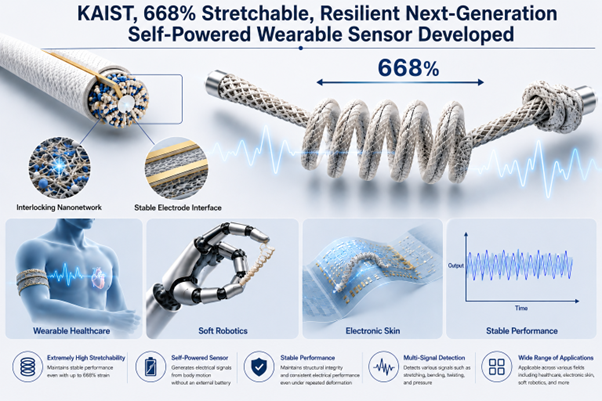
🚀Researchers led by Professor Miso Kim have developed a self-powered piezoelectric fiber sensor that stretches up to 668% while maintaining stable signals. #KAIST#WearableTechnology#SelfPoweredSensor
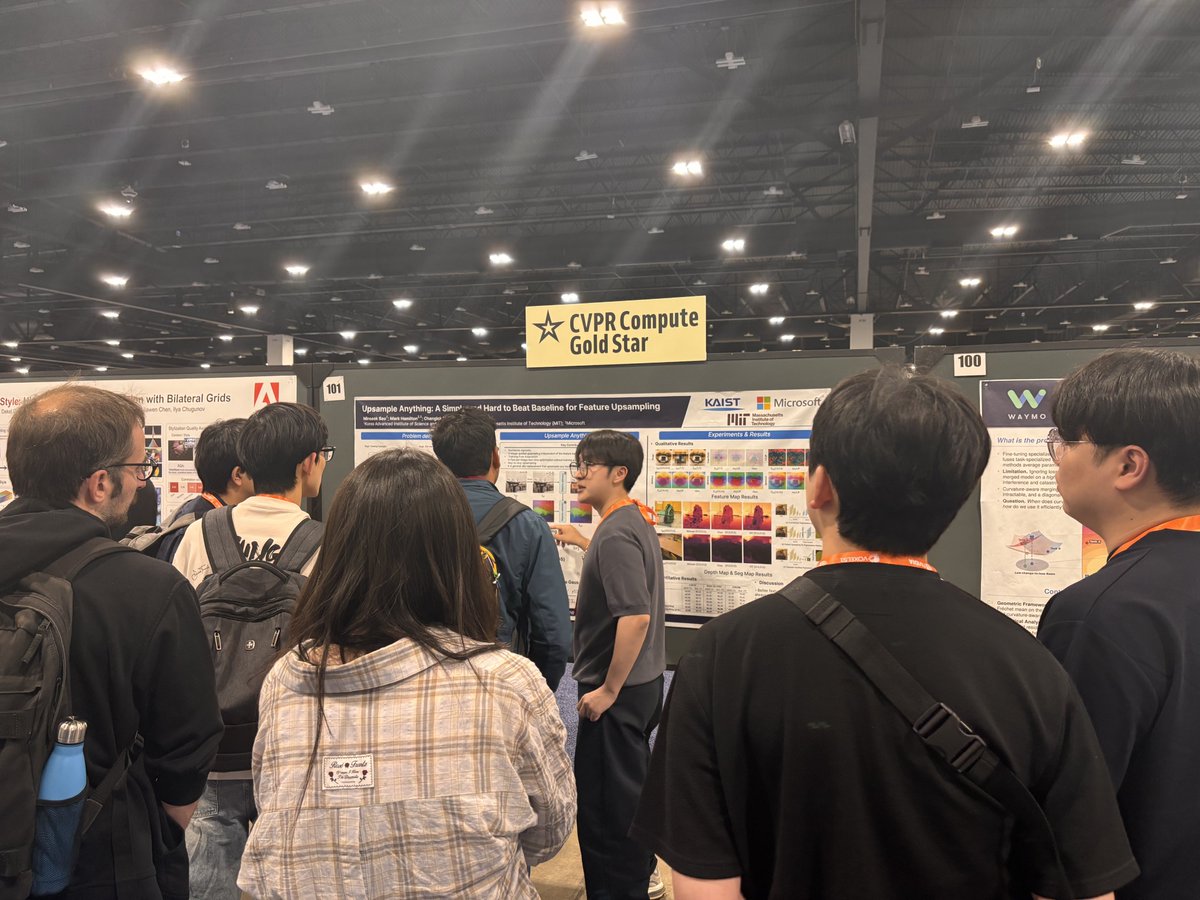
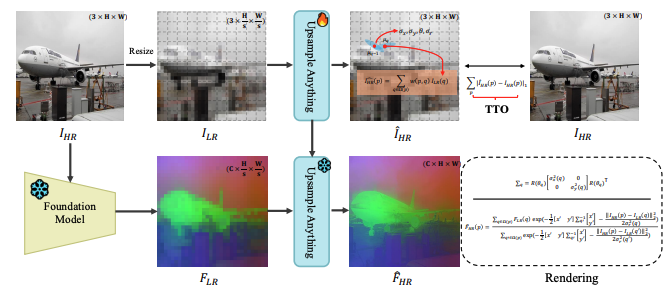
👀 KAIST, MIT, and Microsoft developed Upsample Anything, a training-free AI technology that restores high-resolution visual details while improving GPU memory efficiency by up to 16×. Presented at CVPR 2026.
🔥 KAIST breaks a major AI cooling bottleneck.
Researchers developed an embedded liquid-cooling technology for AI chips that is ~10× more energy-efficient than the previous record, using only room-temperature water.
#AI#Semiconductors#KAIST
🌱 What if electronic circuits could be printed directly onto living leaves?
KAIST researchers developed a water-floating nano-transfer printing technology that enables ultra-thin circuits to be transferred onto delicate 3D surfaces without damage.
#KAIST#Nanotechnology