@BBCNewsnight@hawkins_carole From Cllr Ewart, Suffolk
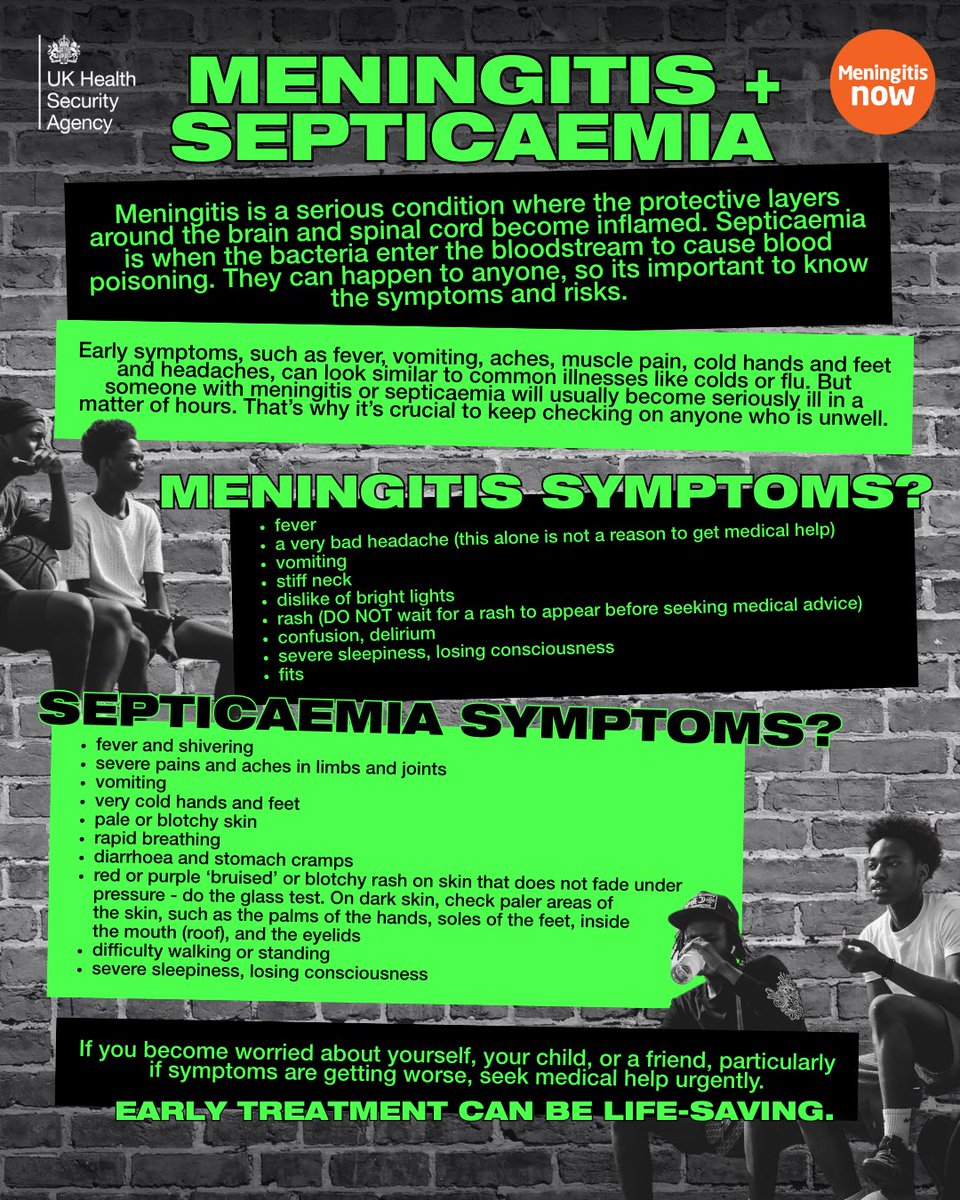
Following the meningitis outbreak in Kent, the UK Health Security Agency (UKHSA) have issued the following which you may find helpful. Copy & share
https://t.co/OLGM7oUrM2
After leading 41 training sessions, visiting 27 schools and working with thousands of teachers since January, I think I’ve got a fairly good handle on the mood in the profession. Here’s what I’ve observed.
Everyone is working flat out. Harder than they’ve ever worked before.
Rugby league legend Kevin Sinfield has just finished seven ultramarathons in seven days!
It's all to raise vital money and awareness for Motor Neurone Disease, in honour of his former Leeds Rhinos teammate, Rob Burrow.
Kevin and his team have remarkably raised more than £10 million for MND charities since undertaking the first of six challenges in 2020.
#MND #MotorNeuroneDisease #RobBurrow @mrdanwalker@mndassoc
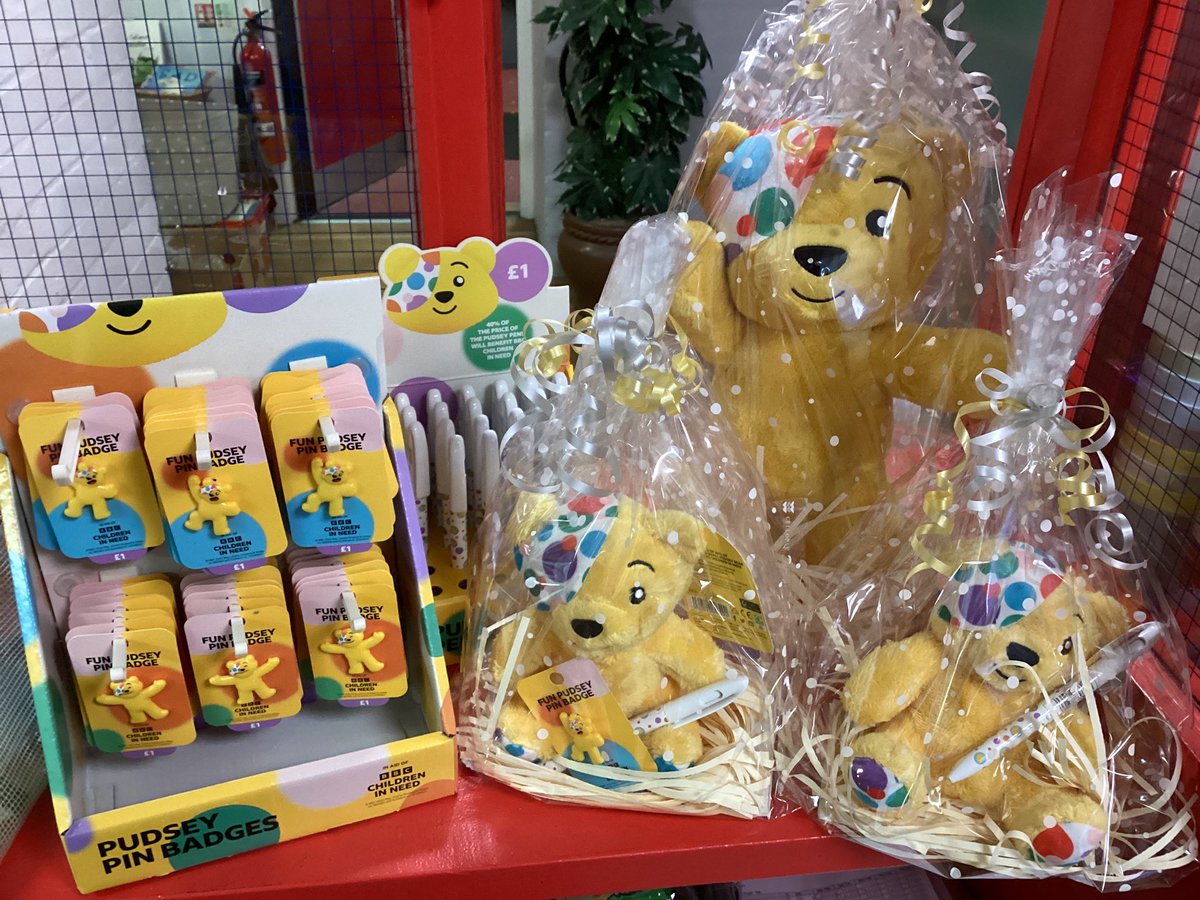
Roll up, roll up! Our Pudsey goodies are now on sale! Pens and badges are £1 each. Raffle tickets £1 per strip for a chance to win one of 3 cuddly Pudsey bears. Please help us raise money for BBC Children in Need and put a big smile on Pudsey’s face! Thank you! 🤗😀
Does your toddler call every animal a dog? Or call the moon a ball?
Both are examples of a perfectly normal toddler behavior known as overextension.
There’s a lot of language to learn as a toddler - and so it’s not uncommon for young children to generalize use of the words they DO know to make up for those they don’t.
I loved watching this little guy (shared to IG by LeannePearson and shown here at 26 months) as he measures a chair with a tape measure.
“How big is it?” Mom asks.
Our hero’s brilliant response: “Thirteen dollars.”
It’s a wonderful example of overextension - and window on his growing language development.
You’ll note that $13 is not a random or outlandish response.
He knows that the situation calls for a quantity and a unit of measure. The word “inches”isn’t a part of his linguistic toolbox just yet… but dollars is.
What a clever and telling response! I can’t help but think that in the moments after this video some new vocabulary was introduced.
Where does/did your child use overextension to describe things?
It’s true: Infants not only babble with an accent, but even their cries reflect the unique musicality of their mothers’ native languages.
Many of you tagged me this week on this video shared by p0lar_fawn (X), which depicts the babbling of a happy French baby.
If you listen closely, you’ll notice that the phrasing, intonation and vowel sounds in the little one’s vocalizations - while not yet conventional - sound distinctly French.
Speech therapists call this prosody and - believe it or not - it’s something infants begin picking up in utero, even before they enter the world.
As the senses activate near the end of the third trimester, children are exposed not only to the tone of their own mothers’ voices but the prosody of their spoken language. After birth these patterns are evident in both the intonation of their cries and their earliest speech sounds.
It’s all a part of language acquisition - and truly amazing to behold.
In the dark welsh valley,
On the mountain side,
Lay the little children
Close to where they died.
Their little lives are ended
Before they reach their goal,
Tender little children
Have paid the price of coal.
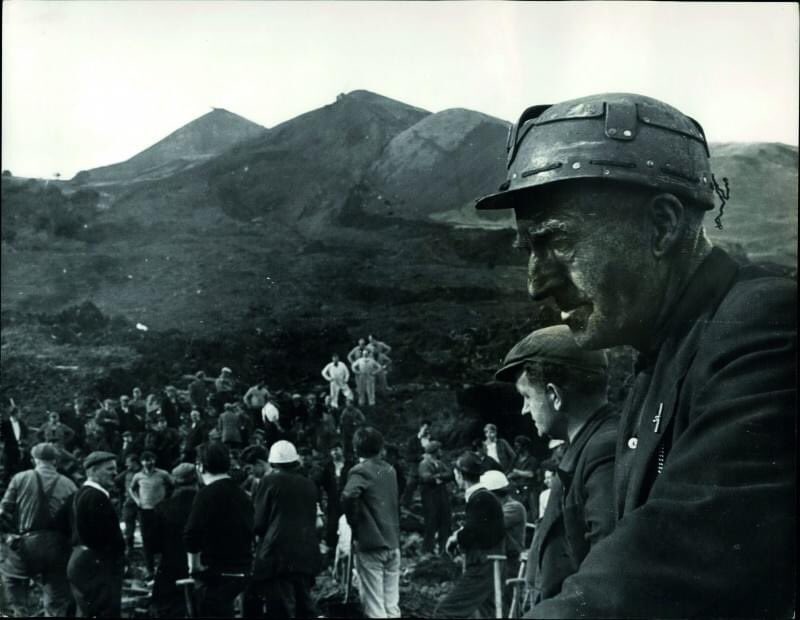
We will never forget - Aberfan 21-10-66 #AberfanDisaster