What sets @VRubinObs apart?
Over 10 years, Rubin will be mapping the southern sky to create a comprehensive map of the cosmos. It will guide astronomers where to look next, and reveal our universe at scales previously unimaginable.
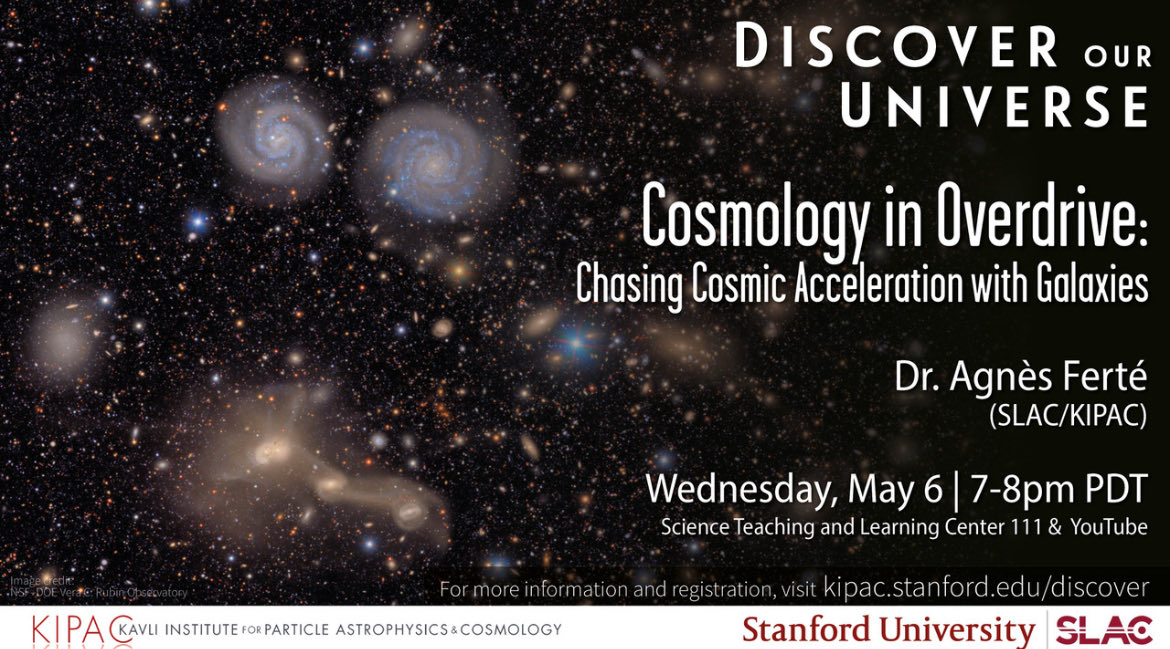
Join us Wed. May 6 at 7pm PDT for our public lecture with Dr. Agnès Ferté (SLAC/KIPAC): “Cosmology in Overdrive” and learn about how galaxy surveys like DES and Rubin are helping us probe dark energy, cosmic acceleration, and gravity itself!
RSVP:
https://t.co/AdJ3mu1sHI
Join us Wed. May 6 at 7pm PDT for our public lecture with Dr. Agnès Ferté (SLAC/KIPAC): “Cosmology in Overdrive” and learn about how galaxy surveys like DES and Rubin are helping us probe dark energy, cosmic acceleration, and gravity itself!
RSVP:
https://t.co/AdJ3mu1sHI
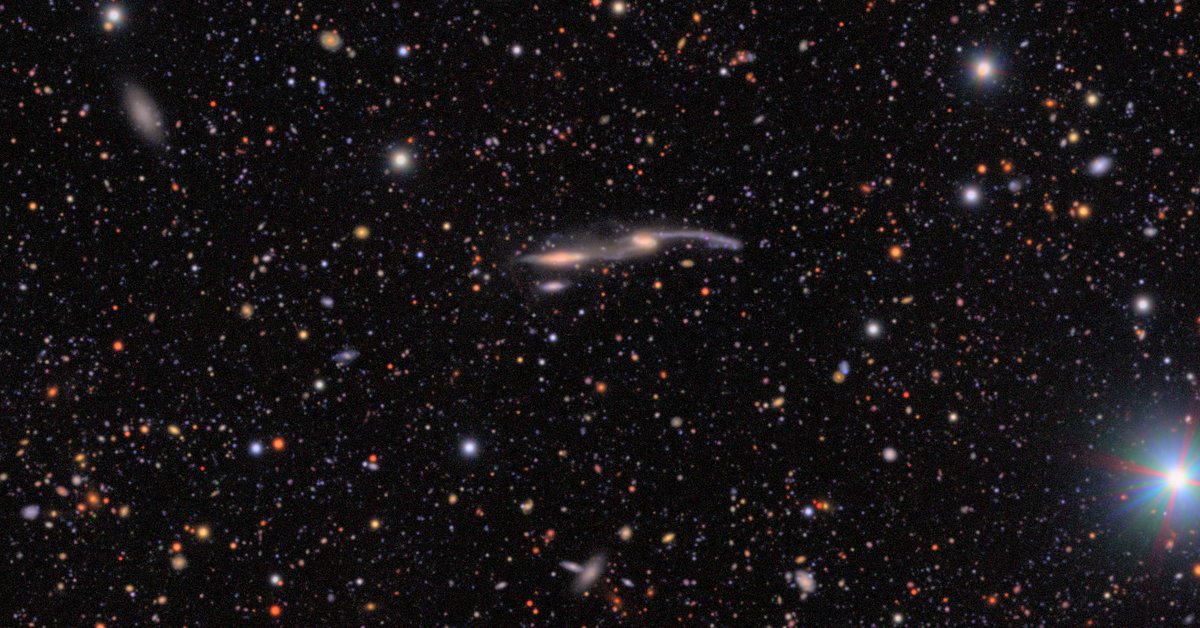
Not all galaxies wander space alone...and sometimes they're too close for comfort 😬
Galaxies can interact, collide, and merge. By studying snapshots of these interactions, scientists can gain insight into how galaxies evolve over billions of years⏳
11,000 new asteroids found! ☄️
This includes 33 previously unknown near-Earth objects (none of which pose a threat to Earth), discovered just from @VRubinObs preliminary testing data: https://t.co/zFvjXTz1SP
We kicked off our 2026 Rubin Series with a talk at College of San Mateo. One of our grad students, Theo Schutt brought the universe to 70+ people with stunning First Look images from @VRubinObs. Stay tuned for our next stop at De Anza College on April 23! https://t.co/ST3pJ49sNg
What an exciting moment for all of us here @KIPAC1 and @SLAClab!
Decades of contributions from our members current and past have made this new engine for astrophysical discovery possible. We can't wait to see what's waiting to be uncovered in the @VRubinObs alert stream!
Alerts incoming❗
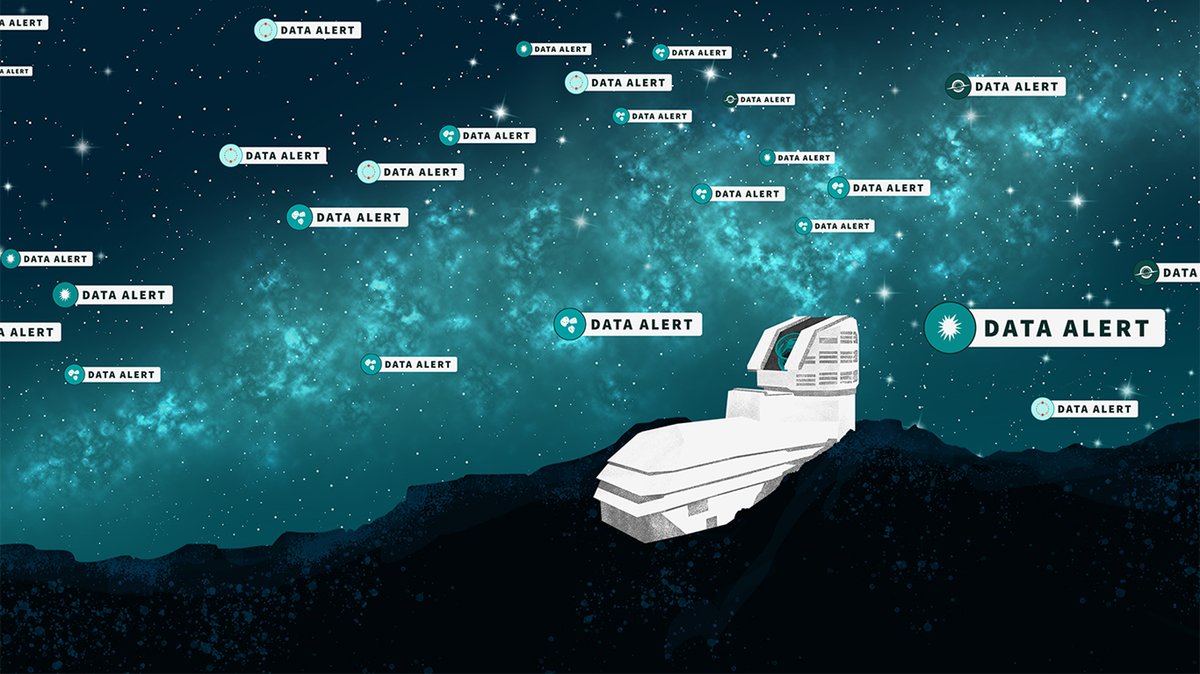
The first scientific alerts from @VRubinObs have begun and they are all coming to SLAC, home of the U.S. Data Facility.
This milestone helps us #CaptureTheCosmos even before the 10-year survey of the night sky begins: https://t.co/QEGZg8EUow
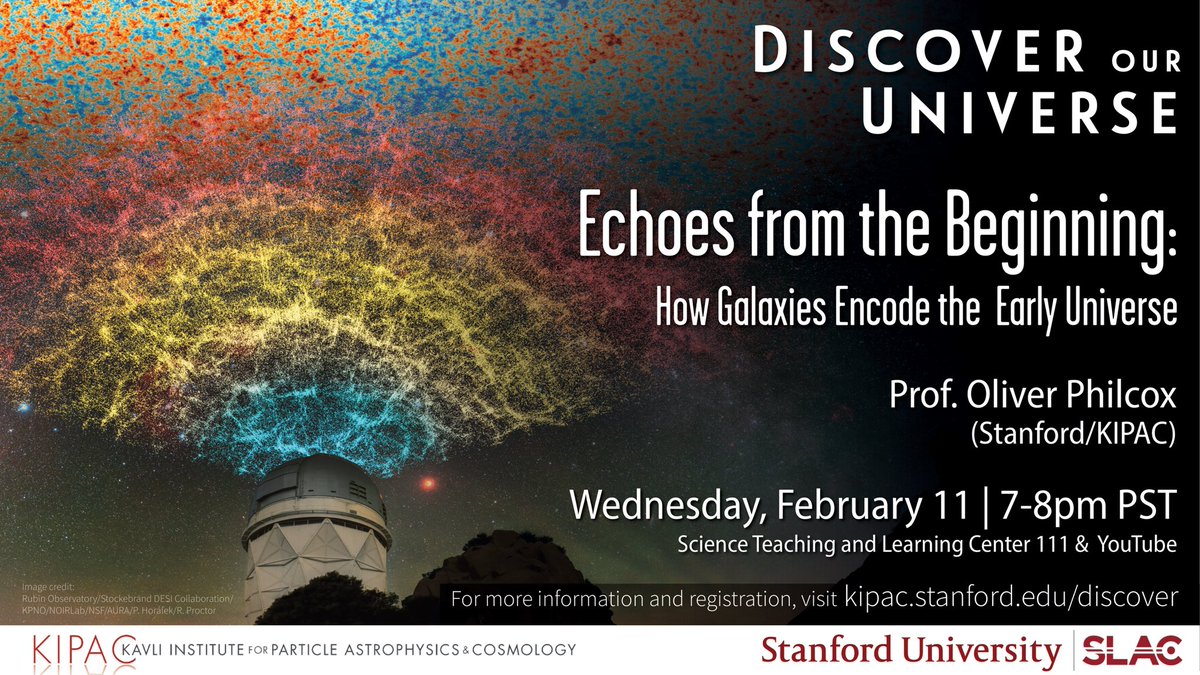
Ever wondered how we study the very beginning of the Universe?
Join us tomorrow at 7:00 PM PT to learn how information from galaxies helps scientists infer the infant stages of the Universe! Attend in person or online — register for free at https://t.co/aaL3JTXowN
Congratulations to our very own @Berniried on taking 1st place in the Annual Review of Nuclear and Particle Science 2025 Video Contest! Check out the video here: https://t.co/5HQBjFw4f7
Ever wondered how we study the very beginning of the Universe?
Join us on Wednesday, Feb. 11 at 7:00 PM PT to learn how information from galaxies helps scientists infer the infant stages of the Universe! Attend in person or online — register for free at https://t.co/aaL3JTXowN
What is the universe made of? 🌌
And how do projects like @theDESurvey and @VRubinObs advance our knowledge of dark energy, dark matter and other cosmological phenomena?
These answers, and more: https://t.co/z3kBdwSeEi
"It really shows the power of this data because were looking at so much of the sky in every image."
#ICYMI SLAC's Aaron Roodman spoke with @nbcbayarea about a record-breaking asteroid found by @VRubinObs before the 10-year survey even begins!
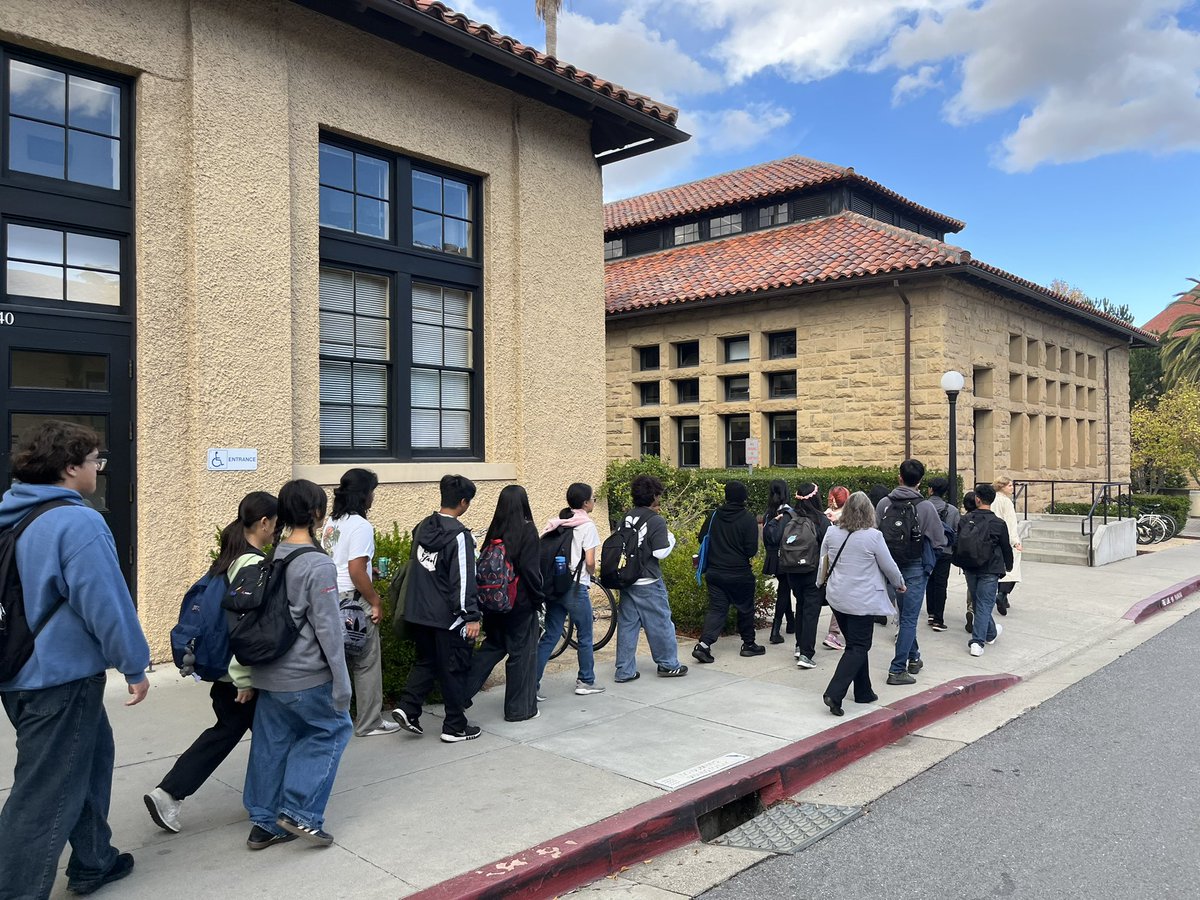
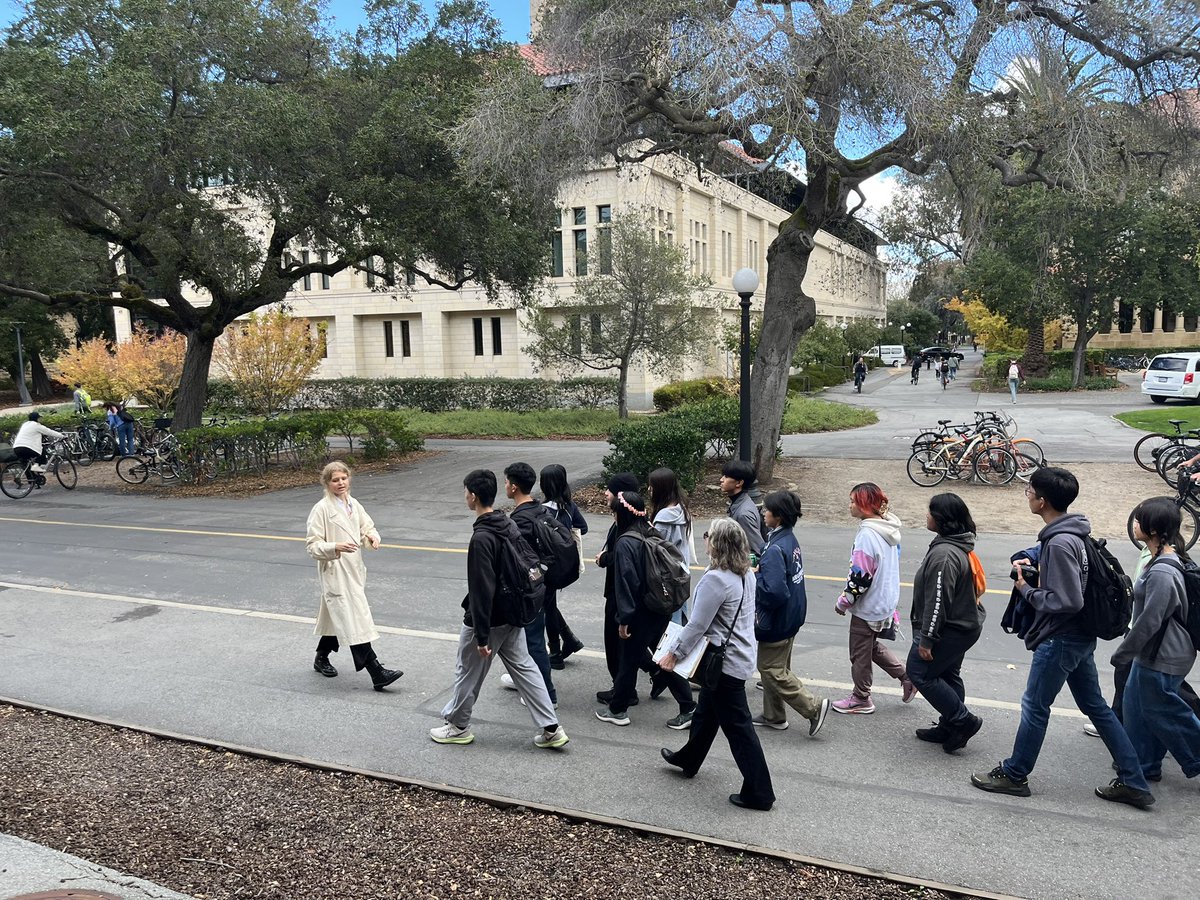
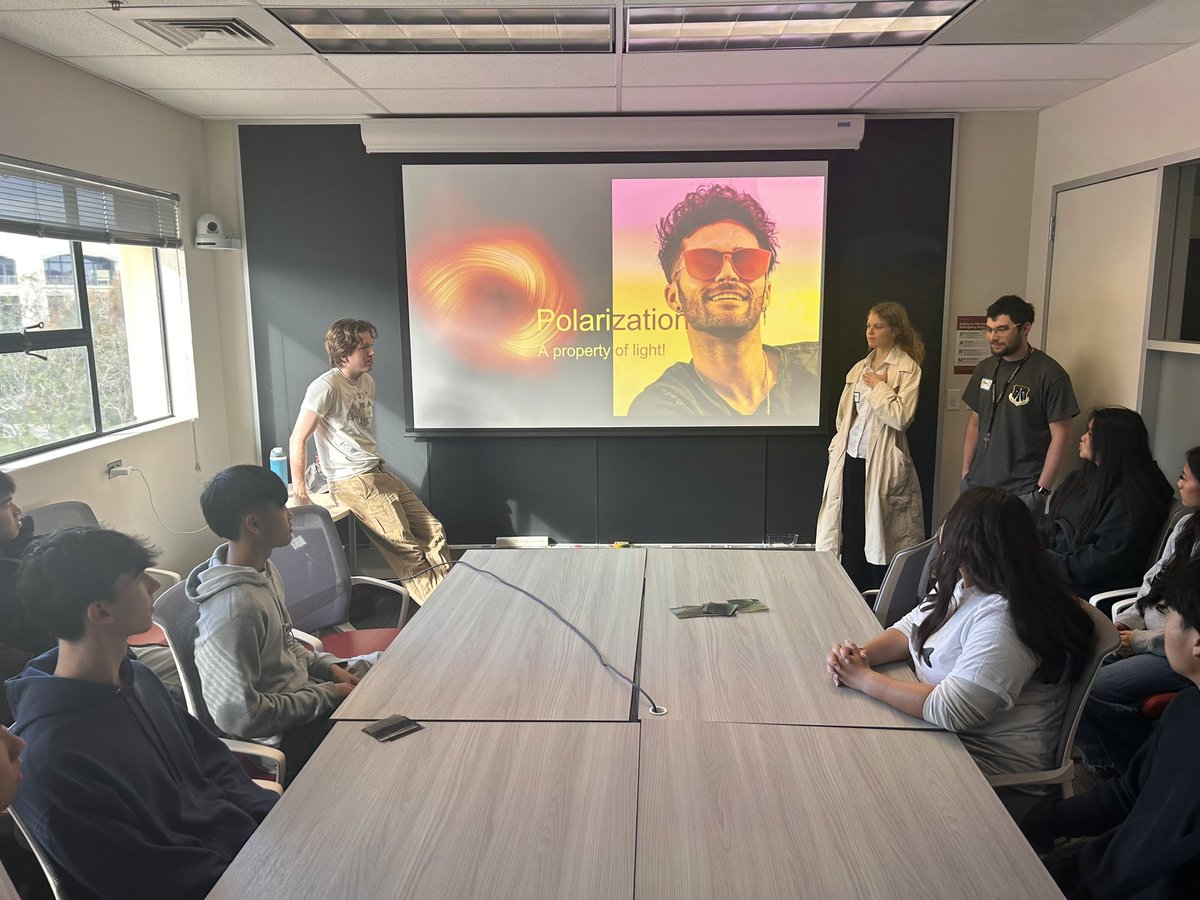
We welcomed over 50 students from the East San José High School District to campus last Friday for a series of physics and astronomy demonstration activities followed by a career panel and a tour of campus, all led by our incredible volunteers!
The 2025 Nobel Prize in Physics was awarded to quantum technology, which can revolutionize many fields of research. In her upcoming public lecture, Dr. Chelsea Bartram will discuss how quantum sensing is being used to detect dark matter candidates. https://t.co/Rk5PfQki1H
The full Moon 🌕, the Milky Way 🌌, and the Large Magellanic Cloud ☁️ — all in one epic shot from @VRubinObs in Chile!
📷 RubinObs/NOIRLab/SLAC/NSF/DOE/AURA//P. Horálek (Institute of Physics in Opava)
#Astronomy
Golden hour hits different above 2600 meters. ✨🌅
NSF–DOE Rubin Observatory basks in that sunset ✨glow✨ at its site on Cerro Pachón. And with over 300 clear nights on average per year here, that's a lot of sunset basking we get to do!
We welcomed over 50 students from high schools in East San José to campus for physics demonstration activities, a catered lunch, and a tour of campus, all led by our volunteers! This field trip was part of our ongoing partnership with the ESUHSD!