The season of light and hope reminds us of our patients’ resilience and the impact our care teams have every day. Here’s to brighter days and stronger tomorrows.
#HappyHolidays
This Labor Day, we extend our gratitude to all health care professionals who dedicate themselves to the care of their patients and the well-being of the communities they serve.
#LaborDay
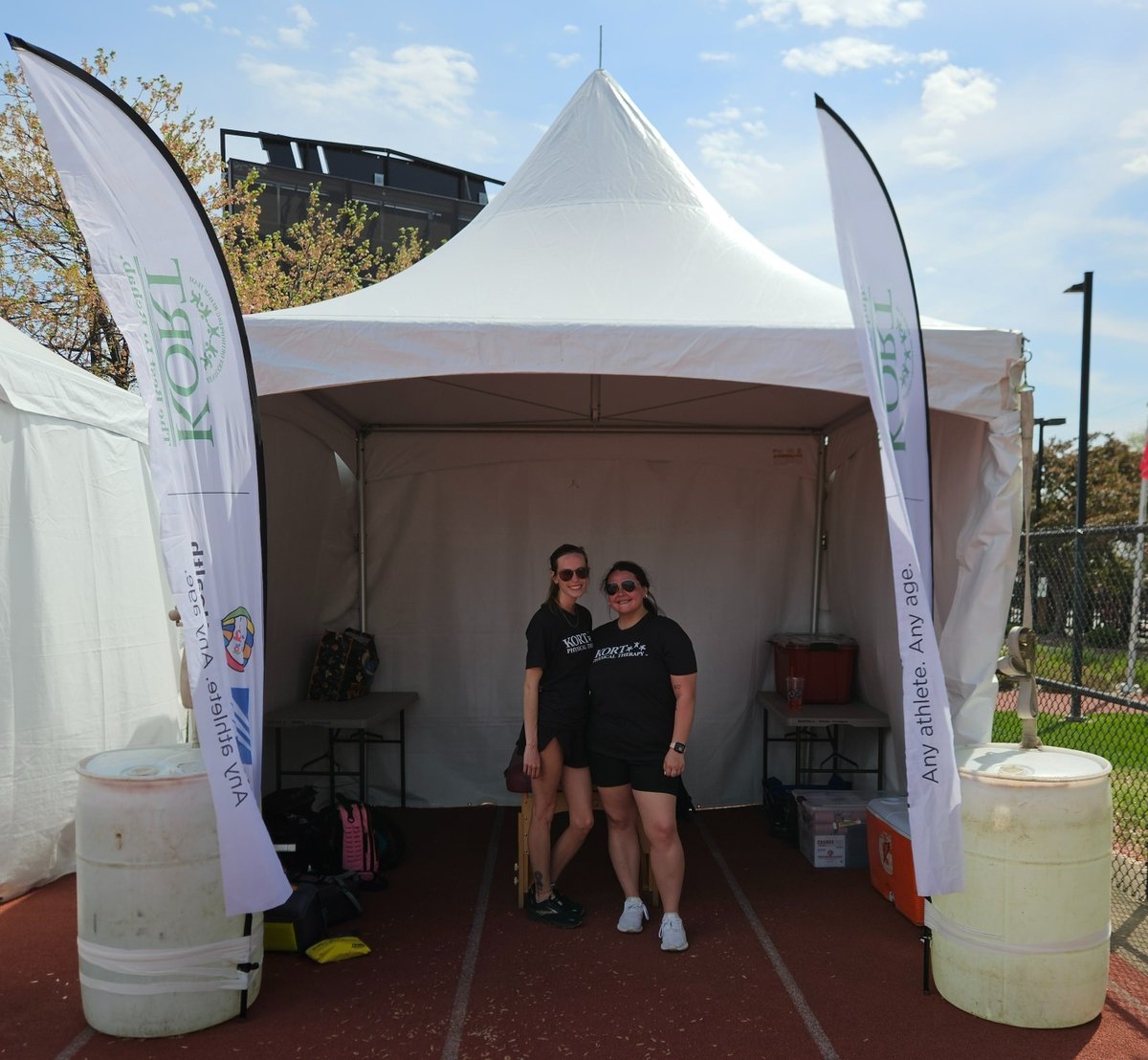
Join us at the Eastern Relays! Our athletic trainers will be on-site to tend to athletes' needs. Make sure you stop by and say hello as they provide care and cheer everyone on during the event.
#proudpartner with @nhcsportshealth
Today we salute the dedicated Select Medical veterans across our network of hospitals and outpatient centers. Thank you for your sacrifice and service.
#VeteransDay
In the final installment of our series, Life after an ACL injury, Physical Therapist and Select Medical Vice President of Clinical Education and Research Kevin Wilk talks to his patient, college soccer player Jack Davis, about the nine to 12 month recovery phase.
Six to nine months into your ACL recovery is considered the "transition phase." Watch part three of our series, Life after an ACL injury, to hear from Physical Therapist Caroline Jaycox as she helps collegiate soccer player Alexa Holley through her ACL recovery.
#ACLRehab
Part two of our series, Life after an ACL injury, focuses on 3-6 months post-surgery. See how Center Manager and Physical Therapist Josh Bixler helps his patient, Lilly Bovine, through this phase.
#ACLRecovery#ChoosePT#PTMonth
Taking a break in your rehab highly depends on your progress and personal situation. It can look like a brief break from the center, a change in exercises or a lightened load from your usual program at the discretion of your P.T. 2/2
Check out our new series, Life after an ACL injury to look at each phase of recovery, from the physical expectations to the emotional obstacles that come with the long road to recovery. Michelle Sapsara, P.T., explains the first three months of rehab with her patient, Emily. 1/2
These young women are smiling and full of promise, yet they are part of the statistics showing female athletes are up to eight times greater risk for anterior cruciate ligament (ACL) injuries than males.