Europe's defence expansion creates opportunities beyond major contractors, from electronics to shipbuilding. Smaller suppliers must navigate certification, financing and capacity constraints to turn demand into lasting growth.
#DefenceIndustry#IndustrialPolicy#SMEs
AI's expansion depends on power, grids, land and skilled labour. Opportunities extend beyond tech, but investors must separate durable infrastructure demand from hype and scrutinise returns and debt. #AIInfrastructure#DataCenters#EnergyDemand
Private credit faces mounting pressure from higher borrowing costs and liquidity constraints. Underwriting quality, transparent reporting and cash-flow resilience matter more as risks rise. #PrivateCredit#CreditRisk#DirectLending
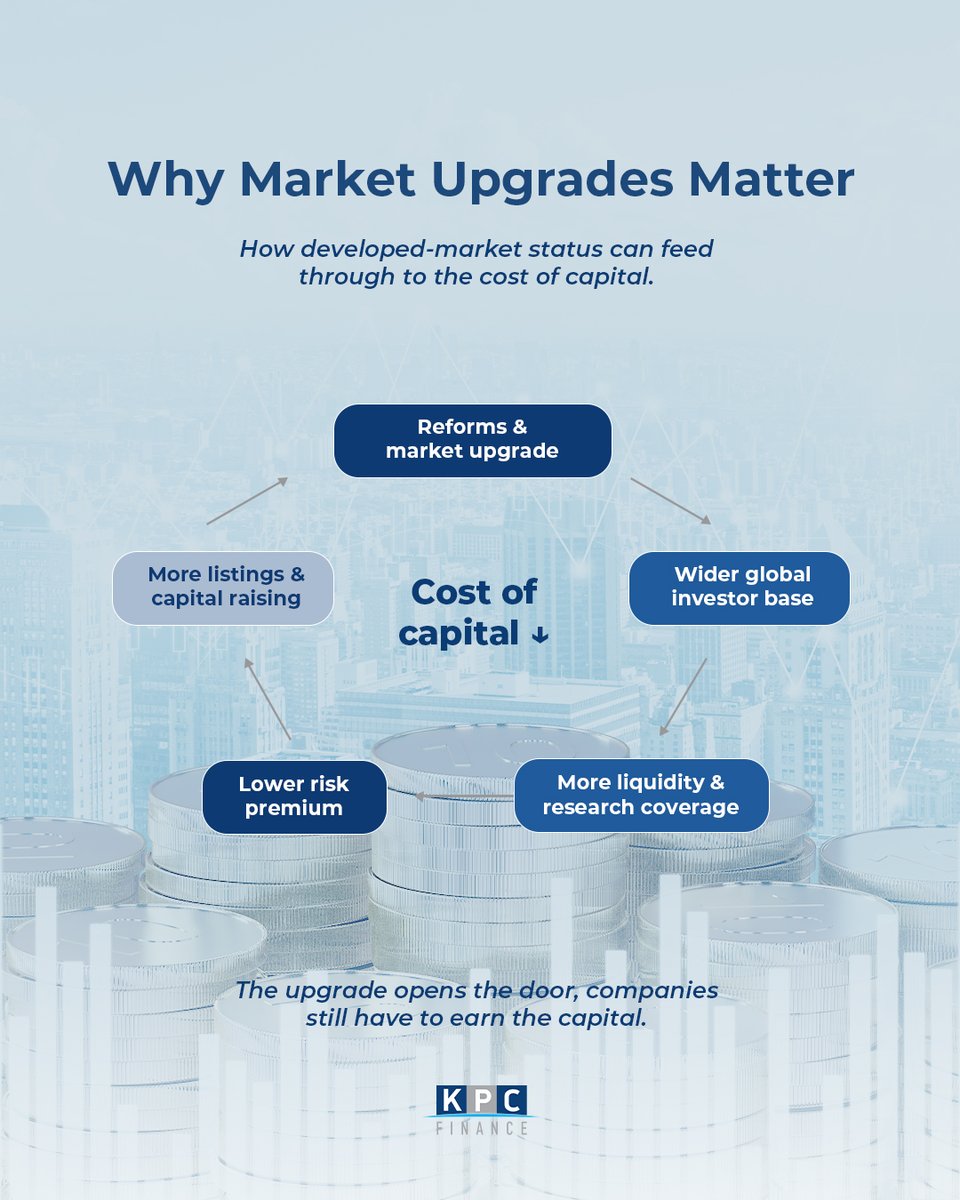
Developed-market status can broaden investor access and lower the cost of capital over time. But companies must earn that capital through strong governance, transparent reporting and investor communication.
#CapitalMarkets#CostOfCapital#CorporateGovernance
M&A deal values are rising while fewer transactions close. For mid-market sellers, reliable financials, defensible margins and credible forecasts are key. Preparation can determine whether a deal sells or stalls.
#MergersAndAcquisitions#MidMarket#DueDiligence
Rate cycles can reverse quickly. Finance leaders must review debt exposure, stress-test covenants and spread refinancing maturities. Liquidity and flexibility matter more than chasing the lowest borrowing cost.
#InterestRates#Treasury#RiskManagement
Today, we honor the courage, resilience, and unity that shaped our history and continue to inspire us to move forward and build a brighter future.
#KPCFinance#NationalDay#October28
As exceptional public funding winds down, businesses must reassess returns, strengthen cash-flow forecasts and diversify financing. Preparation becomes a competitive edge in a market-priced investment cycle.
#CorporateFinance#FundingStrategy#InvestmentStrategy
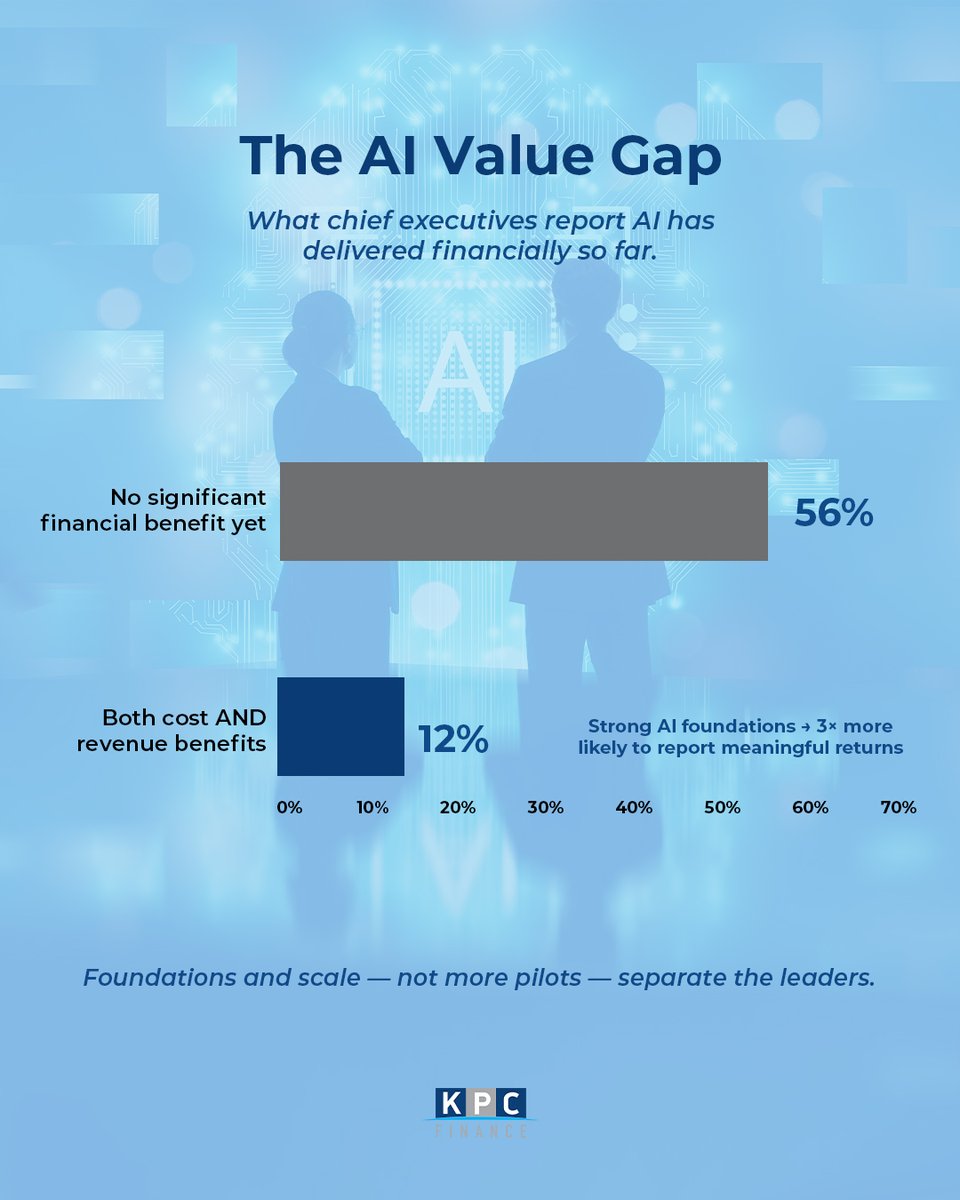
Turning AI pilots into profit takes focus: choose high-value processes, fix data quality and assign clear ownership. Measure success in revenue, margin and cash, not just hours saved. A few strong use cases beat scattered experiments.
#ArtificialIntelligence#ROI
Managing people and AI agents requires clear human accountability, decision limits and escalation paths. Training teams to supervise and challenge AI can boost productivity while protecting trust, quality and control.
#AgenticAI#Leadership
Pay transparency is becoming the norm across Europe. Employers need clear pay structures, objective criteria and managers ready for open conversations. Fair, explainable pay builds trust and helps retain talent.
#PayTransparency#EqualPay
AI is reshaping entry-level jobs, raising expectations from day one. As routine tasks disappear, companies must rebuild how juniors learn through coaching, rotations and guided decision-making, or risk losing tomorrow's leaders.
#FutureOfWork#EarlyCareers
Sustainability maturity now shapes capital costs, talent & resilience. Top leaders now move beyond compliance and disclosure to embed ESG in strategy, investment and operations—turning sustainability into funding access, loyalty and long term advantage
#Sustainability#ESG#CSRD
B2B attention is scarcer than budget. When just 1–2% of impressions drive measurable action, winning brands must now prove value fast, build owned audiences and judge success through qualified opportunities, pipeline and revenue.
#B2BMarketing#AttentionEconomy#DemandGeneration
The energy transition is now a capital-allocation issue—not a policy goal. Companies embedding decarbonisation into operations can secure funding, resilient supply chains and lasting advantage, while delay raises costs and balance-sheet risk.
#EnergyTransition#CapitalAllocation
Supply chains are shifting from ultra-lean to resilient. Firms are reshoring, nearshoring, and diversifying suppliers to reduce tariff, sanctions and disruption risk. The trade-off: higher capex and inventory now for more security and flexibility later.
#SupplyChain#Nearshoring
Geopolitical risk now shapes strategy, not just risk management. Tariffs, sanctions, supply-chain pressure and export controls force firms to diversify suppliers, regionalize operations and redirect investment. Boards that act sooner gain resilience.
#Geopolitics#RiskManagement
Annual scenario planning is no longer enough. Leading CFOs continuously refresh a few plausible futures, track early-warning signals and predefine responses—turning volatility into quicker, less reactive decisions across capital, pricing and hiring plans.
#ScenarioPlanning#CFOs
Private credit is now a core financing channel, offering speed, flexibility and tailored structures beyond bank loans. As the market grows past $1.7T, boards and CFOs must treat it as a permanent part of capital planning—not merely a backup option.
#PrivateCredit#CapitalMarkets
Capital allocation compounds over time. Strong leaders compare reinvestment, M&A, divestitures and shareholder returns using hurdle rates, then track outcomes to sharpen future decisions. In a higher-rate world, capital discipline drives long-term value.
#CapitalAllocation#ROIC