The Extension Agronomy eUpdate has a new online home. Access to current articles and archived content is being restored as updates continue. Visit the new site here: https://t.co/wRiyb4r6hQ #kstateagronomy
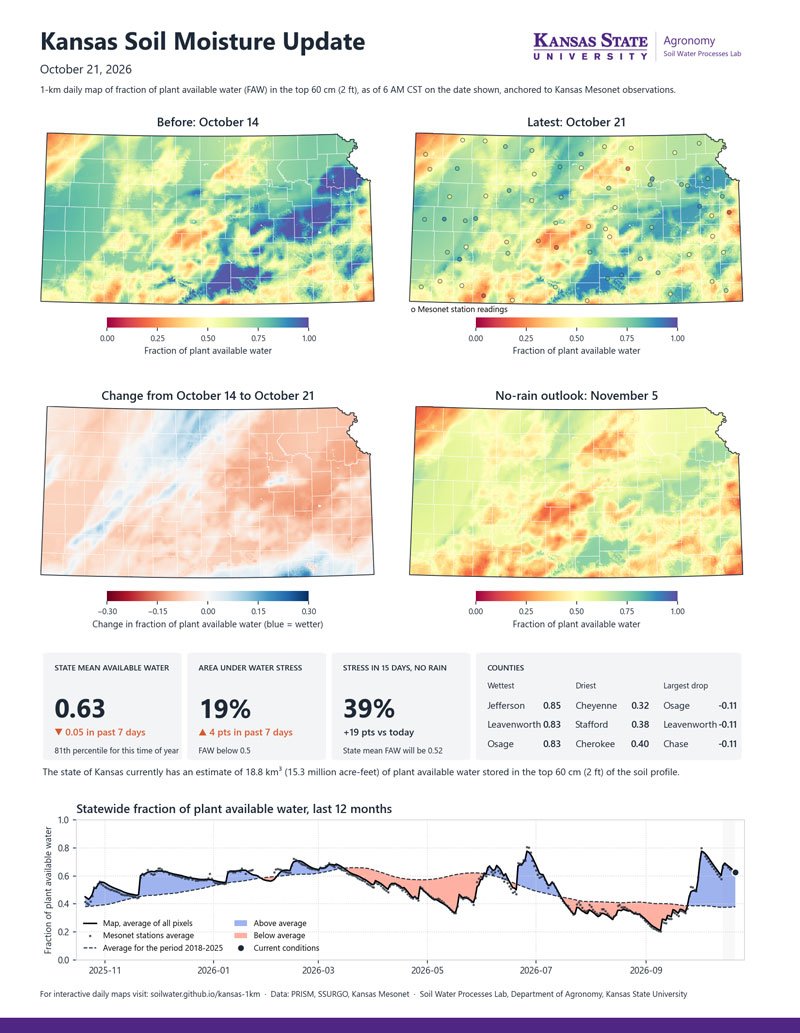
Recent rainfall has boosted soil moisture across Kansas. The statewide average plant available water in the top two feet rose to 0.76, with only 7% of the state below the water stress threshold. Explore the latest maps: https://t.co/7D9nZUJVvG #kstateagronomy#soil
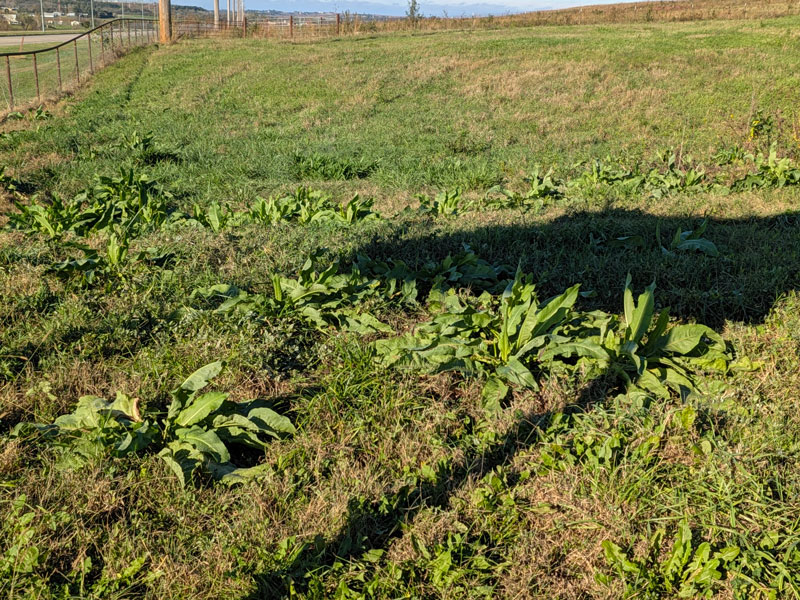
Curly dock can be easy to spot this time of year. Learn how to recognize this perennial weed, understand where it grows, and explore management options for fields and pastures. Check out the latest World of Weeds: https://t.co/KL6RqNfwkK #kstateagronomy#weeds
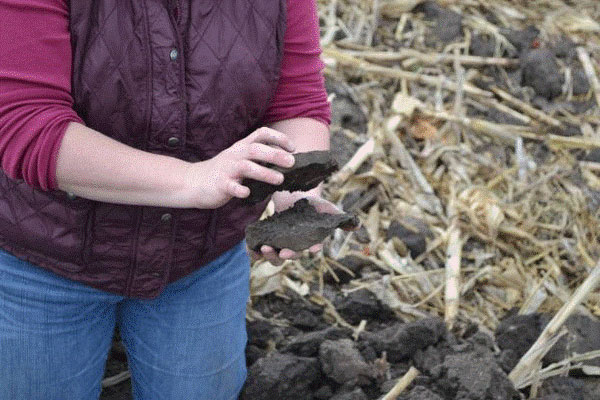
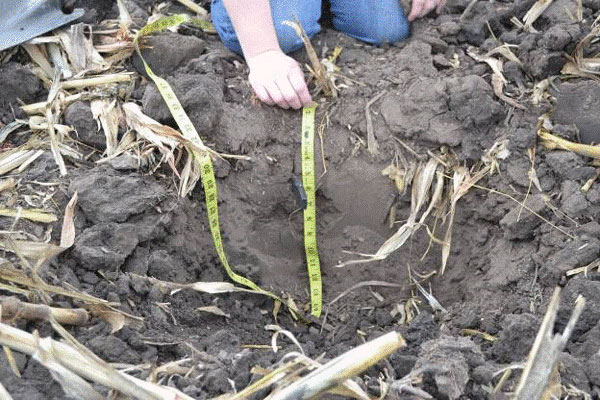
Is soil compaction hiding beneath your fields? A shovel, probe, and knife can help identify dense or platy soil layers and determine how deep compaction may be occurring. Learn what to look for: https://t.co/aKHVdZVzjt #kstateagronomy#soil
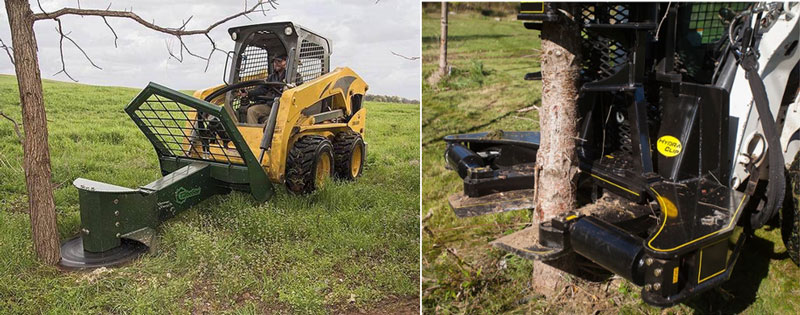
The dormant season is a good time to tackle unwanted trees and woody plants. Learn how basal bark and cut-stump herbicide applications can help control woody plants and prevent regrowth. Find application tips here: https://t.co/6Re8RqjGpE #kstateagronomy#weedcontrol
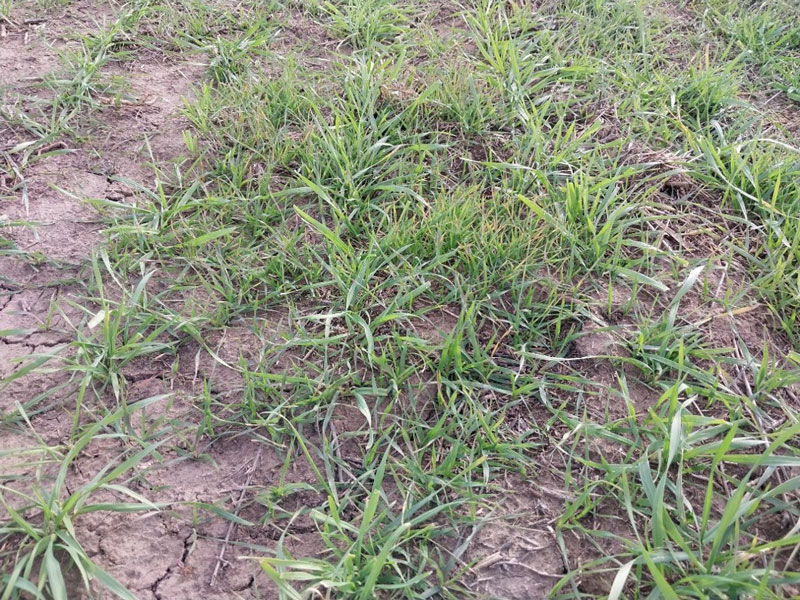
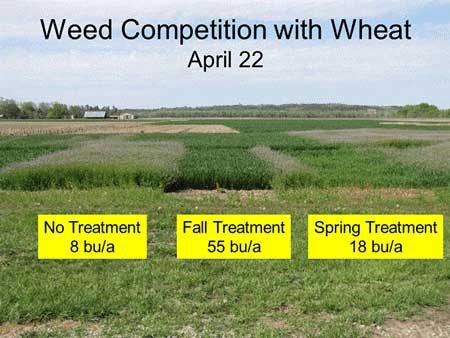
Winter annual grasses are emerging in Kansas wheat fields. Learn how fall herbicide applications, crop rotation, and other management practices can help control troublesome weeds. Read more: https://t.co/n22WTakEJO #kstateagronomy#wheat#weeds
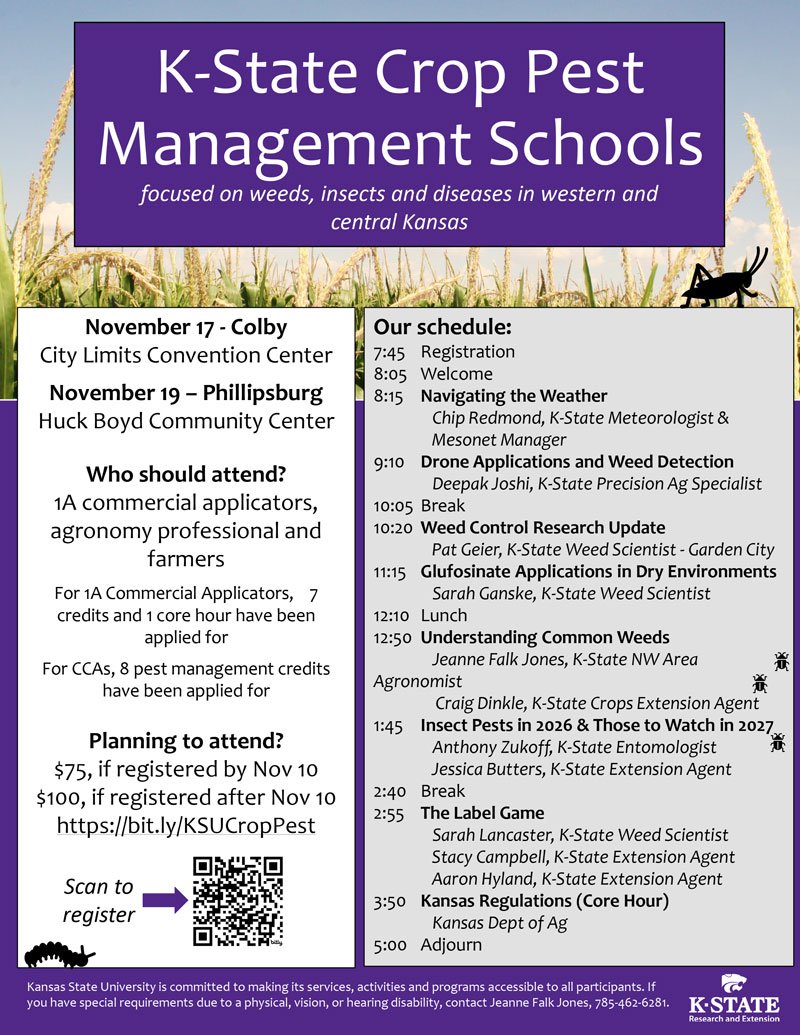
K-State Extension schools are in Colby on November 17 and Phillipsburg on November 19. They will cover weeds, insect and disease management, new technologies, and regulations. Find program and registration details: https://t.co/NnXS0RI9dy #kstateagronomy#cropprotection
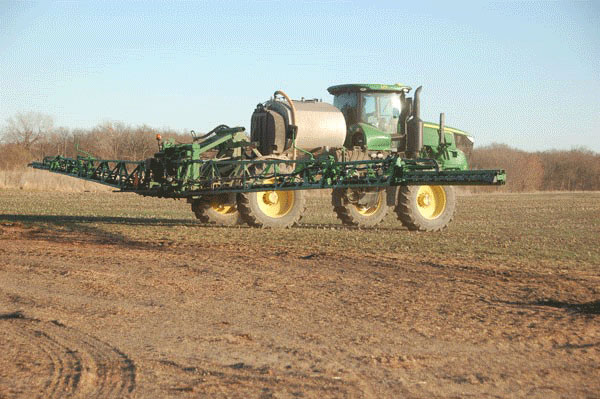
Is your sprayer ready for winter? Cleaning the system, removing water, and circulating antifreeze can help protect equipment during storage. Check out these winterization tips: https://t.co/0uwvJVMfzk #kstateagronomy#spray
Don't wait until mustard weeds bloom to plan control in wheat. Treating winter annual mustards earlier can improve control and help protect wheat yields. Explore herbicide options and application timing: https://t.co/4hYPtMCUQf #kstateagronomy#wheat#weeds
Thinking about fall nitrogen applications? Kansas soil temperatures are still above 50°F in many areas, and applying anhydrous ammonia too early can increase nitrogen loss risk. Learn what to consider before applying: https://t.co/EJeZ5BwCot #kstateagronomy#nitrogen
This weeks K-State Agronomy eUpdate is here! This week covers fall anhydrous ammonia applications, timely mustard control in wheat, winterizing spray equipment, and upcoming Crop Pest Management Schools. Read the full issue: https://t.co/HDCq3xWGnZ #kstateagronomy
How is soil moisture changing across Kansas? The latest update shows statewide plant available water varying widely by county. Check out the latest maps and data: https://t.co/mPYg6UvTVV #kstateagronomy#soil
Nominate a farmer or landowner for the 2026 Kansas Bankers Association Conservation Awards, recognizing efforts in soil, water, energy, windbreak, and wildlife habitat conservation. Learn how to nominate someone: https://t.co/VXfUjNKkxP #kstateagronomy#conservation
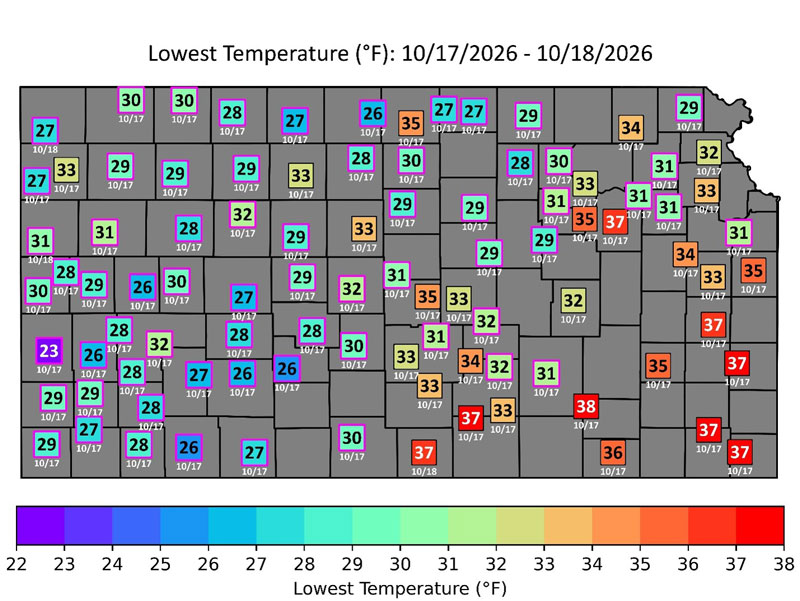
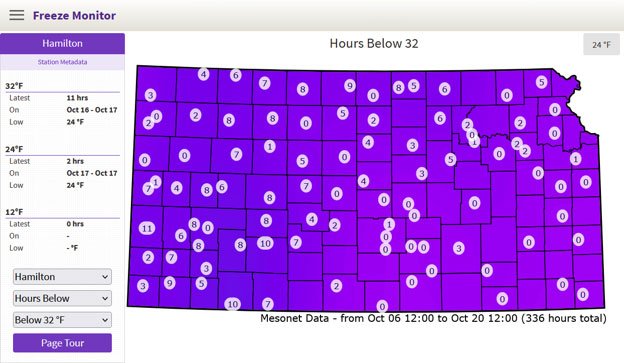
Was it cold long enough to damage crops? The Kansas Mesonet Fall Freeze Monitor tracks temperatures, freeze duration, and local averages to help producers assess conditions. Explore the tools here: https://t.co/59EXsxpSgK #kstateagronomy#weather
Wet weather can put soybean seed quality at risk. Learn what to look for when scouting for seed deterioration, sprouting, and pod shattering, and how to prioritize fields when harvest conditions improve. Read more: https://t.co/E1GlDnsd2j #kstateagronomy#soybean
This week's K-State Agronomy eUpdate is here! This week covers wet-weather risks to soybean seed quality, fall freeze monitoring tools, conservation award nominations, current soil moisture conditions, and an upcoming fall crops field day. Read the full issue: https://t.co/HIuxigewN8 #kstateagronomy
How did soil moisture vary across Kansas during the 2026 water year? Explore the statewide trends, from drier conditions in western Kansas to higher plant available water in the east, and see how this year compares with recent drought years. Read the summary: https://t.co/5x8gbCWhSj #kstateagronomy #soil
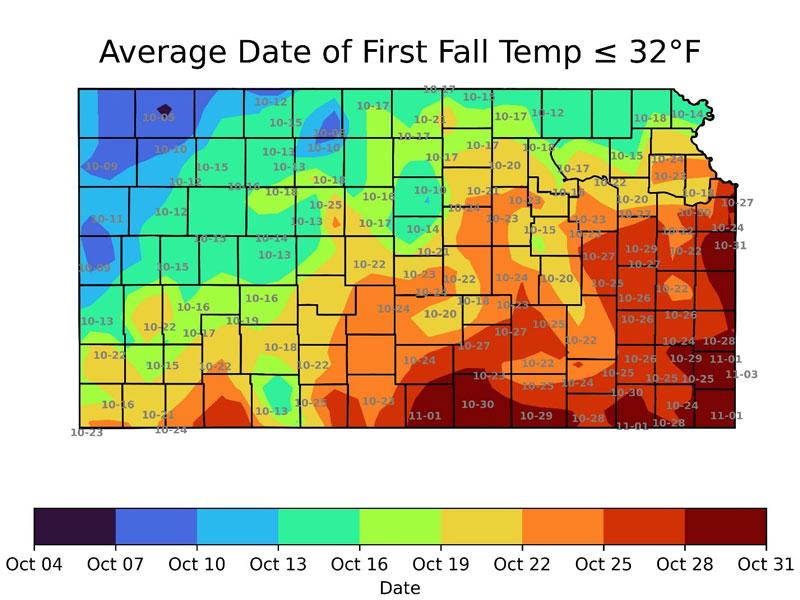
Learn how this year’s unusually warm temperatures compare with historical records and what the forecast could mean for freeze timing. Get the latest: https://t.co/CZAOiDL5LR #kstateagronomy#weather
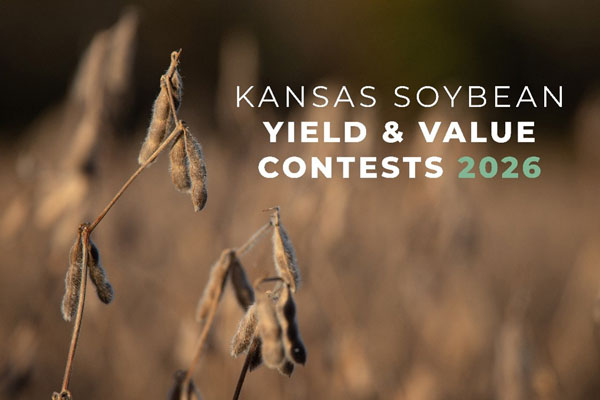
How did your soybeans yield this year? Kansas producers can enter the 2026 Soybean Yield and Value Contests to compare results, learn from other growers and compete for cash prizes. Entries are due November 16. Find contest details here: https://t.co/UxUeLziDwE #kstateagronomy #soybean
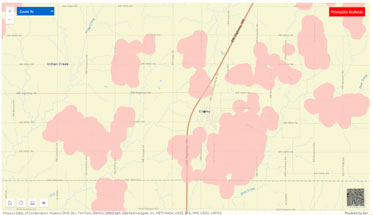
Pesticide labels are changing to comply with the Endangered Species Act. Learn how to check the EPA’s Bulletins Live! Two for field-specific restrictions. Read more: https://t.co/rGfpzYEXrj #kstateagronomy#pesticides