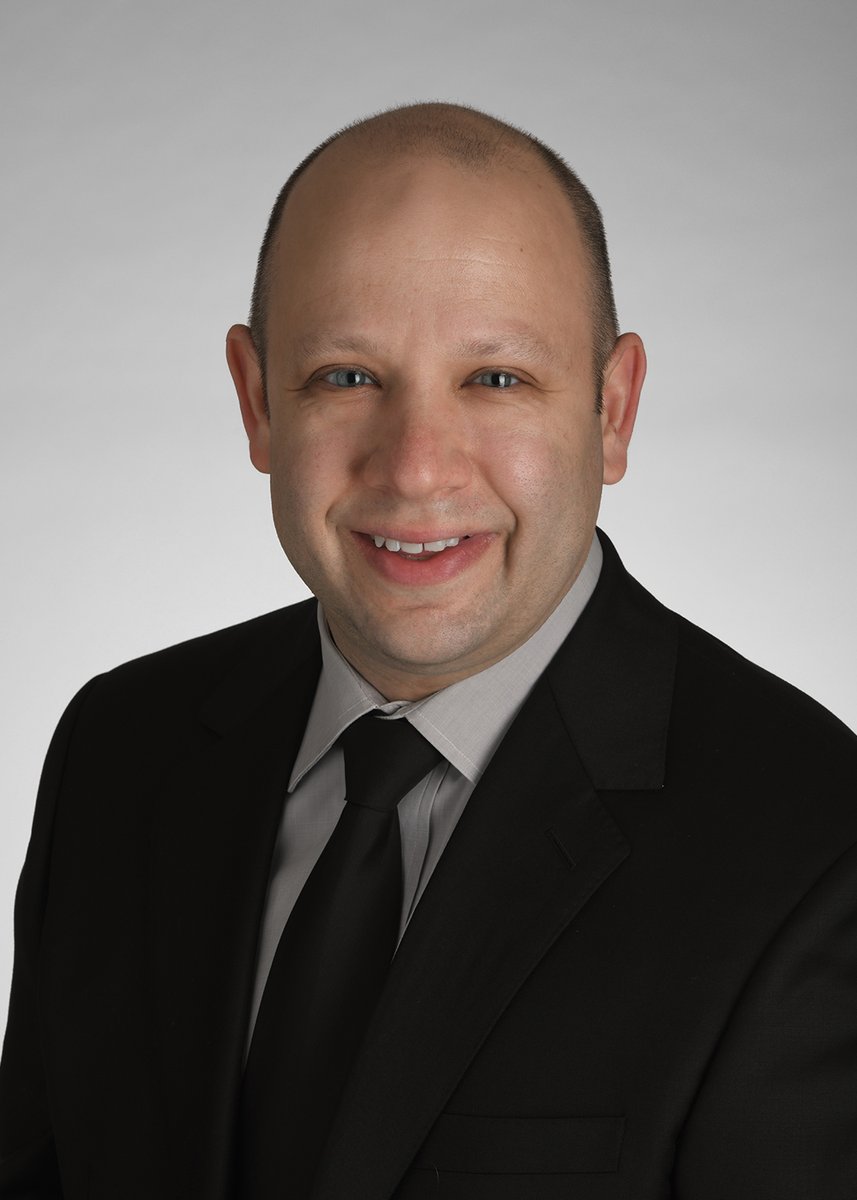
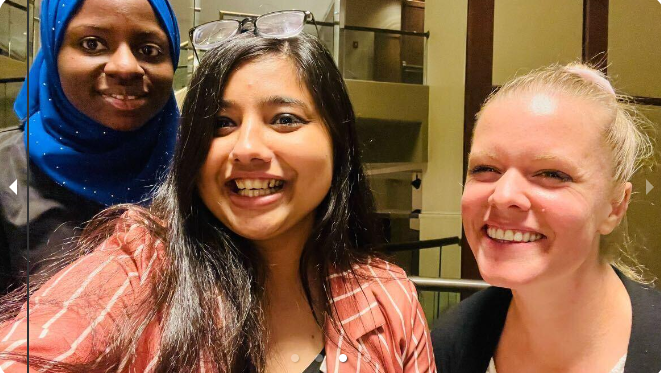
Proud to celebrate my first grad student @AprajitaTripat5 on a successful PhD defense. Congrats Dr. Tripathi! 🍾 It was a privilege to watch you grow into an outstanding scientist/great person. Your infectious positivity and passion for science have enriched #PyaramLab#phdmentor
June Spotlight: Jared Rack-Graduate Student
Jared Rack is a graduate student in the department of Cancer Biology under the mentorship of Dr. Ben Woolbright. Born and raised in Kansas, Jared has always been driven by his desire to understand complex systems. Through his biology courses in high school, he specifically became interested in how the human body functions as well as what gives rise to various disease states.
While working as an undergraduate researcher in a behavioral neuroscience lab, Jared fell in love with research. This prompted him to pursue a master’s degree in biomedical sciences research at Kansas City University. During this period, Jared researched blood-based biomarker discovery for neurodegenerative diseases, expanding on his prior knowledge and motivating him to continue his education.
Jared began attending the University of Kansas Medical Center in the fall of 2023 and is currently working on completing his Ph.D. in Cancer Biology. His current research focuses on the intersection of bladder cancer, aging and the microbiome. By studying how the aging microbiome impacts carcinogenesis, Jared hopes to develop therapies in which microbiome manipulation can improve outcomes for patients and potentially reduce occurrence in at-risk individuals.
Jared is passionate about making scientific discoveries in the hope that they will lead to improvements in people’s lives. As for future goals, he is currently exploring various career options for after graduation. He ultimately wants to use the knowledge and expertise gained during his education to continue helping people. In his free time, Jared enjoys going on walks with his family and trying new restaurants around Kansas City.
May Spotlight: Kalyani Pyaram Kalyani Pyaram is an Assistant Professor at the University of Kansas Medical Center, with primary appointments in the Department of Cancer Biology and affiliations with the Department of Microbiology and Immunology. Her research sits at the intersection of immunology, metabolism, and cancer, with a focus on understanding how metabolic pathways shape T cell function and can be leveraged for therapeutic benefit.
Dr. Pyaram was born and raised in India, where her father’s deep admiration for scientists shaped her aspiration to become one. Dr. Pyaram completed her doctoral training in Biotechnology from National Center for Cell Sciences in Pune, India, where she developed a strong interest in immune mechanisms. She went on to pursue postdoctoral training in immunology at the University of Pennsylvania and later at the University of Michigan. Her research was in molecular and cellular immunology focused on immunometabolism, and how cellular metabolic programs shape the development, and immune responses of innate-like T cells. Dr. Pyaram started her independent lab at Kansas State University and in 2023, she joined KUMC to establish her research program.
At KUMC, Dr. Pyaram leads a research program investigating the role of the transcription factor Nrf2 as an immunometabolic regulator of T cell function. Her lab integrates molecular biology, multi-omics approaches, and in vivo disease models to study how Nrf2 controls T cell responses in tumor microenvironments and inflammatory conditions such as ulcerative colitis. A major goal of her work is to translate these findings into novel therapeutic strategies, including targeted drug delivery approaches to selectively modulate the responses of specific immune cells.
Dr. Pyaram is passionate about to mentoring trainees into next generation of scientists and is deeply committed to graduate and medical education. Outside the lab, she enjoys traveling, exploring new cuisines, and embracing the fun (and occasional chaos) of life with her two kids.
April Spotlight: Vincent Lam-Graduate Student
Vincent was born and raised in the Chicago metropolitan area and completed his undergraduate education at the University of Illinois Urbana–Champaign. In 2023, he earned a Bachelor of Science in Bioengineering with an emphasis on Cell & Tissue Engineering and a minor in Chemistry. His formative experiences in a dermatology clinic and biomedical research inspired him to pursue a career as a physician-scientist, dedicated to translating laboratory findings into meaningful clinical advancements.
His undergraduate research in the Dr. Brendan Harley Lab at UIUC focused on the development of a granular hydrogel platform for hematopoietic and mesenchymal stem cell expansion. He further broadened his expertise in regenerative science through a summer undergraduate research fellowship in Dr. Quinn Peterson’s laboratory at Mayo Clinic, where he studied mitochondrial heteroplasmy and endocrine signaling in induced pluripotent stem cell-derived pancreatic islet cells.
These experiences sparked his interest in cell signaling and disease modeling, ultimately leading him to enroll in the MD-PhD program at the University of Kansas Medical Center in 2023. He joined the Department of Cancer Biology in 2025, with his PhD training supervised by Dr. Michael VanSaun. His current research investigates how mutations in TGF-beta signaling pathways influence pancreatic cancer phenotype, metastasis, and drug response. Through this work, Vincent has expanded his technical expertise in molecular biology, organoid systems, and mouse models of cancer.
Outside of his studies, he enjoys biking, fishing, playing basketball, and 3D modeling to design interactive digital experiences. He also loves traveling to add to his food photography collection.
Dakota Okwuone, Cancer Biology graduate student, recently defended his PhD dissertation with honors (March 18th, 2026) and was awarded the Karen and Kelly Gregg Award for outstanding graduate student research in cancer. Mary Needham from KU Endowment presented him with the certificate and a box of Lamar's Donuts. Congratulations @dokwuone !
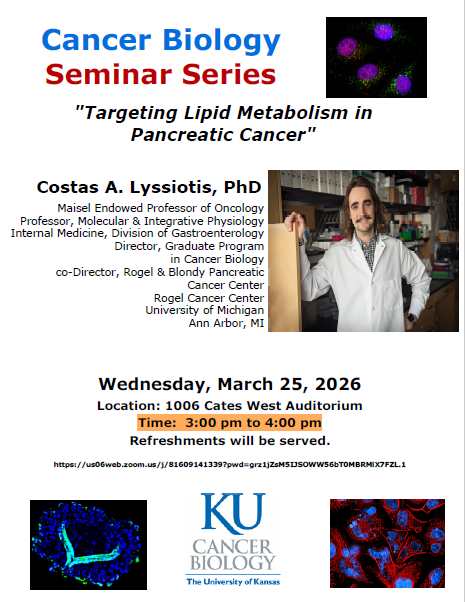
We are excited to have Dr. Costas Lyssiotis from the University of Michigan present at this week's Cancer Biology seminar. On Wednesday, March 25, he will give a talk titled "Targeting Lipid Metabolism in Pancreatic Cancer".
📣 The 2026 Midwest DNA Repair Symposium is coming to Kansas City (registration is open)
🗓 May 30–31, 2026
✨ Talks will be selected from abstracts, with a strong focus on trainees and new investigators.
Please RT & share with your labs!
🔗 https://t.co/qq53P4UW6V
February Spotlight: Jennifer Davis, PhD-Assistant Professor
Jen was born and raised in a rural corner of Kern County, California. She and her sister are first-generation college graduates. Jen was initially inspired to attend college by a veterinarian she worked for just out of high-school who encouraged/strong-armed her into attending her first college course at the local junior college.
After (eventually) transferring to California Baptist University, Jen earned her Bachelor of Science in Biology with a minor in Chemistry. At Cal Baptist, a chemistry professor introduced Jen to the idea of graduate school and, critically, that additional education and training might be attainable without the need for more student loans. She applied and was accepted to the PhD program at University of California, Irvine, where she studied normal prostate biology as it relates to prostate cancer therapy.
After earning her PhD under the supervision of Dr. John Krolewski, Jen moved to the University of Texas MD Anderson Cancer Center for postdoctoral training in colorectal cancer. While at MD Anderson, Jen had the privilege of working with many amazing mentors, adding population science under the mentorship of Dr. Shine Chang to her bench-based training skills. During this time, she also had the privilege to work with Dr. Scott Kopetz, furthering her experience with models of colorectal cancer and generating datasets from some of Dr. Kopetz’s patient cohort data.
Now at KUMC, Jen is establishing her research group, continuing to use mouse models of colorectal cancer and population data to answer questions about the influence of obesity and type 2 diabetes on colorectal cancer biology and disease outcome. Having benefitted tremendously from mentorship throughout her career, Jen is hoping to pass along some of these lessons to trainees through her faculty role.
Outside of the lab, Jen is a diehard Dodger fan, and an avid crafter; often crocheting for calm or sewing for sanity. She also enjoys hanging out with her husband, serving in her church, traveling, and spending time with friends and family.
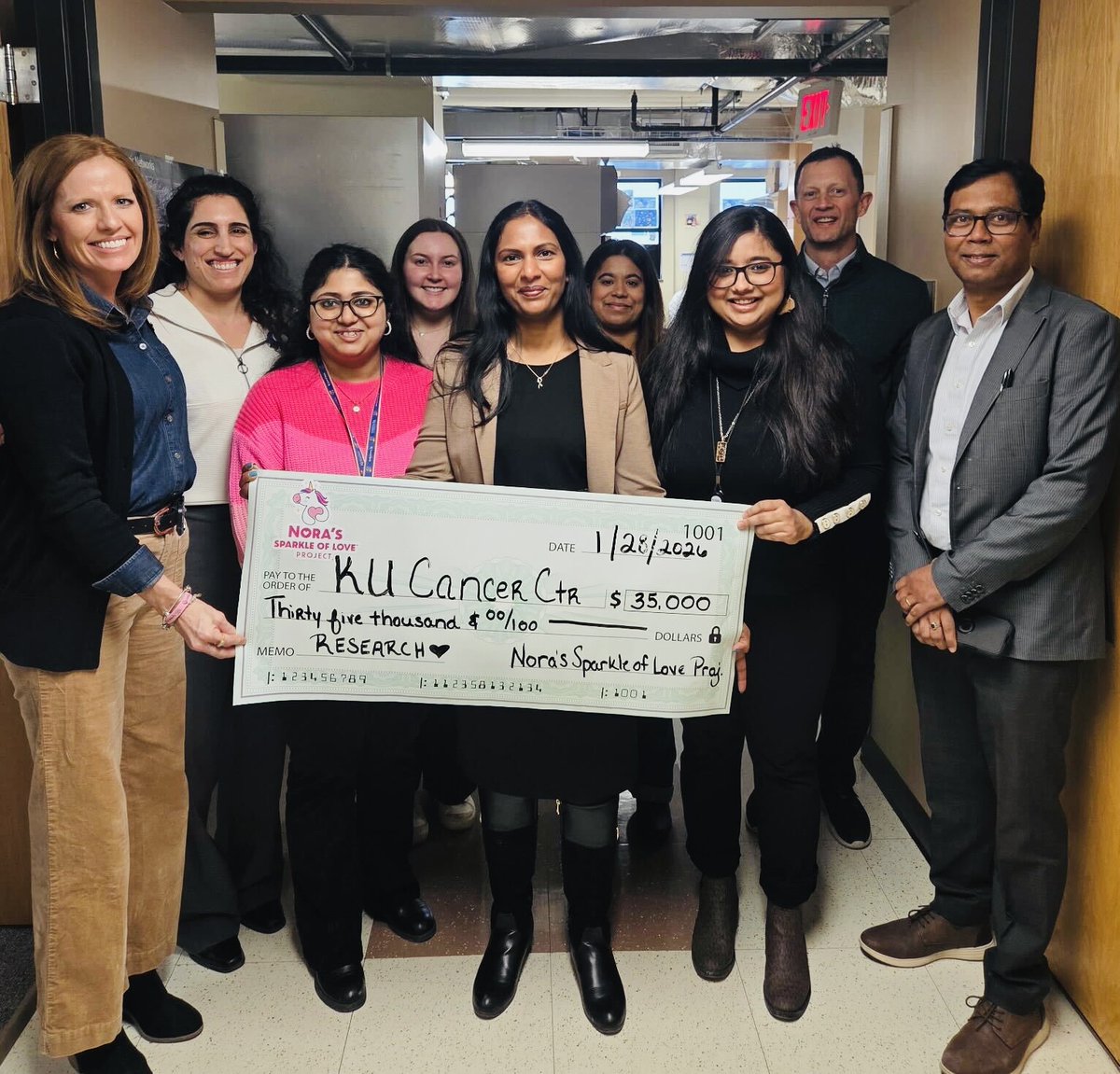
Nora’s Sparkle of Love donated a generous $35,000 to the University of Kansas Cancer Center to support the collaborative pediatric brain cancer research of Dr. Kalyani Pyaram and Dr. Vivekanand Yadav. These funds will be used to establish a dedicated immune-competent DIPG model unit at the University of Kansas Cancer Center, enabling the development and preclinical testing of novel immunotherapy approaches and innovative combination treatment strategies for pediatric gliomas.
Diffuse intrinsic pontine glioma (DIPG) and diffuse midline glioma (DMG) are rare but highly aggressive brain cancers that primarily affect young children. Tragically, the average survival for children diagnosed with DIPG or DMG is less than one year.
To help address this urgent need, this work will accelerate translational discoveries aimed at improving outcomes for children affected by these devastating cancers.
To learn more about Nora’s story and see how you can make a difference, visit the Nora Sparkle of Love website: https://t.co/QUDwwYaUem
January Spotlight: Dakota Okwuone-Graduate Student
Dakota is an MD-PhD student in the 4th year of his PhD (G4-P6). Born and raised in Olathe, KS, he is the child of Nigerian immigrants. He graduated from Southern Methodist University, earning degrees in Biological Sciences, Health and Society, and Political Science, while also competing in NCAA men's soccer. As an undergraduate in the lab of Dr. Pia Vogel, he explored ways of biochemically mitigating multidrug resistance in cancer.
During his PhD in the lab of Dr. Greg Gan, Dakota has focused on uncovering novel mechanisms of head and neck cancer progression regulated by MK2, a protein that is part of an important inflammatory pathway. His goal is to understand how the protein controls both the movement of cancer cells and the immune environment of head and neck tumors. Long-term, he hopes to become a physician-scientist, treating patients in the clinic as a medical oncologist while also running a lab that aims to identify better therapeutic targets to prevent cancer progression and metastasis. He hopes to play a role in revolutionizing cancer care both locally and globally.
Dakota has served as the President of the KUMC Cancer Biology Student Society, and he is currently a trainee representative on the KU Cancer Center Education and Training Steering Committee.
Outside of the school, Dakota enjoys being out and about with friends, being physically active, traveling, listening to music, and binging TV shows. Despite the copious hours in the lab, he's proud of the balance he has been able to strike between schoolwork and a vibrant life outside of academics, whether it's playing semi-professional soccer or indulging in financially unwise social escapades.
December Spotlight: Michaella Rekowski, PhD
Michaella joined KUMC in April of 2023 as a Research Assistant Professor in the Department of Cancer Biology and the Director of the Mass Spectrometry and Proteomics Core facility. Michaella earned her PhD from Texas A&M University and did a postdoctoral fellowship at the FDA in the Department of Pharmaceutical Analysis in St. Louis, MO where she also worked as a Staff Scientist. She then moved back to Kansas City to be closer to family and started a position in the Mass Spectrometry Core at the Stowers Institute. She has also worked at a local Contract Research Organization before landing at KUMC in her current position. Michaella’s scientific interests have always focused on using mass spectrometry to answer biological questions and she applies her vast knowledge of proteins and mass spectrometry to provide proteomics and mass spectrometry support to KUMC researchers.
Outside of work, Michaella mostly chases after her two young children but previously enjoyed running, playing board and card games with her husband Kevin, and visiting local breweries. She and her family love spending time outside, with family, enjoying our city, and supporting our favorite sports teams.
November Spotlight: Kerri Dean-Executive Assistant
Kerri recently celebrated her 6th year as Executive Assistant to the Chair of the Cancer Biology Department at the University of Kansas Medical Center (KUMC). Her journey at KUMC began in the Medical Oncology Department, where she supported multiple oncologists prior to moving departments. Kerri lost both her mother and grandmother to cancer, so it makes perfect sense that cancer research would hold a deep personal significance.
Originally from Philadelphia and raised in Cherry Hill, NJ, Kerri earned her degree in Sport Management from the University of Massachusetts. She spent 11 years working behind the scenes in sports television before relocating to the Kansas City area in 2008.
Outside of work, Kerri leads an active a life. She enjoys exercising, hiking, reading, listening to true crime podcasts, and cheering on her favorite sports teams-Go Chiefs! Much of her free time is spent traveling to watch her son play college baseball. At home, she shares her life with her husband Jason, their two adult sons, and two beloved fur babies.
Fun Fact: Kerri’s father was a professional hockey player and is a member of the NHL Hall of Fame.
This week, Dr. Kalyani Pyaram, Assistant Professor in the Cancer Biology department at the University of Kansas Medical Center, hosted PIVOT members for a tour of her lab. PIVOT stands for Patient and Investigator Voices Organizing Together. It is a patient research advocacy initiative at The University of Kansas Cancer Center. PIVOT provides cancer survivors, co-survivors, and researchers with the opportunity to work together to design research that may lead to improved treatments and therapies. It is one of the few such cancer center patient research advocacy initiatives in the country. In addition to giving a tour of her lab, Dr. Pyaram gave a presentation about the research in her lab aimed at developing new strategies to enhance the effectiveness of immunotherapies for solid cancers. She explained about immunotherapies, particularly about T-cell–based immunotherapies, including CAR T cells, and how they work to fight cancers. Patients and survivors in attendance had the opportunity to ask questions, explore the research space, and gain a deeper understanding of the scientific research work happening behind the scenes to improve cancer care. More information on the PIVOT program can be found at [https://t.co/Ih5ZK2jlB0 and you can learn more about Dr. Pyaram’s research at [https://t.co/QH9w4y2rMW
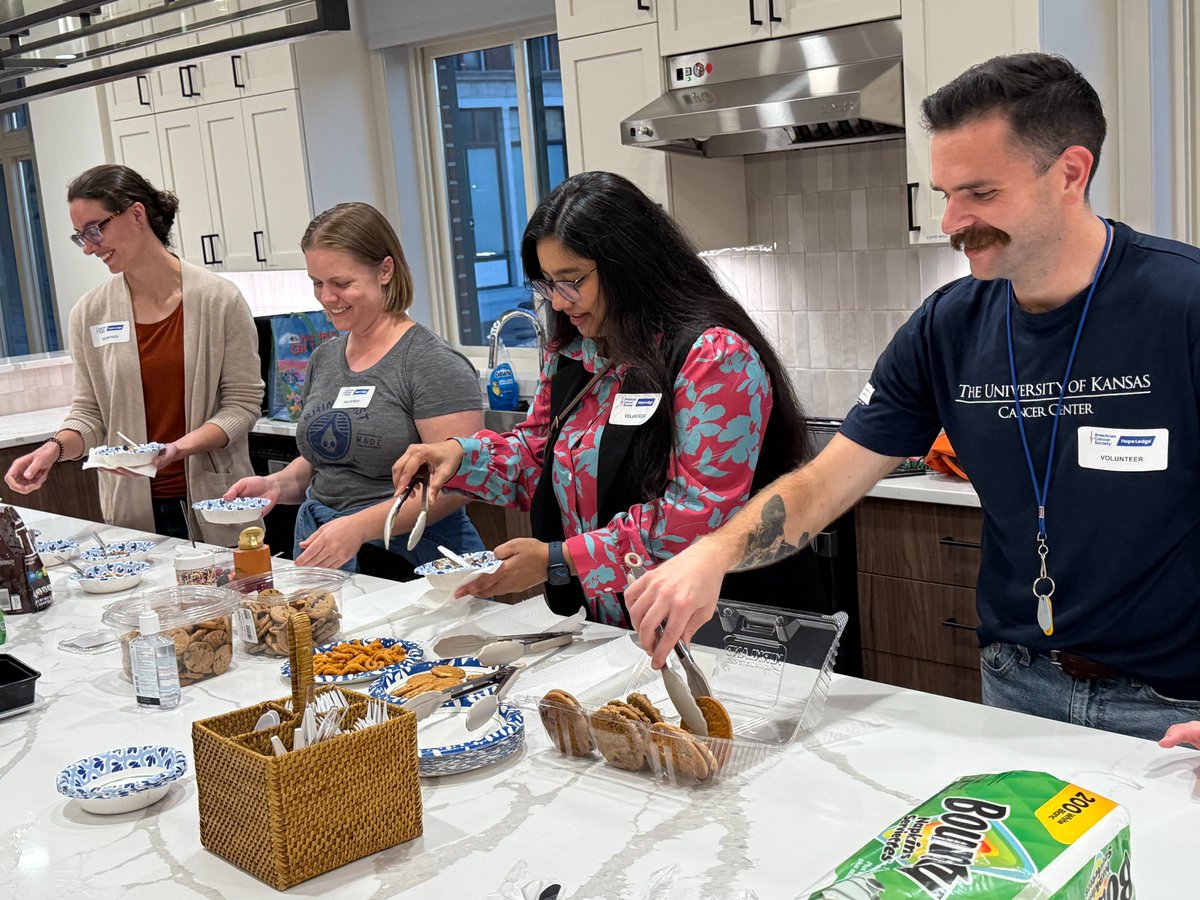
The Cancer Biology graduate students along with a couple of our faculty members volunteered at the Hope Lodge Kansas City this past week. The Hope Lodge program provides free overnight accommodations to cancer patients and their caregivers who have to travel away from home for treatment. They served ice-cream and cookies to the patients. Thank you for your community outreach!
October Spotlight: Matt Monday-Graduate Student
Matt is a born and raised Kansan, and grew up in Lyons, Kansas. He attended Kansas State University and obtained his BS in Animal Science, with a minor in Equine Sciences. Matt was recruited to IGPBS in 2022 and joined the Cancer Biology Department in 2023 under the mentorship of Dr. Lewis-Wambi and Dr. Bossmann.
Matt’s research focuses on elucidating the role of the androgen receptor in ER+ aromatase-inhibitor resistant breast cancer. By understanding the functional role of the androgen receptor, his research may identify a novel target that can be exploited to help improve patient survival. Additionally, using Bossmann’s lab targeting technology, we can hone our drug to target cancer cells preferentially. Matt has had the opportunity to present his research at the KU Cancer Center Research Week Symposium and the American Association for Cancer Research Annual Meeting.
Outside of work, Matt loves to run, and is currently training for the Kansas City marathon. He also enjoys camping, traveling, trying new restaurants, and hiking.
We’re thrilled to announce two recent publications from Dr. Kalyani Pyaram's lab that illuminate the pivotal role of Nrf2 in CD4⁺ T-cell function and its therapeutic targeting in immunopathogenic disease.
In Cell Reports, Aprajita Tripathi and colleagues demonstrate that Nrf2 dynamically orchestrates CD4⁺ T-cell activation and expansion, enhancing early activation, IL-2 production, and TCR signaling, while rewiring metabolism—shifting from glycolysis toward glutaminolysis—to fuel robust proliferation. 10.1016/j.celrep.2025.116177
In The Journal of Immunology, Debolina Dasgupta and team show that the Nrf2 activator RTA-408 (Omaveloxolone) suppresses effector T-cell responses and alleviates colitis— in vitro (reducing IFN-γ, IL-17; increasing Foxp3⁺ Tregs), in vivo (in mouse models of colitis )and ex vivo (in IBD patient cells), indicating the potential of repurposing it for inflammatory diseases. Mechanistically, RTA-408 reprograms T-cell metabolism toward the pentose phosphate pathway and glutaminolysis. https://t.co/89yAYHQBnJ
Together, these complementary studies—from fundamental mechanisms of T-cell metabolism to translational therapeutic potential in IBD—underscore the innovative and impactful work emerging from our department. Importantly, these are the first studies to establish Nrf2 as an immunometabolic checkpoint for CD4⁺ T-cell-driven inflammation and its effector functions. Congratulations Pyaram Lab!
September Spotlight: Ben Woolbright, PhD-Assistant Professor, Cancer Biology
Dr. Woolbright is a long-time Kansan and die-hard Jayhawk. He attended KU-Lawrence for undergraduate studies before he eventually finished his Ph.D. in
Toxicology in 2015 in the lab of Dr. Hartmut Jaeschke. Dr. Woolbright recently started his own lab in the Department of Cancer Biology. Ben loves science because he says it combines the opportunity to think creatively about biology while testing hypotheses
analytically.
The Woolbright Lab's primary focus is on understanding how aging alters bladder cancer progression. Their research uses mouse models of bladder cancer to
understand how aging increases the risk of bladder cancer development. They hope to use this information to pursue novel therapeutics specifically targeting
bladder cancers that are more common in the elderly. In addition to their basic science program on aging and bladder cancer, the lab has multiple translational
projects in collaboration with clinical colleagues. Dr. Woolbright said they are extremely excited about their ongoing clinical trial treating cisplatin ineligible bladder cancer patients with combination gemcitabine, carboplatin, and intravenous ascorbate.
Outside of work, Dr. Woolbright loves cooking which is just chemistry that you get to eat. He enjoys spending time with his family, staying up to date on the
world, and long walks with his dog Lucy.
Excited to share that first chapter of my PhD is out! Special thanks to my mentor @ImmunolKalyani and all the amazing authors who helped and guided me throughout this project. @DeboGupta 🎉🎉🎉#immunometabolism#tcells
With the fall semester in full swing, we are reminding you to consider supporting our Student Travel Award fundraising efforts.
Travel is more than a trip—it’s an opportunity to learn, connect, and grow. With your support, students can attend conferences, competitions, study abroad programs, and on-site experiences that expand their horizons and prepare them to be leaders in their field.
Given the funding challenges that academia faces, this endeavor is more important than ever. Every dollar you give directly offsets travel costs for students who might otherwise miss out on these transformative opportunities. Together, we can ensure that finances are never a barrier to priceless experiences. Please visit https://t.co/k1KuhZplgm and consider donating today!
Dr. Stefan Bossmann, Chair of the Cancer Biology department at the University of Kansas Medical Center and Dr. Steven Soper, Foundation Distinguished Professor of Chemistry and Mechanical Engineering and director of the NIH-funded Center of BioModular Multi-Scale Systems for Precision Medicine at the University of Kansas, were featured in the latest edition of Kansas Medicine and Science for their research in liquid biopsies which could revolutionize the way cancer patients are diagnosed and treated. Here is the link to the article written by Kristi Birch: https://t.co/eO265qR7yd