Interesting story by @StefanLabbe.
Anna Posacka lives in #Squamish.
Canadians pollute 1,465 tonnes of microplastics every year, finds report
#cdnpoli
https://t.co/rDFimeN3qc via @squamishchief
Excellent job by Jack Ewing - presenting our collaborative work (@Oceans_North, @Scripps_Ocean, & Sea North Tours) on mother-neonate beluga pairs and their behavioral responses to whale watching in the Churchill estuary #SMM2024
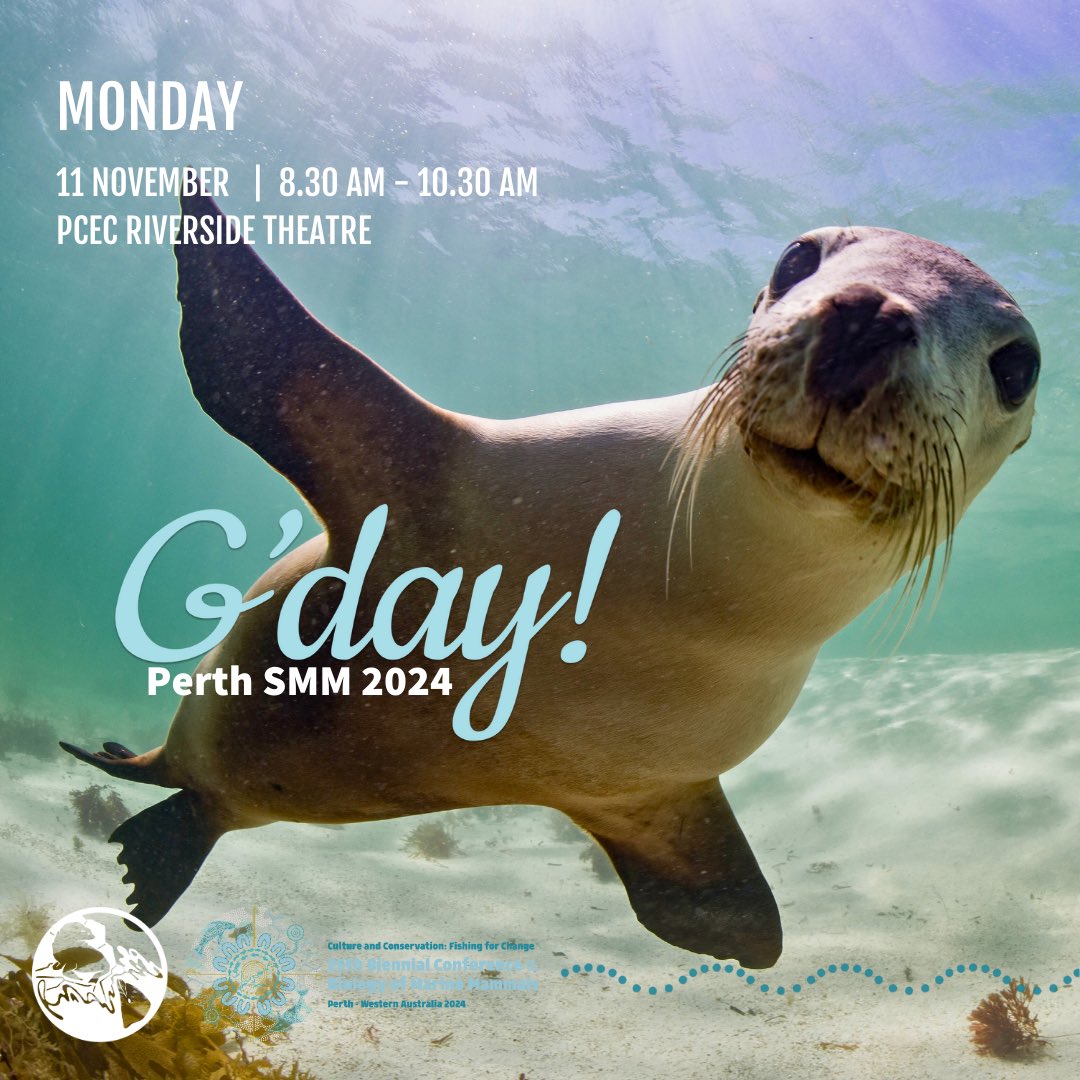
Thrilled to be in Perth for the biennial marine mammal conference! Here and want to hear about belugas and their behavioral responses to vessels? Join us for a talk at 1:30 on Wednesday in the Riverside Theatre. #PerthSMM
The Churchill Marine Observatory is officially open! “Today is a day about wisdom, passion and vision,” said Roseann O'Reilly Runte, President and CEO of the Canada Foundation for Innovation. Oceans North was grateful to be here for this important milestone in Arctic research.
Last week, 🇨🇦 released its Draft Ocean Noise Strategy, representing a positive step toward mitigating noise's impacts on the marine environment.
“Addressing this threat will require listening to and learning from the people who are most affected."
https://t.co/m8qU2IPr2k
Canada released a draft of its ocean noise strategy this week. But why are noisy oceans such a concern for biodiversity — and could kelp forests be a part of the solution? Dive into this #longread from last spring: https://t.co/qkgGbz2bki
1/2 Ocean noise created by humans can cause negative impacts on many marine animals.
Today, Minister Lebouthillier released a draft version of Canada’s Ocean Noise Strategy and launched a 60-day public consultation period.
Melting #Arctic sea ice has opened one of the quietest regions on our planet to industrial development, cruise ship tourism & commercial fishing.
How do we monitor the noise posing a new risk to marine life? Check out our video:
https://t.co/MaKVDam1Qi
We're awaiting Canada's underwater noise strategy. Human activity is making oceans louder, affecting marine life.
Our Science Director Kristin Westdal spoke to @SeaBlueCanada: “Noise masks [animal] sounds, making it harder for them to communicate.”
https://t.co/Udjd8Z0Htm