KY ABW update: on 3/25/24 just outside of Louisville we found 19 adults per sqft. (94 total in 5sqft) on a fwy. The onsite weather station (WatchDog 2450) was at 100GDD base 50°F since March 1st.
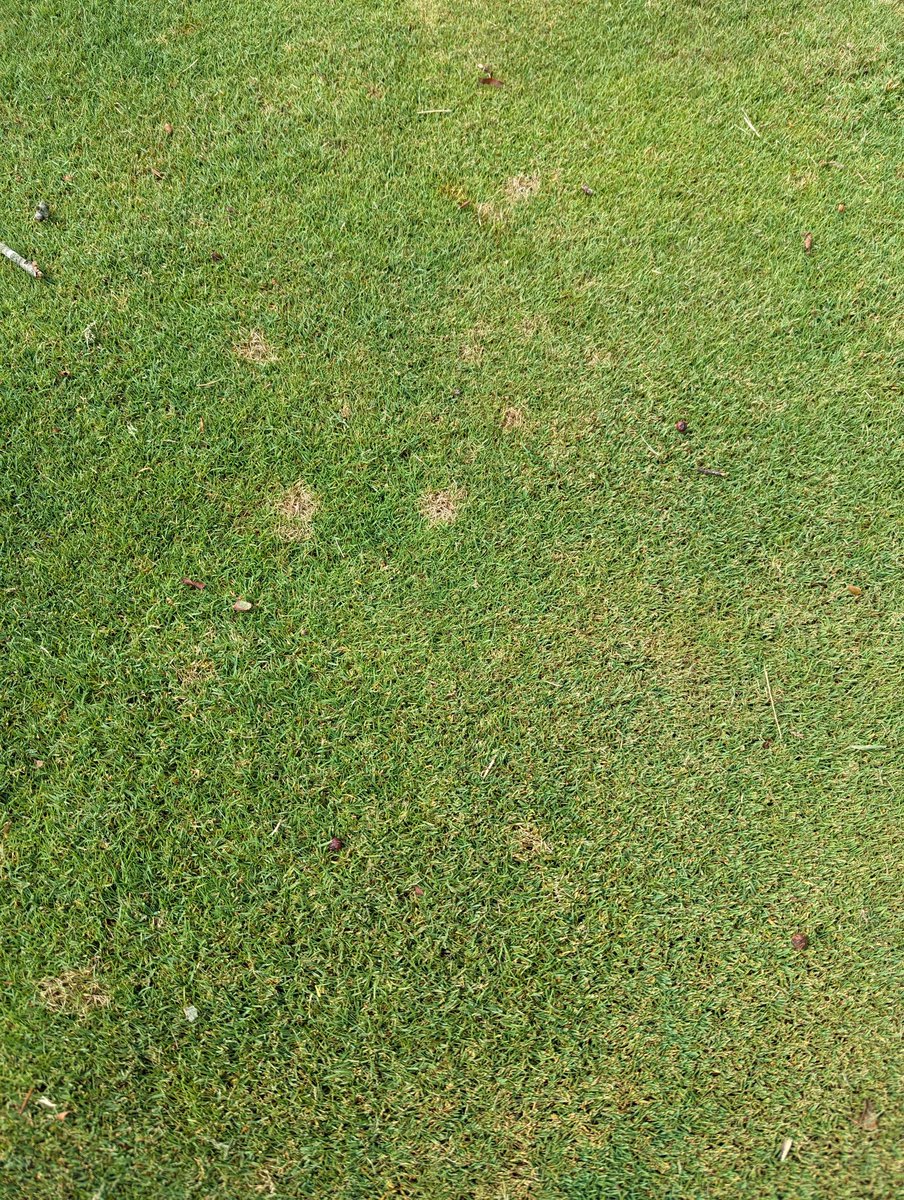
A few central KY pest observations from our research center: crabgrass just started breaking canopy of dense lawn height turf 1 week ago (about 3 weeks later than last year). Dollar spot just now showing up on non-treated FW height bentgrass. Summer patch is on schedule.
@JamesHempfling @purdueturfpath@turfbutler@KernsJim@UTTurfPath Nothing of the same variety, so no fair comparisons. Best to delete & keep learning. I'm more of a learn & adjust than a debater. I personally might keep throwing some N down for research needs since in the past it correlated with more BP on our very fertile soils in KY. Thanks!
@JamesHempfling @purdueturfpath@turfbutler@KernsJim@UTTurfPath (2 of 2) I have some exceptions, especially with lower mowing heights of 3 inches having more disease than higher heights of 5 plus. In this case, we struggled to get a BP until the app was made, then it really took off. Weather component, perhaps? Coincidence? Always possible.
@JamesHempfling @purdueturfpath@turfbutler@KernsJim@UTTurfPath Thanks for the note. I'll pull this down after a moment of discussion to prevent the spread of any disputed content. I've certainly had my head down in the field a lot lately, but in this case, and historically, increase is what I've observed, usually.
We have rolled out a resource page on our website, https://t.co/W08mgfZ1mE, as a unified location for resources available for those in agriculture and western Kentucky to help guide those in their recovery efforts and provide answers to their questions. #KentuckyStrong
@tinatheplantdoc I'm still processing the fact UK won. Too many times the matchup has been that close and not gone our way. I'm just glad those streaks are gone. You all will probably start on a new one next year though!
Up to about 50% natural recovery from the 2021 armyworm invasion on tall fescue after 3 weeks. Still going to take some seed and fertilizer to fully bounce back. A neighboring perennial ryegrass area has had no recovery.
@reeebert@bugmanjon Yes, thank you. I should have clarified I was speaking from my experience fielding extension questions mainly in central KY. I believe this "attack" has caught many managers in this area off-guard and initially suspecting disease.
While at UK, I almost never dealt with insect questions thanks to working with great entomologists like Drs. Dan Potter & Carl Redmond then Dr. @bugmanjon, but I never heard of serious armyworm issues until now. Areas are being wiped out nearly as quickly as pythium. Unreal.
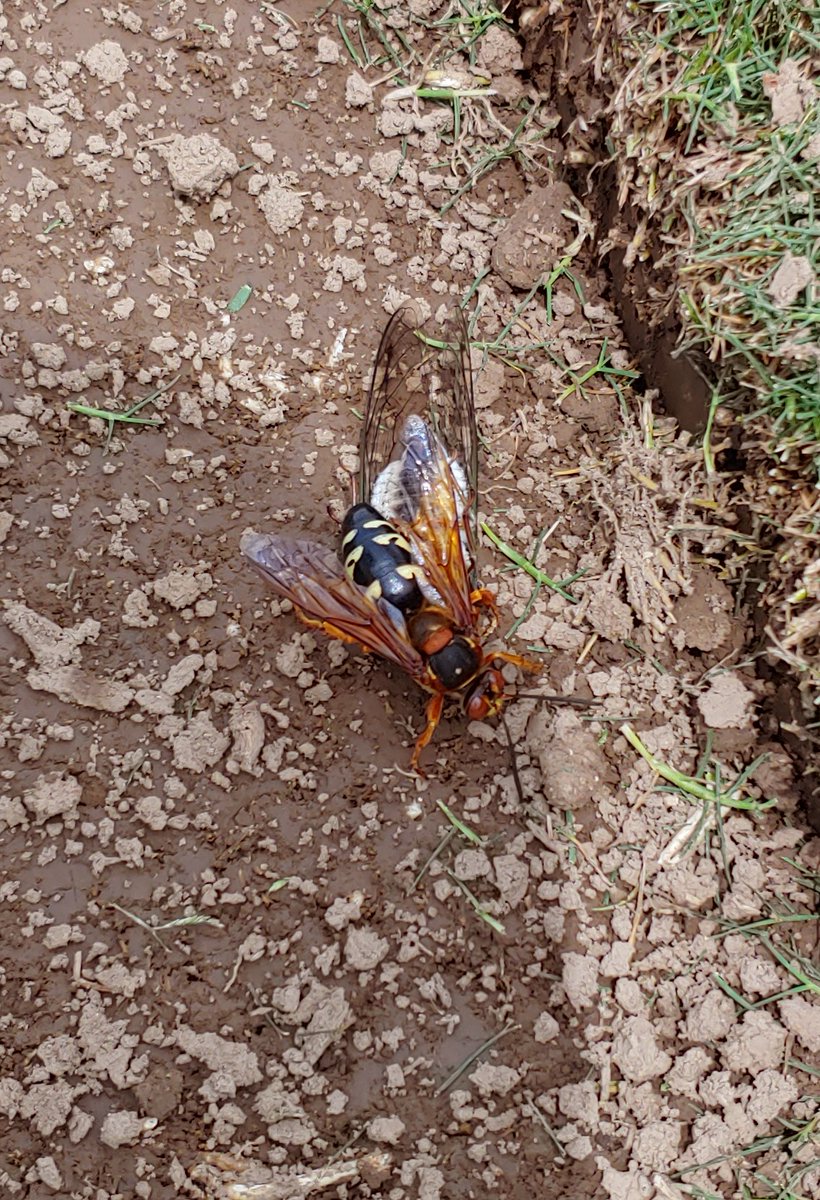
Saw a couple Cicada Killers flying around today. Not to be confused with Asian Giant ("Murder") Hornets, which have still only been seen in Washington state.
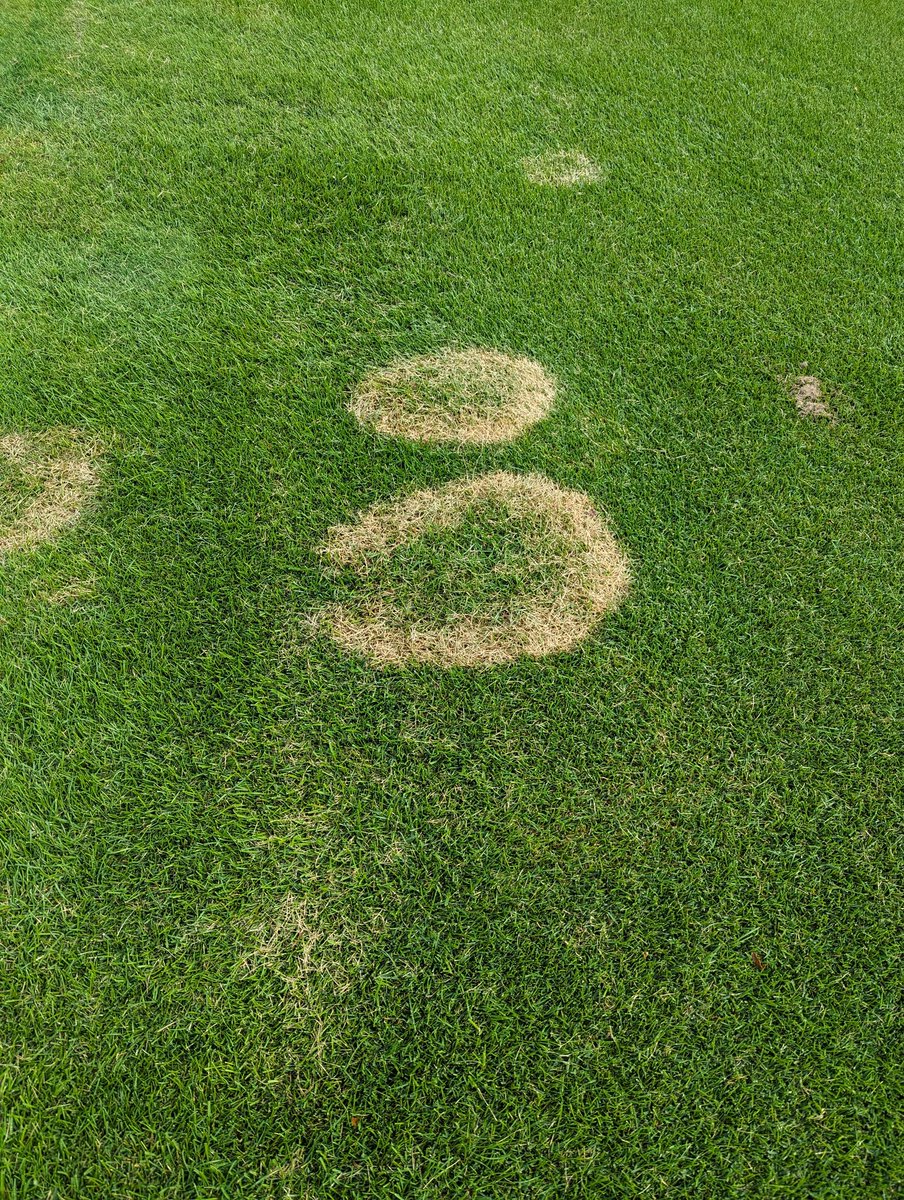
Started seeing a hint of summer patch a couple weeks ago, but it really took off after the weekend on our short mowed KY bluegrass. Perfect frog eye look, for now, before it progresses.
Robotic vs. rotary motors: Research at the University of Kentucky compared the machines’ effects on turfgrass cut quality and leaf tip chlorosis: https://t.co/36zmvquoYQ.
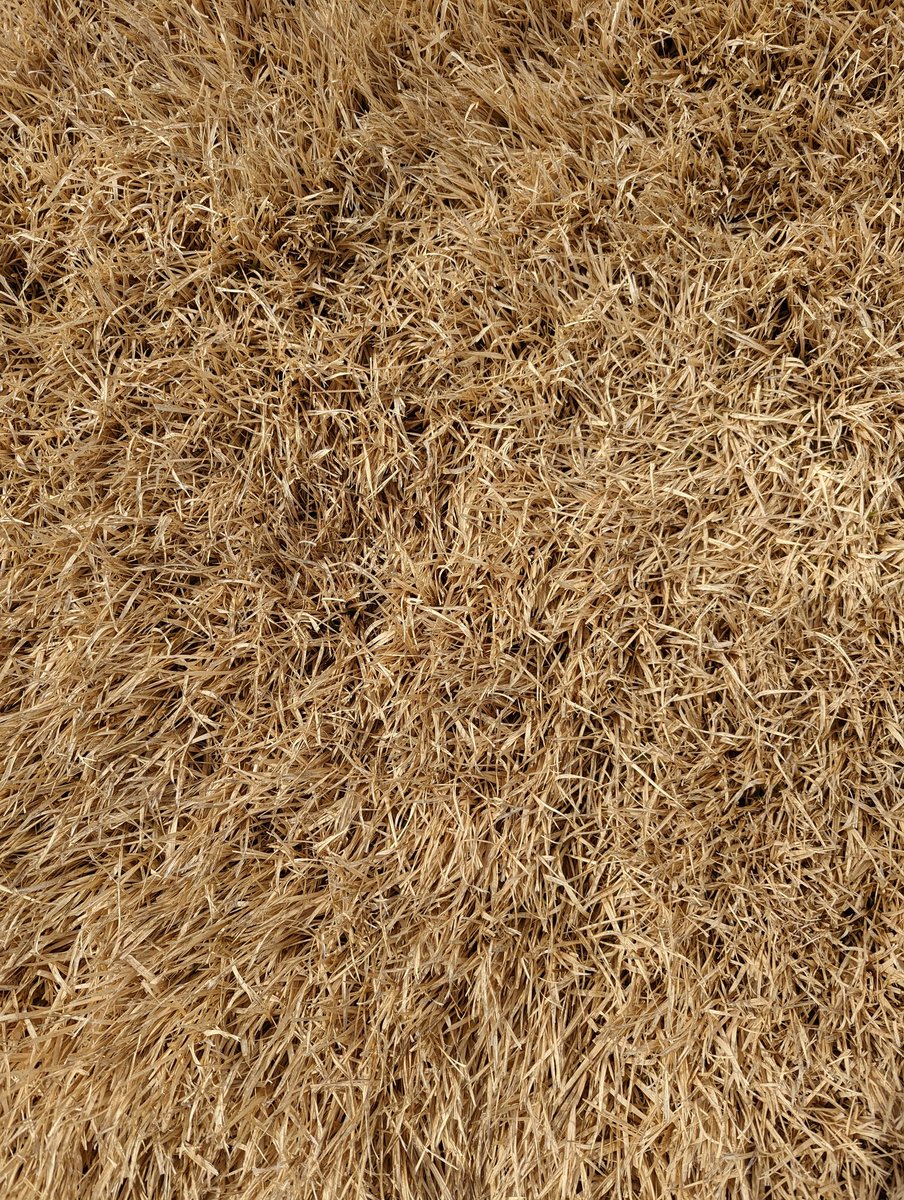
Gray leaf spot already very active in this limited airflow area, a couple weeks ahead of last year. Diseases in general seem more severe this year in KY. Had lots of red thread in spring, now brown patch hitting areas hard and gray leaf spot starting up.
How does the quality of cut from a robotic mower compare to that of a rotary mower on cool season turf? A recent study led by Dr. @TravisShaddox investigated this question. https://t.co/9ZhSZwGaSd
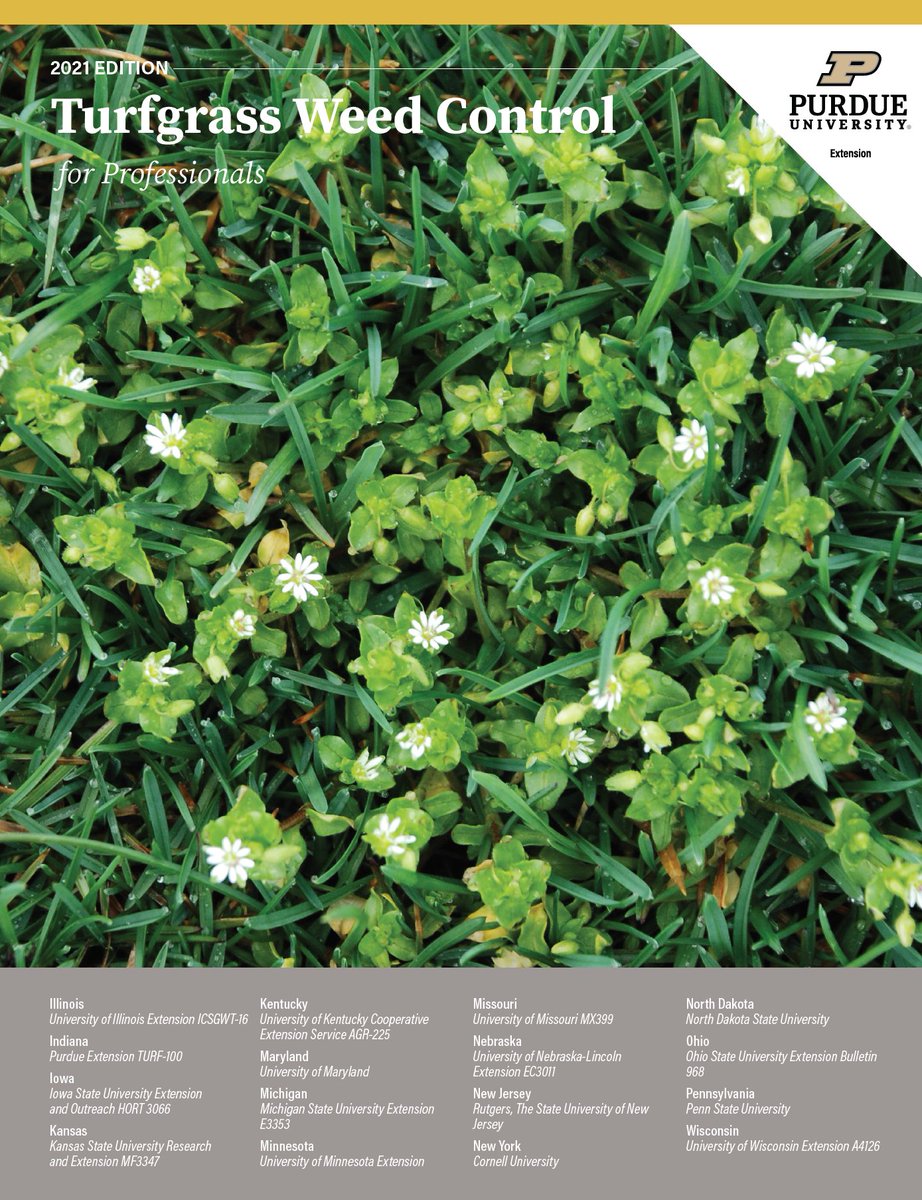
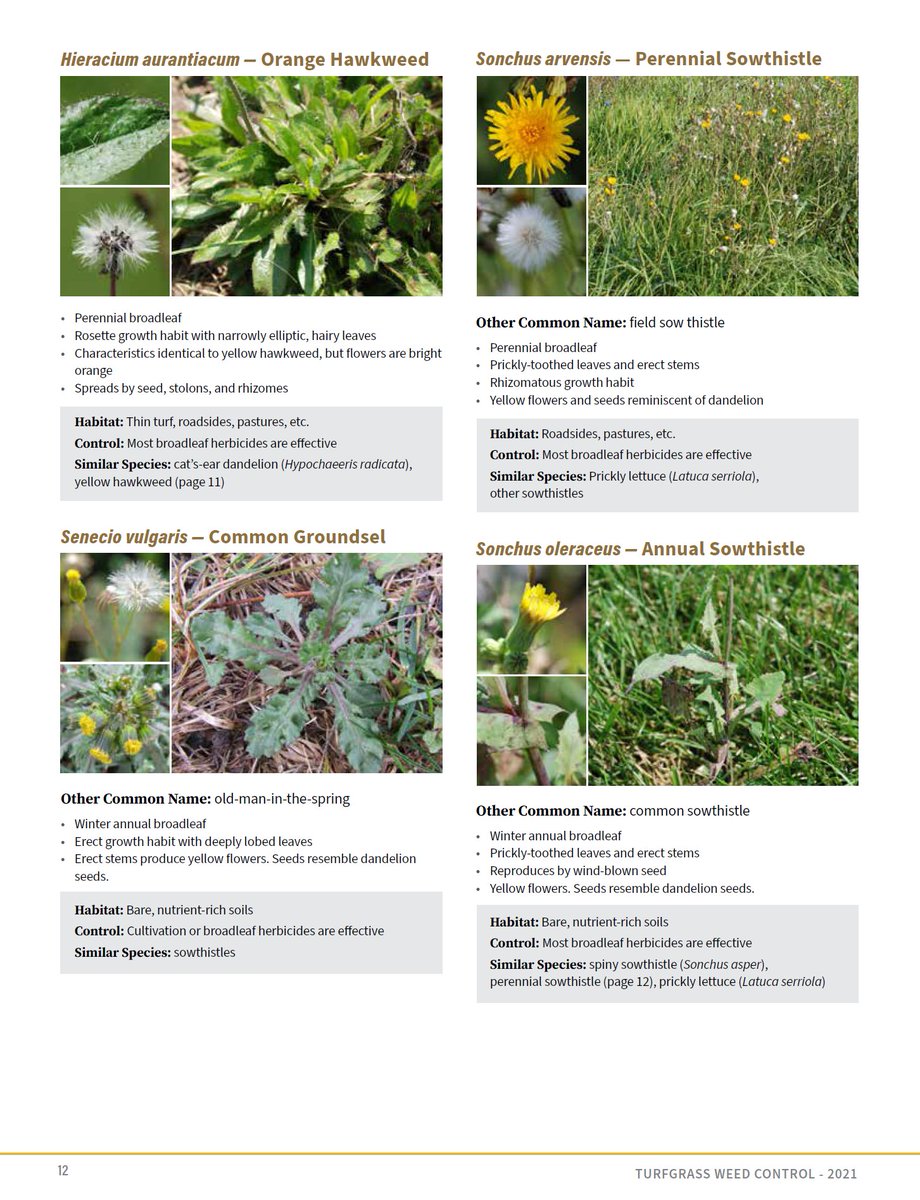
2021 Turfgrass Weed Control for Professionals now available. 16 states and 19 collaborators. @RUturfweeds co-editor. Full-color ID of 118 weeds. Updated with new products and research-based information. Order print ($20) or pdf ($12) at https://t.co/FoygqpZw3z