Gulu University scientist links Nodding disease to contaminated mouldy maize
Dr Richard Echodu, director of Gulu University Multifunctional Research Laboratories, says preliminary laboratory experiments suggest that certain amino acids produced by mould growing on maize could trigger symptoms similar to those of Nodding Syndrome.
The findings come from research Echodu has conducted since 2008 to identify possible causes of the mysterious neurological condition, first reported in the Acholi sub-region in the early 2000s.
To establish the potential relationship, the researchers conducted experiments involving four to five laboratory rats, dividing them into two groups. One group was fed mould-contaminated maize, while the control group was fed clean maize that was confirmed to be free from mould. The researchers closely observed the behaviour of both groups to compare any differences in symptoms.
Echodu says the experiment produced striking results, with the rats developing repetitive head-nodding movements and seizure-like symptoms resembling those observed in human Nodding Syndrome patients.
https://t.co/lsLvythLbl
⏰8th november 2026
🎙️🎙️total collection -1,730,000ugx
the balance is now 7,670,000 ugx
I thank everyone who has shared my story ,given in a coin,put me in prayer and also sent me a message of encouragement .may God grant you blessings .
Thank you for choosingto educate me.
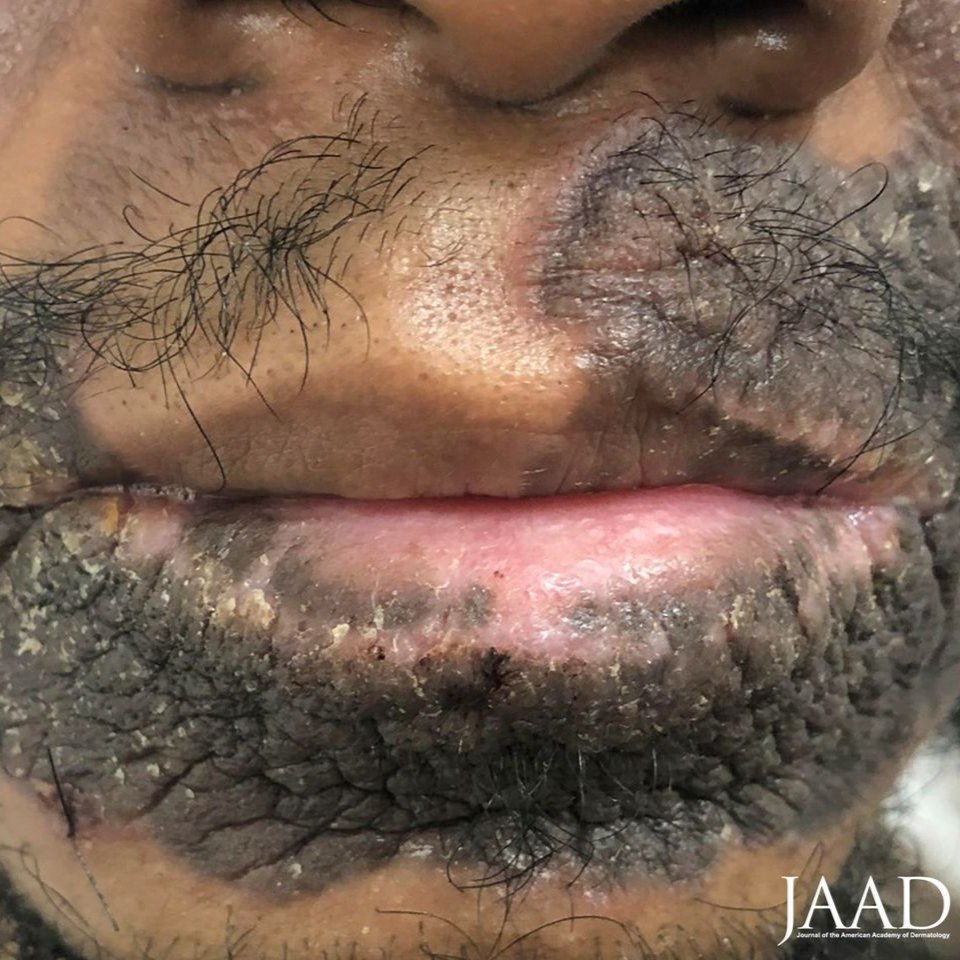
Today I saw this patient with AIDS developed unusual, slowly progressive skin lesions involving the lips, thighs, and genital region.
The biopsy revealed a surprising finding. Can you diagnose it?
Imagine crossing a river inside a blue plastic drum simply because there is no bridge. This is the reality for residents of Dikidikini Village in South Africa’s Eastern Cape, where people rely on drums to cross the river.