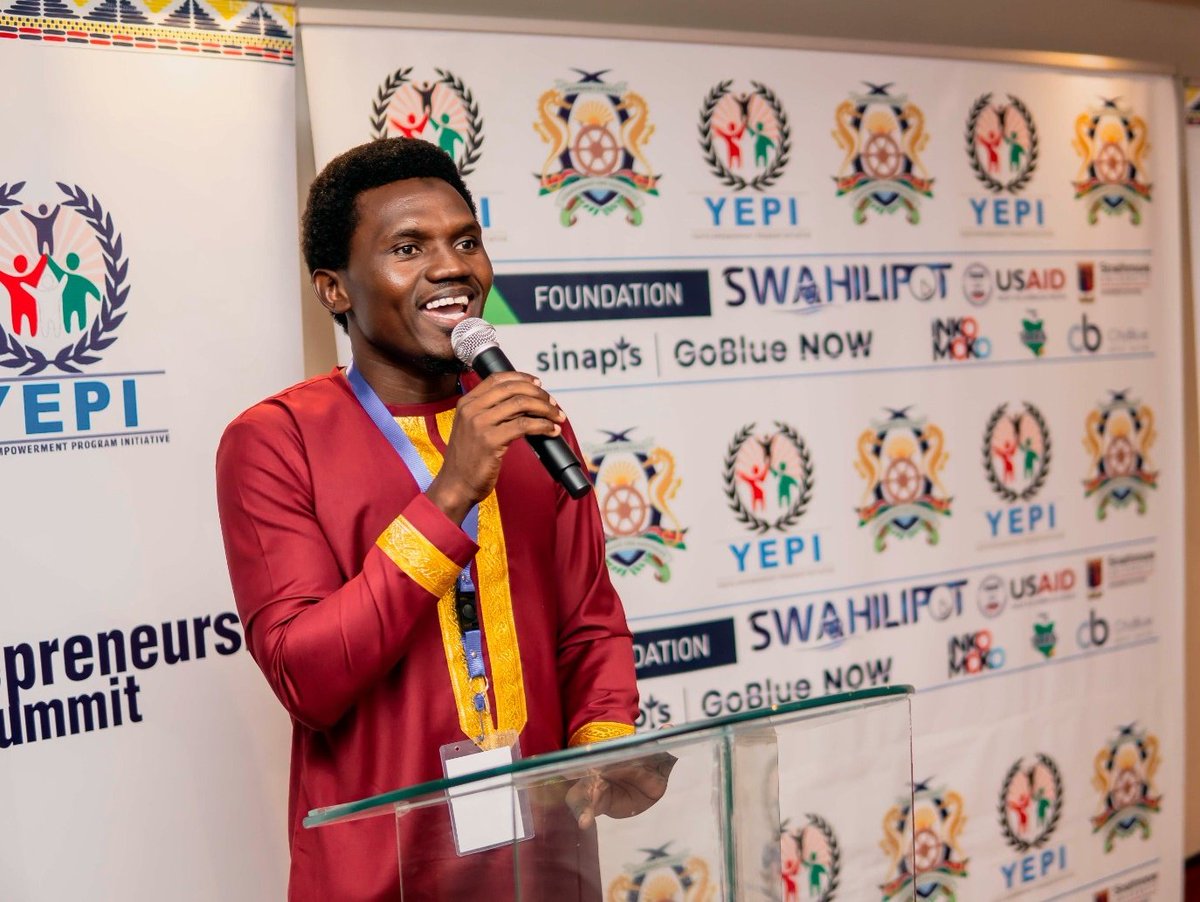
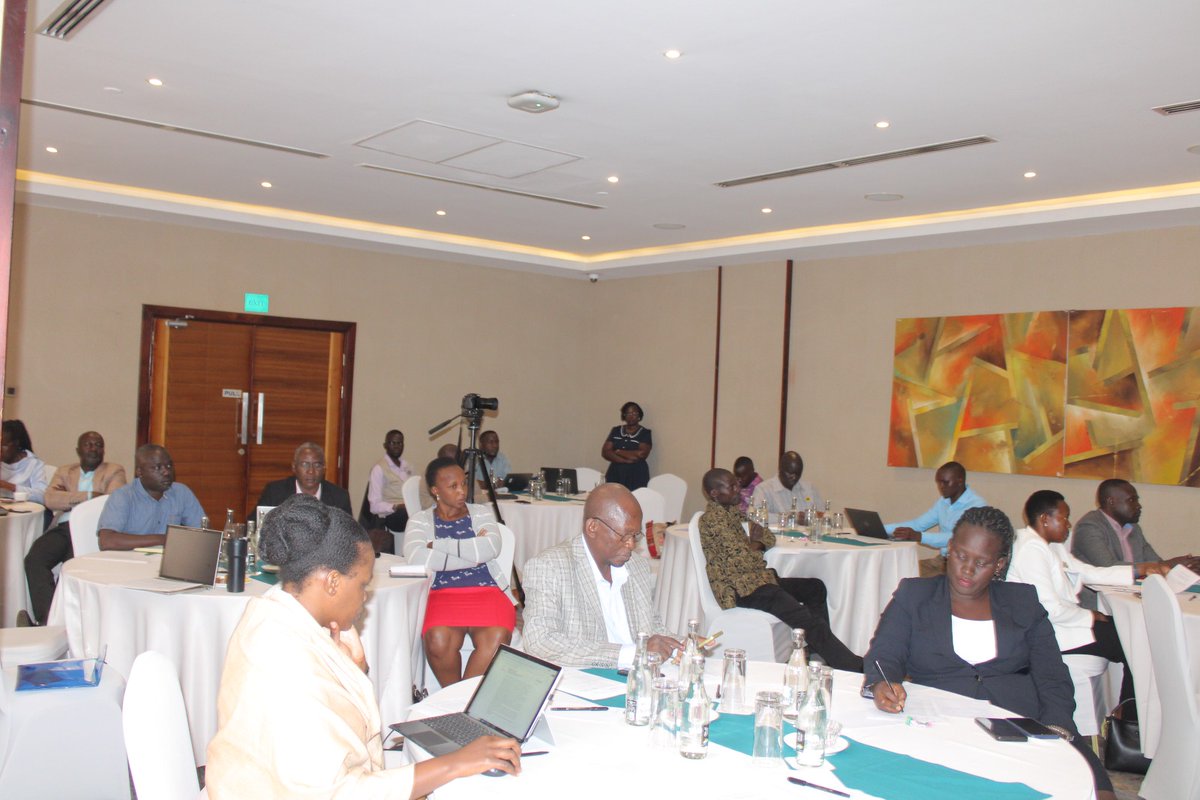
The @Yepiyouth initiative has programs like Governor StartUp Challenge that is meant to train the youth in business skills but Also challenge them to pitch their businesses to the best Entrepreneurs in Mombasa #YESMombasa2023
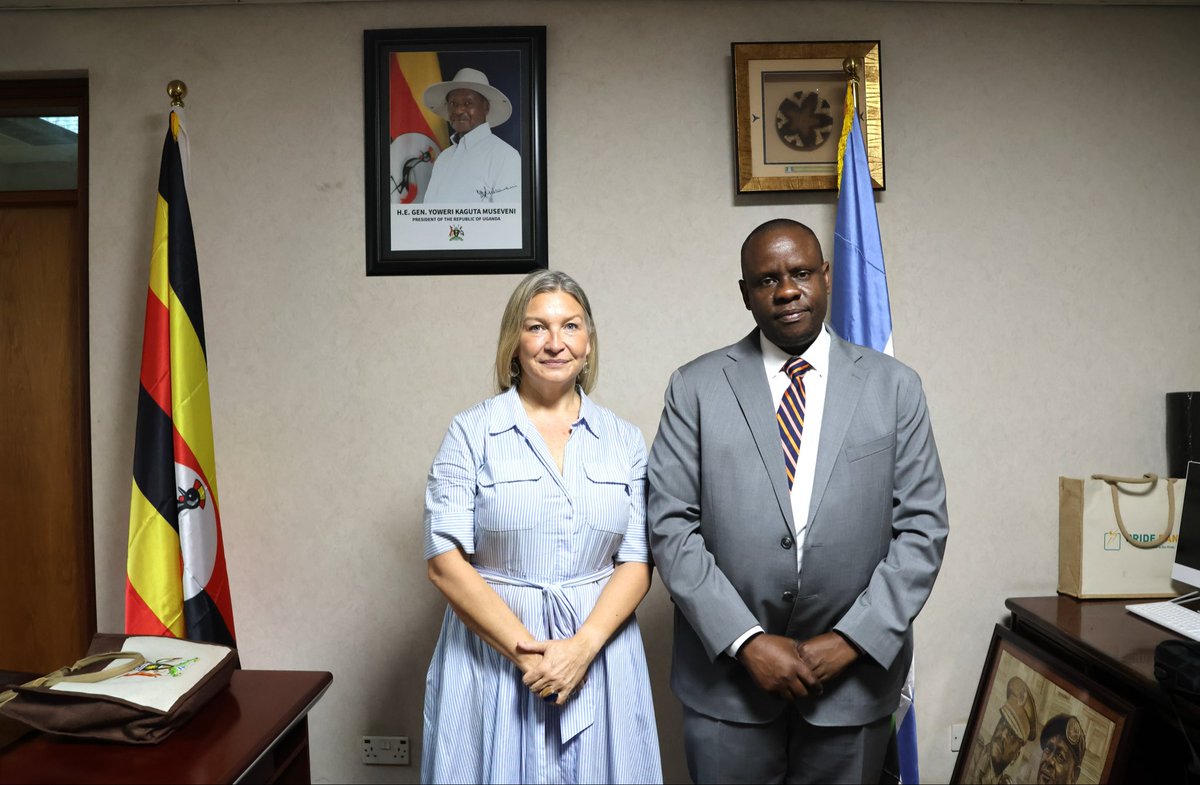
A new month brings new opportunities to strengthen partnerships and create lasting impact. This July, we look forward to deepening cooperation between Ukraine and Uganda through meaningful dialogue and shared progress.#UkraineUganda#HCUK#NewMonth
July isn't a reset,it's a continuation. Every day is another opportunity to build, improve, and stay committed to long-term goals. Sustainable success is shaped one decision at a time. What will you build this month? #Discipline#Consistency#TheJayPatel
Concluding her presentation, Laura Ahumuza Turinawe emphasized that increasing food production alone is not enough.
She encouraged stakeholders to focus on balanced diets and dietary diversity, particularly for school-age children and vulnerable households.
While many communities have improved access to staple foods, meals often lack vegetables, fruits, animal-source foods and other nutrient-rich foods needed for healthy growth.
She stressed that food security and nutrition security are inseparable.
"Food security and nutrition are like husband and wife you cannot separate them if you want healthy outcomes."
As Uganda strengthens school feeding programmes and community nutrition initiatives, the focus must shift beyond simply providing food to ensuring that meals are balanced, diverse, safe and nutritious.
Only through coordinated efforts across agriculture, health, education and community systems can Uganda achieve lasting improvements in nutrition and public health.
#NutritionForAll #SAAUganda
As June comes to a close, remember that real growth happens through consistency, discipline, and intentional effort. Every step forward counts, even the quiet ones. Thank you for being part of the journey. Onward with purpose.#JuneReflection#Leadership#TheJayPatel
Hon. Susan Jolly Abeja paid tribute to Uganda's farmers, describing them as the unsung heroes who continue to feed the nation despite numerous challenges.
She noted that farmers work through drought, floods, pests, poor market access and inadequate infrastructure, yet remain the backbone of Uganda's economy and the foundation of national food security.
However, she stressed that food security does not end with production.
Without quality roads, irrigation systems, storage facilities, post-harvest management, agro-processing and reliable markets, significant amounts of food are lost before reaching consumers.
She called for increased investment across the entire agricultural value chain to reduce post-harvest losses, improve food safety and strengthen rural livelihoods.
"When we invest in farmers, we invest in healthier families, stronger communities and a more prosperous Uganda."
#NutritionForAll #SAAUganda
Hon. Susan Jolly Abeja concluded her keynote address with a powerful call for personal responsibility in building a food-secure Uganda.
Sharing examples from Otuke District, where she has supported multiplication gardens and distributed banana suckers, cassava cuttings and coffee seedlings, she reaffirmed that leadership must be demonstrated through action.
She encouraged every Ugandan to ask:
• Can I establish a kitchen garden?
• Can I plant a tree?
• Can I support a local farmer?
• Can I reduce food waste?
• Can I teach my family about good nutrition?
She also reaffirmed her commitment to advancing Uganda's Food and Nutrition Bill by working with the Attorney General and the Ministries of Agriculture, Health and Education to accelerate its progress.
"If every Ugandan takes responsibility for producing, protecting, purchasing and promoting safe and nutritious food, together we can build a food-secure Uganda."
Declaring the workshop officially open, Hon. Abeja called on all stakeholders to break down institutional silos and build an inclusive food system that leaves no one behind.
Food security starts with me. It starts with all of us.
#NutritionForAll #SAAUganda
𝐑𝐞𝐬𝐞𝐚𝐫𝐜𝐡 𝐢𝐬 𝐩𝐥𝐚𝐲𝐢𝐧𝐠 𝐚 𝐯𝐢𝐭𝐚𝐥 𝐫𝐨𝐥𝐞 𝐢𝐧 𝐚𝐝𝐝𝐫𝐞𝐬𝐬𝐢𝐧𝐠 𝐔𝐠𝐚𝐧𝐝𝐚'𝐬 𝐧𝐮𝐭𝐫𝐢𝐭𝐢𝐨𝐧 𝐜𝐡𝐚𝐥𝐥𝐞𝐧𝐠𝐞𝐬.
Presenting on "The Impact of Research on Biofortified Food Production, Consumption and Food Safety," Dr. Moses Matovu, Senior Research Scientist at @narouganda , highlighted how scientific innovation is helping transform Uganda's food systems.
He noted that although Uganda is richly endowed with fertile soils, diverse agroecological zones and world-renowned agricultural research institutions, malnutrition remains a major challenge.
According to the Uganda Demographic and Health Survey (2022):
• 17% of the population is undernourished.
• 26% of children are stunted.
• 2.9% suffer from wasting.
• 10.2% are underweight.
• Nearly one-third of children aged 6–59 months are anaemic.
• More than one-quarter of women of reproductive age are affected by anaemia.
Dr. Matovu explained that the issue is not only producing enough food but ensuring the food people consume contains the nutrients necessary for healthy growth, cognitive development and productivity.
𝐑𝐞𝐬𝐞𝐚𝐫𝐜𝐡 𝐩𝐫𝐨𝐯𝐢𝐝𝐞𝐬 𝐭𝐡𝐞 𝐞𝐯𝐢𝐝𝐞𝐧𝐜𝐞 𝐚𝐧𝐝 𝐢𝐧𝐧𝐨𝐯𝐚𝐭𝐢𝐨𝐧𝐬 𝐧𝐞𝐞𝐝𝐞𝐝 𝐭𝐨 𝐢𝐦𝐩𝐫𝐨𝐯𝐞 𝐛𝐨𝐭𝐡 𝐧𝐮𝐭𝐫𝐢𝐭𝐢𝐨𝐧 𝐚𝐧𝐝 𝐟𝐨𝐨𝐝 𝐬𝐚𝐟𝐞𝐭𝐲 𝐟𝐨𝐫 𝐔𝐠𝐚𝐧𝐝𝐚𝐧 𝐡𝐨𝐮𝐬𝐞𝐡𝐨𝐥𝐝𝐬.
#NutritionForAll #SAAUganda
Dr. Moses Matovu showcased how biofortification is emerging as one of Uganda's most sustainable solutions to hidden hunger.
Unlike conventional food fortification, which adds nutrients during food processing, biofortification develops crop varieties that naturally contain higher levels of essential nutrients through plant breeding and biotechnology.
@narouganda has successfully developed numerous nutrient-rich crop varieties, including:
Vitamin A-rich maize.
Iron- and zinc-rich bean varieties.
Orange-fleshed sweet potatoes rich in provitamin A.
Newly introduced purple sweet potatoes containing powerful antioxidants.
Improved cassava varieties with better nutritional qualities and reduced toxicity.
These crops enable farming households to improve nutrition using the foods they already grow, making healthy diets more affordable and accessible.
"Nutrition starts with the seed we plant."
#NutritionForAll #SAAUganda
𝐇𝐚𝐯𝐢𝐧𝐠 𝐞𝐧𝐨𝐮𝐠𝐡 𝐟𝐨𝐨𝐝 𝐝𝐨𝐞𝐬 𝐧𝐨𝐭 𝐚𝐥𝐰𝐚𝐲𝐬 𝐦𝐞𝐚𝐧 𝐡𝐚𝐯𝐢𝐧𝐠 𝐚 𝐧𝐮𝐭𝐫𝐢𝐭𝐢𝐨𝐮𝐬 𝐝𝐢𝐞𝐭.
During his presentation, Dr. Moses Matovu explained that many Ugandan households consume meals dominated by carbohydrates while lacking sufficient protein, iron, zinc and vitamin A.
He encouraged greater dietary diversity by combining staple foods with leafy vegetables, legumes and other locally available nutrient-rich foods.
He also shared practical nutrition guidance, including:
• Pairing iron-rich foods with vitamin C to improve iron absorption.
• Reducing tea consumption immediately after meals, as tannins reduce nutrient absorption.
• Including more vegetables and protein sources whenever possible.
• Promoting balanced diets rather than relying on a single staple food.
Improving nutrition begins not only with producing food, but also with making informed choices about what we eat.
#NutritionForAll #SAAUganda
Food safety remains a critical pillar of Uganda's agricultural transformation.
Dr. Moses Matovu highlighted several innovations developed by @narouganda to reduce contamination and improve food quality throughout the food value chain.
These include:
-Biological technologies to control aflatoxin contamination in cereals.
-Improved fermentation techniques that reduce cyanide toxicity in cassava.
-Cleaner smoking technologies that minimise harmful tar deposits in smoked fish and meat.
-Soil microorganisms that improve fertiliser efficiency while promoting healthier soils.
Supported by @GovUganda investment, NARO has also established specialised infrastructure for aflatoxin mitigation and is preparing to distribute Aflasafe technology to farmers to reduce contamination before harvest.
These innovations protect consumer health while improving market opportunities for Ugandan agricultural products.
#NutritionForAll #SAAUganda
Agricultural research extends far beyond crop improvement.
Dr. Moses Matovu outlined @narouganda's efforts to strengthen Uganda's livestock sector through locally developed veterinary innovations.
Among the major achievements highlighted were:
• Uganda's Anti-Tick Vaccine, developed to reduce dependence on acaricides while improving livestock health.
• Ongoing research into vaccines against African Swine Fever.
• Continued development of solutions for Newcastle Disease affecting poultry.
These innovations are helping farmers reduce production costs, improve animal health and increase productivity while supporting national food security.
Research continues to provide practical solutions that improve livelihoods for farming communities across Uganda.
#NutritionForAll #SAAUganda
Closing his presentation, Dr. Moses Matovu emphasized that ensuring adequate, safe and nutritious food requires collective responsibility.
Government institutions, researchers, development partners, farmers, private sector actors and consumers must work together to strengthen Uganda's food systems.
He called for continued investment in agricultural research, public education, climate-smart innovations and nutrition-sensitive agriculture to address malnutrition and improve food safety nationwide.
Uganda possesses the scientific expertise, research infrastructure and agricultural potential needed to transform its food systems.
By translating research into practical solutions for farmers and consumers, the country can build healthier communities, improve household incomes and strengthen national food security.
"𝐒𝐚𝐟𝐞 𝐚𝐧𝐝 𝐧𝐮𝐭𝐫𝐢𝐭𝐢𝐨𝐮𝐬 𝐟𝐨𝐨𝐝 𝐢𝐬 𝐞𝐯𝐞𝐫𝐲𝐨𝐧𝐞'𝐬 𝐫𝐞𝐬𝐩𝐨𝐧𝐬𝐢𝐛𝐢𝐥𝐢𝐭𝐲, 𝐚𝐧𝐝 𝐫𝐞𝐬𝐞𝐚𝐫𝐜𝐡 𝐫𝐞𝐦𝐚𝐢𝐧𝐬 𝐨𝐧𝐞 𝐨𝐟 𝐨𝐮𝐫 𝐬𝐭𝐫𝐨𝐧𝐠𝐞𝐬𝐭 𝐭𝐨𝐨𝐥𝐬 𝐟𝐨𝐫 𝐛𝐮𝐢𝐥𝐝𝐢𝐧𝐠 𝐚 𝐡𝐞𝐚𝐥𝐭𝐡𝐢𝐞𝐫 𝐔𝐠𝐚𝐧𝐝𝐚."
#NutritionForAll #SAAUganda
𝐒𝐭𝐫𝐨𝐧𝐠 𝐩𝐚𝐫𝐭𝐧𝐞𝐫𝐬𝐡𝐢𝐩𝐬 𝐚𝐫𝐞 𝐞𝐬𝐬𝐞𝐧𝐭𝐢𝐚𝐥 𝐭𝐨 𝐭𝐫𝐚𝐧𝐬𝐟𝐨𝐫𝐦𝐢𝐧𝐠 𝐔𝐠𝐚𝐧𝐝𝐚'𝐬 𝐟𝐨𝐨𝐝 𝐬𝐲𝐬𝐭𝐞𝐦𝐬.
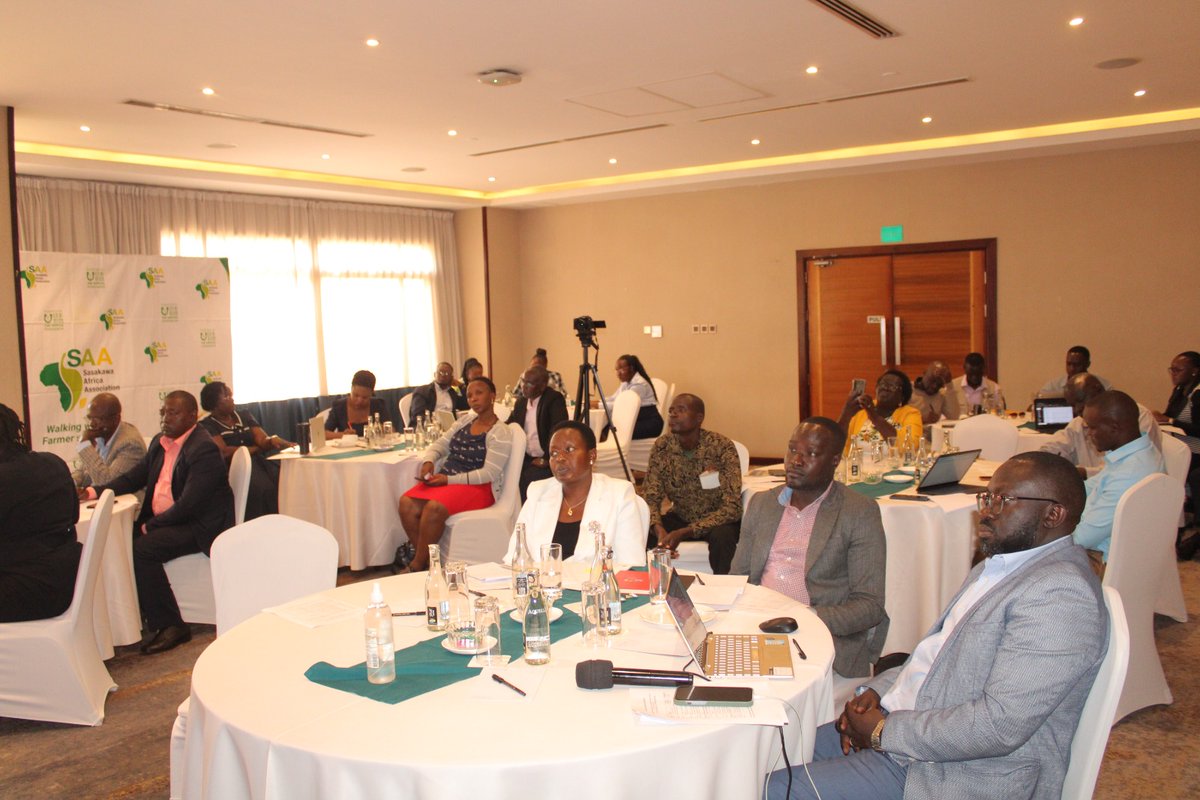
During the Adequate, Safe and Nutritious Food Partnership Workshop 2026, David Tumwesigye of the @MAAIF_Uganda reaffirmed Government's commitment to working with development partners to improve food and nutrition security.
He emphasized that collaboration is not simply encouraged it is embedded within Uganda's policy and legal frameworks.
According to him, the Constitution places responsibility on the State to ensure citizens have access to safe and nutritious food while promoting nutrition education and strengthening food security.
He applauded the Sasakawa Africa Association (SAA) for supporting Government in fulfilling this national mandate through practical interventions that improve agricultural productivity, nutrition and household livelihoods.
"Partnerships like these help Government deliver on its constitutional responsibility to ensure food and nutrition security for all Ugandans."
#NutritionForAll #SAAUganda
Speaking on Uganda's policy direction for food and nutrition security, David Tumwesigye reminded participants that nutrition cannot be discussed without talking about food.
He reflected on lessons from the development of Uganda's Nutrition Policy, noting that nutrients originate from the food people consume.
"𝐏𝐞𝐨𝐩𝐥𝐞 𝐝𝐨 𝐧𝐨𝐭 𝐞𝐚𝐭 𝐧𝐮𝐭𝐫𝐢𝐞𝐧𝐭𝐬,𝐭𝐡𝐞𝐲 𝐞𝐚𝐭 𝐟𝐨𝐨𝐝."
He stressed that improving nutrition begins with ensuring households have access to diverse, safe and nutritious foods produced through sustainable agricultural systems.
This perspective reinforces the need to strengthen food production alongside nutrition education so that healthy diets become a reality for every Ugandan household.
#NutritionForAll #SAAUganda
Concluding his presentation, David Tumwesigye reaffirmed that Government is committed to building lasting partnerships that strengthen agriculture, improve food security and promote better nutrition.
He described organisations such as the Sasakawa Africa Association as valued partners whose work complements Government efforts to transform Uganda's food systems.
With supportive policies already in place, he encouraged continued collaboration to increase production, reduce post-harvest losses, promote value addition and improve household nutrition across the country.
"𝐎𝐮𝐫 𝐩𝐨𝐥𝐢𝐜𝐲 𝐟𝐫𝐚𝐦𝐞𝐰𝐨𝐫𝐤𝐬 𝐩𝐫𝐨𝐯𝐢𝐝𝐞 𝐚𝐧 𝐨𝐩𝐞𝐧 𝐝𝐨𝐨𝐫 𝐟𝐨𝐫 𝐩𝐚𝐫𝐭𝐧𝐞𝐫𝐬 𝐭𝐨 𝐰𝐨𝐫𝐤 𝐰𝐢𝐭𝐡 𝐆𝐨𝐯𝐞𝐫𝐧𝐦𝐞𝐧𝐭 𝐢𝐧 𝐭𝐫𝐚𝐧𝐬𝐟𝐨𝐫𝐦𝐢𝐧𝐠 𝐔𝐠𝐚𝐧𝐝𝐚'𝐬 𝐚𝐠𝐫𝐢𝐜𝐮𝐥𝐭𝐮𝐫𝐞 𝐚𝐧𝐝 𝐞𝐧𝐬𝐮𝐫𝐢𝐧𝐠 𝐬𝐚𝐟𝐞, 𝐧𝐮𝐭𝐫𝐢𝐭𝐢𝐨𝐮𝐬 𝐟𝐨𝐨𝐝 𝐟𝐨𝐫 𝐚𝐥𝐥."
Through stronger partnerships, shared expertise and coordinated action, Uganda can accelerate progress towards resilient, inclusive and sustainable food systems.
#NutritionForAll #SAAUganda
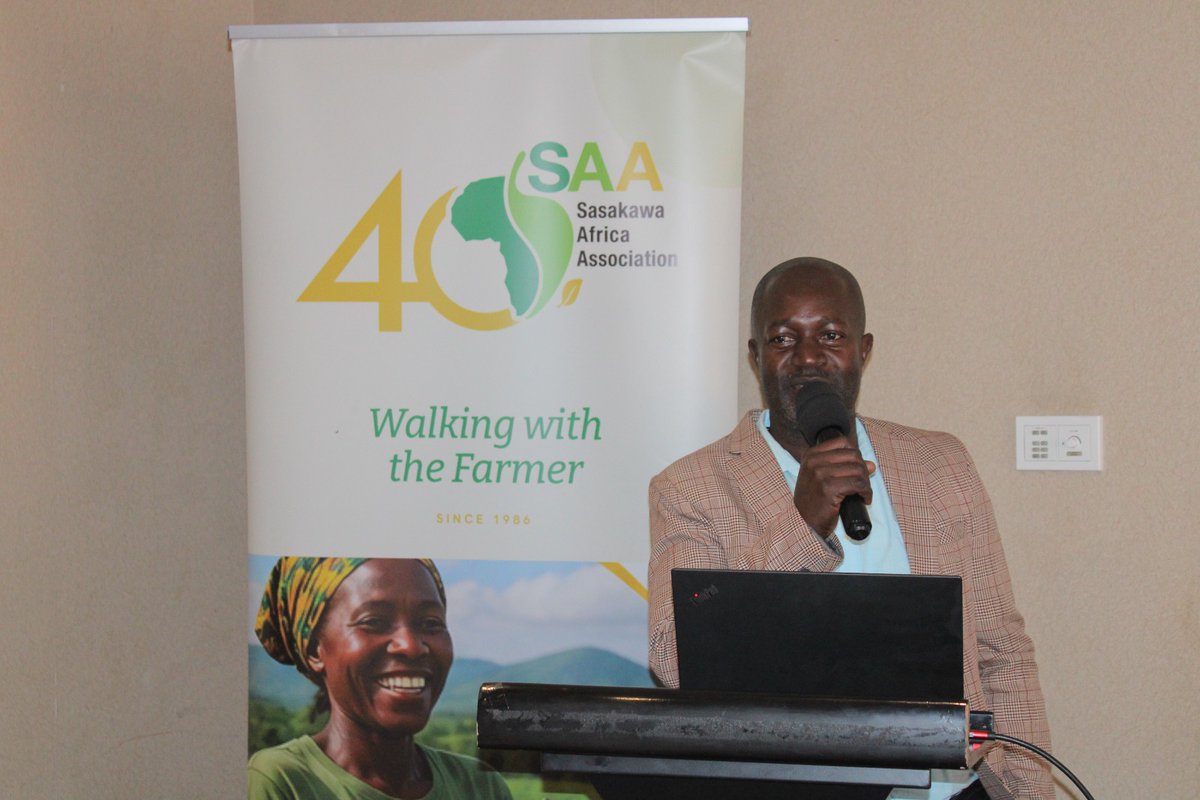
At the Adequate, Safe and Nutritious Food Partnership Workshop 2026, Dr. Frances Nakakawa, M&E Specialist at Sasakawa Africa Association (SAA), emphasized that nutrition must be treated as a core outcome, not an additional objective in agricultural programming.
She stressed that nutrition begins long before food reaches the plate and must be embedded across all agricultural interventionsfrom production to consumption.
SAA’s approach integrates nutrition across climate-resilient agriculture, market systems, extension services, and household-level interventions to ensure that food systems deliver not just yields, but improved human health outcomes.
"𝐍𝐮𝐭𝐫𝐢𝐭𝐢𝐨𝐧 𝐢𝐬 𝐧𝐨𝐭 𝐚𝐧 𝐚𝐝𝐝-𝐨𝐧. 𝐈𝐭 𝐢𝐬 𝐭𝐡𝐞 𝐨𝐮𝐭𝐜𝐨𝐦𝐞 𝐰𝐞 𝐦𝐮𝐬𝐭 𝐝𝐞𝐥𝐢𝐛𝐞𝐫𝐚𝐭𝐞𝐥𝐲 𝐝𝐞𝐬𝐢𝐠𝐧 𝐟𝐨𝐫."
#NutritionForAll #SAAUganda
Dr. Frances Nakakawa highlighted that nutrition outcomes begin at the foundation of the food system soil health.
SAA promotes climate-resilient and regenerative agriculture practices that restore soil fertility, improve productivity, and enhance the nutrient density of crops.
Key focus areas include:
• Healthy soils for nutrient-rich crops
• Biofortified and nutrient-dense seeds
• Climate-resilient farming systems
• Sustainable productivity under climate shocks
She noted that improving soil health directly contributes to better household nutrition outcomes by increasing the availability of diverse and nutritious foods.
"Good nutrition starts in the soil, not on the plate."
#NutritionForAll #SAAUganda
Dr. Frances Nakakawa underscored the importance of functioning food markets and reduced post-harvest losses in achieving nutrition security.
She explained that even when farmers produce enough food, poor storage, handling, and market inefficiencies can lead to significant nutrient and economic losses.
SAA’s interventions focus on:
• Reducing post-harvest losses
• Promoting safe food handling practices
• Strengthening farmer organizations and cooperatives
• Ensuring availability of diverse and safe foods in markets
This systems-based approach ensures that nutritious food reaches both farming and non-farming households efficiently.
"Food security is not complete until food reaches the table safely and affordably."
#NutritionForAll #SAAUganda
Addressing participants at the Adequate, Safe and Nutritious Food Partnership Workshop, Hon. Susan Jolly Abeja challenged stakeholders to move beyond discussions and commit to practical action.
She urged participants to leave the workshop with three key commitments:
• Strengthen collaboration across the food value chain to ensure food is not only available but also safe by eliminating counterfeit agricultural inputs, aflatoxin contamination and poor post-harvest handling practices.
• Transform research into community impact by ensuring that nutrition knowledge generated in laboratories, universities and workshops reaches households, schools and farming communities across Uganda.
• Translate policies into measurable action through continued investment in nutrition education, climate-smart agriculture, school feeding programmes, post-harvest management and community-based nutrition interventions.
"The true measure of our commitment is not the size of our plans, but the impact we create in people's lives."
#NutritionForAll #SAAUganda