University of South Carolina
B.S. Retailing: Fashion Merchandising and Digital Innovations
RETL369 - 001
Fall 25
"When life gives you lemons, make lemonade."
Positioning your brand is crucial in marketing. One of the most interesting product positioning strategies in retail promotion is the competitors approach. This means defining your brand by contrasting it against its rivals, making clear differences in the customers mind.
@RetailPro369 I think using AI for virtual try-on is a great way to incorporate new technology for better personalization! It's difficult for brands to know how much AI is too much AI, but I think this is a perfect way to utilize innovative technology.
The lesson is that entertainment = engagement! When brands play with memes, jokes, and trending moments, they make shopping feel cultural rather than transactional. Thats how retail thrives in the #SocialEra
S6 @RetailPro369
The best retail campaigns aren't just about showing product, but rather creating fun moments. From participating in trending meme's to interactive polls, brands that lean into pop culture tend to grab more attention and can turn casual scrollers into shoppers.
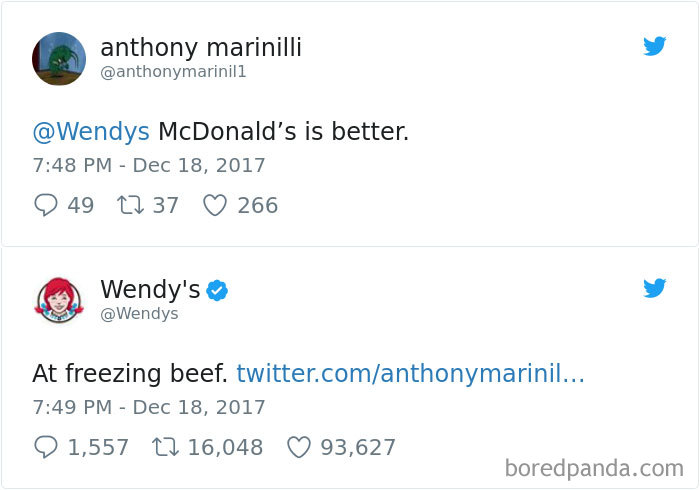
Example: @Wendys on X. Their quick roasts and funny replies transformed fast food into entertainment. Fans don't just follow for burgers anymore, they follow for laughs. That mix of humor and wit is #RetailMarketing disguised as fun!
Hashtags like #SocialCommerce and #ECommerceTrends make this content so much easier to find. They connect insights on fast growing platforms like TikTok and Instagram with people actively searching for retail strategy. Smart use for reach and engagement!
🚀 Social commerce is growing 3X faster than traditional e-commerce!
Instagram, TikTok & Facebook are now powerful shopping hubs.
🛒 Instagram: Shoppable posts
🎥 TikTok: Viral trends
👥 Facebook: Marketplace boom
https://t.co/ZRjBOSKXFh
#socialcommerce#ecommercetrends
This it totally aimed at college girls (18-24) who want cute and comfy looks built to last for late-night study sessions! Using real students makes it feel relatable and allows the target audience to see themselves in these clothes.
Coming August 7: The Campus Collection.
New semester means the cutest new sets, tees, pants, and more—and who better to show it off than real-life college students.
For retailers, the lesson to be learned is clear: personalization boosts conversions. However, there needs to be a balance. Too much targeting can feel invasive. The key? Simplify, respect privacy, and use insights to improve the customer journey! #Ecommerce
L5 @RetailPro369
Successful retailers know they shouldn't just market products, but market to behaviors. Every website search, click, and scroll creates a unique digital footprint. With tools like cookies, businesses can understand customer intent and create personalized offers.
Think about it: you're browsing for a new pair of boots, leave the site, and suddenly are smacked in the face with an ad for those exact boots! That's not coincidence, thats behavioral targeting. By studying what you search, view, or almost purchase, brands will always remember.
A plethora of options? Ruins customer efficiency and profitability. When faced with multiple choices the brain gets overwhelmed and gives up. The brands that curate, simplify, and guide decisions are the ones who will succeed!
The competitors approach grabs attention and highlights the differences between brands. However, I think it can backfire sometimes if it feels too negative or has a strong retaliation. Which other two brands do you think use this strategy effectively?🤔
L4 @RetailPro369
Positioning your brand is crucial in marketing. One of the most interesting product positioning strategies in retail promotion is the competitors approach. This means defining your brand by contrasting it against its rivals, making clear differences in the customers mind.
A classic example of this is the Pepsi vs. Coca Cola campaigns that both brands have capitalized on. In the GIF above, Pepsi directly compares themselves to Coca Cola, thus encouraging consumers to re-think their loyalty and chose Pepsi as the better choice. 🥤
Affective attitude in ads utilizes our emotions to build brand connections! I have personally experienced this with Nike's motivational campaigns. They make me feel as if I am a part of something bigger than just buying shoes! 👟
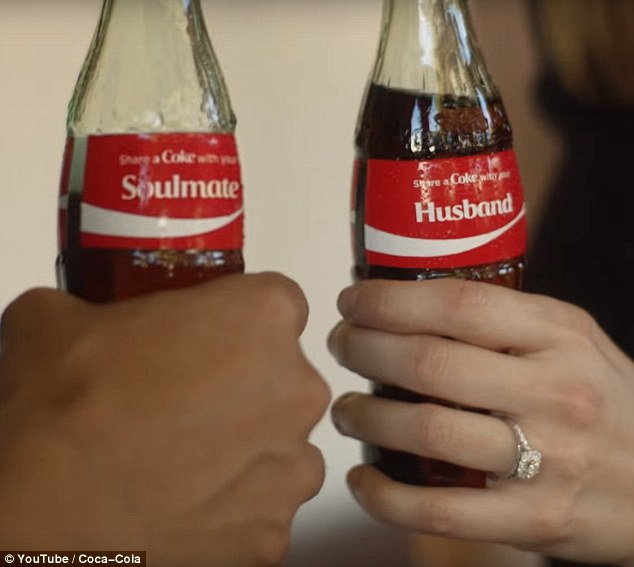
Affective attitude in ads reflects consumers' feelings or emotions towards a brand. Positive emotions are used to associate positive feelings with their product or brand. Coca-Cola used affective attitude with their "share a Coke" campaign.
@lillyspence369@RetailPro369 I agree that emotions can be just as powerful as the products actual features in appealing to consumers. I would say that Nike does this very well also. Their campaigns often inspire feelings and motivation and empowerment, which helps me connect to the brand on a deeper level.
Great example!! Gap's recent campaign shows brand loyalty is much more than price and promotions, its about linking the brand with values people care about. Authenticity is greatly appreciated by consumers! #BrandLoyalty
When you think of good marketing I know exactly what comes to mind. This is Gap's way of differentiating themselves as a brand. As creating brand loyalty by being authentic and inclusive. L2 @RetailPro369
@KirbySeigler369@RetailPro369 I like how you pointed out Gap's focus on authenticity and inclusivity. It connects well with how brands relate to their consumers, which helps build loyalty!