Most problem solving sessions I've run start with the wrong problem.
Not because the team is incompetent.
Because no one stopped to ask: "Are we solving the right thing?"
🧵 A thread on the most expensive mistake in manufacturing:Here's what I see on production floors every week:
A machine stops. Pressure builds. The team jumps into 5 Whys.
Fast analysis. Clean fishbone. Action plan by end of day.
Three weeks later — same problem. Different shift. Same machine.
Why?
I wrote a full breakdown of this method — including the 5W2H Meta Probe framework — on my blog.
Link in first reply 👇
If this resonated, follow @Kaizen_Coach_EN — I post one practical Lean insight every week.
How to apply it in practice:
Before your next problem solving session, write the problem statement on a whiteboard.
Then ask the team: "If we solve exactly this — and nothing else — does the problem go away permanently?"
If anyone hesitates → you're not at the root yet.
Problem-solving is the most significant activity for managers at all levels.
When the entire company masters it, it makes a massive difference in performance and capability to compete in the market.
If your company is now struggling with its economic performance, it is probably because it has some limitations in its problem-solving capability.
In problem-solving training, there are concepts to understand and tools to master.
**Concepts:**
- What is a symptom of a problem?
- When is the problem understood? (How did the problem happen?)
- What is a cause?
- What is a root cause?
**Problem-solving Tools (the essential tools):**
- 3G: Gemba, Gembutsu, Genjitsu
- 5W2H
- 5 WHY'S
Concepts and tools must be blended into a comprehensible problem-solving method.
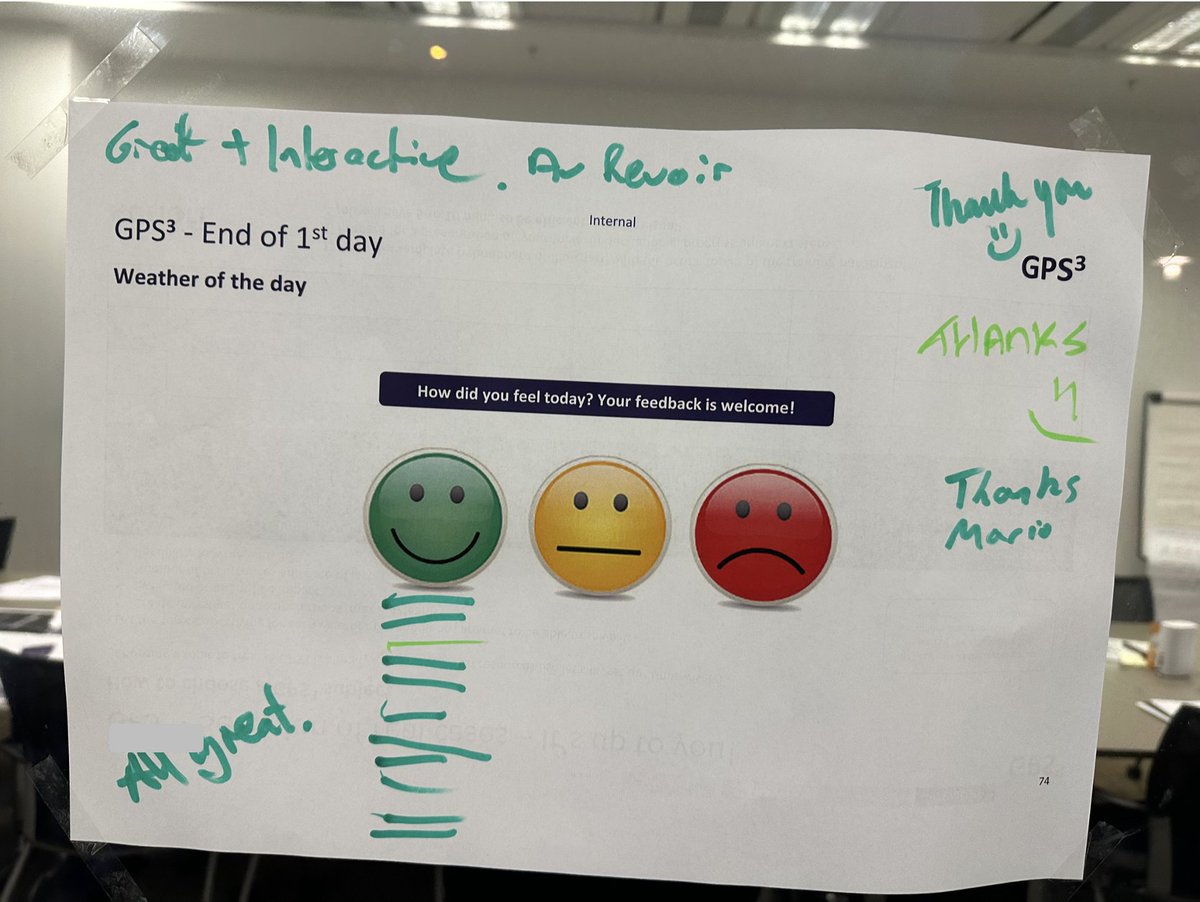
When these concepts and tools are understood, problem-solving training participants feel empowered, and their positive feedback shows up!
Teaching Problem Solving
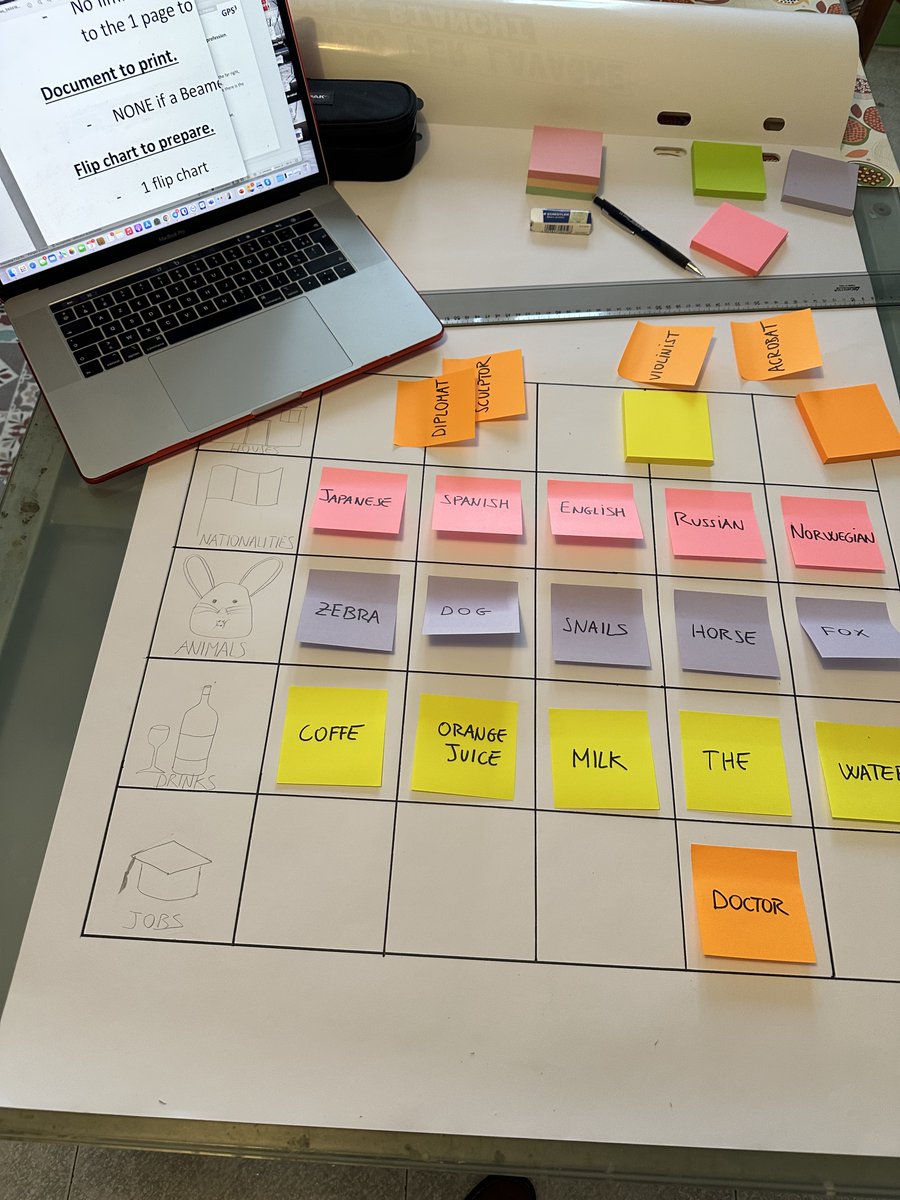
Preparing for the next week's problem-solving workshop.
Participants usually don't know how much work there is behind a workshop.
They have to understand from the first minutes the need for:
- Teamwork
- Methodology (to use)
- Standards (to achieve, respect, and improve)
When managers overly identify with their roles, they cannot truly be of service, as they become defined by their possessions rather than their best qualities.
Unconsciously, they begin to exist because of their:
- Company car
- Company office
- Company benefits
- Club membership tied to their role
They are defined by what they have, not by what they give.
Great managers excel first through their generosity and contributions, not because of the benefits they possess.
How much more profit can you gain from your production lines if you improve their productivity? 📈
Discover it with this simulator:
https://t.co/1TNwLQzoRh