Who studies Vedānta Vidyā? Maharṣis do. Endowed with śama (control of the mind), dama (control of the senses), titikṣā (forbearance), and the qualifications known as sādhana-catuṣṭaya, observing vratas, upavāsa, and restraining both the karmendriyās (organs of action) and the jñānendriyās (organs of knowledge), these great ṛṣis practice ātmasaṃyama (self-mastery) as described in the verse: आत्मसंयमयोगाग्नौ जुह्वति ज्ञानदीपिते (ātmasaṃyamayogāgnau juhvati jñānadīpite—offer all the functions into the fire of the yoga of self-control, kindled by knowledge). These mahaṛṣis, Sanaka, Sanandana, Sanatkumāra, and Sanatsujāta stay in Dakṣiṇāmūrti Svāmī's sannidhānam, receiving His vīkṣiṇyām and kaṭākṣam as stated in the verse, दृशा द्राघीयस्या दरदलितनीलोत्पलरुचा दवीयांसं दीनं स्नपय कृपया मामपि शिवे । (dṛśā drāghīyasyā daradalitanīlotpalarucā davīyāṃsaṃ dīnaṃ snapaya kṛpayā māmapi śive—O Auspicious One! With Your long, far-reaching glance, radiant like a freshly blossomed blue lotus, bathe me too—distant and helpless as I am—in your compassion.) Dakṣiṇāmūrti drenches one with the anugraha tīrtham of His dākṣiṇya (boundless compassion) as expressed in the term स्नपया (snapaya). His dākṣiṇya is flowing as in the verse, कृपया मामपि शिवे । (kṛpayā māmapi śive)
Ācārya says that Dakṣiṇāmūrti bestows His anugraham upon ordinary people. He describes Dakṣiṇāmūrti Svāmī's mahimā in the verse, महर्षिलोकस्य तमो नुदन्तम् (maharṣilokasya tamo nudantam—He who dispels the darkness of ignorance of the great sages). Ācārya also points out another significant truth: दैवतानि कति सन्ति चावनौ नैव तानि मनसो मतानि मे । दीक्षितं जडधियामनुग्रहे दक्षिणाभिमुखमेव दैवतम् ॥ (daivatāni kati santi cāvanau naiva tāni manaso matāni me | dīkṣitaṃ jaḍadhiyāmanugrahe dakṣiṇābhimukhameva daivatam || —There may be countless deities in this world, but they do not particularly attract my mind. For me, the only Deity worthy of reverence is the One facing south, Dakṣiṇāmūrti, who has taken a vow to bestow grace upon those of limited intellect)Hara Hara Namaḥ PārvatīPataye | Hara Hara Māhādevā | Hara Hara Śaṅkarā Jaya Jaya Śaṅkarā #kamakoti #JagadguruVacanam
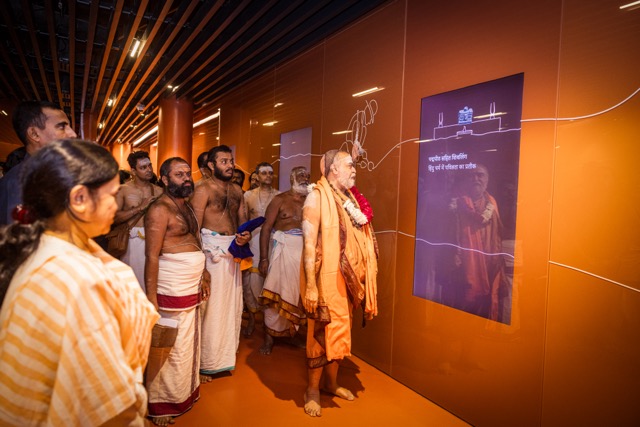
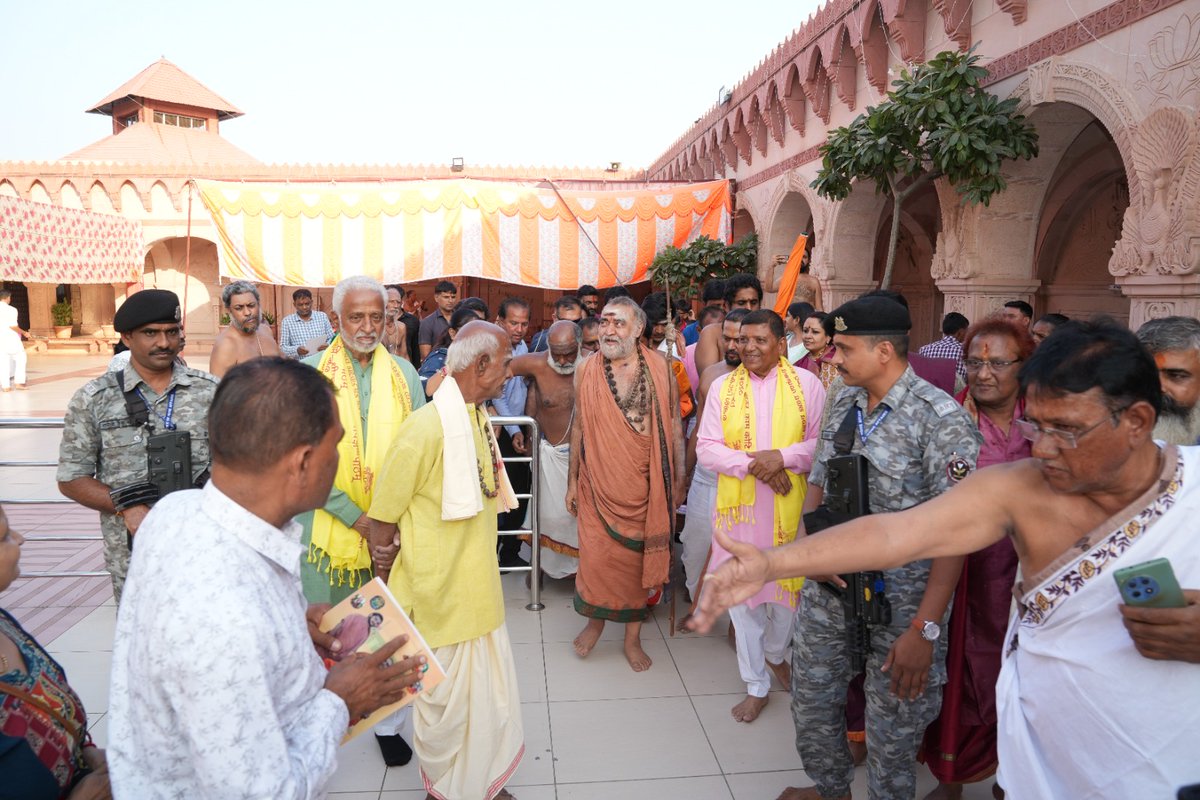
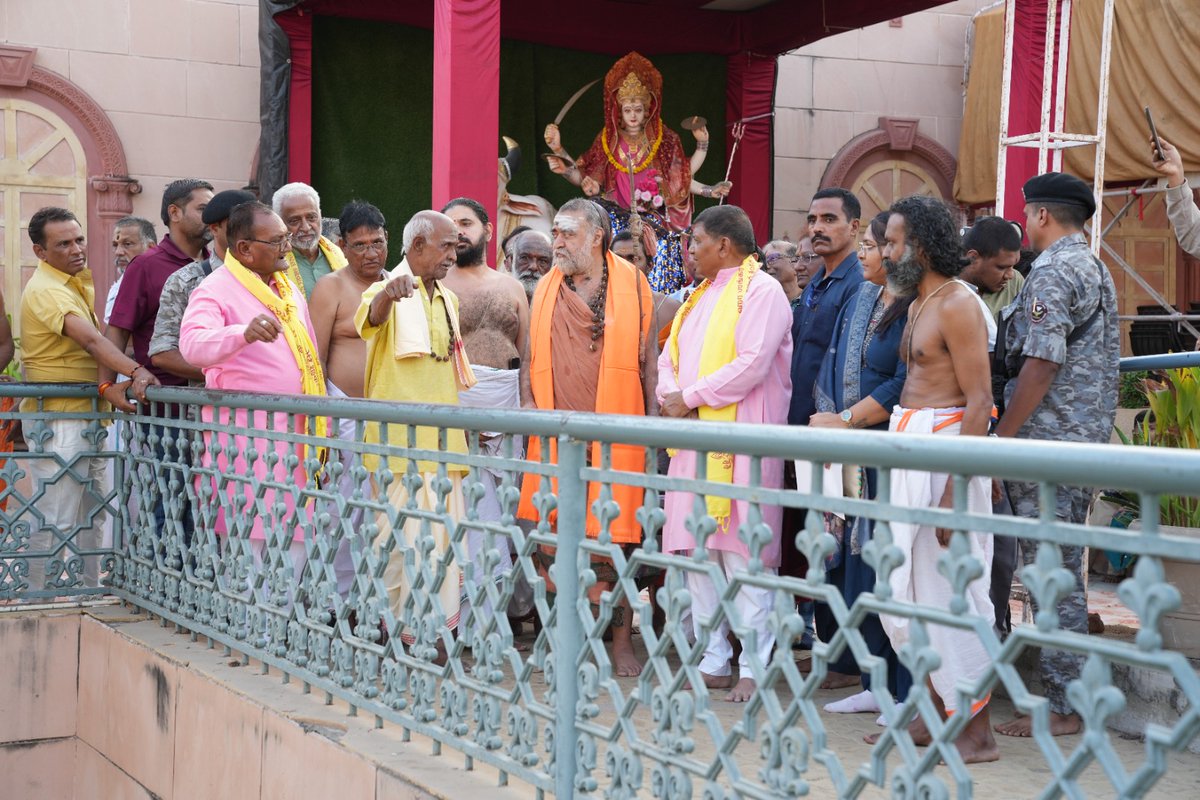
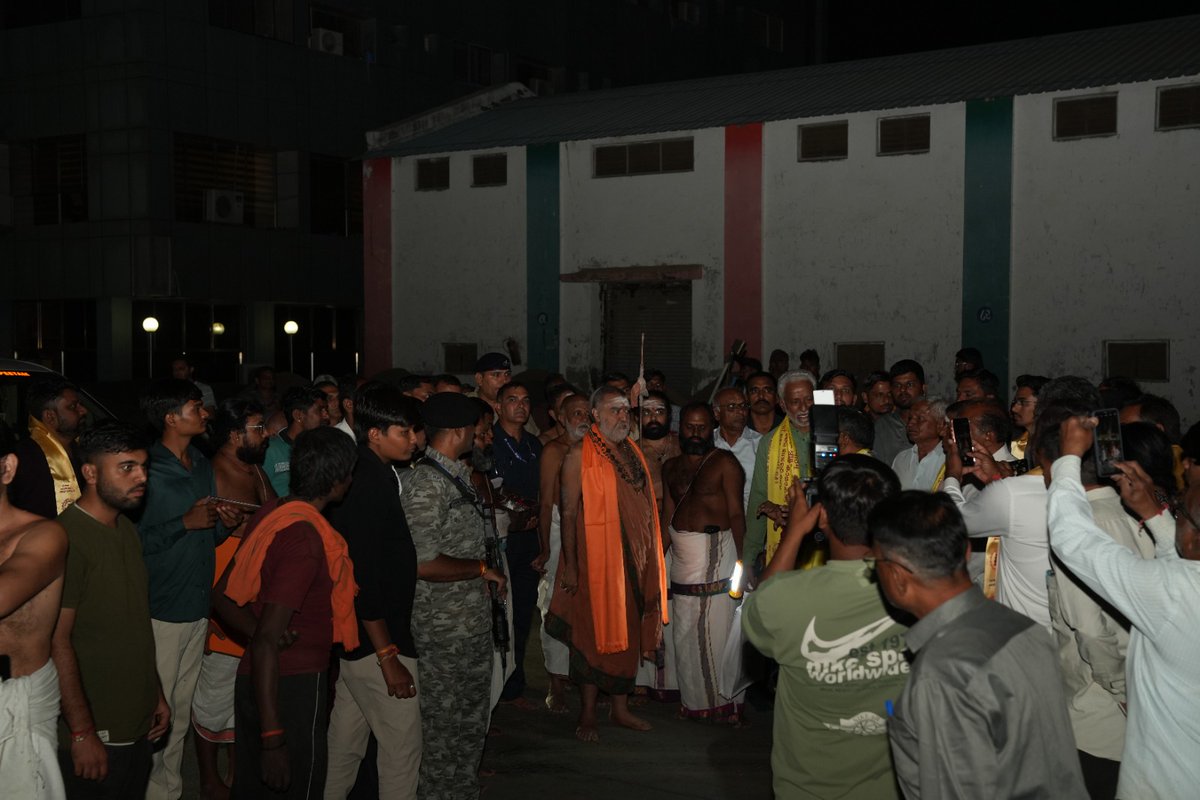
Jagadguru Pujya Sri Shankara Vijayendra Saraswathi Shankaracharya Swamiji visited the Anant Anadi #Vadnagar#Archaeological Experiential #Museum—India’s first experiential museum celebrating 2,500+ years of continuous civilization.
Key highlights from Pujya Swamiji’s visit to the experiential museum:
🏛️ Explored galleries showcasing 6,000+ rare artefacts across 7 cultural eras
🕉️ Viewed exhibits highlighting centuries of spiritual heritage
⛏️ Experienced the glass walkway overlooking the live 18m-deep Amba Ghat excavation site
The visit comes right as the museum made history by becoming the first Indian museum to win Germany's prestigious Red Dot: Best of the Best Award 2026! 🌍✨
A true celebration of India’s timeless spiritual and civilizational roots.
#Vadnagar #Shankaracharya #GujaratHeritage #IndianHistory #Archaeology #IncredibleIndia #gujarat
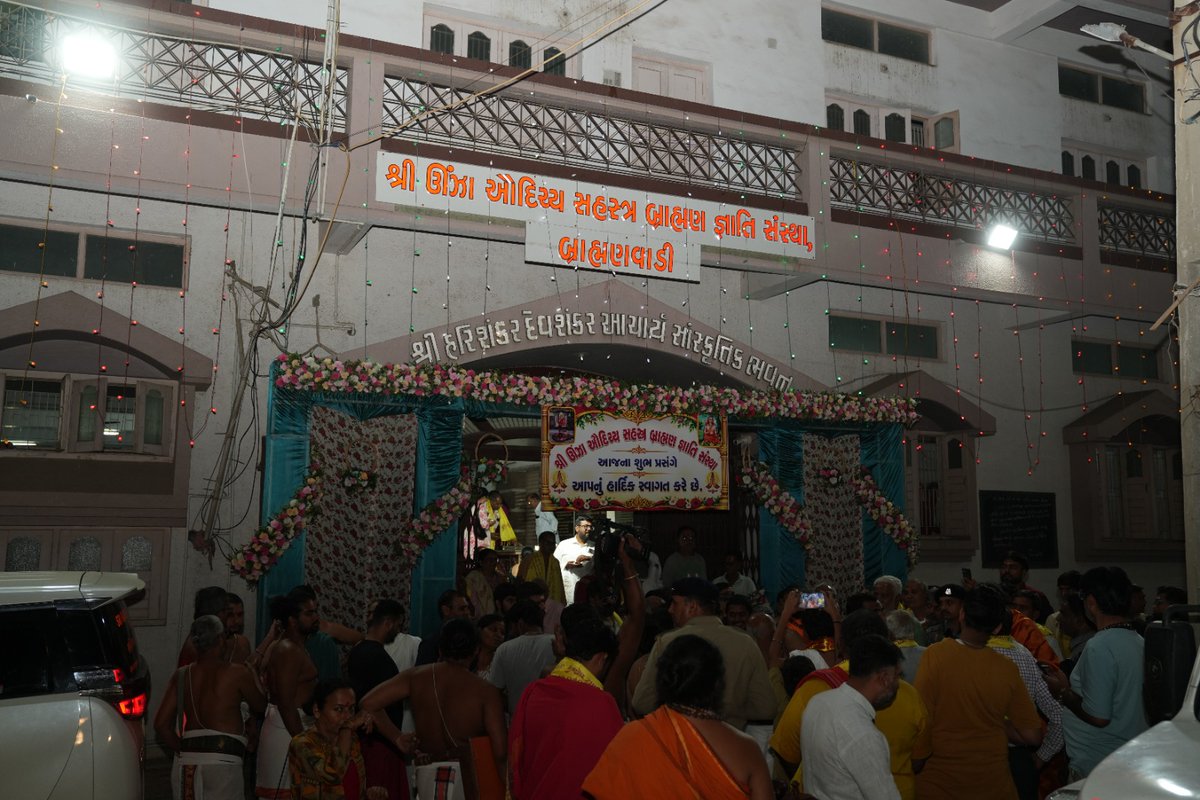
Glimpses of Vishwa Shanti Yagnya at Hatkeshwar Mahadev Mandir, Vadnagar, #Gujarat with benign presence of Pujyashri Shankara Vijayendra Saraswati Shankaracharya Swamiji- Day 8 Morning #kamakoti
Glimpses of Vishwa Shanti Yagnya at Hatkeshwar Mahadev Mandir, Vadnagar, Gujarat with benign presence of Pujyashri Shankara Vijayendra Saraswati Shankaracharya Swamiji- Day 7 Night
The Bhagavad Gītā is a sacred scripture in our country. Kṛṣṇa Paramātmā, serving as Arjuna’s charioteer, guiding his chariot, acting as Pārthasārathi (charioteer of Arjuna) during the Mahābhārata yuddhā— there is a temple of Pārthasārathi in Thiruvallikeni— performed many divine acts and imparted the upadeśā of the Bhagavad Gītā. He teaches in the Bhagavad Gītā how human beings should think, how one should conduct oneself in family life and society, and the essence of tyāga, pūjā, and bhakti. For Hindus, the Bhagavad Gītā is a revered text. Similarly, the River Ganga is a sacred tirthā. Hindus highly revere places like Haridwar, Kāśī, and Allahabad, where the Gaṅgā, Yamunā, and Sarasvati rivers converge, the point of saṅgamā (confluence). It is called Tīrtha Rājam (King of tirthās ), a superior tirthā. The Gaṅgā and Gītā are revered deeply. Similarly, among animals and living beings, the cow, Gomātā, is exalted. In honor of the Gomātā, the residents of Kannagi Nagar, Thoraipakkam, especially the counsellor of this region, joined together to build a dedicated temple for her.
Protecting the cow is a vital duty for every Hindu. It is believed that all gods reside within the cow. Go Samrakshanam Protecting the cow is a vital duty for every Hindu. It is believed that all gods reside within the cow. The cow is also known as Kāmadhenu. Since all deities reside in the cow, even in large temples, Gōpūjā, pūjā to the cow is performed. When building a new house, no matter how many lakhs you spend on constructing it, the cow must enter the house first. Only then can the owners of the house enter. Therefore, during Gṛhapraveśa, when entering a new house, the cow is the first to enter the house, as it is a good śakuna. Therefore, we should properly care for the cows. Hara Hara Namaḥ PārvatīPataye | Hara Hara Māhādevā | #kamakoti #JagadguruVacanam