Preah Vihear: What the Law Has Already Decided, and What Politics Is Trying to Reopen
A recent proposal circulating in Thai public discourse urges the government to reject the International Court of Justice's (ICJ) ruling on Preah Vihear and reclaim the temple from Cambodia based on what is described as new evidence. The argument sounds technical and confident, referencing early 20th-century treaty language, watershed lines, a Thai filing to the United Nations from 1962, and modern mapping tools such as LiDAR. But to understand what is really happening, we have to separate political desire from international legal reality, and then ask a second question that matters just as much: if the legal pathway is weak, what is the proposal actually for?
The first separation is the most important one, because public debate often conflates two distinct concepts:
Thailand's stance on future compulsory jurisdiction and the finality of an existing judgment. Thailand can legitimately debate whether to accept the ICJ's compulsory jurisdiction for future disputes, but that does not erase the binding effect of a judgment it already accepted and litigated. The ICJ's Statute makes clear that judgments are final and without appeal once rendered in a case the Court has jurisdiction over. A party cannot dissolve that finality simply by disagreeing with the outcome years later. The final judgement in Cambodia v.
Thailand on the merits was rendered on 15 June 1962 and decided that the Temple of Preah Vihear is situated under Cambodian sovereignty. The Court found that Thailand had accepted a colonially drawn map that placed the temple within Cambodian territory and concluded that the temple is within Cambodian territory.
This judgment is legally binding on the parties and not subject to appeal as a matter of international adjudicative practice. States that agree to the Court's jurisdiction in a dispute are bound by the resulting decision.
As a Cambodian, I am outraged and deeply hurt by The Wall Street Journal using the term “Scambodia.” It is disrespectful, demeaning, and an insult to an entire nation. It reduces millions of innocent people to a stereotype built on the actions of criminals who do not represent 👇🏿
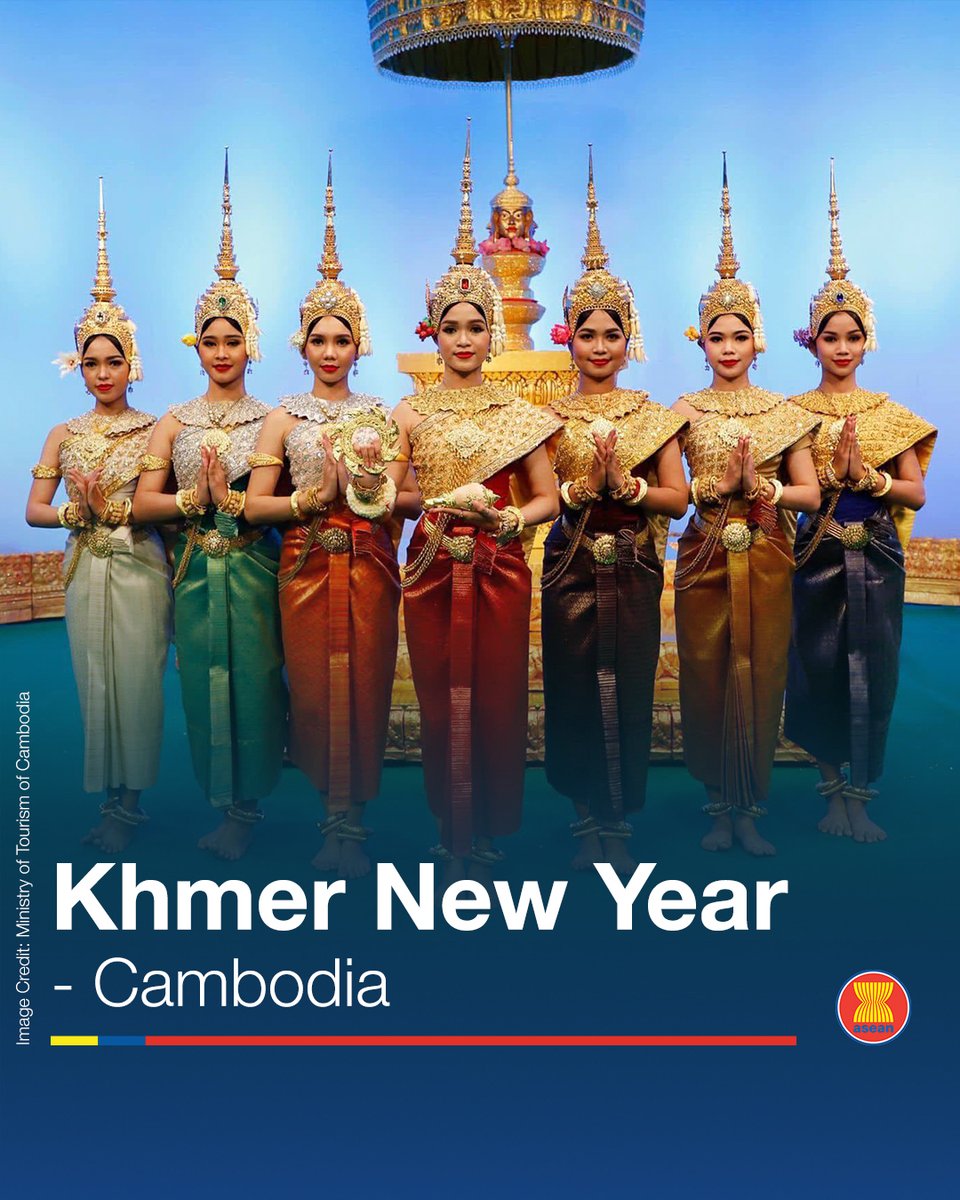
We extend our heartfelt wishes to our Cambodian friends as they celebrate the joyous festival of the Khmer New Year, starting from today for the next 3 days.
May this special occasion be filled with blessings, harmony, peace, prosperity, and unity for all. Let the vibrant traditions and cultural heritage of Cambodia shine brightly as we celebrate together as one ASEAN family.
Wishing all Cambodians a joyful and prosperous Khmer New Year! 🌺🌏
#ASEANCulture
The Krama is a traditional woven textile deeply rooted in Cambodia’s daily life and cultural traditions.
In 2024, Krama was inscribed on the UNESCO Intangible Cultural Heritage of Humanity, recognising its cultural significance and the communities who keep the tradition alive.
Woven from cotton or silk using traditional handlooms, krama features distinctive grid patterns dyed with natural colors from plants and insects. It is used in many ways: as a scarf, belt, blanket, bandana, decorative cloth, and even a hammock for children.
A simple cloth, yet a powerful symbol of Cambodia’s cultural identity and community spirit.
#ASEANCulture
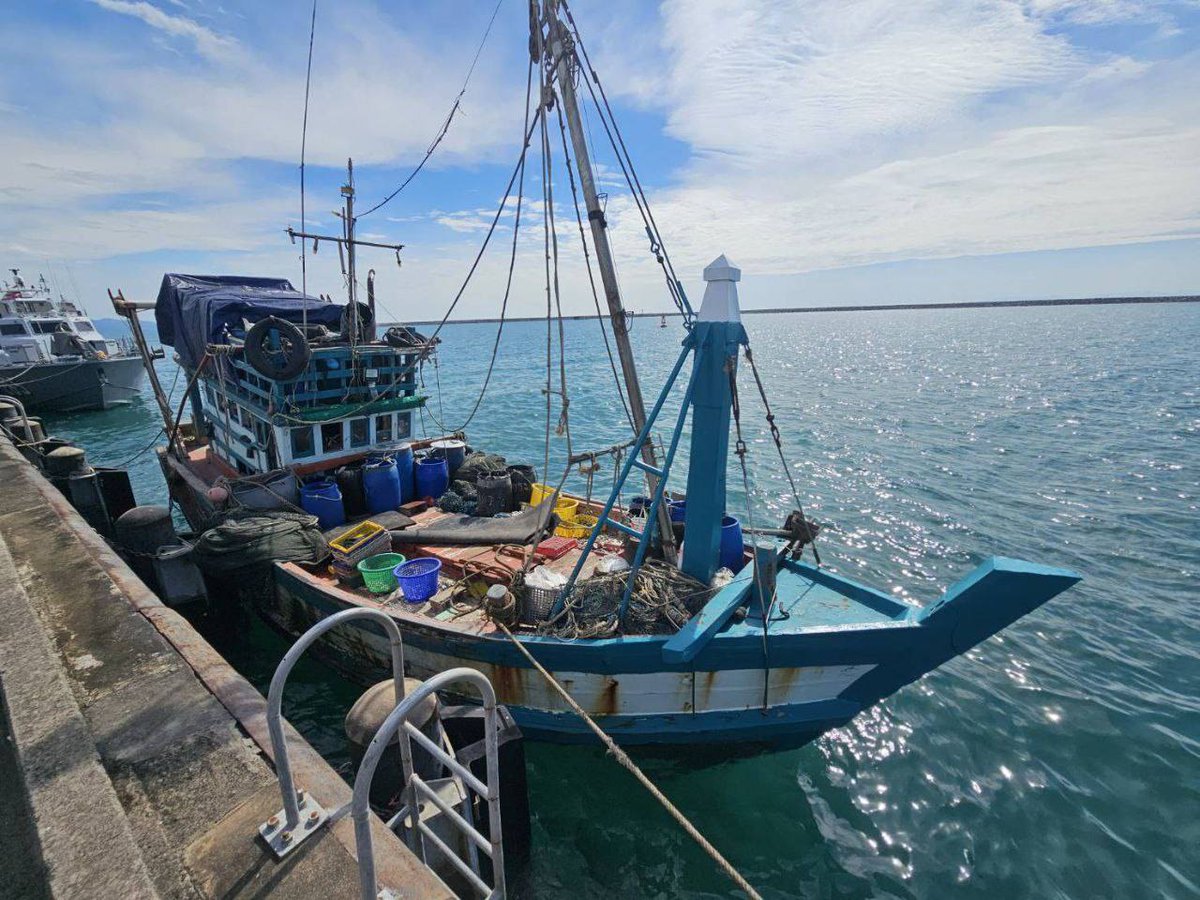
Koh Kong: At 11:30 a.m. on January 6, 2026, there was an incident in which the Thai Navy intruded into Cambodian territorial waters near Koh Kong Province and seized a Cambodian civilian fishing boat.