How do #MentalDisorders develop? We used a #computational approach with learning and test contexts simulating "childhood" and "adult environments" to understand the origins of #narcissism Congrats to Deborah Löschner! 🎉
@tudresden_de@KanskeLab
https://t.co/9Z5Apc4DtV
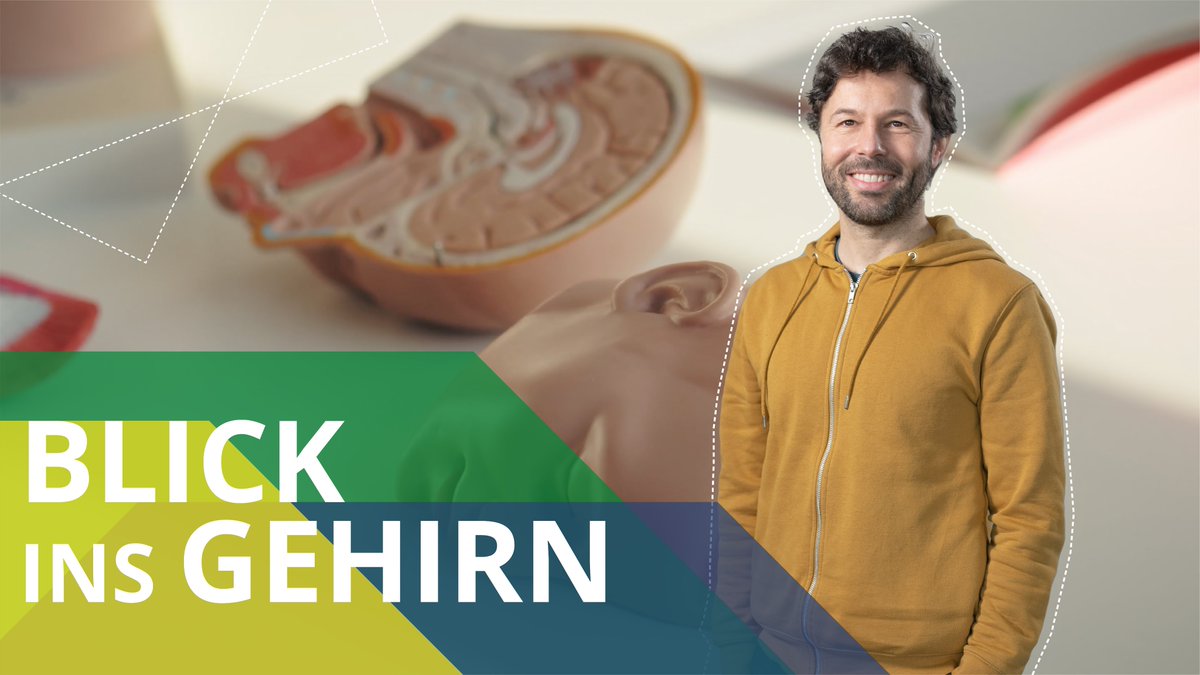
Wie steuert unser Gehirn zwischenmenschliche Interaktion? 🧠 Und was passiert, wenn das schiefgeht? Bei »Auf Arbeit mit…« zeigt Prof. @pkanske, wie sich Empathie messen lässt & wie diese Daten neue Ansätze in der Psychotherapie ermöglichen. Zum Video ➡️ https://t.co/inLAEJRq4y
We are very much looking forward to Martino Schettino presenting in our lab meeting on
Leveraging graph-based predictive modeling to map daily-life emergence of intrusive thinking from large-scale networks
- join us - 10/12/2024 - 1pm CET
@tudresden_de
https://t.co/EWG3oRdLX6
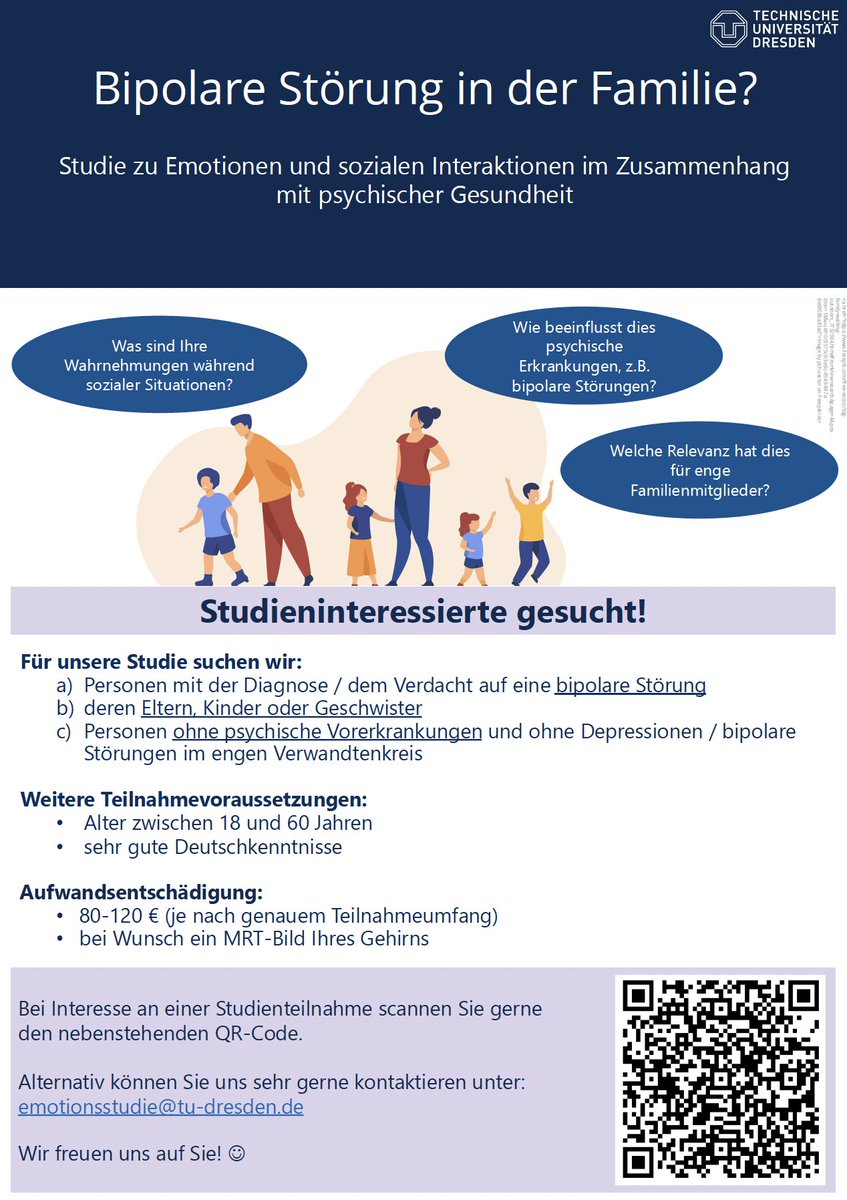
Wir suchen weiterhin Proband:innen für unsere Studie zu Bipolarer Störung (Angehörige und Patient:innen)!
Bei Interesse an einer Teilnahme: https://t.co/kNWLGEDk6T email: [email protected]
Gerne teilen!
@KanskeLab@tudresden_de @TUD_Science @bioDGPs_DGPA@DGPs_JuMis
PostDoc job alert in the fantastic CRC/TRR 393 on Trajectories of Affective Disorders with the (even more) fantastic Nina Alexander
- Please share -
@Uni_MR@bioDGPs_DGPA@DGPs_JuMis
https://t.co/ivCGnkT481
🌟 Excited to share a science communication article on the science of measuring social processes such empathy and theory of mind! 🎉Check out the article here https://t.co/fKCSIYZ7Bw and let me know what you think! (1/3)
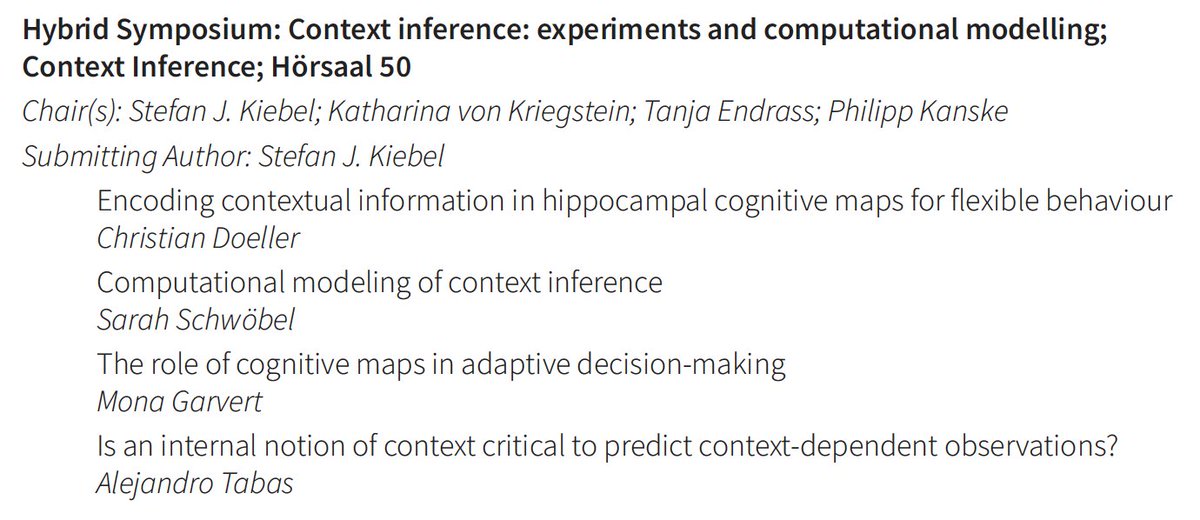
Highlight at #DGPs2024 - keynote by my colleague Stefan Kiebel @KiebelLab on computational principles of context inference.
I know it's hard to "go computational" but this is the language that allows psychology to speak to other disciplines.
Thursday 11:30am HS 33
@DGPs_Berlin
Meet us tomorrow @DGPs_Berlin in beautiful Vienna in our symposium on "Longitudinal dynamics of mental health: Capturing risk factors, resilience processes and mental healthtrajectories in prospective study designs" in "Hörsaal 21"