Associate Professor of Pharmacology, University of Vermont College of Medicine
We study how the histone code is read and what the words mean. #epigenetics
🧠 💙 Health
We are thrilled to announce receipt of our Notice of Award from NIGMS funding Phase 2 of our center. This will support continued development of the Center for another 5 years! Learn more about us at our website:
https://t.co/acZaTNrBRA
@uvmvermont@UVMLarnerMed
2 days until UVM Commencement! We’re proud to welcome back UVM alum and 4th-gen Vermonter, Ben Ogden ’22, to speak to the Class of 2026. A mechanical engineering grad and NCAA champion at UVM, Ben went on to win two Olympic silver medals in XC skiing.
https://t.co/JEfxtywEPQ
proteins aren’t static structures. they constantly sample rare higher-energy states that shape function, aggregation, and disease. this paper maps those hidden conformational fluctuations across thousands of protein domains at scale, opening the door to predicting protein energy landscapes instead of just native structures.
https://t.co/OvcbqMgd72
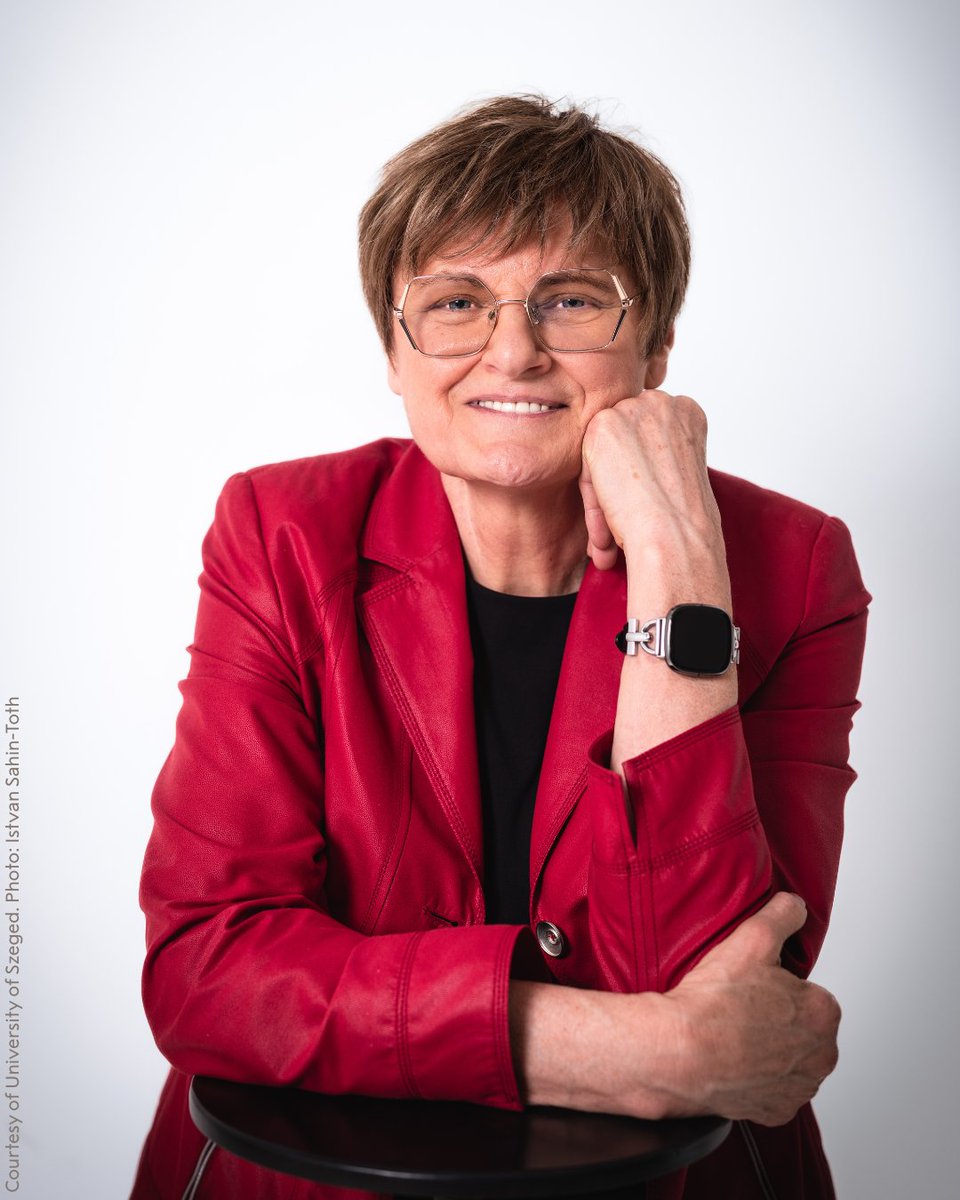
“Science is fun. To be a scientist, this is a fun job,” said medicine laureate Katalin Karikó.
She likened it to being a detective or an investigator trying to solve a crime. “But the end of it, you don’t find a perpetrator, you find a solution, and maybe that solution will help somebody,” she said.
Karikó’s pioneering research with her lab partner Drew Weissman was the foundation of the mRNA vaccines against COVID-19 and has paved the way for a host of treatments for cancer, HIV, malaria and other life-threatening diseases. They shared the 2023 medicine prize for their work.
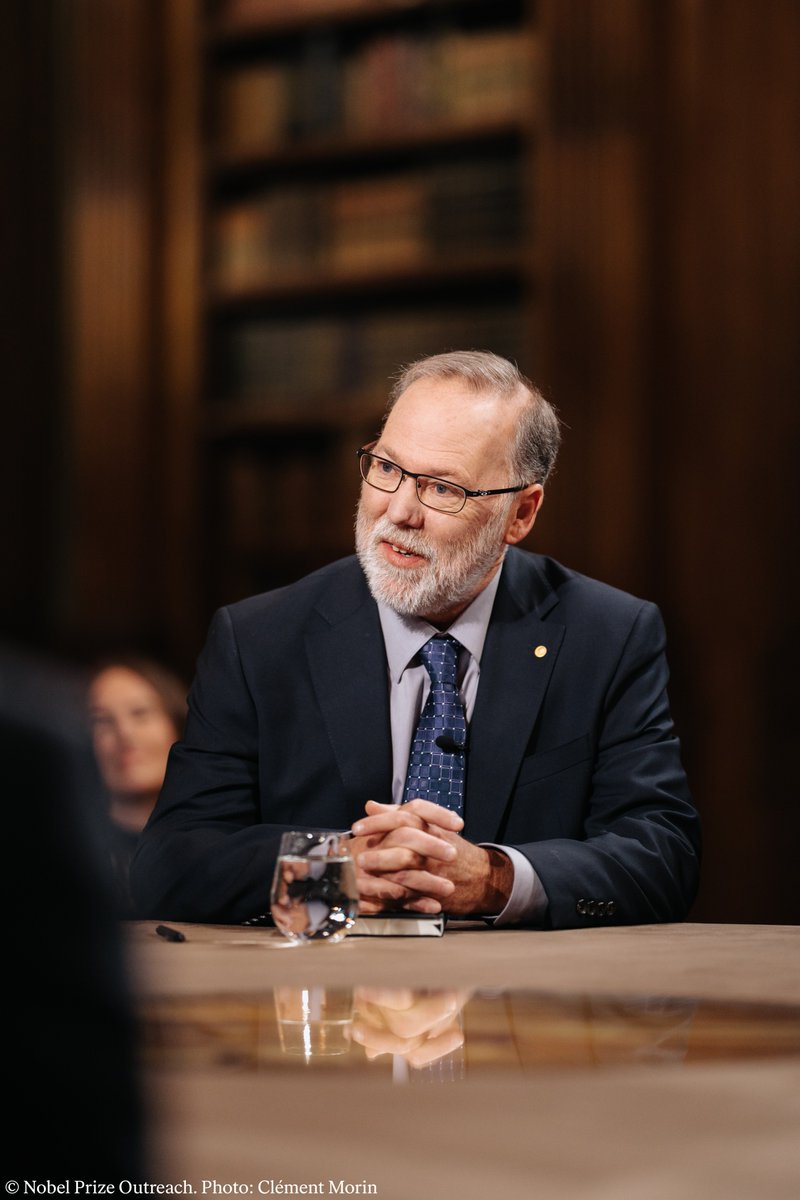
“To be successful as a scientist, I think you really need to be curious. You need to be inquisitive. You want to know answers to stuff that you don’t have a good sense on. You have to be stubborn because you’re going to be wrong and you’re going to not get through this. You have to have a long-term perspective. You can go months, years, sometimes making painfully little progress on something – and then something happens and it’s exciting. But if you need immediate gratification, you should not be a scientist. That’s not going to work for you, because there’s very little immediate gratification in this business. You’ve got to be stubborn and you’ve got to have a long-term perspective.”
Some career advice from 2025 medicine laureate Fred Ramsdell. He shared the prize with Mary Brunkow and Shimon Sakaguichi for their “discoveries concerning peripheral immune tolerance.”
New findings from the lab of Prof. @_chrisgparker_ show that post-translational modifications (PTMs) can determine whether proteins bind drug-like molecules. Published in @nchembio, the study identified 400+ proteins whose druggability depends on modification state—an insight that could reshape how new therapies are developed. More: https://t.co/2Z8dRG3T1m
Big news for heart & brain health at UVM: A $2M gift from the Argosy Foundation is fueling research, led by @MaryCushmanMD, M.D. ’89., at @UVMHeartBrain@UVMLarnerMed to help prevent stroke and heart attack in people living with AFib. https://t.co/syiTAmdK5M
I'm saddened by the passing of Craig Venter, a brilliant scientist and visionary entrepreneur whose partnership with the NIH led to the mapping of the human genome—unlocking new insights about ourselves and our common humanity.
I'll always be grateful for the chance to know him and learn from him. His legacy will endure with every new discovery built on his lifetime of research and innovation.
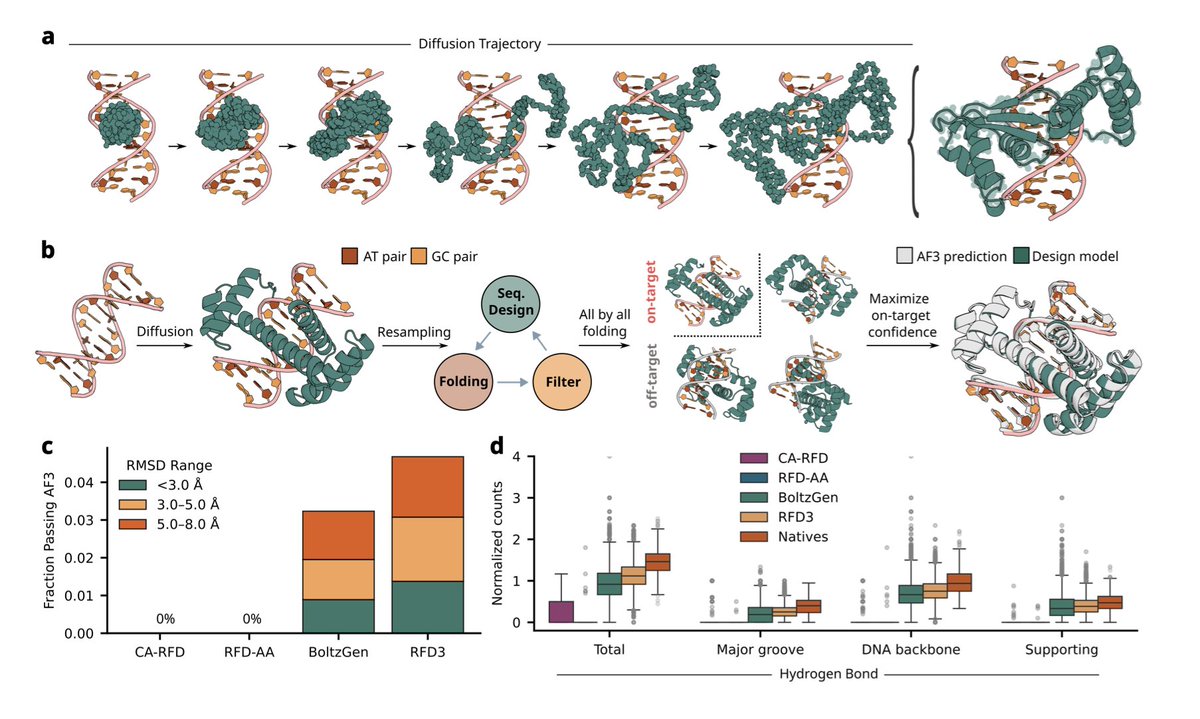
Generative Design of Sequence Specific DNA Binding Proteins
🚀 New preprint from David Baker!🚀
1. This study achieves a ~100-fold improvement in success rates for de novo DNA binder design compared to previous approaches, identifying specific binders for 7 out of 15 diverse DNA targets by testing only 96 designs per target.
2. The method combines RFdiffusion3 for structure generation with explicit AlphaFold3-based screening against off-target interactions, addressing the fundamental challenge that B-form DNA has similar global structures across sequences with only subtle chemical differences between bases.
3. The design pipeline consists of two phases: a "binder block" focused on generating proteins with dense atomic interactions with target DNA, and a "specificity block" that filters designs by comparing AlphaFold3 confidence between on-target and off-target predictions using ΔminPAE metrics.
4. Key innovations include maximizing hydrogen bonding networks with DNA bases for direct readout and phosphate backbone contacts for indirect readout, alongside preorganized side-chain conformations stabilized by intraprotein buttressing interactions to reduce off-target binding.
5. Experimental validation using yeast surface display revealed that in silico specificity filtering boosted specific design frequency by 6-fold (from 0.5% to 3%), with most binding designs from the specificity block also being sequence-specific.
6. Purified designs showed nanomolar binding affinities (KD 3-30 nM), and single-base resolution competition assays demonstrated robust sequence discrimination across diverse targets, with designs often preferring intended targets over 35 out of 40 single base variants.
7. The designed proteins are structurally novel with no close global matches to known DNA-binding proteins in the PDB, yet achieve binding affinities comparable to native transcription factors, representing genuinely de novo solutions rather than redesign of existing scaffolds.
8. Structural diversity among successful designs includes both modular helical bundle architectures reminiscent of homeodomains and integrated monolithic folds distinct from natural transcription factors, highlighting the broad solution space accessible to generative diffusion models.
9. The study identifies important trade-offs between folding and selectivity, with more stringent off-target filtering reducing expression rates, suggesting future improvements could come from direct specificity optimization during inference rather than post-hoc filtering.
10. Applications span programmable gene regulation, targeted genome manipulation, and synthetic regulatory systems, with targets including therapeutically relevant sites for PRNP, PCSK9, DUX4, and the TATA box for which no natural major groove binder exists.
💻Code: https://t.co/uOa9TDJlw2
📜Paper: https://t.co/cZBpaCRheg
#DeNovoProteinDesign #DNABindingProteins #RFdiffusion3 #AlphaFold3 #ComputationalBiology #ProteinDesign #GenomeEngineering #SyntheticBiology #TranscriptionFactors #DeepLearning
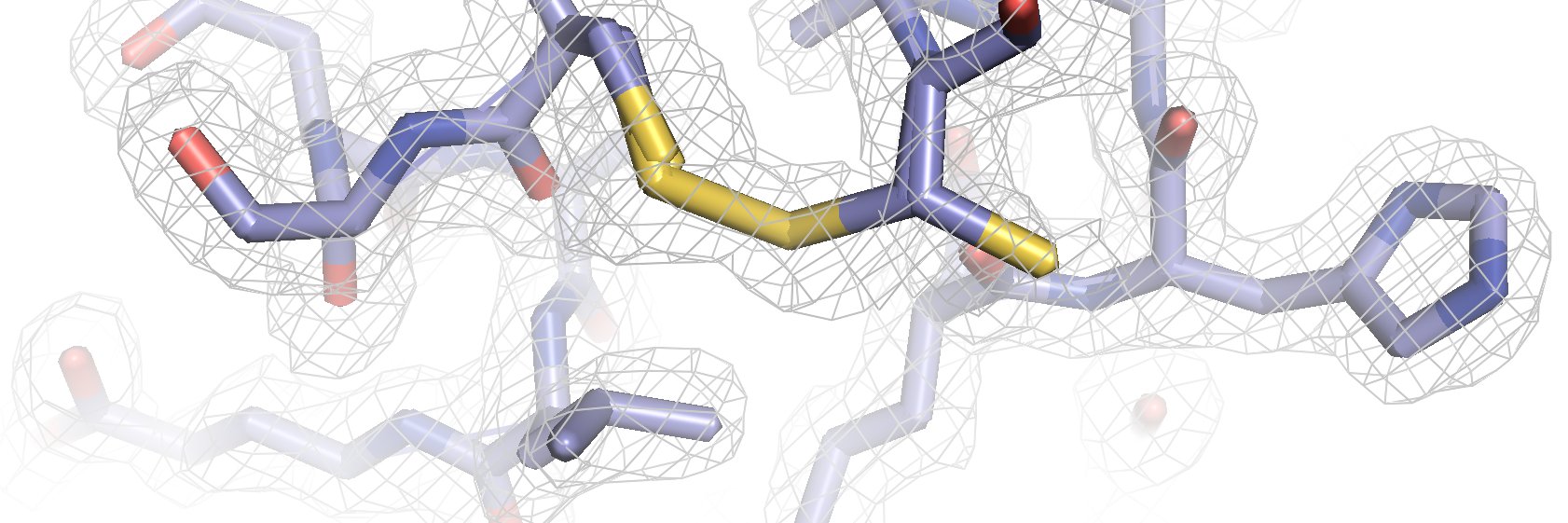
Water is 70–80% of a cell, with our mspSA + SGAG affinity grid, we capture a near atomic (<2 Å) view showing water actively driving gene transcription inside RNA Pol II. Not just background,water is part of the machinery. Now published in Molecular Cell.https://t.co/fCt1mb7BiC
Big news from the Glass Lab! 🎊 James Petersen has been awarded a @UVMCancerCenter Summer Research Fellowship. James will investigate how chromatin reader proteins recognize hyper-acetylated histones in cancer-relevant epigenetic pathways. Congrats, James! @UVMLarner #Epigenetics
Predicting RNA 3D structure is a grand challenge of biology.
2 new approaches published today to get at it
https://t.co/KQ2oCGlUrN @MolecularCell
https://t.co/ofupia6du2 @NatMachIntell
Jan K. Carney, M.D., M.P.H., professor of medicine at @UVMLarnerMed has been named president of the American College of Physicians (ACP), the largest medical specialty organization in the United States. Congratulations to Dr. Carney!
More ⬇️ https://t.co/vb1eRB42ep
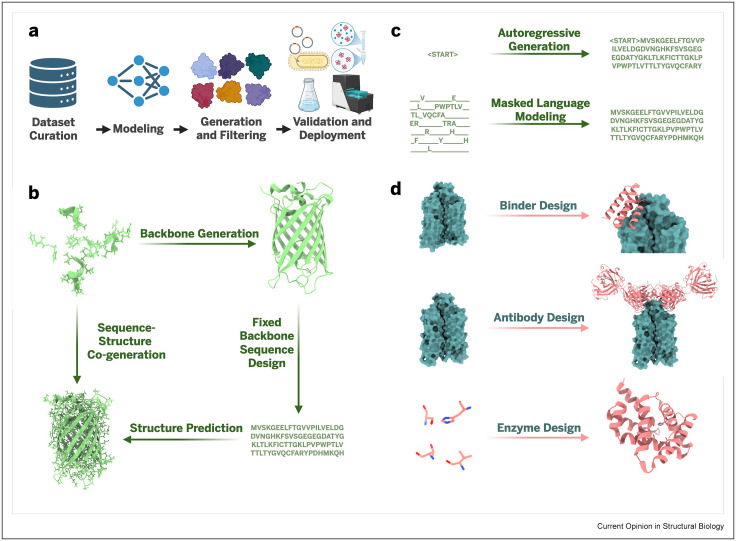
Have you wondered what the wet lab success rates are for current AI-driven protein design models? Look no further!
In our new open access review, @KevinKaichuang, @avapamini, @SarahAlamdari, and I report wet lab success rates for *over 200* different protein design tasks 🧬💻
Congratulations to Sam Rosenbaum on receiving the 2026 CAS Biochemistry Research Award! Sam is a sophomore Biochemistry major, and his work in the Glass Lab is on the structure and function of ATAD2B and its link to breast cancer. Incredible things ahead! #UVM#UVMLarner#UVMCC