The Karreth Lab: non-mutational drivers, melanoma progression, mouse models at the Moffitt Cancer Center. Account maintained by Florian. Tweets are his views.
Save the Date for the 2027 SMR Congress in Boston, MA – registration and abstract submissions open September 9, 2026!
Visit the Congress website here: https://t.co/RryhOeJ0DY
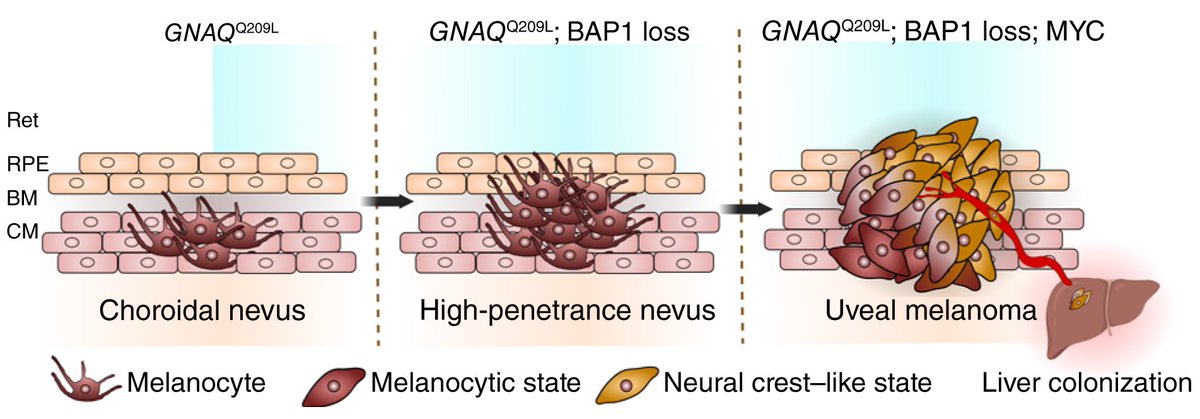
Our #uveal#melanoma mouse model paper is now in print at Cancer Research @CR_AACR. We hope this will be a resource to propel research in the UM field forward. Also check out the companion zebrafish UM paper by Colin Kenny's lab in the same issue!
Read the article featured on the cover of the August 1 issue: ➡️ A Multistep Immune-Competent Genetically Engineered Mouse Model Reveals Phenotypic Plasticity in Uveal Melanoma https://t.co/R1euhtpFyV @KarrethLab#OpenAccess
Check out our lab's latest preprint on a circRNA that promotes melanoma metastasis through cytoskeletal remodeling. Led by PhD student @NicolMecozzi
circPMS1-mediated LIM protein scaffolding promotes cytoskeletal remodeling and melanoma metastasis https://t.co/AIBBsOQdk8
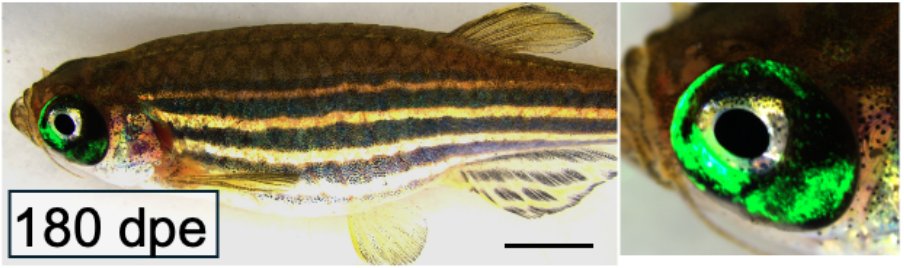
A fantastic new #zebrafish model of uveal #melanoma from the lab of @TheKennyLab. This demonstrates the power of modeling rare but difficult to treat cancers, opening up new avenues to understand the biology and find new treatments. It has been really nice seeing this story evolve and congrats on this beautiful work: https://t.co/HZSaXjb2Mn
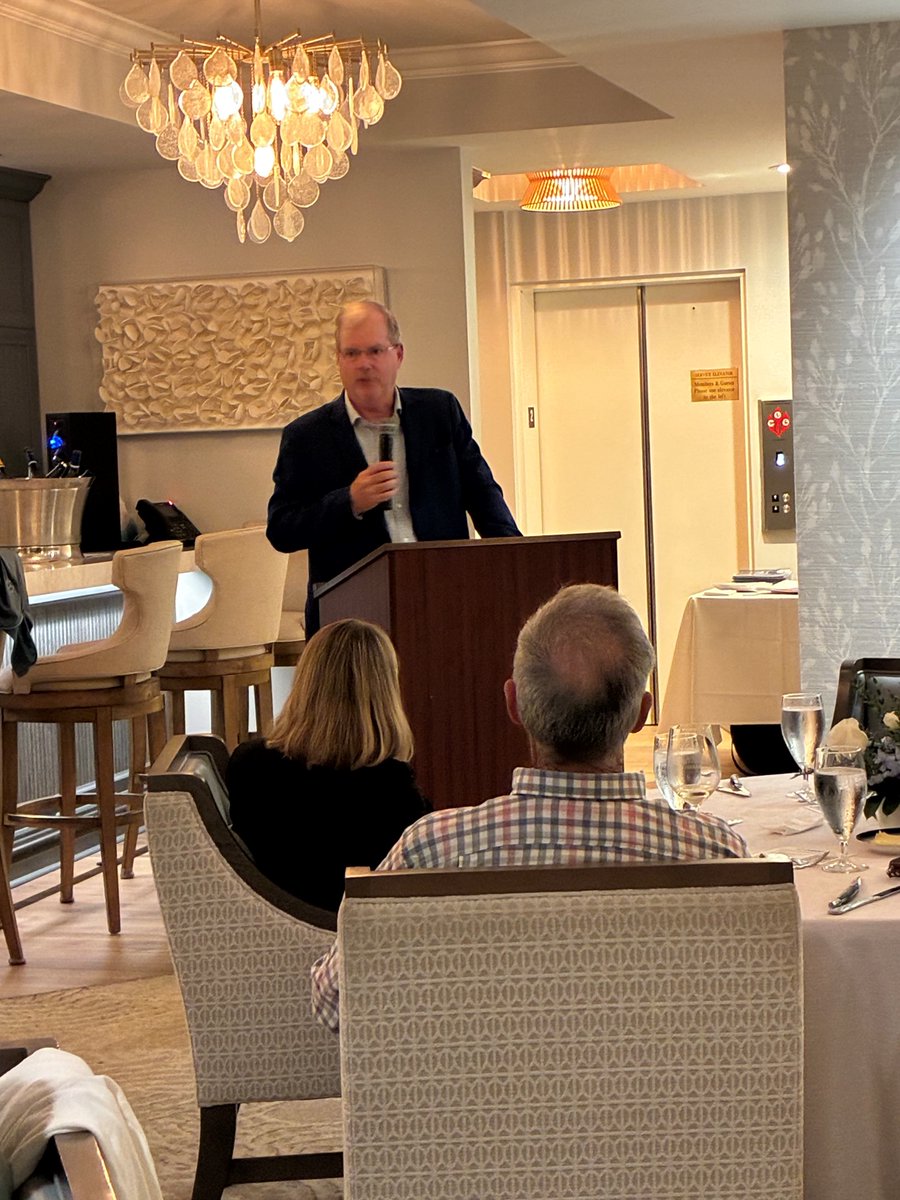
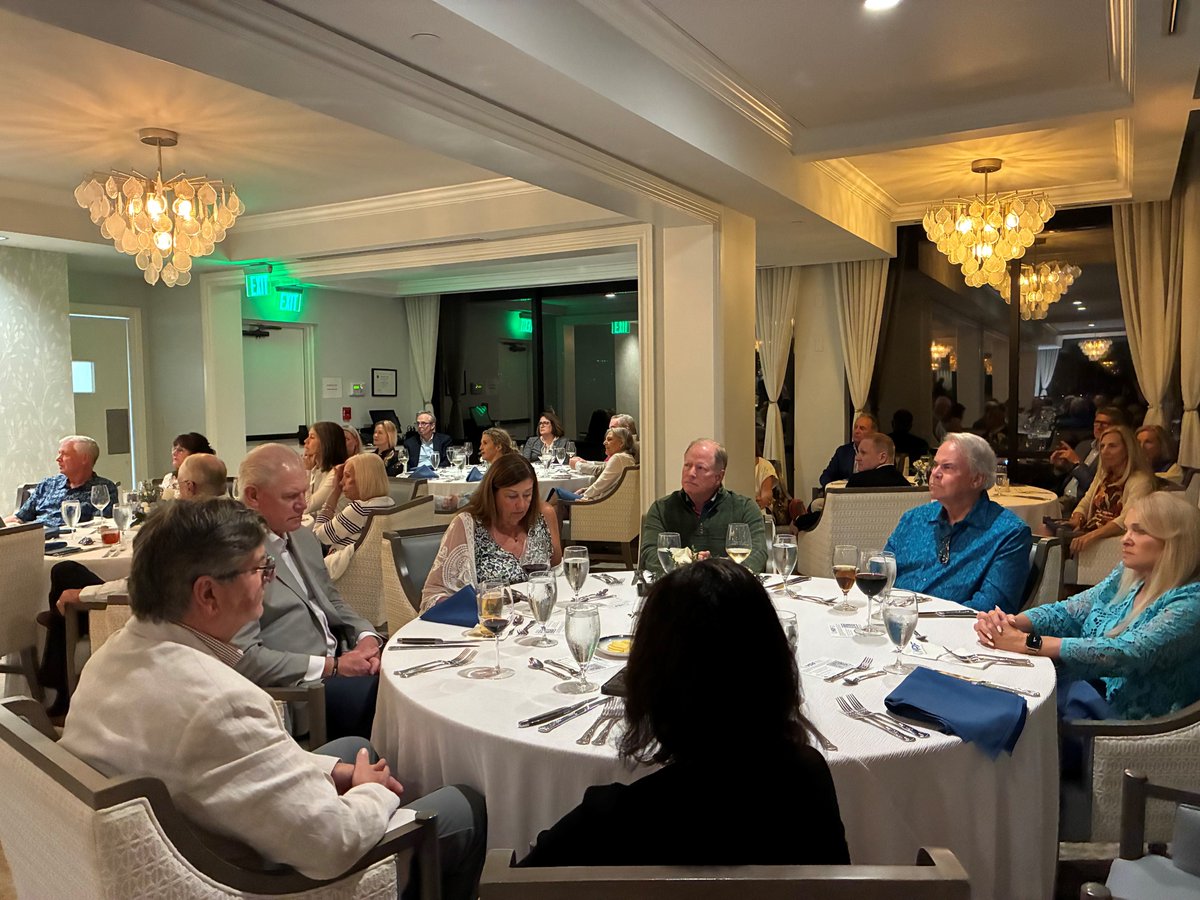
A special thanks to Board Chair, Doug Brodman and his wife, Terry, for hosting their fifth fundraiser in Naples, Florida. Since its inception, this event has raised more than $300,000 to support young melanoma investigators—fueling breakthroughs from the discovery of a promising immune cell linked to improved patient outcomes to the development of a clinical trial enhancing TIL therapy for advanced melanoma.
Florian Karreth, PhD (@KarrethLab), MRF research grant recipient and researcher from @MoffittNews shared updates on the impact of basic science research and the profound impact that early funding of innovative science has on long term outcomes for melanoma patients.
Very excited that our new mouse model of #uveal#melanoma is now published at @CR_AACR. This model recapitulates the genetics and biology of human UM progression and will be a powerful tool for preclinical UM research.
🚨🚨🚨Only 3 days left to apply for this incredible opportunity and to be considered for a nomination for the highly prestigious USF Presidential Doctoral Fellowship. #graduateschool#cancerresearch#phd
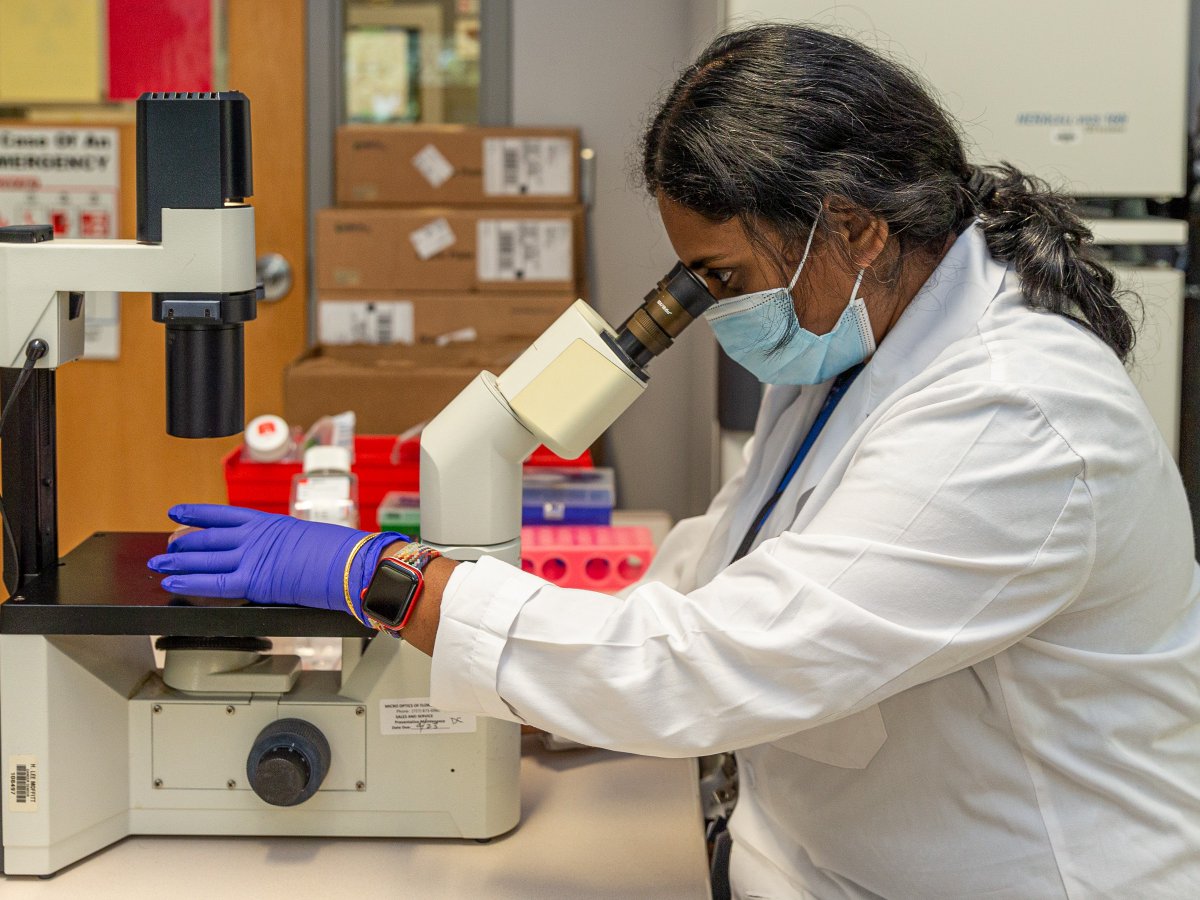
Join our PhD program at Moffitt Cancer Center. We provide a world-class education in cancer biology, offer exquisite research infrastructure, and have fantastic labs and a wonderfully collaborative environment. And we are growing, i.e., offers will not be rescinded!
Advance your career in #CancerResearch with the Moffitt Cancer PhD program! Application deadline: December 1, 2025
Are you passionate about fighting cancer? Our program prepares future scientists with a rigorous curriculum and offers four unique majors:
• Cancer Biology
• Cancer Chemical Biology
• Cancer Immunology & Immunotherapy
• Integrated Mathematical Oncology
Why Moffitt?
• Access to top research facilities
• Collaborate with world-leading scientists
• Hands-on experience in cutting-edge research
• Supportive environment for innovation
• Unmatched translational environment, turning discoveries into cures
Start your journey to make a difference in cancer care and innovation.
Learn more and apply now: https://t.co/qc33S8WvUe
Researchers at Moffitt Cancer Center have been awarded a $22.4 million grant from the U.S. Department of War to lead groundbreaking studies and clinical trials for leptomeningeal disease. @moffittnews@moffittresearch https://t.co/t0OTzN5l1x
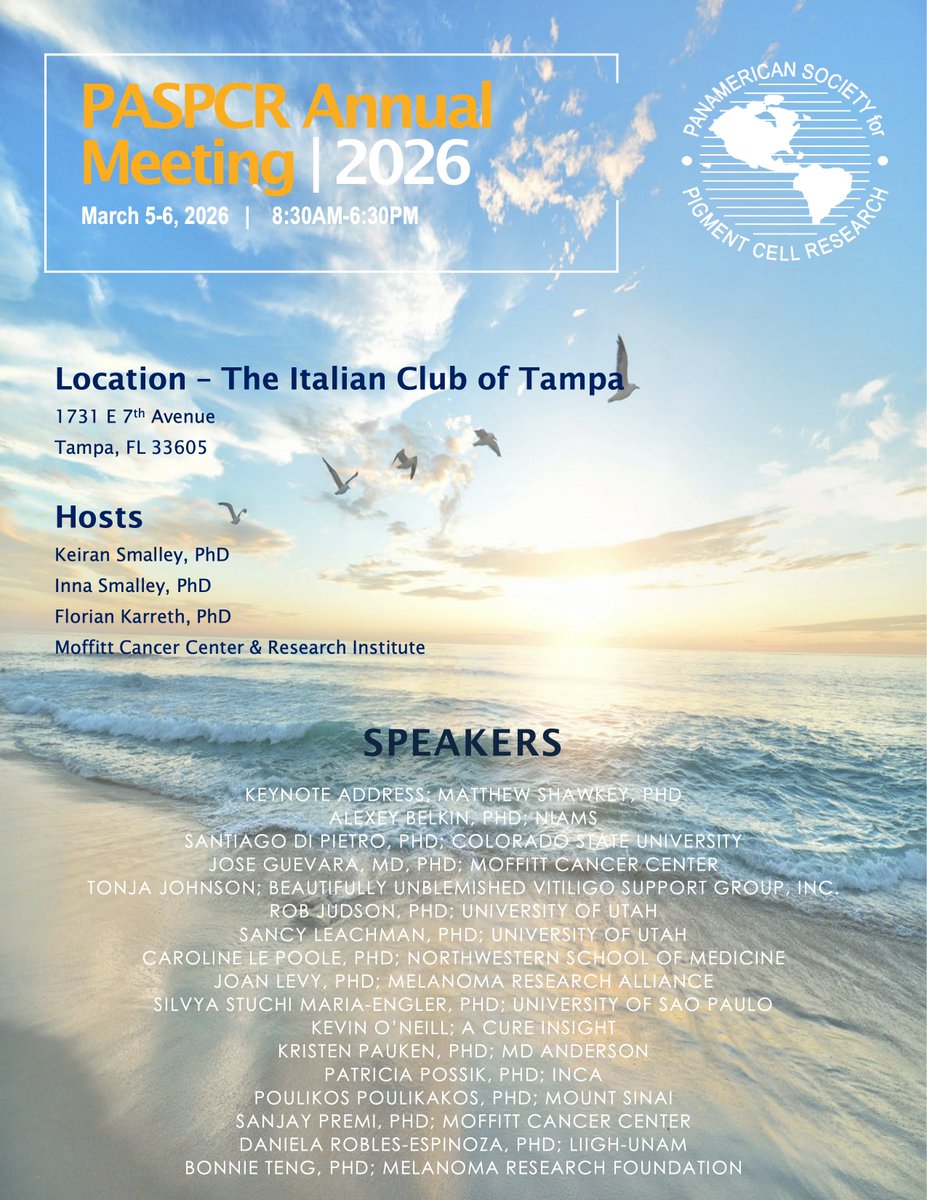
From the biology of melanocytes to pigmentation conditions and melanoma - we have it all! Join us in Tampa in March 2026 (great time to escape the cold) for the Annual Meeting of the @PASPCR1
Interested in antisense #RNA and their contributions to #melanoma formation? Check out our latest paper: CDH3-AS1 antisense RNA enhances P-cadherin translation and acts as a tumor suppressor in melanoma: Cell Reports https://t.co/WLprdVH9SH
Very proud to share our new review summarizing advances in understanding PTEN regulation and highlights its multifaceted role in suppressing melanomagenesis. Thank you to the best co-authors, @KarrethLab, @HolmenSheri, and Xiaonan Xu! https://t.co/FkUcocXE65