⚡️⭕️Footage of Iran's missile attack on Tel Aviv and a report by a Fox News journalist:
🔹It seems that some of these missiles have passed through Israel's missile defense system. It's difficult to intercept some of these supersonic missiles. I could hear the sound of explosions behind me.
BREAKING: US CONSULATE IN KARACHI IS UNDER ATTACK RIGHT NOW
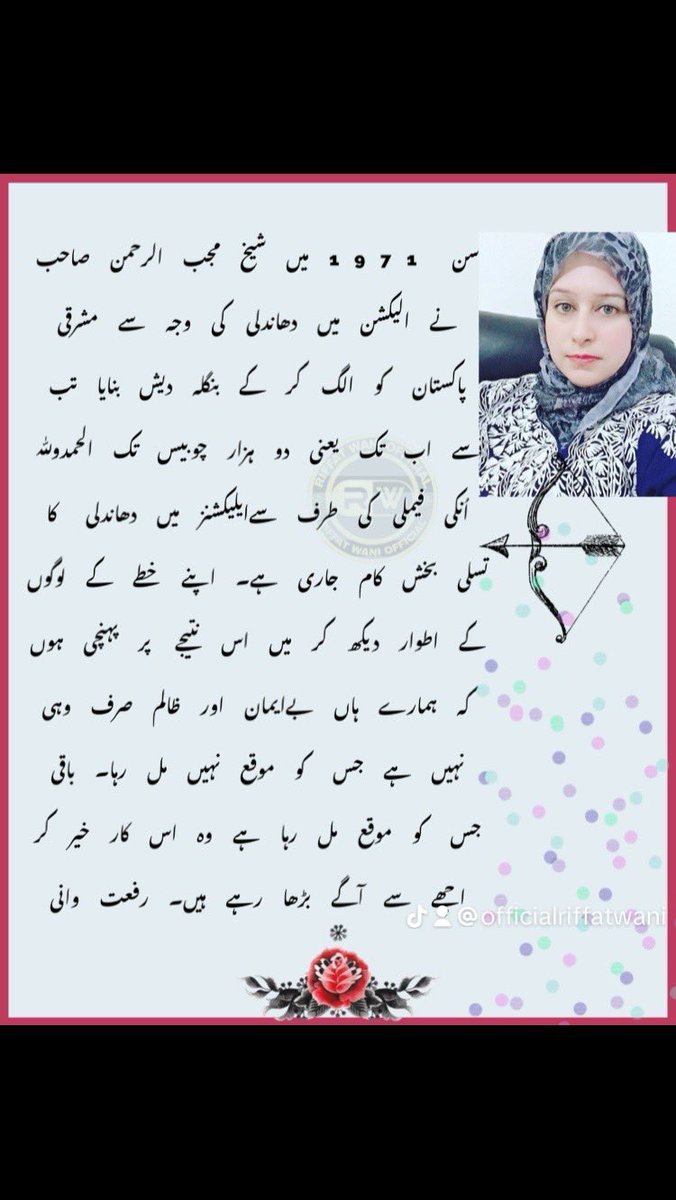
بریکنگ نیوز !
آیت اللہ علی خامنہ ای کے شہادت کے بعد پاکستان کراچی میں عوام نے امریکی قونصل خانے کو آگ لگا دی..
#breakingnews#iranisraelwar#pakistan#riffatwaniofficial
Today, the world is at a fragile turning point. If the belief takes hold that power alone sets the rules, then sovereignty will become a symbolic word for smaller states. Alliances will turn into transactions, and the global system will move from instability to permanent disorder. The greatest future risk is that other powers will copy this approach, pushing the world into an age where law no longer decides—only the psychology of power does.
I am sharing this with you because this is not only America’s story. It is our shared story. If this narrative is accepted without question today, tomorrow its cost will not be paid only by Venezuela, Greenland, or Ukraine. The entire world will pay it.
#GlobalOrder #TrumpDoctrine #WorldPolitics #GeopoliticalShift
The End of the Rule-Based Order and the Politics of Raw Power: The Real Implications of Trump’s Interview
Riffat Wani | Journalist / Human Rights Activist
January 9, 2026
I am not writing this in the noise of breaking news. I am speaking to you as part of a serious and open conversation. What President Donald Trump said yesterday in a panel interview with The New York Times was not just a statement about American politics. It was an announcement about the shape of the world that is coming. This interview confirms what many feared but few said openly: the Rule-Based International Order built after World War II is no longer guiding global behavior. In its place, power, profit, and psychological dominance are taking control.
For the first time so clearly, Trump stated that he does not see American military power as bound by moral, legal, or institutional limits—except his own personal judgment and ethics. When a sitting U.S. president says he does not need international law, it is not a casual remark. It is a rejection of the United Nations, global norms, alliances, and treaties. It is the moment when the United States openly walks away from the system it once created and enforced.
To understand the danger, we must look at the background. After the Cold War, the United States presented itself as the guardian of global order. NATO, financial institutions, and security alliances all operated under this idea. Trump now describes that entire framework as a burden. In his view, previous presidents were too careful in using power. This belief marks the entry into a more aggressive and unpredictable era, where restraint is seen as weakness.
Venezuela is the clearest example of this shift. Trump’s statement that the United States expects to control Venezuela for years and directly benefit from its oil reserves reflects a modern form of colonial thinking. There is no talk of democracy or sovereignty. There is only profit and resources. His claim that the interim government is giving Washington “everything we need” shows how political consent is extracted when power is unequal.
His comments on Greenland are even more alarming, because this is not an enemy state but a territory under Denmark, a NATO ally. Trump’s insistence on “ownership” reveals a mindset where psychological dominance matters more than legal arrangements. Leases, agreements, and partnerships are seen as weak. Direct ownership, in his view, delivers real power. When he admits that the United States may have to choose between Greenland and NATO unity, Europe receives a clear warning: American security guarantees are no longer unconditional.
On Ukraine, Trump’s tone appears softer but is deeply risky. America’s commitment, according to him, depends on his personal belief that Russia will not attack again. This means global security is no longer grounded in institutions or collective decisions, but in personal trust between leaders. His continued faith in President Vladimir Putin, despite evidence on the ground, creates uncertainty not only for Ukraine but for all of Eastern Europe.
The same logic applies to China and Taiwan. The idea that one leader’s presence alone can prevent war weakens the importance of state institutions, alliances, and long-term strategy. When world politics depends on individual personalities, stability is replaced by fear and sudden, unpredictable decisions.
The anxious phone call from Colombia’s president during the interview shows that Latin America is taking these statements seriously. Words like “we are in danger” reflect a growing sense of insecurity in a region now wondering who might be next.
At home, Trump’s reaction to the ICE shooting follows the same pattern. Immediate justification of force, refusal to acknowledge contradictions, and a lack of empathy for human life all connect to a larger worldview where state power stands above accountability.
#RiffatWaniOfficial
Why Did Russia Issue a Shocking Warning About World War III?
Riffat Wani | Journalist / Human Rights Activist
9 January 2026
I am not speaking to you in the language of official statements, press releases, or displays of power. I am speaking as an ordinary human being—trying to understand what point the world has reached. The way Russia has recently referred to World War III, both in tone and intent, was neither emotional nor momentary. Behind it lies a long background, a deep strategic calculation, and a rapidly shifting global balance of power.
To understand the background, we must recognize that relations between Russia and the West have been tense for years, but the war in Ukraine has pushed this tension to a new and dangerous level. For Russia, Ukraine is not merely a neighboring country; it is central to its geographical, historical, and security strategy. When Moscow sees NATO not only supplying military assistance to Ukraine but also expanding its military presence around it, this is not viewed as defensive cooperation. It is seen as direct encirclement. This sense of siege is what sharpens the language of Russian leadership and gives rise to threats and warnings.
In the current situation, Russia’s reference to its advanced hypersonic capabilities is an attempt to signal to the world that the balance of power is no longer one-sided. Russia wants to make it clear that if its red lines are crossed, the response will not be conventional. The mention of World War III here also functions as a tool of psychological pressure, meant to force Western capitals to consider that the cost of their next move may not be limited to Ukraine alone, but could extend to Europe and potentially the entire world. In this context, Russia’s narrative is less about immediate defense and more about deterrence.
Looking at present realities, the world is trapped in a troubling contradiction. On one side, diplomatic language speaks of dialogue, peace, and stability. On the other, weapons deliveries, military exercises, and new waves of sanctions continue unabated. Ukraine has become the arena of this struggle, where every strike, every counter-strike, and every statement sends shockwaves through the global system. Russia’s warning reflects a deeper fear—that if this war continues at the same pace and in the same direction, a single miscalculation, accident, or provocative decision could push the situation beyond control.
The question now is how this will shape the future. The first impact is already visible in growing global instability. Investment, energy markets, food supplies, and the world economy are under pressure, and the specter of a global war only deepens these wounds. The second impact will be felt in diplomacy, where countries may be forced to align firmly with one bloc or another, shrinking the space for neutrality. The third—and most dangerous—consequence is psychological: when talk of world war becomes normalized, the real danger is that humanity grows accustomed to the idea. History shows us that such normalization is often the prelude to catastrophe.
I say this with full responsibility: dismissing Russia’s warning as mere propaganda is as dangerous as treating it as an absolute certainty. What is urgently needed is for global powers to take this moment seriously, because wars are not fought only on battlefields—they begin in minds and in language. If we close the doors of reason today, tomorrow we may not even have the time to think.
#WorldWar3 #RussiaUkraineWar #GlobalSecurity #NATOTensions #RiffatWaniOfficial
ٹرمپ کی پابندیوں کا ہتھوڑا: عالمی توانائی اور تجارتی جنگ کا نیا مرحلہ
رپورٹ از: رفعت وانی | صحافی / انسانی حقوق کارکن
8 جنوری 2026
میں آپ سے یہ بات کسی طاقت کے بلاک کی نمائندہ بن کر نہیں، بلکہ ایک ایسے انسان کی حیثیت سے کر رہی ہوں جو یہ سمجھنے کی کوشش کر رہا ہے کہ دنیا کو کس سمت دھکیلا جا رہا ہے۔ 7 جنوری 2026 کو امریکی صدر ڈونلڈ ٹرمپ نے دو جماعتی قانون Sanctioning Russia Act of 2025 کی باضابطہ توثیق کی، اور اسی ایک فیصلے کے ساتھ امریکہ نے معاشی جنگ کے ایک کہیں زیادہ جارحانہ مرحلے میں قدم رکھ دیا—ایسا مرحلہ جو اب صرف روس تک محدود نہیں رہا۔
اس قانون کی بنیاد ایک غیر معمولی شق پر رکھی گئی ہے: اُن تمام ممالک کی تمام اشیا اور خدمات پر کم از کم 500 فیصد ٹیرف عائد کرنے کا اختیار، جو روسی ماخذ سے آنے والی توانائی—یعنی تیل، گیس اور یورینیم—خریدتے رہیں۔ یہ کوئی علامتی اقدام نہیں۔ یہ دانستہ طور پر سخت، سزا دینے والا اور ناقابلِ برداشت بنایا گیا ہے۔ پیغام بالکل واضح ہے: ماسکو سے توانائی کے تعلقات جاری رکھیں، تو امریکی منڈی تک رسائی معاشی طور پر ناممکن ہو جائے گی۔
وائٹ ہاؤس اس بل کو “زبردست دباؤ” کے ایک آلے کے طور پر پیش کر رہا ہے—ایسا آلہ جس کا مقصد عالمی طاقتوں کو کریملن کی مالی اعانت روکنے پر مجبور کرنا ہے، جبکہ یوکرین تنازع پر سفارتی کوششیں تاحال تعطل کا شکار ہیں۔ کاغذ پر منطق سادہ دکھائی دیتی ہے: روس کی توانائی آمدنی کو سکھا دیا جائے، تو امن کے لیے دباؤ بڑھے گا۔ مگر عملی سطح ��ر اس کے نتائج کہیں زیادہ پیچیدہ اور کہیں زیادہ عالمی ہیں۔
ماہرین پہلے ہی خبردار کر رہے ہیں کہ اگر یہ ٹیرف نافذ ہوئے تو بڑے برآمدی ممالک—خصوصاً بھارت—راتوں رات امریکی منڈی سے باہر ہو سکتے ہیں۔ سالانہ 120 ارب ڈالر سے زائد کی تجارت منجمد ہونے کا خدشہ ہے۔ یہ محض دباؤ ڈالنے کی حکمتِ عملی نہیں، یہ ایک معاشی زلزلہ ہے۔ اور بھارت اکیلا نہیں ہوگا۔ چین، جو رعایتی روسی خام تیل کا ایک اور بڑا خریدار ہے، بھی براہِ راست اس نشانے پر ہے۔
عالمی منڈیوں نے اس اعلان پر فوری—اور بے چینی بھرا—ردِعمل دیا۔ سرمایہ کار بخوبی سمجھتے ہیں کہ اس کا مطلب کیا ہے۔ یہ بل صرف توانائی کی ترسیل کو نشانہ نہیں بناتا؛ یہ پوری سپلائی چین کو ہلا دینے کی صلاحیت رکھتا ہے۔ مجوزہ ٹیرف ادویات، ٹیکسٹائل، آئی ٹی سروسز اور مینوفیکچرنگ جیسے شع��وں تک پھیل سکتے ہیں—وہ شعبے جن سے لاکھوں لوگوں کا روزگار جڑا ہے، جن کا کسی بھی محاذِ جنگ سے براہِ راست تعلق نہیں۔ فیکٹریوں کی رفتار میں کمی، برطرفیاں، مہنگائی کا دباؤ ��ور رسد کی قلت اب محض نظری خدشات نہیں رہے؛ یہ ٹھوس امکانات ہیں۔
صورتِ حال کو مزید پیچیدہ بنانے والی بات یہ ہے کہ یہ قانون صدر کو وہ اختیار قانونی شکل میں دے دے گا جسے خود امریکی اہلکار “ہڈی توڑ دینے والی” پابندیاں قرار دیتے ہیں—اگر علاقائی استحکام حاصل نہ ہو۔ یعنی یہ کوئی عارضی سودے بازی کا ہتھیار نہیں؛ یہ ایک مستقل ہتھوڑا ہے، جو جب بھی واشنگٹن یہ سمجھے کہ سفارت کاری ناکام ہو چکی ہے، نیچے گر سکتا ہے۔
تجارتی ماہرین اور سابق سفارت کار پہلے ہی خطرے کی گھنٹی بجا رہے ہیں۔ اُن کے مطابق اتنے وسیع اقدامات طویل عرصے سے قائم تزویراتی اتحادوں کو کمزور کر سکتے ہیں—خاص طو�� پر اُن ممالک کے ساتھ جو اپنی توانائی ضروریات اور جغرافیائی سیاسی دباؤ کے درمیان توازن قائم کرنے کی کوشش کرتے رہے ہیں۔ اس کے ساتھ یہ خدشہ بھی بڑھ رہا ہے کہ اتحادیوں پر اس حد تک دباؤ ڈالنے سے متبادل تجارتی بلاکس، نان ڈالر لین دین اور متوازی مالیاتی نظام تیزی سے فروغ پا سکتے ہیں—ایسے نتائج جو امریکی اثر و رسوخ کو مضبوط کرنے کے بجائے کمزور کر سکتے ہیں۔
امریکی سینیٹ میں اس قانون پر دو جماعتی ووٹ اگلے ہفتے کے اوائل میں متوقع ہے، اور اعلیٰ سطحی امریکی سفارت کار پہلے ہی بڑے دارالحکومتوں میں پہنچنا شروع ہو چکے ہیں تاکہ ممکنہ استثنیٰ، تاخیر یا ریلیف کے طریقۂ کار پر بات چیت کی جا سکے۔ یہ حقیقت خود بہت کچھ بتا دیتی ہے: واشنگٹن بھی جانتا ہے کہ اس نے کس پیمانے کی طاقت حرکت میں لا دی ہے۔
2026 کے آغاز پر دنیا گہری نظر رکھے ہوئے ہے۔ کیا یہ پابندیوں کا قانون واقعی عالمی توانائی کے منظرنامے میں تبدیلی لائے گا اور ماسکو کو سمجھوتے پر مجبور کرے گا؟ یا یہ ایک ایسی ہمہ گیر تجارتی جنگ کو جنم دے گا جو منڈیوں، اتحادوں اور براعظموں کے درمیان اعتماد کو چیر کر رکھ دے؟
میں کوئی فیصلے صادر نہیں کر رہی—صرف موجودہ حقیقت آپ کے سامنے رکھ رہی ہوں۔ جب معاشی طاقت اس شدت سے استعمال کی جاتی ہے، تو وہ شاذونادر ہی محدود رہتی ہے۔ سوال اب یہ نہیں رہا کہ یہ پالیسی عالمی تجارت کو بدل دے گی یا نہیں؛ اصل سوال یہ ہے کہ کیا دنیا اُن جھٹکوں کے لیے تیار ہے جو اب بننا شروع ہو چکے ہیں۔
The best apple in the world
دنیا کا نایاب سیب جو صرف جموں کشمیر سرینگر سوپور میں پیدا ہوتا ہے اس سیب کا رنگ اندر سے بھی سرخ ہے _ عالمی مارکیٹ میں جانے کے لیے تیار.🍎
ہمارے کشمیر سے ایک بھائی مُظفر کی والدہ بہت بیمار ہیں۔ اُنکو کڈنی فیلیئر ہوا ہے۔ وہ لوگ علاج کروانے کی پوزیشن میں نہیں ہیں۔ برائے مہربانی آپ سب اُنکی مدد کیجیئے انکی والدہ کی زندگی بچانے میں۔
Name ,Muzafar Ahmad naik
Account no. 0296040100010773
IFsc : JAKA0DWMARG
آہ فاروق نازکی صاحب
معروف شاعر، دوردرشن، آل انڈیا ریڈیو سرینگر کے سابق ڈائریکٹر جناب فاروق نازکی انتقال کر گئے۔۔
اللہ پاک مرحوم کی مغفرت کرے اور لواحقین کو صبرِ جمیل عطا کرے۔۔۔آمین