We have a new preprint out! Intergenerational transmission of polygenic predisposition for neuropsychiatric traits on emotional and behavioural difficulties in childhood
https://t.co/3InEipEOMW
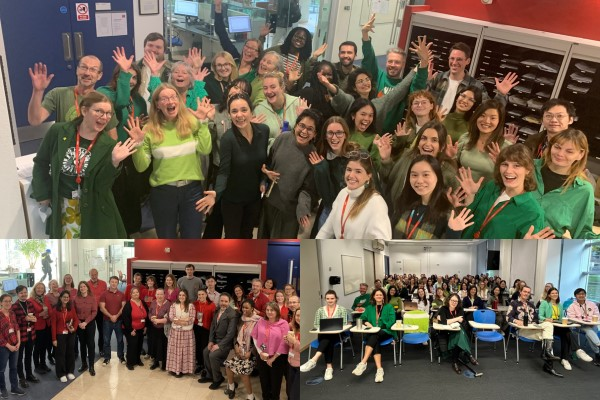
November in UK is wet and miserable, so at the @SGDPCentreKCL@KingsIoPPN we've been brightening the building with #dopaminedressing
Every Thursday, we choose a bright colour (so far, green / orange / red,pink) and invite everyone to dress accordingly, in person or online⤵️
1/2
📢 We're offering a paid PhD position on neurodevelopment in the context of the family environment. Use MoBa data with 100K children and families. Join our international, collaborative & neurodiverse team in beautiful Oslo!
#PsychGenCentre#FHI#Unioslo
https://t.co/rdHDp6tL49
📢 Today we launch the @PGCGenomics Video Textbook!
A structured training program in psychiatric genetics, analysis methods and software tools.
Open access, do share widely. #WCPG2023
1/n
@laurie_jh Yes, we want to emphasise the importance of prompt diagnosis and treatment for postnatal depression to achieve better maternal and child outcomes. SSRIs are not the only measure to available, but accessibility, efficacy and waiting time should be considered too.
Happy to share our study published in @JAMANetworkOpen, looking at SSRI treatment for #postnatal#depression. Studying >60,000 families in Norway (MoBa) we found that postnatal SSRI reduced maternal depression and child behavioural problems associated with postnatal depression.
The study found that #SSRI treatment for #PostnatalDepression was associated with reduced child behavioural difficulties, child #ADHD symptoms and maternal depression, as well as improved satisfaction in partner relationships.
Hear more about the study from Dr @KateLiuuu below📹
@laurie_jh We also investigated mothers who did not meet postnatal depression diagnosis but received SSRI in postnatal period. The positive moderation effects were observed in this group too, suggesting that findings are less likely result from depression-related reporting bias
@laurie_jh We can look at this question in two ways. We found that SSRI-treated mothers reported more depressive symptoms during follow-up period than those mothers not treated. However, SSRI-treated mothers reported less severe child behavioural problems during the same period.
Our study was also covered by Daily Mail! @Tom_A_McAdams@EivindY@KingsIoPPN
Postnatal depression medication users 'have better behaved children' https://t.co/VSfZW60XPn via @MailOnline
Some media coverage of our study, thanks for the help from our brilliant media relation team at @KingsIoPPN
Postnatal depression drug benefits children as well as mothers, study finds https://t.co/f2V8DNmWK4
This suggests potential long term benefits associated with postnatal SSRI treatment for mothers and their children affected by postnatal depression. It underscores the importance of prompt treatment for this debilitating condition.
Our findings showed that SSRI treatment mitigated negative associations between postnatal depression and future maternal depression, relationship satisfaction and child behavioural problems. No evidence indicated that SSRI increased the risk of child developmental difficulties.
The recent paper of [Clark 2023 PNAS] finds that social status correlates across family lineage in a way that is consistent with genetic transmission. Is genetic transmission the only model that can produce this pattern? Let's take a look ...
https://t.co/RM8BLJbM3K
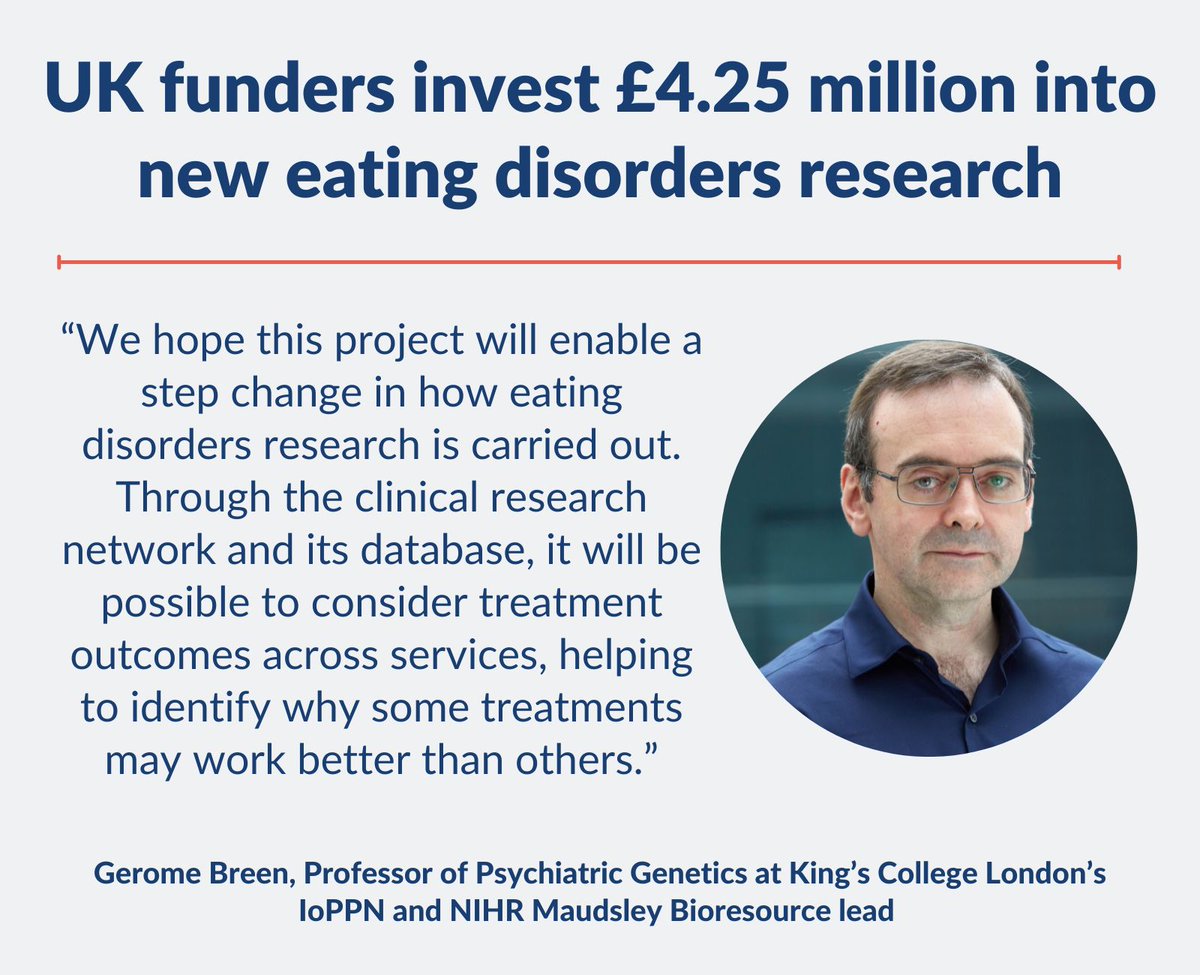
More than £4M in new eating disorders research funding has been announced today. Prof Gerome Breen @psychgenomics and Dr Karina Allen @Karina_Maudsley will work with teams across the UK to develop an NHS eating disorders research network.
https://t.co/pxeVDiydsT
@MedResFdn
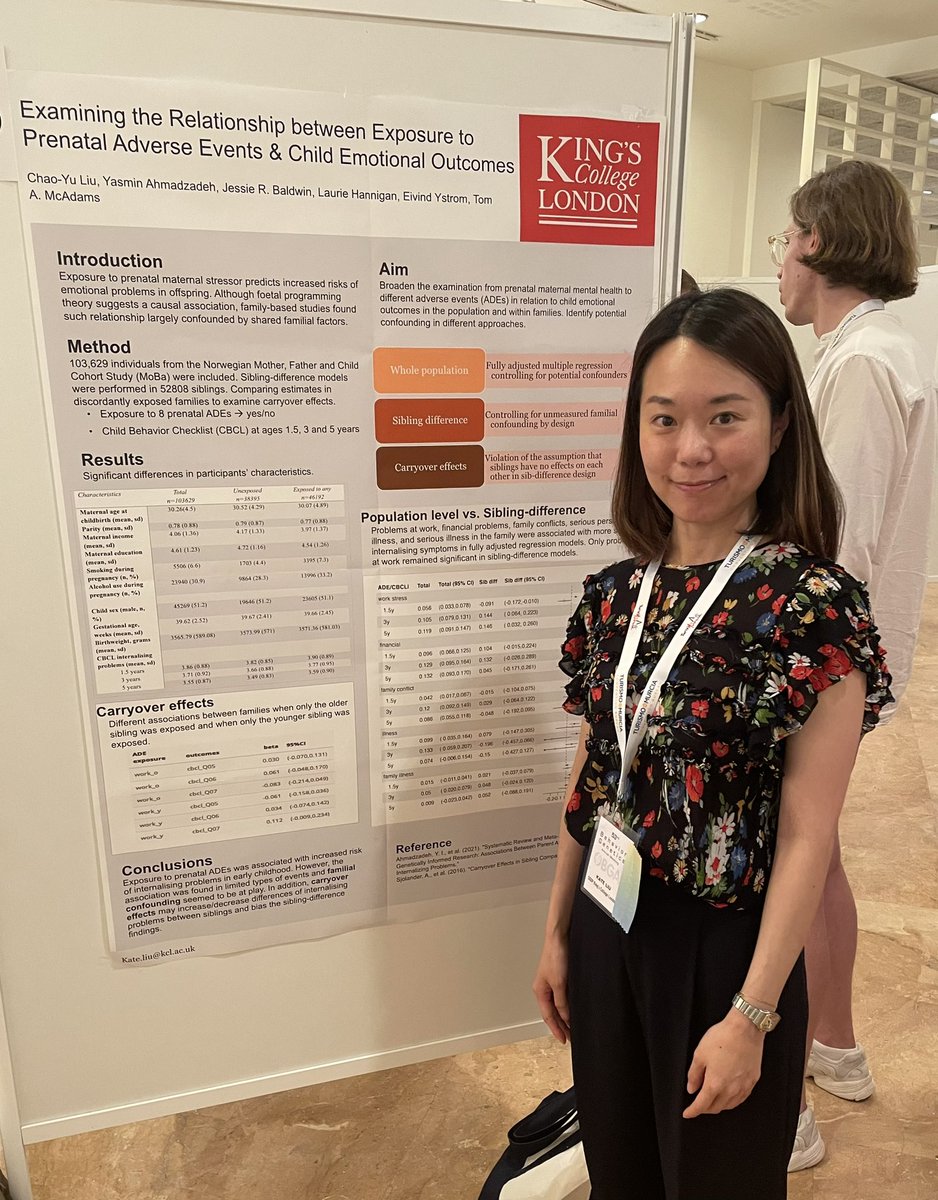
Very excited to join #BGA2023 conference in Murcia 🤩 to present our new project investigating the ‘discrepancy’ between family-based studies and longitudinal studies on prenatal ADE and offspring outcomes. Love BG & Missing in-person discussion so much!