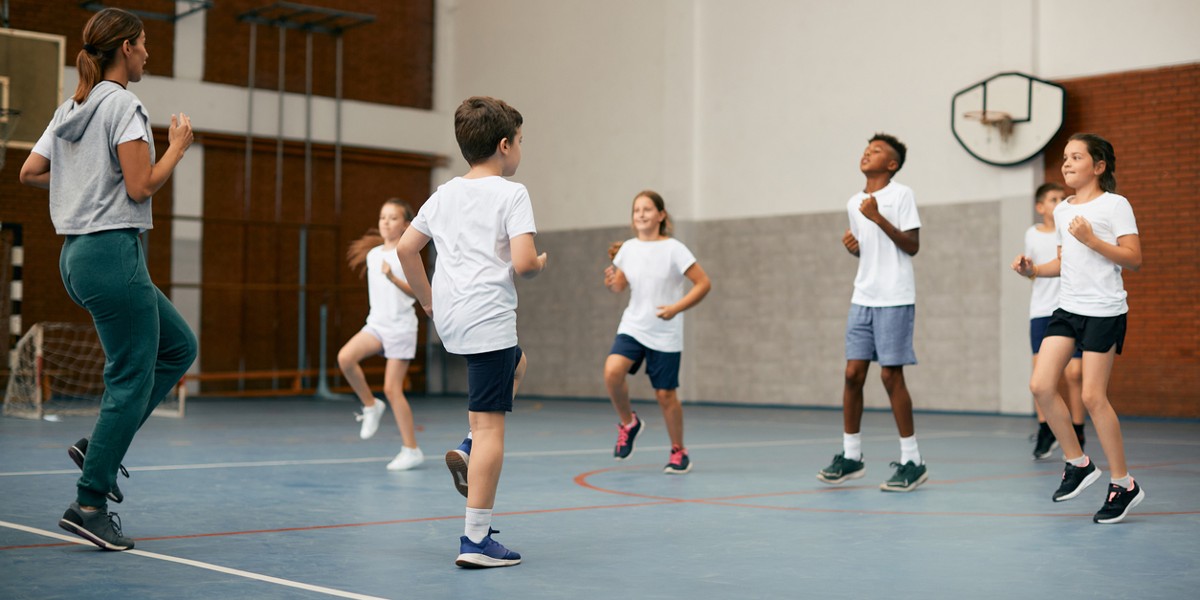
'Who’s doing what? How patterns of children’s physical activity have changed since the pandemic.' Read the latest research from the Active-6 project that shows over a quarter of children are Sedentary & Inactive.
https://t.co/kXO6mpYTfE
.@Russ_Jago and the team behind the Active-6 project explored how children's physical activity changed since the pandemic.
Read their paper published in @IJBNPA here👇
https://t.co/zfwuSDkC9E
More info on the @Actify project page 👇
https://t.co/p319uAmLAf
Our latest paper from the ACTIVE-6 project is out in @IJBNPA. Also check out the ACTIVE-6 hub (https://t.co/LTqzZwRHnH) where you’ll find links to all the open access papers published from the project so far and a range of other resources related to the project
Thanks to @PWP2023 for organising such a great conference. An incredible variety of talks and networking opportunities. I thoroughly enjoyed meeting some of the many members of the International Pediatric Journal Club in person
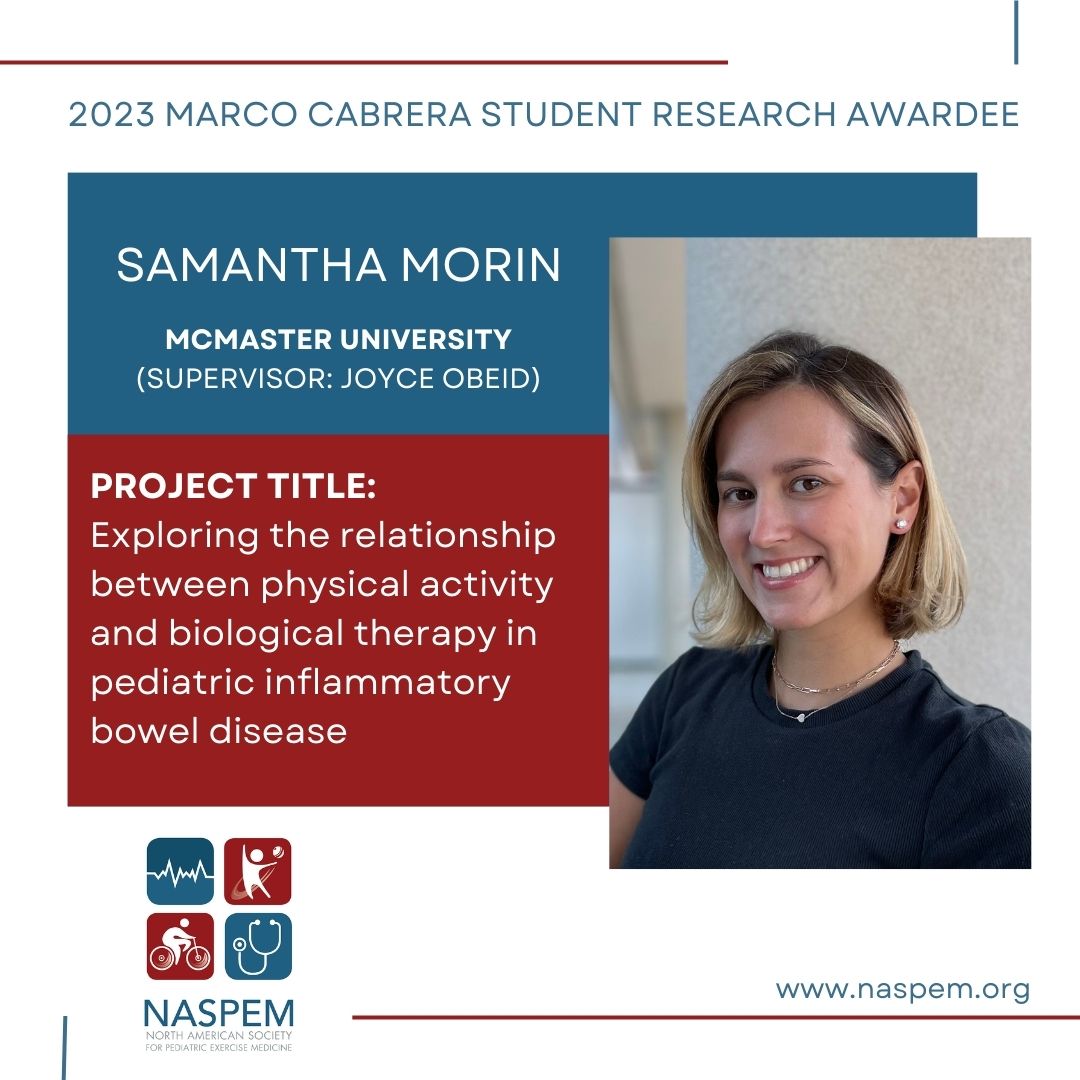
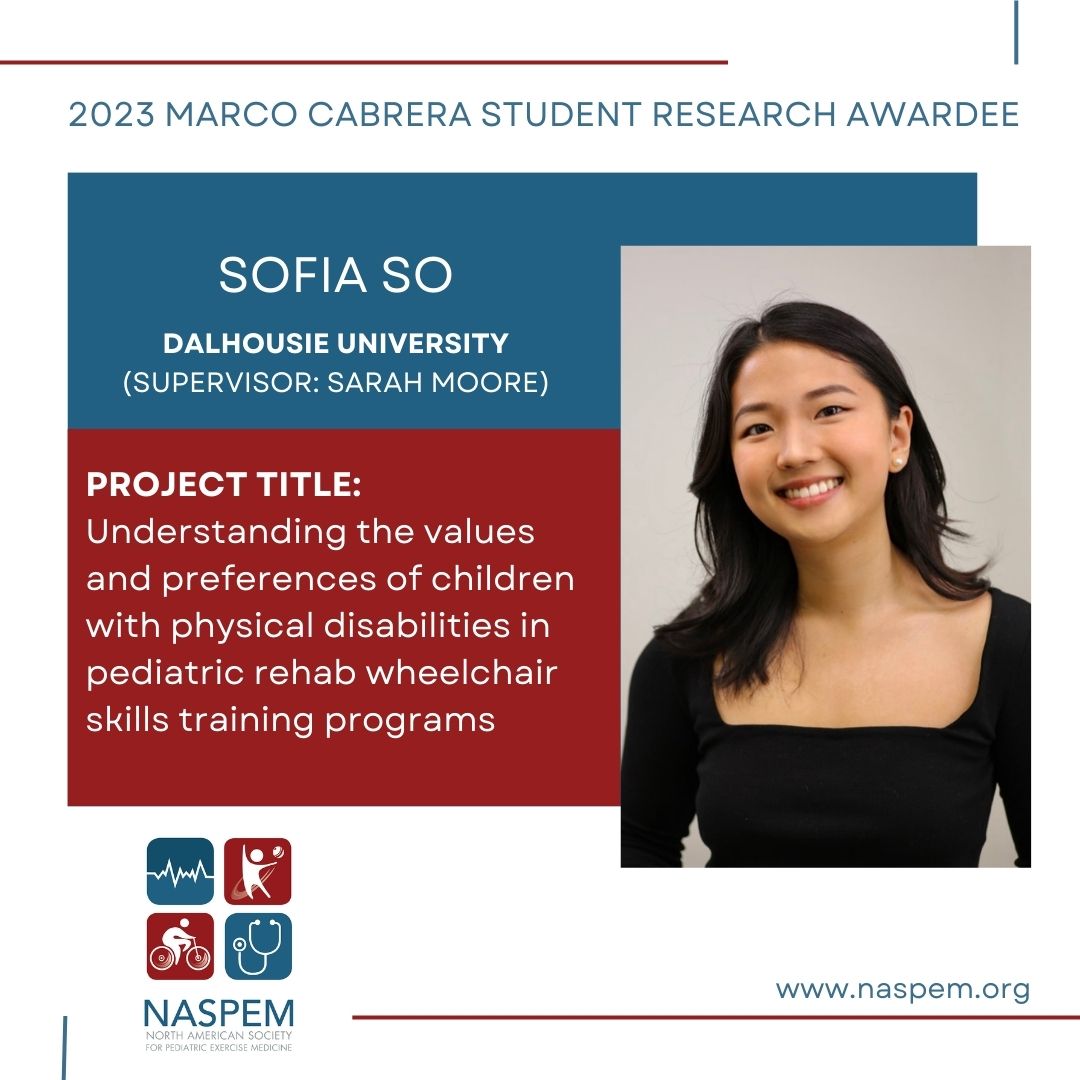
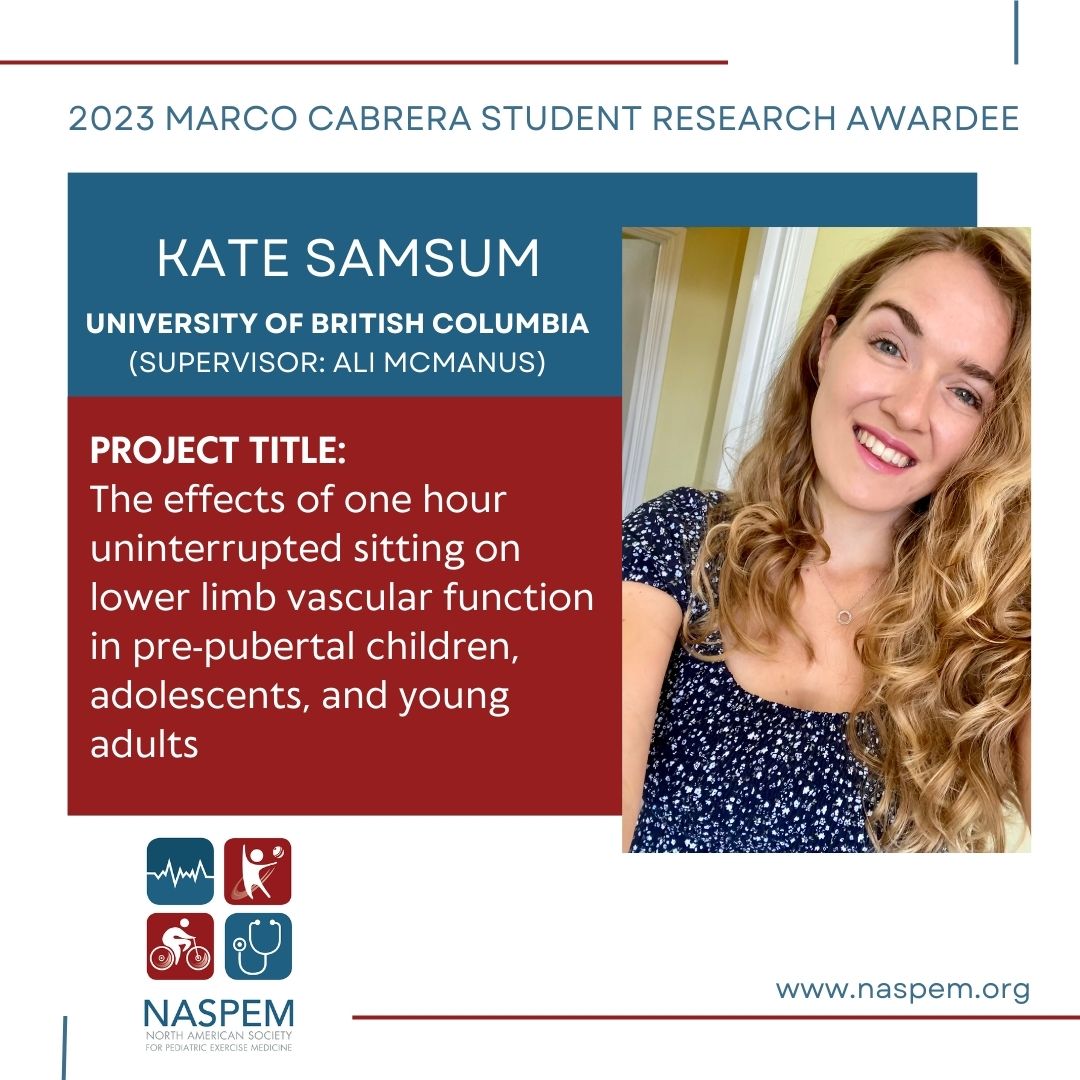
I’m thrilled to be a winner of the Marco Cabrera Student Research Award this year. We @youngkelowna are enjoying the start of data collection for this project.
Congratulations to the other winners too 🎉
New insight led by researchers at the University of Bristol finds that there is 'A new normal for children's physical activity in the wake of the pandemic'. @russ_jago @BristolUni https://t.co/h0FxEfcm1S
Today we launched our annual PE & School Sport report which brings together the latest research, evidence and insight on the importance of activity for young people. It includes new research from teachers and parents too. Read it here ⏬ https://t.co/TBVPZ7yxNA
Research has shown children’s physical activity in the UK has largely returned to pre-pandemic levels – but children are still more sedentary during the week.
Find out more👉https://t.co/ryae53te24
#COVID19#PhysicalActivity#Schools#Children @Russ_Jago
New paper with @CHERC_UoE and @uef_phcn in @japplphysiol:
Temporal longitudinal associations of carotid-femoral pulse wave velocity and carotid intima-media thickness with resting heart rate and inflammation in youth.
https://t.co/Qvg4xf7vEY
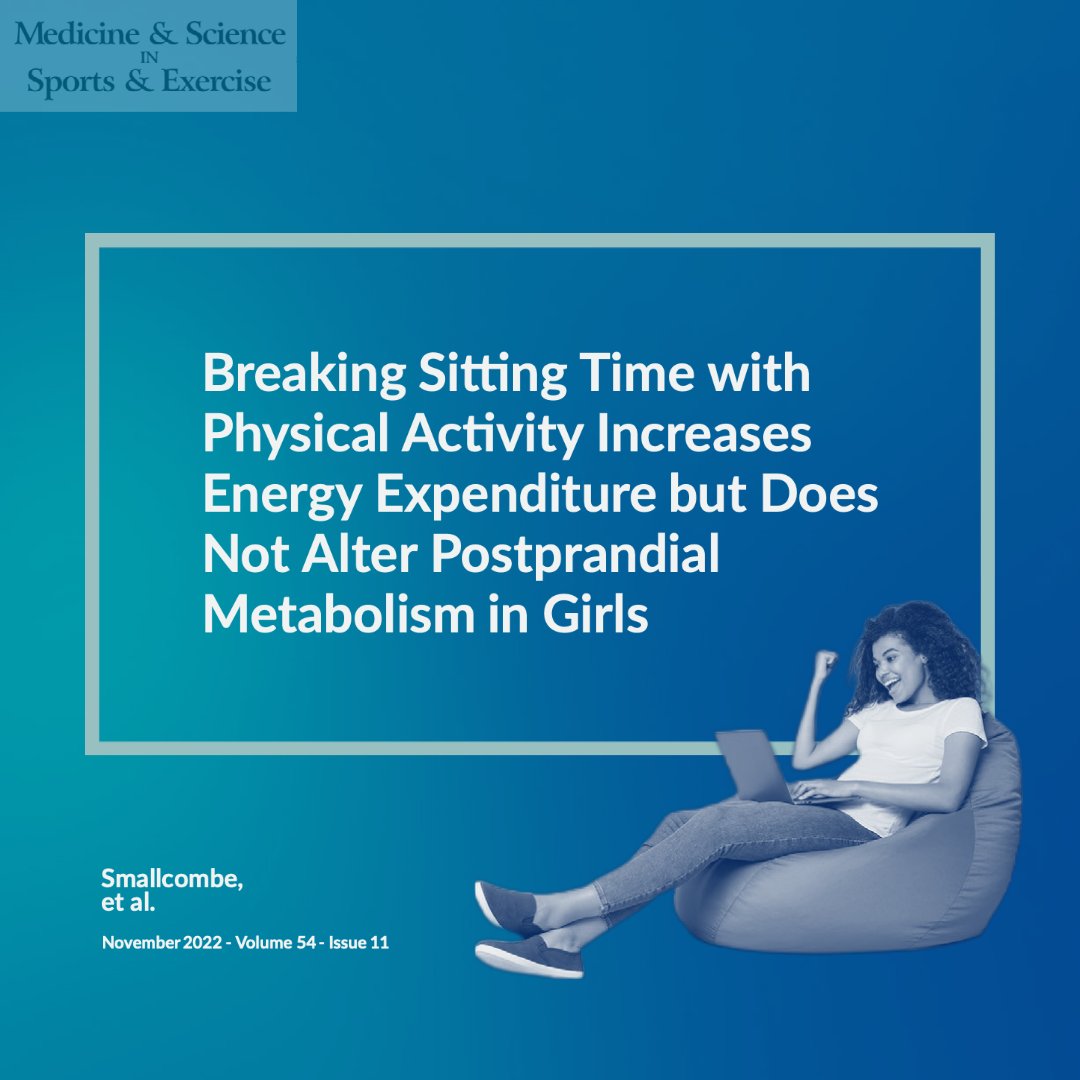
This study aimed to examine the postprandial metabolic effects of breaking sedentary time by accumulating walking and repeated bouts of nonambulatory standing during simulated school days in inactive adolescent girls. Read the findings here: https://t.co/rffvvCwZ5Y
Qualitative exploration @IJBNPA: Relevant to #PhysicalActivity, feelings of novelty experienced during the initial stages of COVID lockdown waned as restrictions were prolonged, creating an increasingly challenging period for parents & their children. https://t.co/NMHVPlZy7S