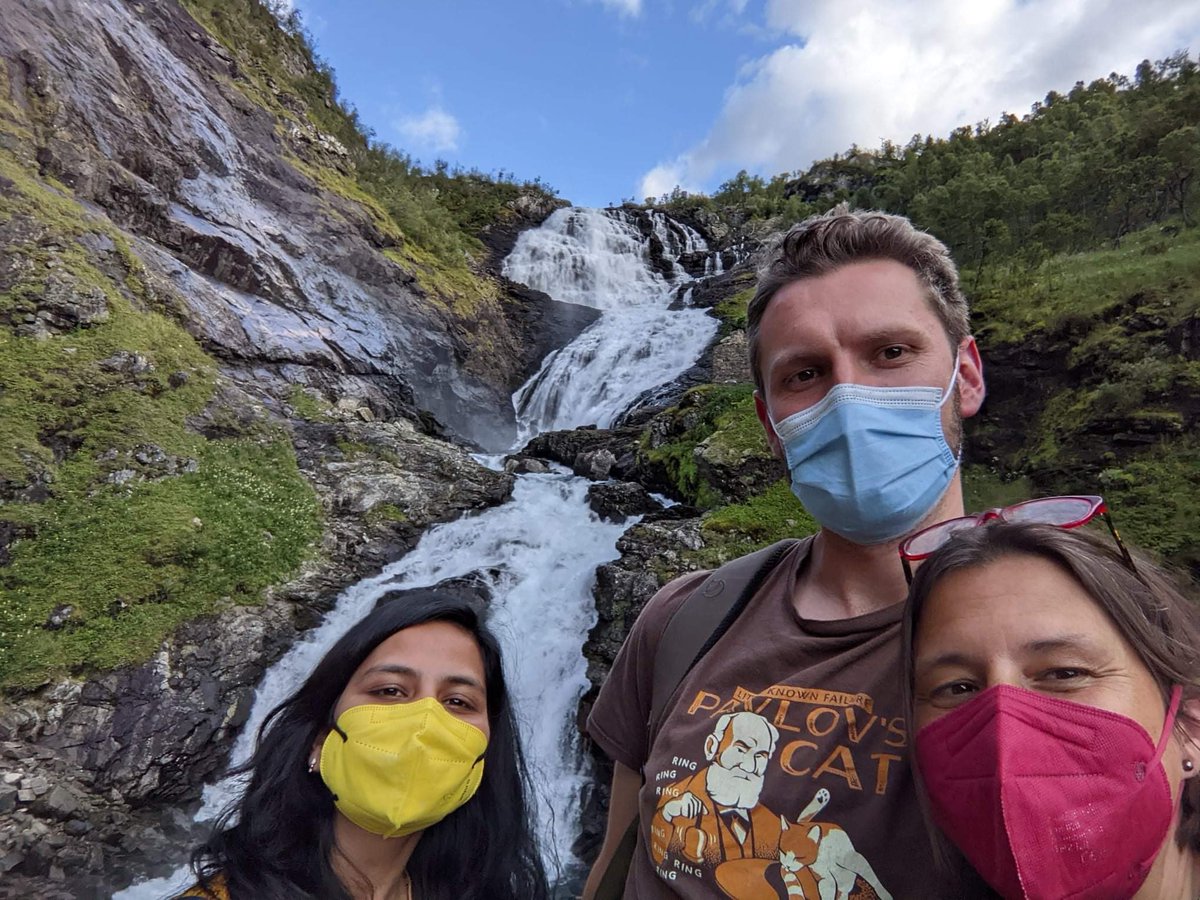
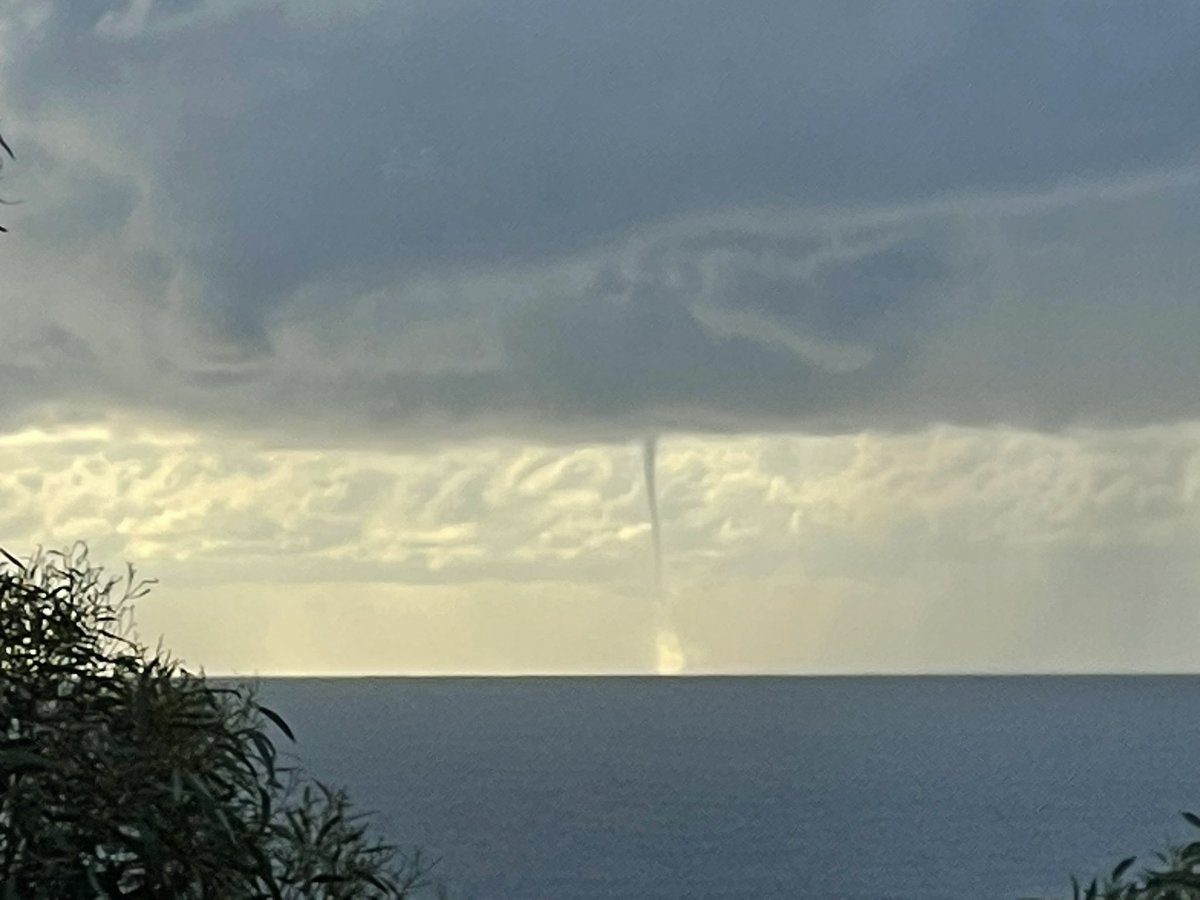
Great first two days at the #PAGES_PO2_workshop in Bristol with interesting talks about FB-N-isotopes by Alfredo Martínez-García, thallium isotopes by Yi Wang and ocean oxygenation models by Juan Muglia and Katrin Meissner (so captivating that even pigeons attended the session!)
Morgen beginnt die #COP28 in #Dubai. Kann die #Weltklimakonferenz den entscheidenden Durchbruch schaffen? Meine Kollegin @saskiabucker und ich haben Klimaforscher*innen befragt - und ihre Antworten waren wenig optimistisch. #COP28Dubai#climate https://t.co/AH2owoTDwW
Polar regions warm faster than the rest of the world. This is happening now, and also happened millions of years ago when alligators and turtles used to live in the Arctic. But most climate models are not able to produce the observed warming. Why?
Article: Indirect forcing by low regional orography and high atmospheric methane levels helped amplify Arctic temperatures in the early Eocene by enhancing polar stratospheric cloud formation
https://t.co/sAasUT8F2K
Polar regions warm faster than the rest of the world. This is happening now, and also happened millions of years ago when alligators and turtles used to live in the Arctic. Why?
New research by D Dutta, @DrJucker, @StevenSherwood4, A Sen Gupta, @KatrinJM, and J Zhu.
A thread 1/6
The good news is that these clouds were more likely to form in the past than they will be in the future. This is due to stratospheric circulation patterns that depend on the location of continents and mountains.
6/6
Including these clouds in climate models would therefore reduce the gap between models and climate reconstructions in the past. It might also improve our future projections.
5/6
@melissatraveler@julie_arblaster @timraupach @NeginNazarian Yep. I completely disengaged with the brutal looking X and most of its content… let’s see if the sky is brighter on the other side :-)
Thank you #ICP14 for an amazing week of science… and the opportunity to finally catch up in person again with colleagues from all over the world. 🇳🇴🐟❤️
Times of plenty or suffocation? Our N&V on Pohl et al.’s article on ocean circulation and oxygenation changes over the past 540 million years @aoschlies@NatureNV@derp_code@ccrc_unsw
Plate tectonics controls ocean oxygen levels https://t.co/IA8eEbBKfQ
If we are going to put a business rep on ARC science panels, OK, how about ensuring company boards and key parliamentary committees each have a scientist on them? https://t.co/XeIwhDA4YG via @canberratimes
The green Sahara: why and when did the Sahara transition between a wet state, supporting river systems and vegetation, and a desert as we know it today? This new paper shows it was a combination of slow changes in solar insolation and abrupt changes in ocean circulation.
A strengthening of the Atlantic Meridional Overturning Circulation was the main driver of the abrupt initiation of African Humid Periods during the last two deglaciations.
@UNSWScience
https://t.co/TvGYBUexUD