(She/her) Associate @Eval_Innovation: systems change, emergence, reimagination / novice at most things, very good at watching TV and hanging out with my cat
The Center for Evaluation Innovation is thrilled to announce our incoming Executive Director: @HanhCaoYu! We are so excited to welcome Hanh as our next leader, effective October 1, 2024, and look forward to her leadership of CEI’s next chapter.
Learn more: https://t.co/9DZDMMIEqB
Talk about everyone wants a revolution but no one wants to do the dishes. Feminist men, a word: learn to do all those things and DO them. Take the notes. Organize the group gift. Keep track of birthdays. Take the lunch order and call it in. DO a feminism, don’t just say it.
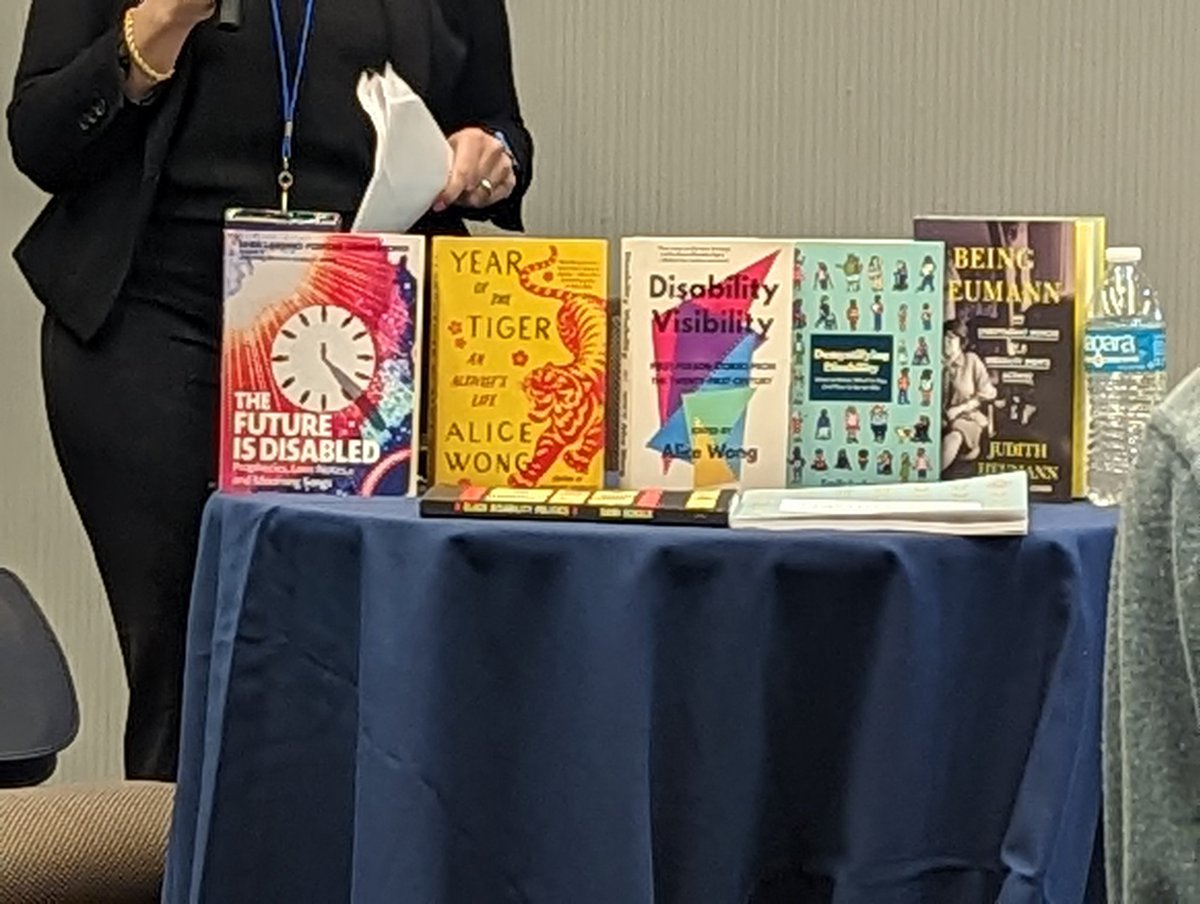
👀 some books to add your summer reading list??? Yes please! 🤓-Philanthropy working collectively toward Disability Inclusion with Sarah Anne Napoli @DisPhilanthropy#GEOLearn.
Complex systems are constituted of a wide variety of actors and factors, to be successful in influencing them we must learn to embrace and work with this complexity - this is what systems change approaches aim to do. This video discusses: https://t.co/8MM8QVahlU
And we're off! 💫
We've launched our newest round of benchmarking research on learning & evaluation in philanthropy and are excited to bring you along.
Read more about our goals and how we're aligning with our values of racial justice & equity: https://t.co/2y03sjrsdU
What does it look like to evaluate advocacy that builds power? How might those most directly affected be at the center of evaluation work?
At CEI and in partnership with @CeedBu, we set out to answer these questions in our newest report: https://t.co/CnIQVN6RRP
🧵1/5
If @NYTimesGuild members don't have a deal soon, we’re asking readers to not engage in any @nytimes platforms tomorrow and stand with us on the digital picket line! Read local news. Listen to public radio. Pull out a cookbook. Break your Wordle streak.
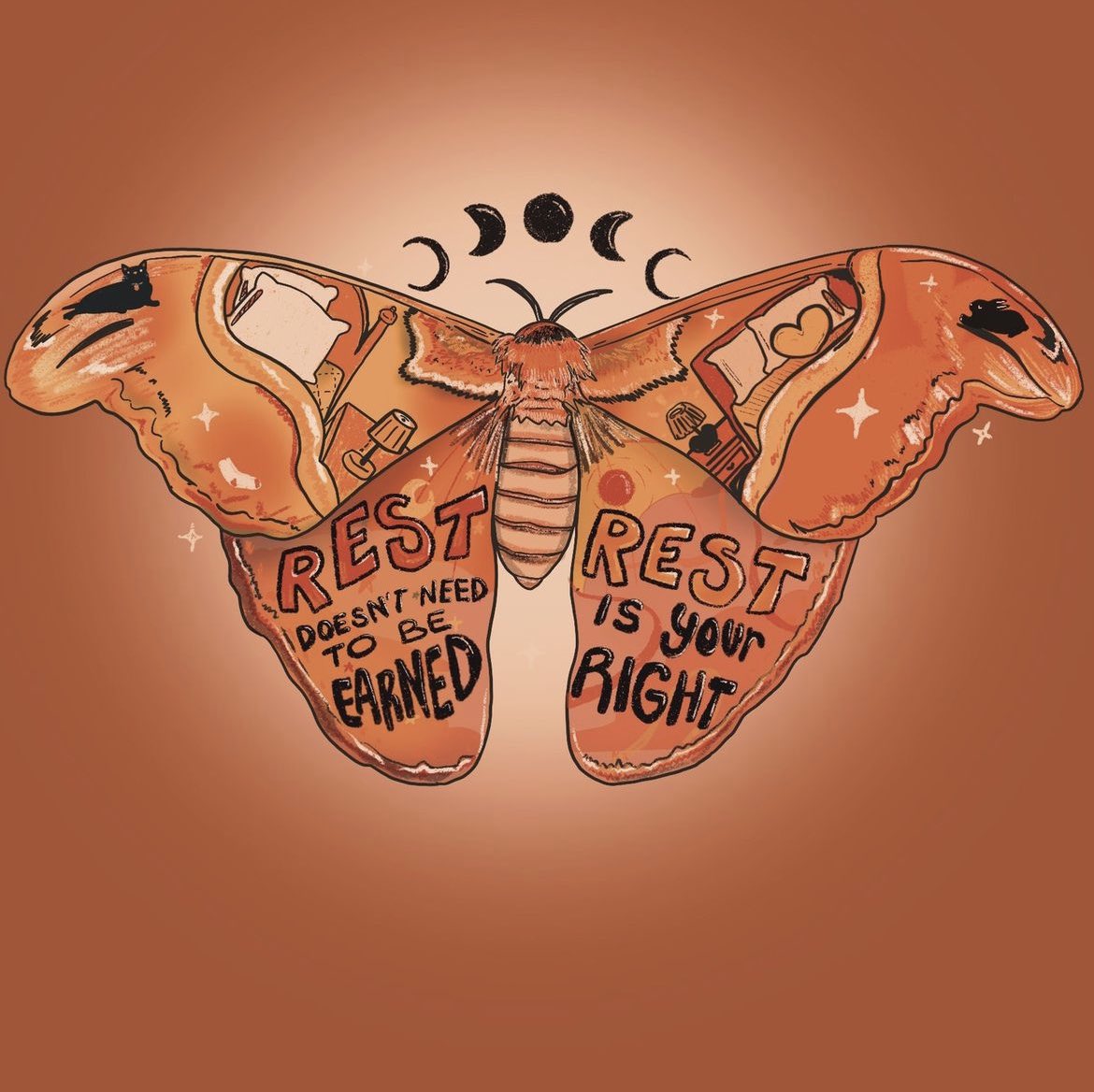
As we enter the last month of the year, we know the burnout is real. We offer you a reminder that rest isn’t earned. Having space to breath and recharge is a human need, not a reward.
Give yourself grace and love and extend that to your community too.
Art: @liberaljanee
We’re asking readers to not engage in any @nytimes platforms tomorrow and stand with us on the digital picket line! Read local news. Listen to public radio. Make something from a cookbook. Break your Wordle streak.
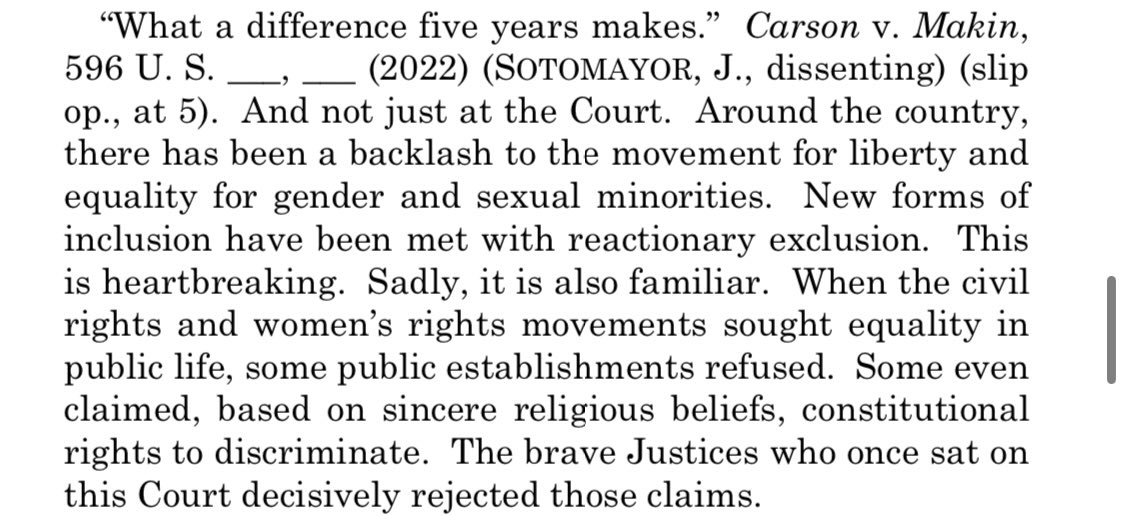
"Evaluators need to be bolder and take credit for the intrinsic value of evaluation...that's part of our responsibility as evaluators" @jraynor1 👏🏼💙 (#Eval22, Meeting the Moment session)
There’s value in this process, and there’s value in having to articulate them to different audiences.
But if we’re wanting to make grantmaking more equitable, trust-based, and accessible, when do funders need to let go and let the organizations do the work?
In a session at #Eval22 right now talking about developing a number of theories of change over the course of a project’s lifetime for a complex, multi-stakeholder project.
Some thoughts: (1/5)
So at what point does a theory of change stop being a useful tool in making visible the assumptions behind the impact we want to see?
And at what point are funders asking too much of their grantees?