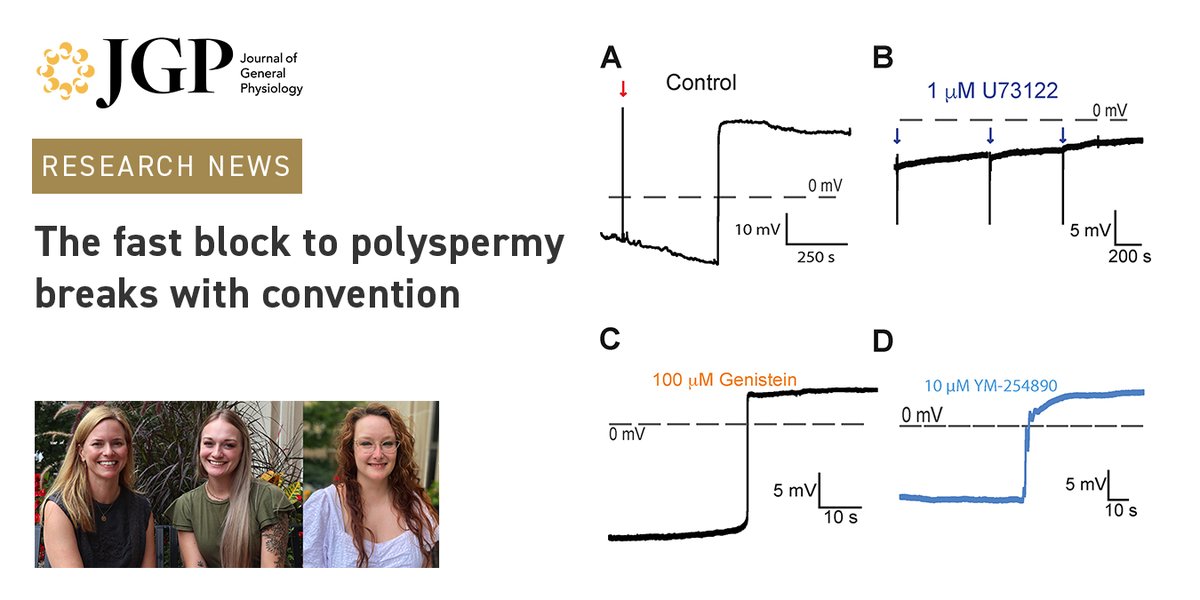
Study by @KaylaK_Bio @DrBrainbridge @carlson_lab et al (https://t.co/3SG6AYzxg7) reveals that conventional PLC activation pathways are not required for the #fertilization-induced depolarization of #Xenopus eggs that prevents the entry of additional sperm https://t.co/PRkANmhY08
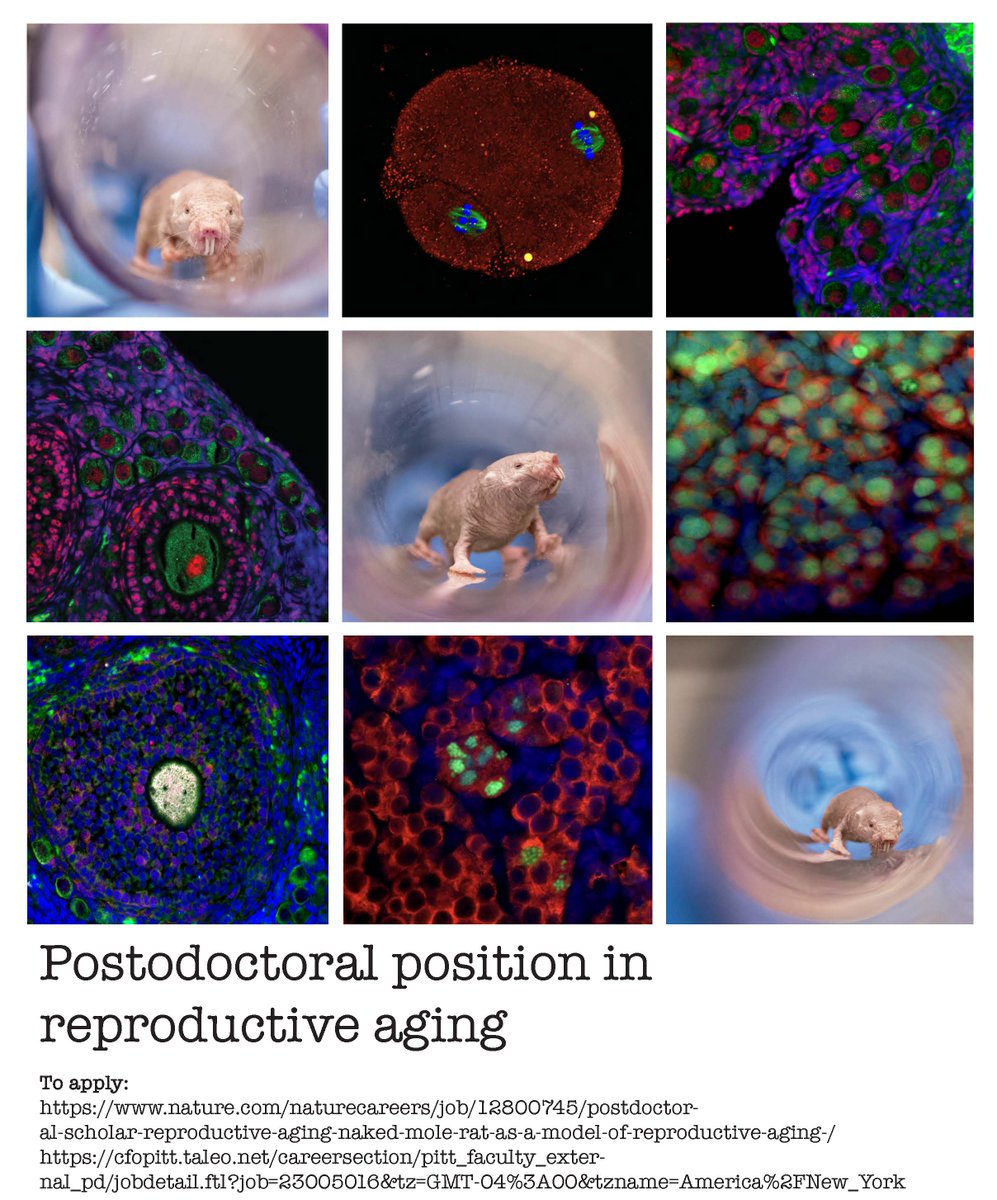
The Brieno-Enriquez lab is seeking a motivated postdoc interested in exploring the naked mole-rat as a model for reproductive aging. Recent work from the lab has been published in Nature Comms and featured in NatGeo!
https://t.co/qcOwEqBD8R
To apply: https://t.co/VWSxzIMMyK
I can’t believe #FIR2023 is over already! @FIRbees was such an amazing 6 weeks course that I couldn’t recommend enough to any early career repro scientist! Here’s reasons why you should apply (if you weren’t already thinking of doing so)👇
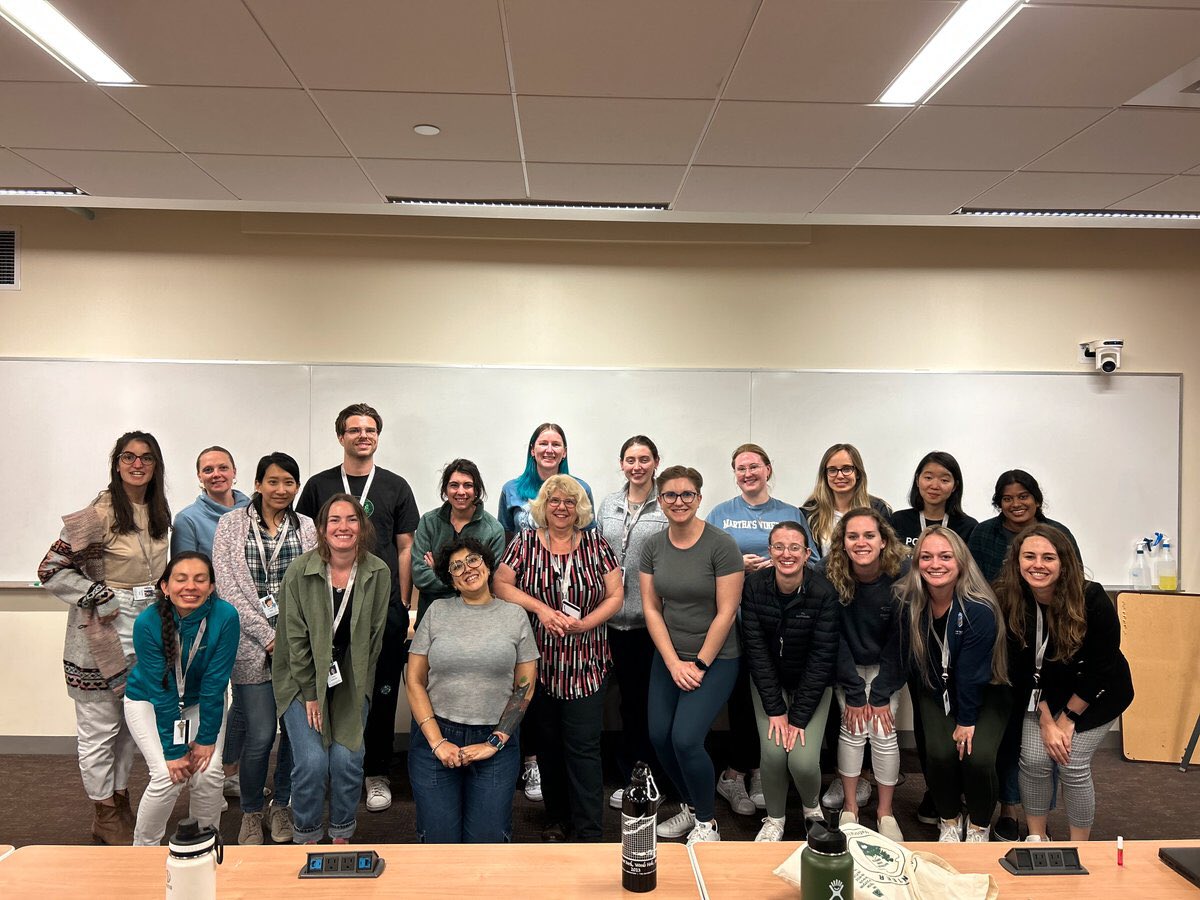
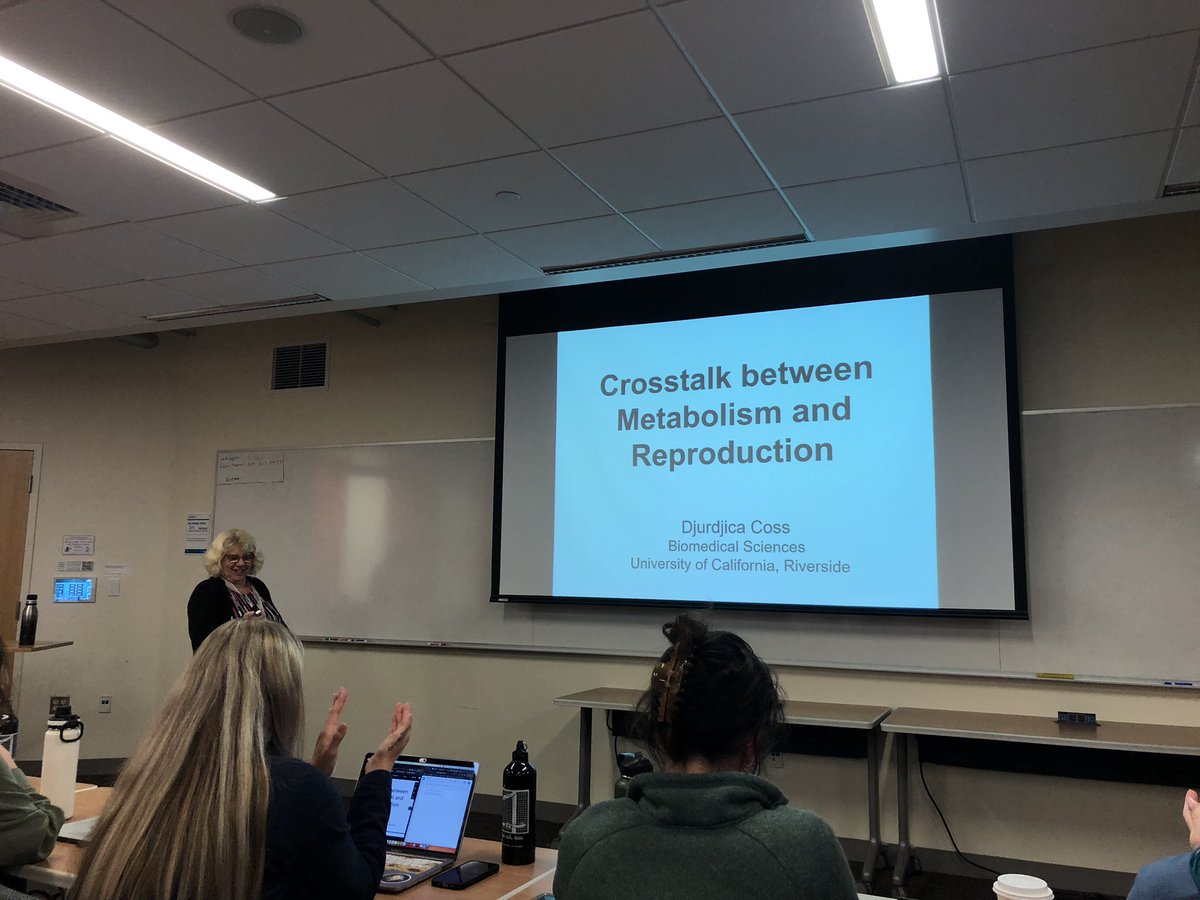
The FIRbees learnt how to dissect the mouse pituitary gland and culture primary pituitary cells with Prof Djurdjica Coss 🧠🐁 We also heard about interesting work from the Coss lab looking at metabolism and sex differences in mouse models of obesity
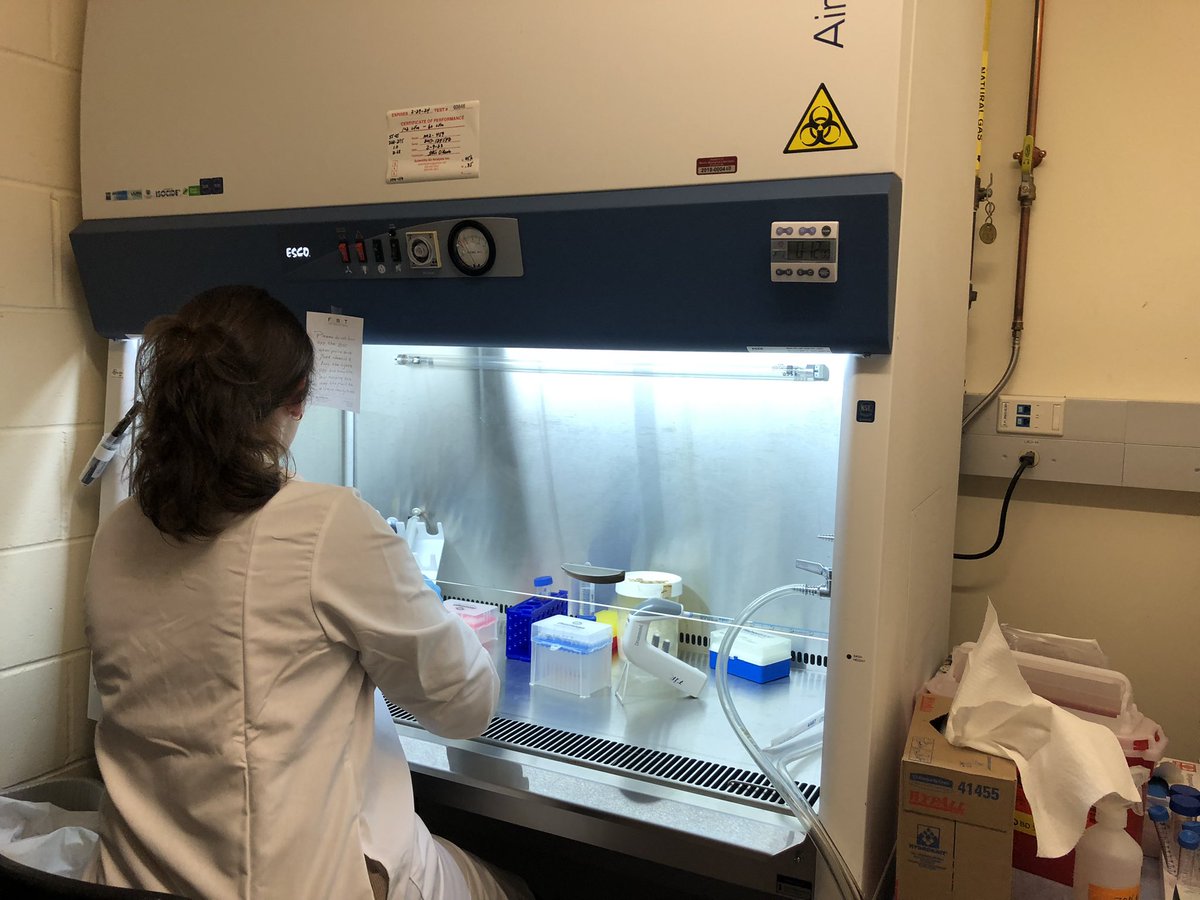
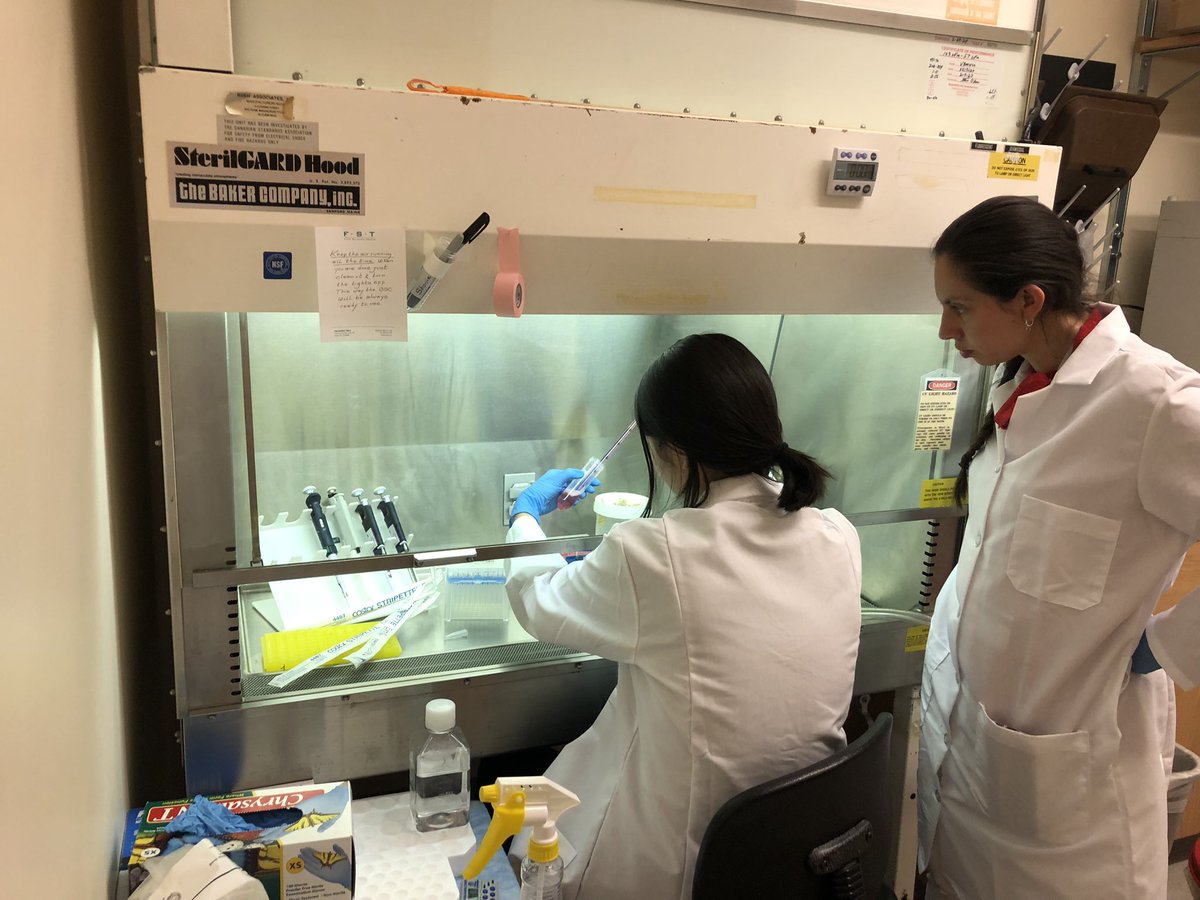
First official day of FIR learning transfection and mobility shift assays 👩🔬team work makes the dream work (especially with pipetting) @FIRbees@DrAmyGarrett@KaylaK_Bio
How does an Allotetraploid embryo activate its two-ish genomes? Wes Phelps's doctoral magnum opus dissects Xenopus laevis #ZGA, up on @biorxivpreprint !
New paper on bioRxiv with what we know, and don't know, about how fertilization opens TMEM16A channels in Xenopus laevis eggs. Beautiful work by @KaylaK_Bio @DrBrainbridge @SharpScience_ & @joel_rosenbaum! #proudmentor#pittbiosci https://t.co/b5VkVzlLJV