Don’t delay nonsurgical, definitive mgt of priapism aspiration, irrigation & phenylephrine admin, say @GoyalEM & @akoo_md.
Listen now for how to diagnose nonischemic/ischemic priapism, only in this month’s Procedural Lifelines video. https://t.co/YLRWANntSN #FOAMed
Among adults presenting to an ED with an undifferentiated critical illness, physician gestalt in the first 15 minutes of the encounter outperformed other screening methods in identifying sepsis. https://t.co/t3Pcs9Xdt5
You already know what time it is 👀
The biggest giveaway of the year is back and @Seatgeek is giving away 10 PAIRS of 2023 season tickets 🎟
Must RT + Follow To Win!
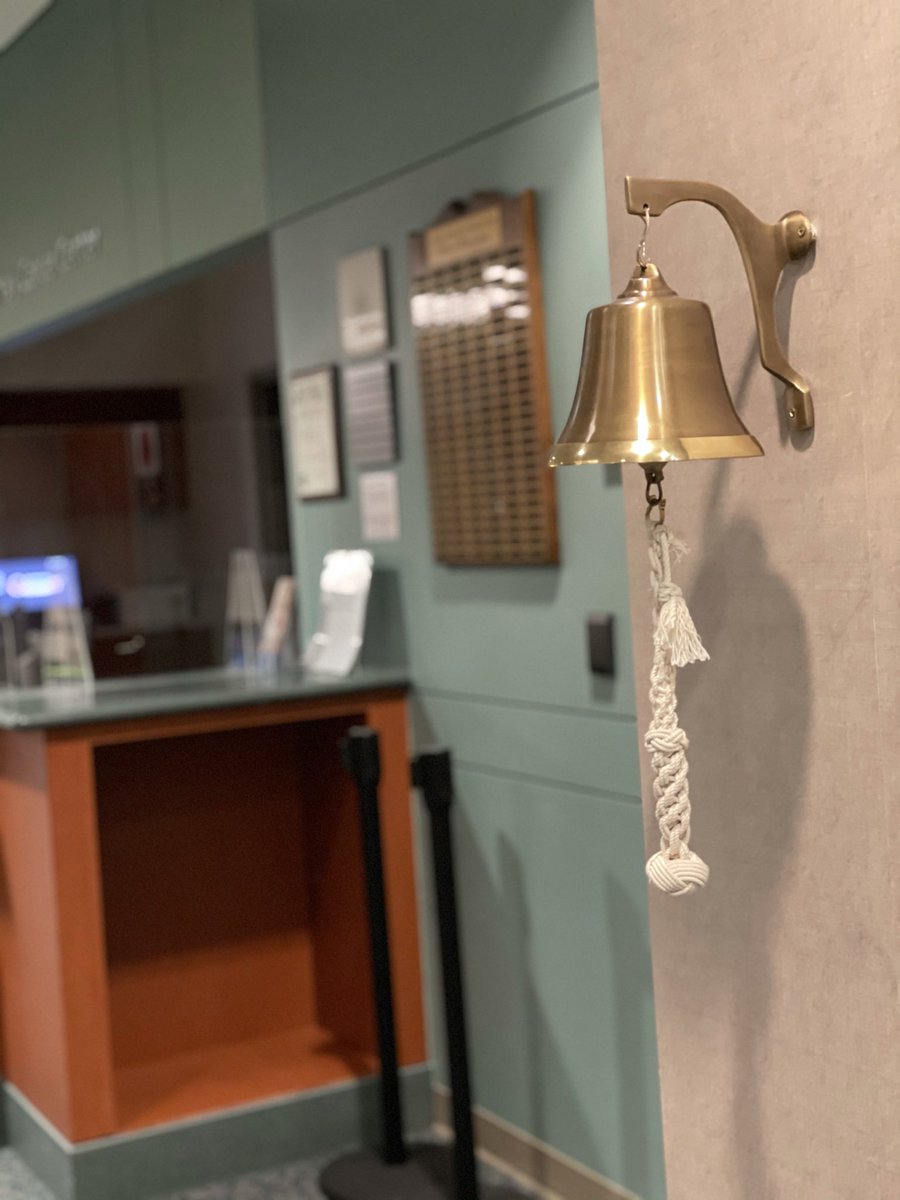
Fun fact, this bell used to make me cry. When I was first diagnosed, I was part of the 37% who thought ringing the bell meant you were cancer free. As a stage IV pt w/a very large tumor and many mets, I realized I probably would never ring it. But I took this pic at one of my first appts, printed it out and put it on every mirror in the house.
I wanted to change my relationship with it, I didn’t want to feel sad every time I looked in its general direction. I also started to use it as a representation of hope. Although I never thought I’d reach NED, looking at gave me a chance to “pretend” and imagine what I’d do if I ever did.
It was only a couple months after I took the picture that I learned the bell doesn’t necessarily represent being “cancer free” but I left it there as source of inspiration.
I still haven’t rung the bell myself but over time, I’m very grateful my relationship with it has changed.
I think it’s important we share that ringing the bell means and represents far more than being “cancer free” and that it can be rung to celebrate all kinds of milestones a patient may reach.
This bell can represent momentous celebrations but it can also be a source of great sadness and pain for those who only equate it with being cancer free when they know that isn’t part of their treatment goals.
My hot take? There are plenty of milestones worth celebrating and we need more education around the purpose and meaning of the bell in centers that have them, so no patients end up feeling the same sadness towards them that I once did.
But that’s just my two cents. What’s your opinion on the bell?
Finally, lean on your co-interns. You're all experiencing the same feelings of fear, inadequacy, and imposter syndrome. Talk about it. Even if they seem like they've figured it out, I guarantee they feel the same.