Islamic Faith and Ethiopian Unity: A Perspective Worth Reflecting On
Dear friends,
I share this not to provoke debate, but to invite reflection — to encourage us to look deeper into a sensitive truth that continues to shape our nation’s journey toward equality and unity. It concerns the place of Islam, and Muslim citizens, in Ethiopia’s social and political life.
Recently, an Orthodox religious teacher made deeply troubling remarks, claiming that Ethiopia belongs exclusively to Orthodox Christians and that followers of other faiths — especially Muslims — cannot be equal or even share the same table. His words expose not just personal prejudice but a mindset that still lingers among segments of Ethiopia’s educated and religious elite.
Sadly, he is not alone. Many, including some in academia and government, quietly hold similar views though they rarely voice them publicly. His comment simply gave words to an attitude that remains widespread yet unspoken.
While it is true that the situation of Muslims in Ethiopia has improved compared to the past, the struggle for genuine equality and mutual respect is far from over. Deep-seated biases and exclusionary attitudes persist in key institutions. Until these frozen mentalities are replaced with understanding, justice, and inclusiveness, Ethiopia will not realize its promise as a nation for all its people — regardless of faith.
A Call for Reflection, Not Reaction
Please read this with an open heart, setting aside inherited biases or misconceptions about Islam or Muslims in Ethiopia. What I am presenting is rooted not in emotion, but in history, faith, and lived experience.
Historically, Ethiopian Muslims have been excluded from many leadership roles and state institutions. Yet, they have remained steadfast — loyal, patient, and deeply committed to the well-being of their country. Their service has often gone unrecognized, but their dedication has never wavered.
What prompted me to write in addition to the current Orthodox leader is and other disturbing video clip I observed in which a respected figure confessed he was “scared” because there are now more Muslim parliamentarians in Ethiopia. Scared of what, exactly? Of citizens who defend their country? Who stand for justice and serve with dignity?
Consider figures like Ustaz Jemal Bashir, often called the “King of Abay,” and Al-Arusi, who, despite his limited fluency in Amharic, has always stood up firmly for Ethiopia’s national interests. These are proud Ethiopian Muslims who fight not for tribe or sect, but for the nation as a whole.
What Islam Truly Teaches
“O mankind! We created you from a single pair of a male and a female and made you into nations and tribes so that you may know one another. Verily, the most honored of you in the sight of Allah is the most righteous among you.”
— Qur’an 49:13
“A Muslim is the one from whose tongue and hand people are safe. And a believer is the one whom people trust with their lives and wealth.”
— Sahih al-Bukhari
At its core, Islam does not divide — it unites. It stands on the principles of justice, peace, and mutual respect. The presence of Muslims in public life is not a threat to Ethiopia’s harmony; it is a strength that reflects the nation’s diversity and resilience.
The real danger lies not in faith, but in ignorance and tribalism — in the fear of “the other.”
Ethiopia’s Path Forward
What Ethiopia needs now is a unity that transcends ethnicity, language, and religion. Properly understood, Islamic teachings can help guide that national healing. Islam encourages civic responsibility, fairness, compassion, and the defense of justice — values Ethiopia needs more than ever.
Instead of fearing Muslim participation in public life, we should embrace it as a vital part of Ethiopia’s collective strength. We — Ethiopian Muslims — have always been here. We have always cared. And we have always prayed — not only for ourselves but for the peace, dignity, and future of our shared nation.
A Step Toward Peace: U.S. Court Shuts Down Ethio350
Peace-loving Ethiopians have reason to take heart today. A U.S. court has officially shut down Ethio350, a diaspora-based media organization notorious for advocating armed violence and inciting inter-communal hatred in Ethiopia. Multiple lawsuits brought against this organization have succeeded in holding them accountable, proving that even from afar, calls for violence are not beyond the reach of justice.
For years, Ethio350 has operated under the guise of “media” while spreading dangerous narratives that fuel division and conflict. Their content has not only harmed Ethiopia’s social fabric but also endangered the very communities they claim to represent. The court’s decision is a clear warning: propaganda that promotes violence has consequences, no matter where it originates.
Ethiopia does not need hate speech, conflict-mongering, or manipulative agendas. What Ethiopia needs is dialogue, reconciliation, and unity among its diverse communities. This ruling reinforces the principle that peace and accountability must go hand in hand, and it highlights the responsibility of diaspora platforms to contribute positively rather than stoke violence.
Let this be a reminder to all: the path to a strong and stable Ethiopia lies in constructive engagement, respect for life, and the pursuit of shared prosperity. Those who sow division have no place in a country striving for peace.
Good riddance to those who profit from chaos — Ethiopia deserves better, and we, as Ethiopians, must continue to champion peace.
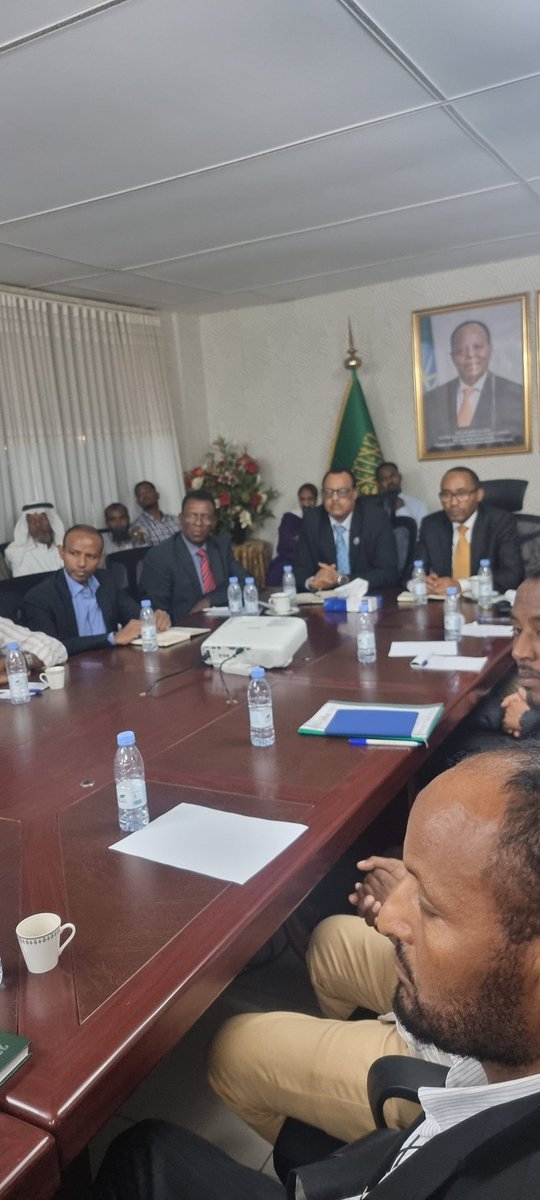
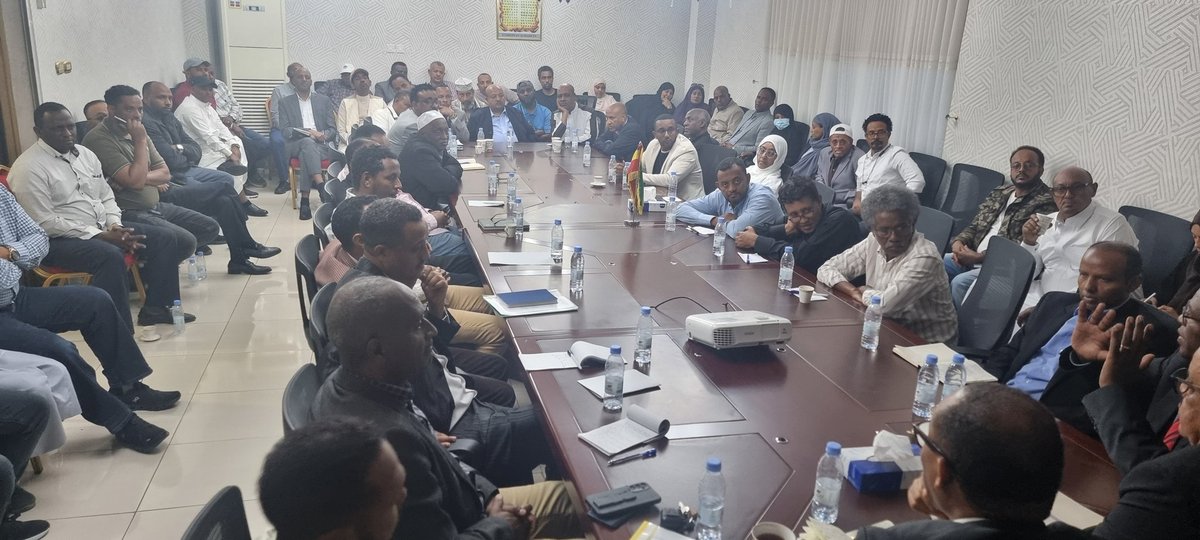
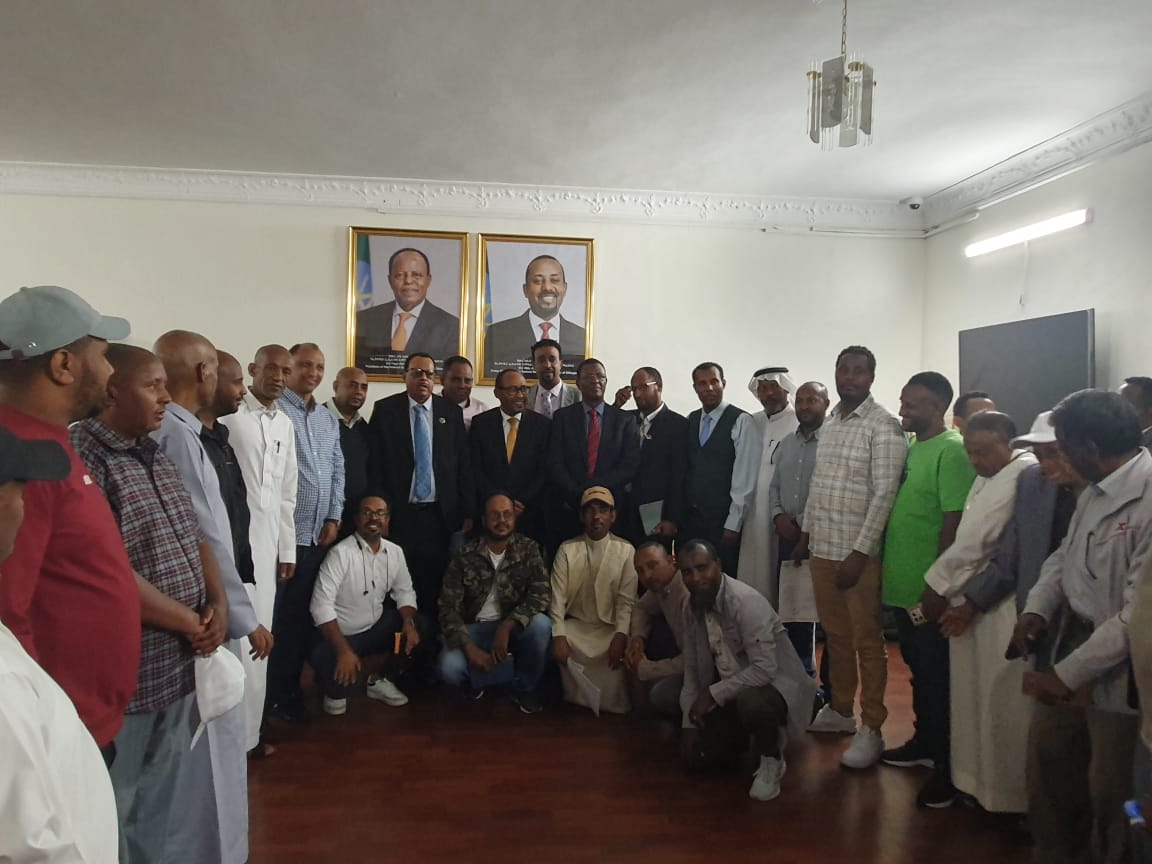
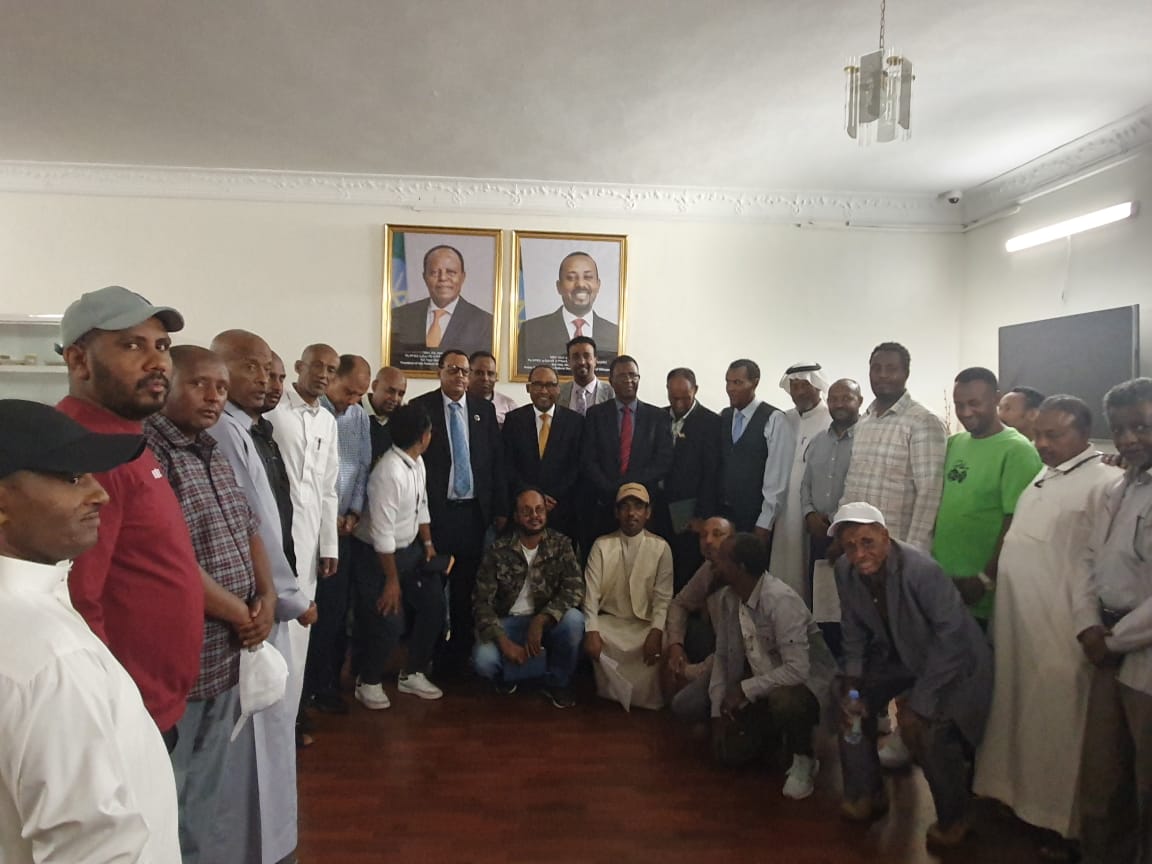
Had a productive meeting with Ethiopian community resident in Jeddah, the KSA. Was a good opportunity to hear straight from the community which, in turn, helps us to work closely with pertinent institutions in the KSA & the community members themselves.
@MuktarKAbdu1
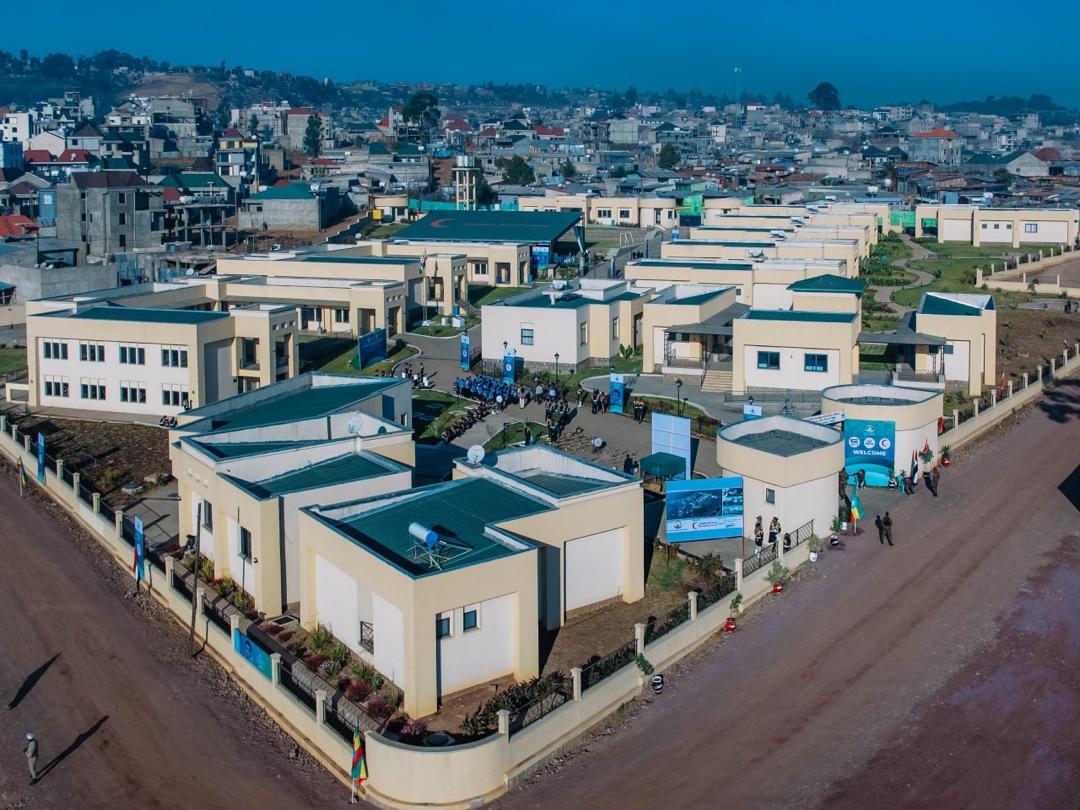
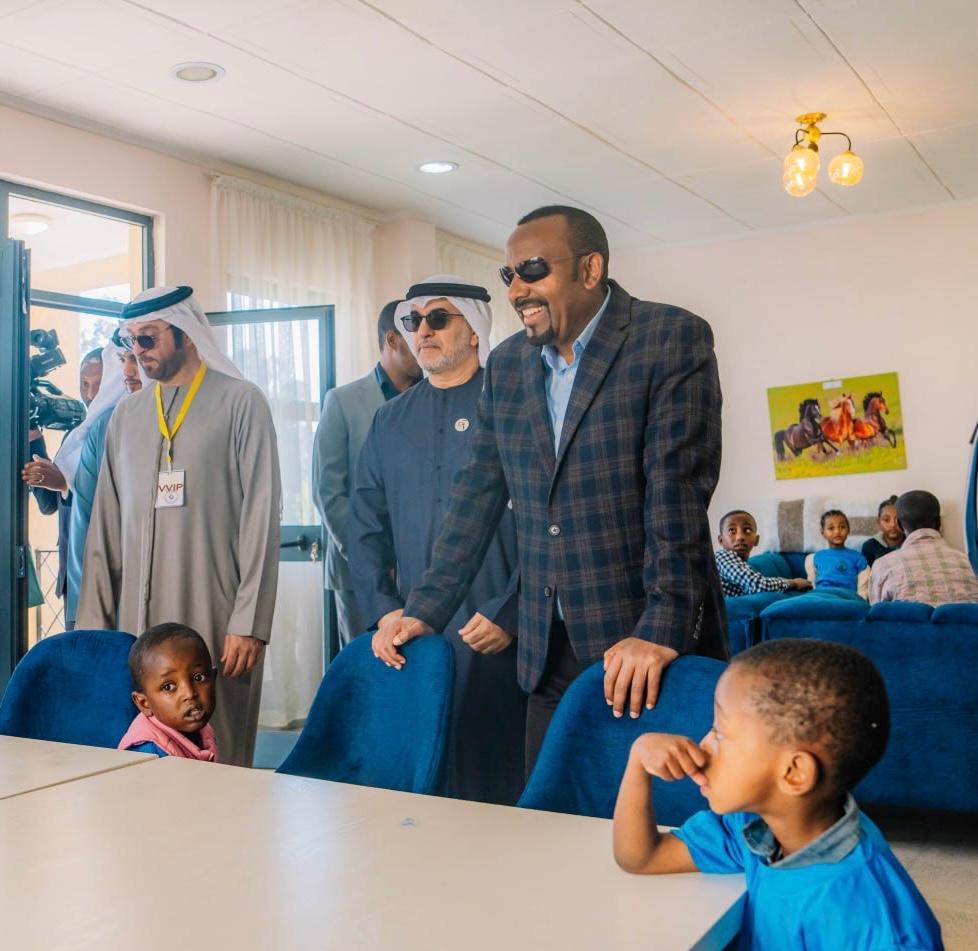
In recent years, significant efforts have been made to improve the living conditions of low-income groups in connection with Ethiopia’s ongoing mega projects. Today, we proudly inaugurated the Oromia Abdi Boru Orphanage Center, a facility established with the generous support of Sheikh Mohammed bin Zayed Al Nahyan, President of the United Arab Emirates and a steadfast friend of Ethiopia. Beyond its mission to provide care and support for orphans and children in crisis, this center stands as a testament to the strong and enduring cooperation between our two nations.
Pleasure to have met with HE Cllr Gary van Niekerk, Executive Mayor of the City of Port Elthabet in East London, SA, & his team, & held fruitful discussions on various matters including the need to establish city twinning, further enhancing people to people bonds & cooperation.
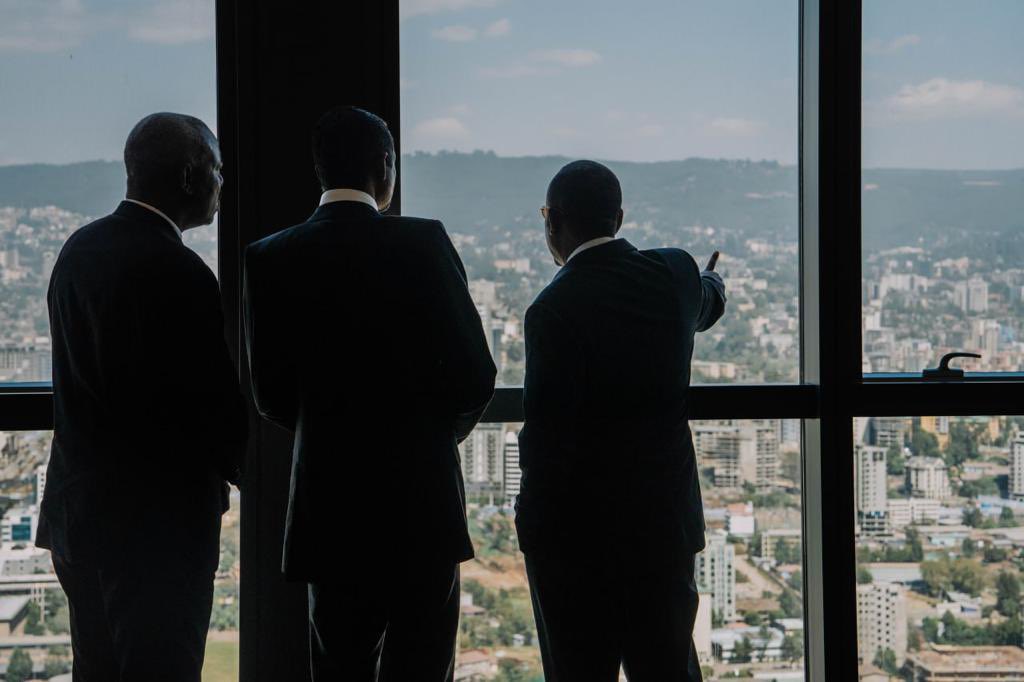
Today I have welcomed to Ethiopia General Abdelfattah Alburhan, President of the Transitional Sovereignty Council of the Republic of the Sudan for discussions on key current issues.
Pleasure joining #Ethiopian community members who gathered in Johansburg,SA,for a fundraising program aimed at strengthening developmental efforts such as 'Gebeta Letiwlid'.Heatfelt thanks & appreciation to all who participated & contributed.
@MuktarKAbdu1
We have been at Mekelle for the past two days & had fruitful discussion with different social groups of Tigray region. I’m glad to see the community’s & the interim president HE Mr @reda_getachew’s stand to build continues peace at the region.
Peace is priceless!
#Tigray
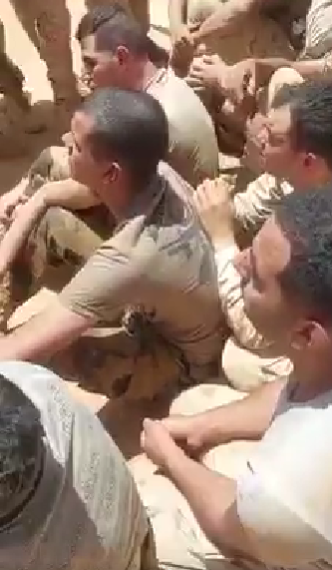
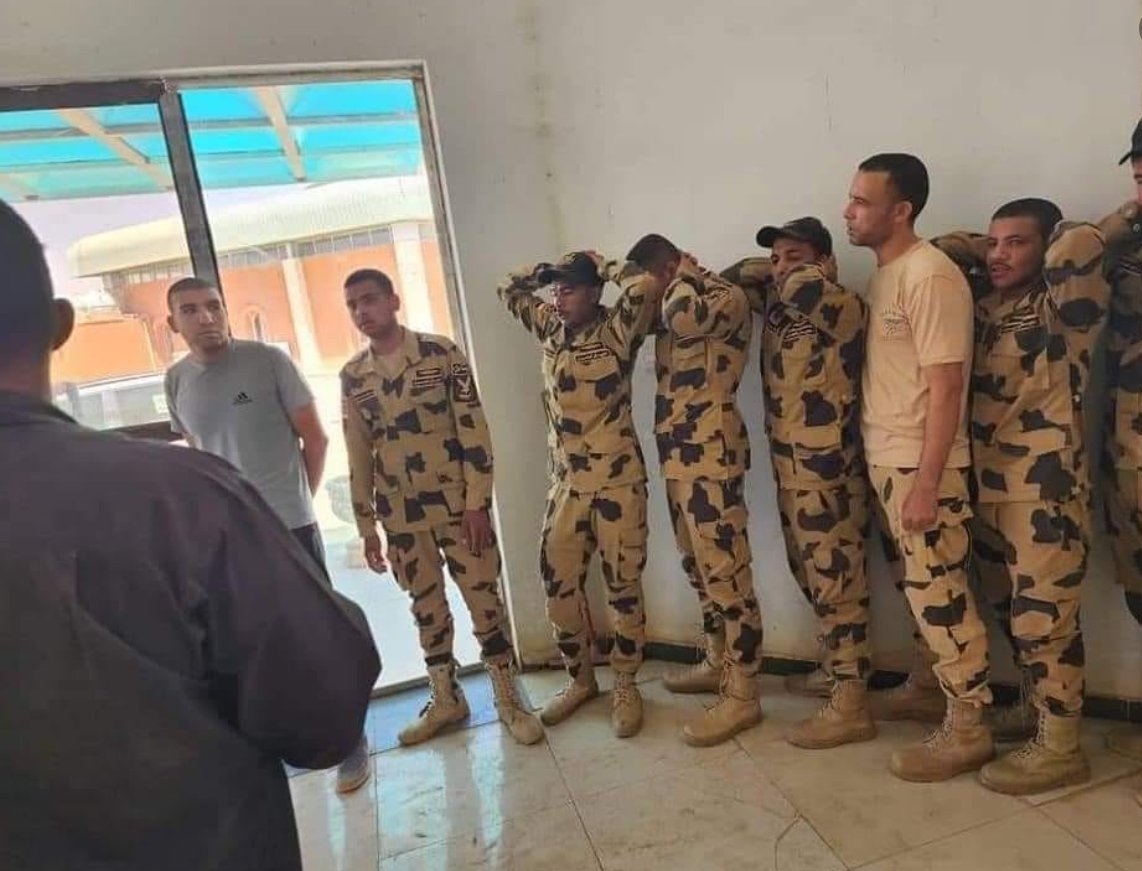
Breaking: The Rapid Support Forces in #Sudan, led by General Mohamed Hamdan Dagalo, have detained #Egyptian officers and soldiers in Marawi, north of Khartoum. These forces were stationed to support General Abdel Fattah al-Burhan, the leader of Sudan's army. Egypt vehemently opposes the power transfer from Sudan's military to a civilian government.