Existing restrictions on junk food marketing generally ignore brand-only ads and placements (e.g. sponsorship). Why? It's hard to define which brands are healthy/unhealthy. Our latest paper presents a rigorous method to define brands in regulatory design! https://t.co/6gSHPqrY30
Great piece by my colleague and friend Victoria Egli. Time to follow the UK's example and start banning junk food ads (and sponsorship too!) https://t.co/0N4a5kuRV1
The new NZ school lunch programme model "puts principals in the outrageous position of having to choose between using operational funds to provide an education, or using the same funds to feed students so they can learn." https://t.co/jkdjoCl4os
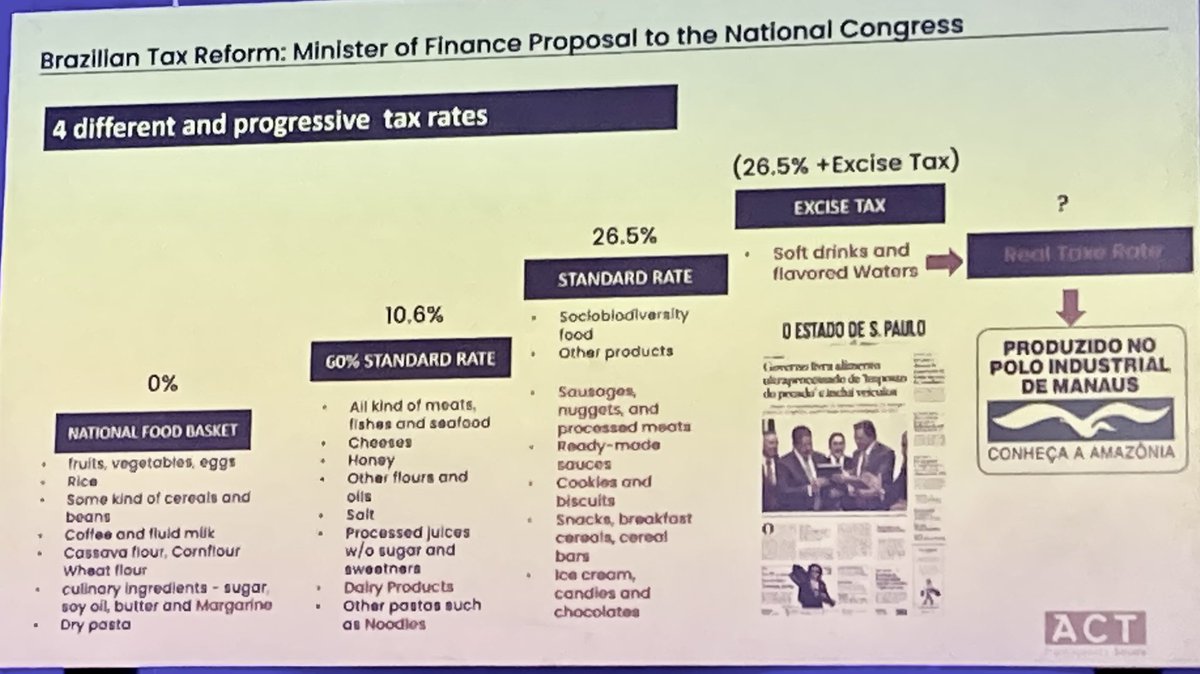
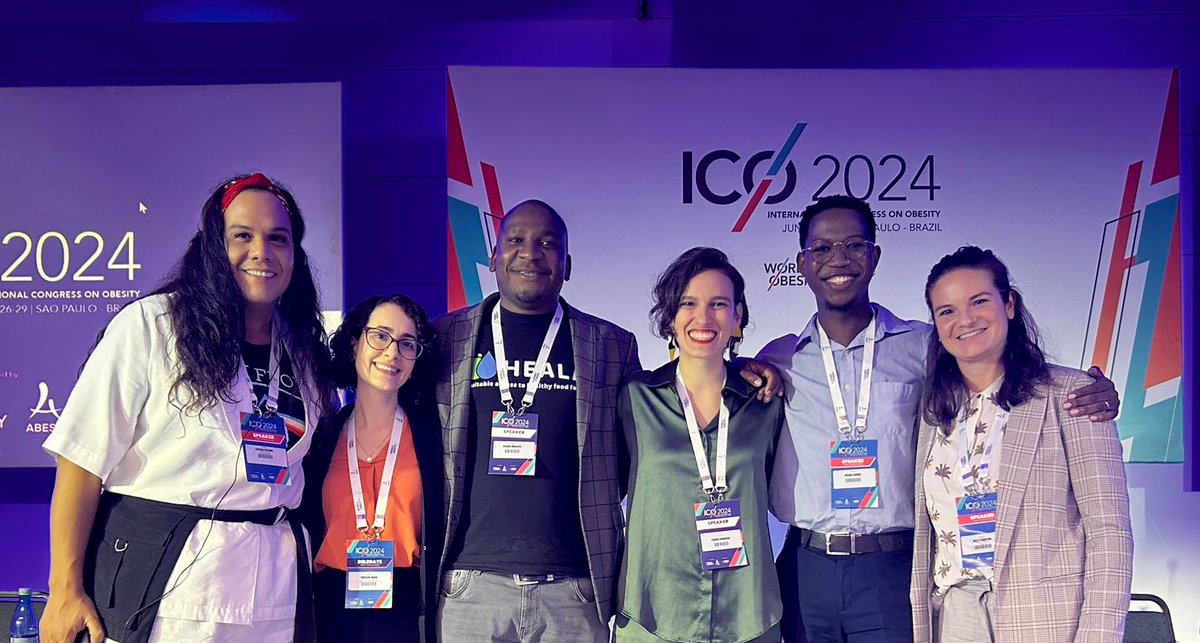
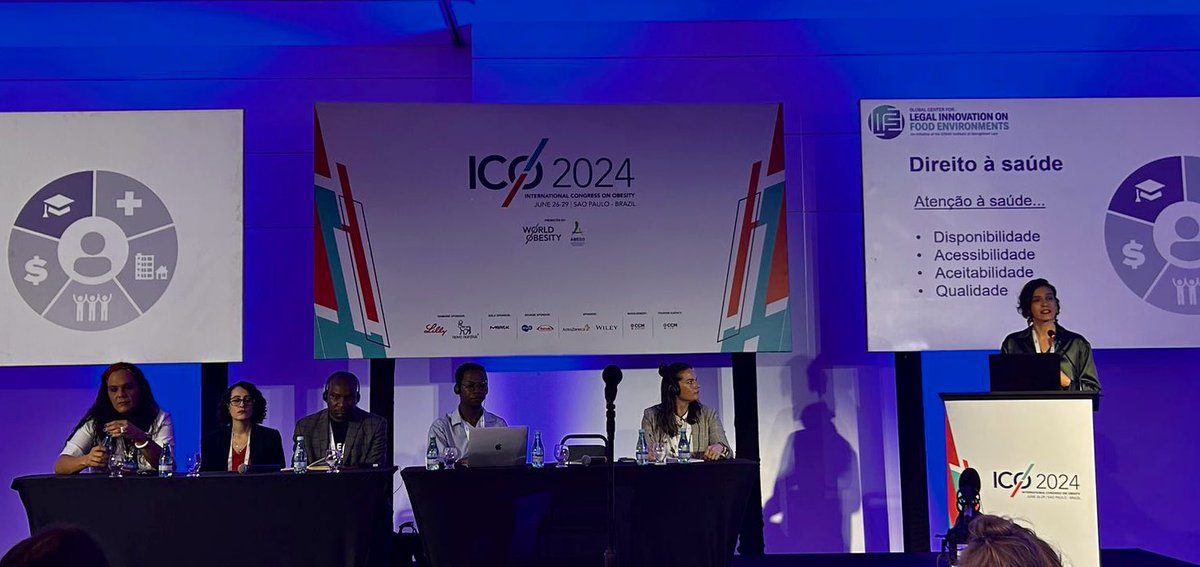
Marilia Sobral Albiero on proposed fiscal reform in Brazil: Removing market-distorting subsidies behind #UPF, increasing excise tax on harmful foods, removing taxes + subsidising core healthy & sustainable foods is PROGRESSIVE, contrary to what industry claims #ICO2024@FMHS_UoA
The challenge of making dietary changes - it is hard because we are trapped within the food system we have allowed to over-exploit human vulnerabilities
High school students in Brazil eating 5 healthy school meals/week in the National School Food Programme had 11% lower prevalence overweight and 24% lower prevalence of obesity. #ICO2024
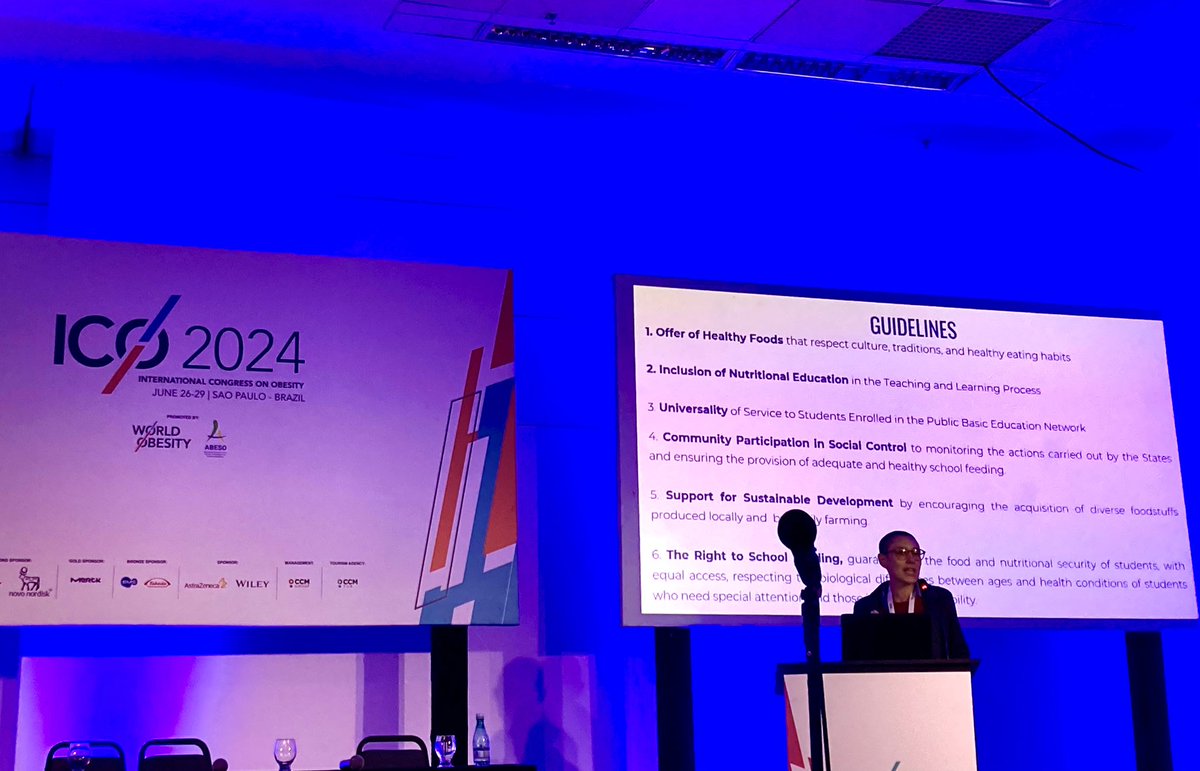
At #ICO2024 hearing about the world leading Brazilian National School Feeding Programme. Serving all students in 100% of public schools at all levels, healthy, fresh whole foods & prioritising local farmers. INVESTING 4 billion BRA /year in healthy kids and food system!
How will the new government model for lunches which involves bulk purchasing and supplying from a central location be able to provide fresh sandwiches and fruit around the country? Packaged food is more likely https://t.co/7QxdZz8iUS
The Government has sunk to a new low with today’s announcement that they will replace high quality nutritious lunches with largely processed snack foods for Intermediate and High School students, as families continue to struggle with food insecurity.
https://t.co/mseXMm2nsL
Our summary of evidence on the benefits of free healthy school lunches. We need to look long term and avoid a narrow definition of cost benefit. https://t.co/wzSGcBOR0x
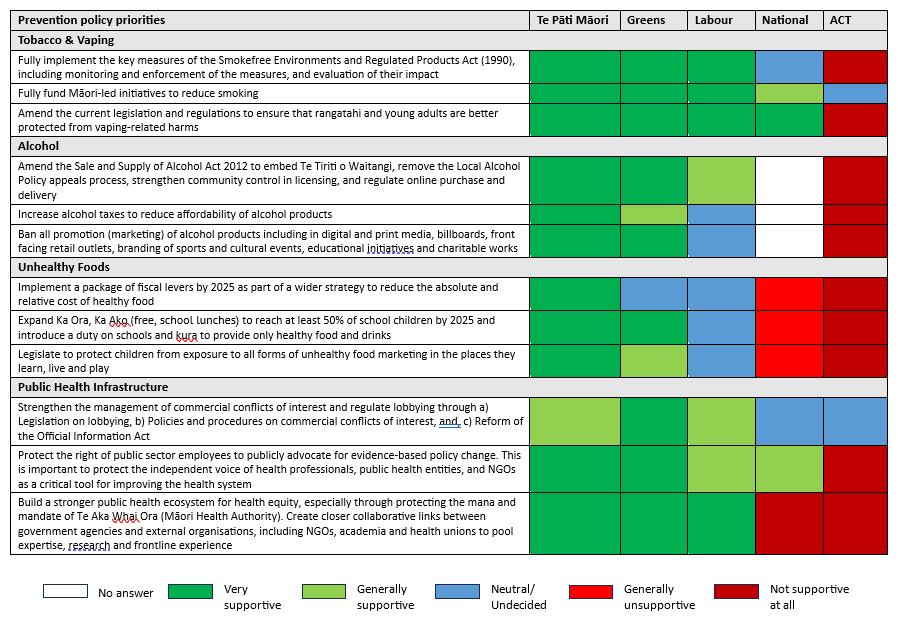
It's funny how evidence-based, expert-agreed policy priorities for prevention create such a wide spectrum of support/non-support depending on political ideologies. Findings from @HealthCoA survey of political parties. @PHCCAotearoa https://t.co/AonP42OcEa
"@LisaTeMorenga also made another important point. A more widely available programme should be combined with devolving the delivery of meals to local communities"
Ngā mihi @Tutanekai_Rob for highlighting the practical benefits of healthy school lunches.
https://t.co/B9LH1mWQ5Y
Biggest challenge of living crisis is the cost of healthy food - strong support for doubling the free, healthy school lunch program Ka Ora, Ka Ako: Healthy lunch plan falls short https://t.co/dVvs12Z7y0
New Zealand's Ka Ora, Ka Ako | Healthy School Lunch Programme is the largest investment in child nutrition in generations, but only reaches 1/4 of schools. Many kids still go hungry. Sign the petition to scale up the initiative to 50%! https://t.co/9z5HybUYDH
Excellent to see this @radionz series exposing the harms of unregulated lobbying- it creates deadly inaction on junk food and alcohol policies: Lobbying firms earning hundreds of thousands from contracts with government agencies | RNZ News https://t.co/7uXlfKXwrp