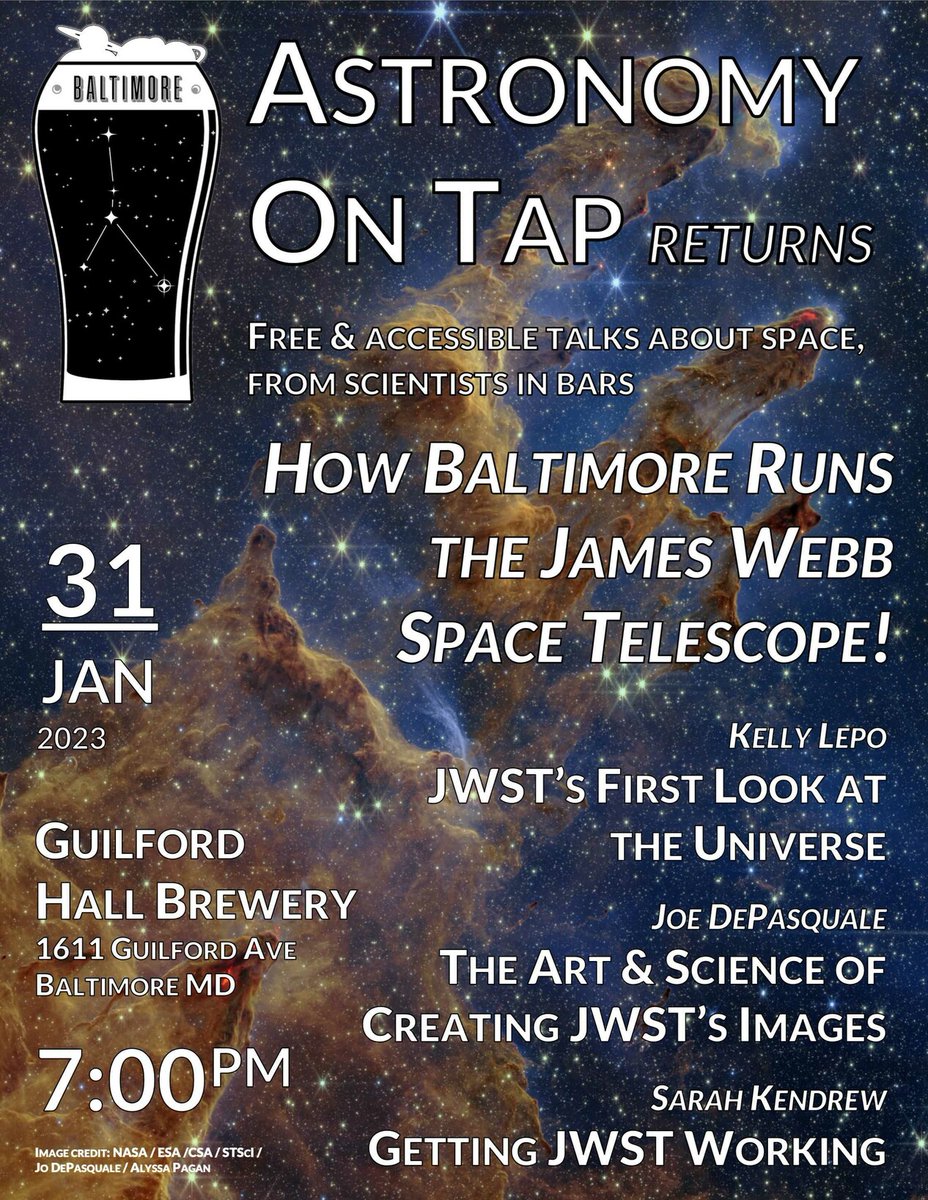
Tonight! Join me at Astronomy on Tap Baltimore, 7:00 pm at Guilford Hall Brewery.
I'll talk about the tsunami of JWST science results that have come out in the last few months. Plus other talks about the launch of JWST and… https://t.co/ZiXHq01kX2
JWST also observed the sunlight reflected by the asteroid and its rings. By spreading out this light, we see a spectrum of the system showing three absorption bands of water ice.
This spectrum reveals the clear signature of crystalline ice for the first… https://t.co/JeVKvntM3b
Things that have rings in the solar system: Saturn, Jupiter, Uranus, Neptune … and Chariklo? Chariklo is an asteroid that orbits between Saturn and Uranus.
In 2013, scientists observed it with several telescopes as it passed in front of a star… https://t.co/PlX7sFi38b
This video shows the star (fixed in the center of the video) as Chariklo passes in front of it. The video is composed of individual observations with Webb’s Near-infrared Camera Instrument at 1.5 microns wavelength (F150W) obtained over ~1 hour on Oct. 18, 2022.
3/
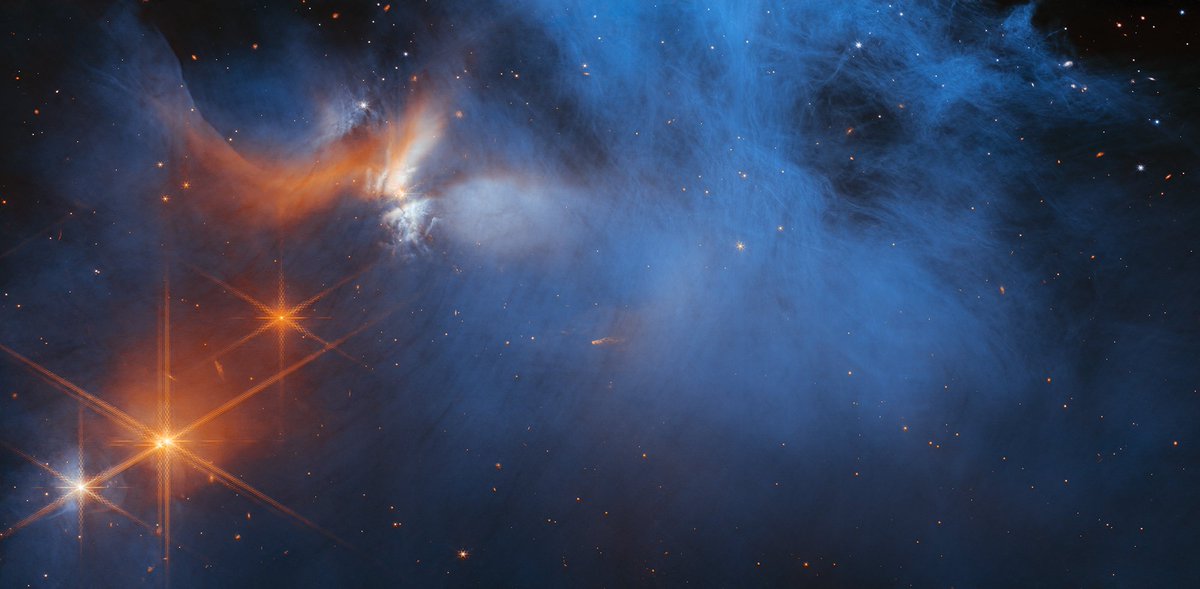
Surprisingly not a still from a sci-fi movie, this new #JWST image shows us the central portion of the star-forming Chamaeleon I molecular cloud.
The cold, wispy cloud material (blue, center) is illuminated in the infrared by the glow of the young,… https://t.co/MevcT3J763
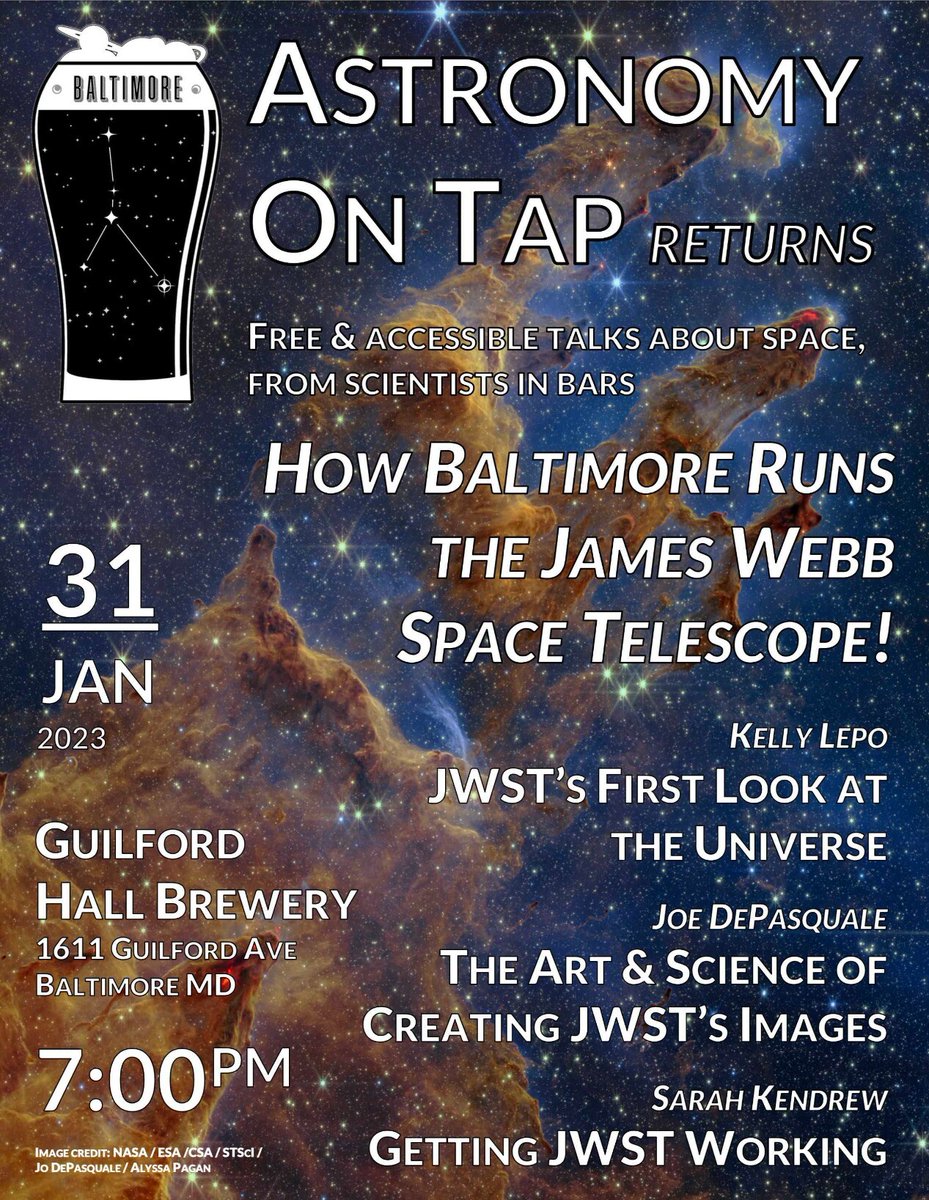
One week from today! I'll be speaking at Astronomy on Tap Baltimore, Tuesday Jan 31st, 7:00 pm at Guilford Hall Brewery.
Come hear free, accessible, and fun talks from the people in Baltimore who work behind the… https://t.co/oDFWDw4jPU
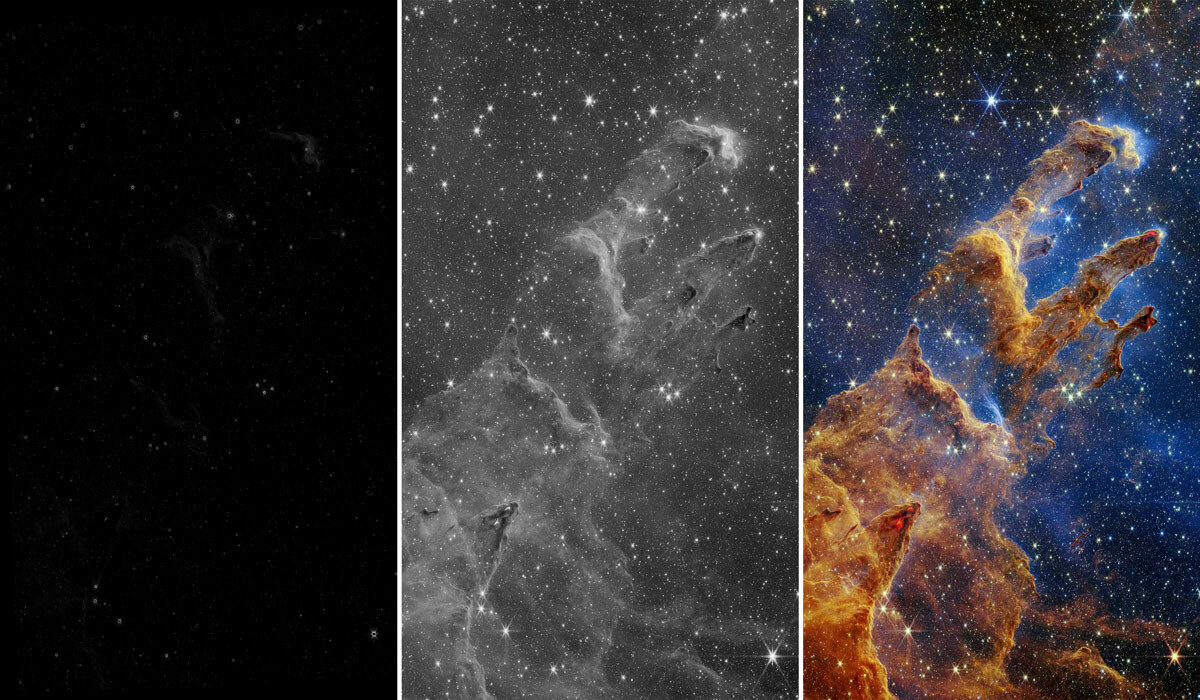
It turns out that while #JWST is sort of like your phone’s camera, making images with a 10 billion dollar telescope designed for science observations is a little more tricky than point and shoot.
More about the image processing process: … https://t.co/HNXax11AxF
6) Why did the star go to the doctor? It was feeling a little burnt out.
7) Why was the solar system so good at sports? Because it had all the planets in orbit.
8) What do you call a pile of stars? A galaxy.
9) Why did the space ship… https://t.co/HmQI0JTr8K
I have to send out a boring reporting email once a month for work. I like to include a joke to give people a reason to open it. I'm running out of jokes, so I asked #chatGPT to write some astronomy jokes for me. Here are the actual results. I will not be replaced anytime soon:
1/
1) Why did the astronaut break up with his girlfriend? Because he needed his space.
2) How do you organize a space party? You planet.
3) Why was the astronomer sad? Because he saw too many uninteresting galaxies.
4) How do you know if… https://t.co/WoH5qtv2pP
Overheard while getting coffee after #AAS241:
"You know that astronomy conference that was in town? I read an article that came out of the conference, saying we found galaxies way further than we thought. I just love thinking about how vast space is!"
Agreed.
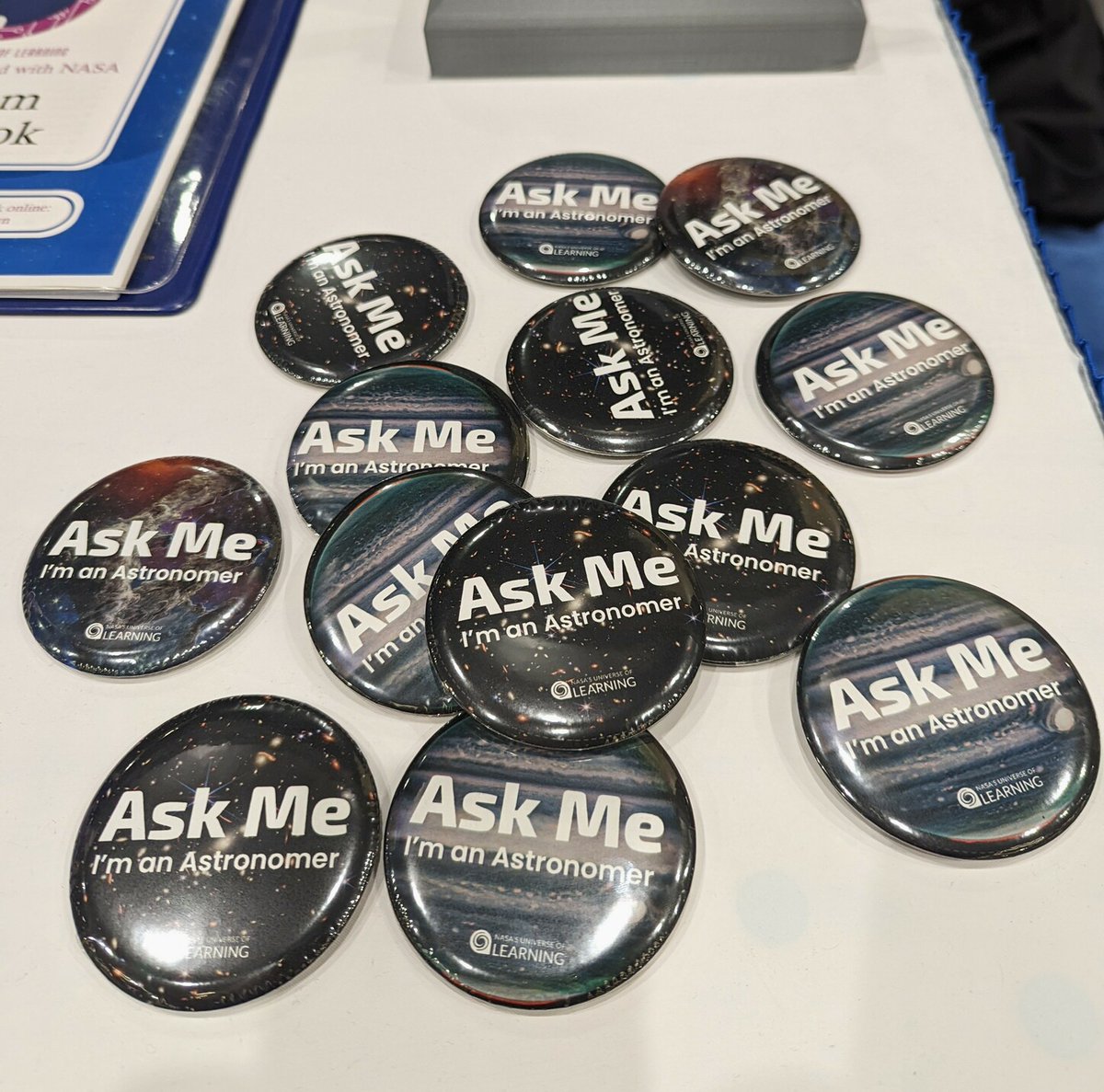
Hey folks at #AAS241! Last chance to stop by the Universe of Learning booth and pick up a limited edition "Ask Me: I'm an Astronomer" button when you sign up for our Subject Matter Expert database.
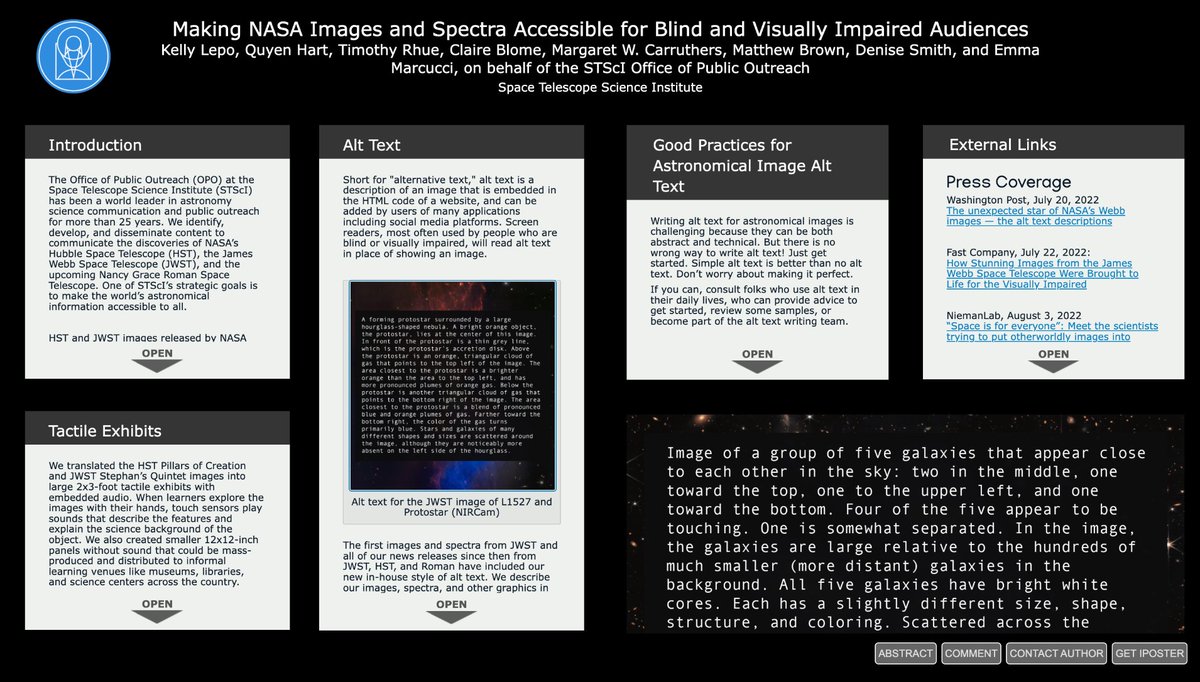
If you are at #AAS241, come say hi at the evening poster session 5:30 - 6:30 PM PT. I'll be presenting my iPoster 161.06:
Making NASA Images and Spectra Accessible for Blind and Visually Impaired Audiences
Let's chat about making astronomical images… https://t.co/PuAIA9H9Ej
Had a blast running the Engage with NASA’s Science Activation ProgramTools for using NASA Astrophysicsin Informal STEM Learning this morning at #AAS241.
If you missed the workshop, slides, and other resources are available here:… https://t.co/Wr9CV1fa9L
Heading off to Seattle for the American Astronomical Society conference #AAS241.
I'll be posting a lot about this conference over the next week or so, so mute me or this hashtag if you don't care 😸
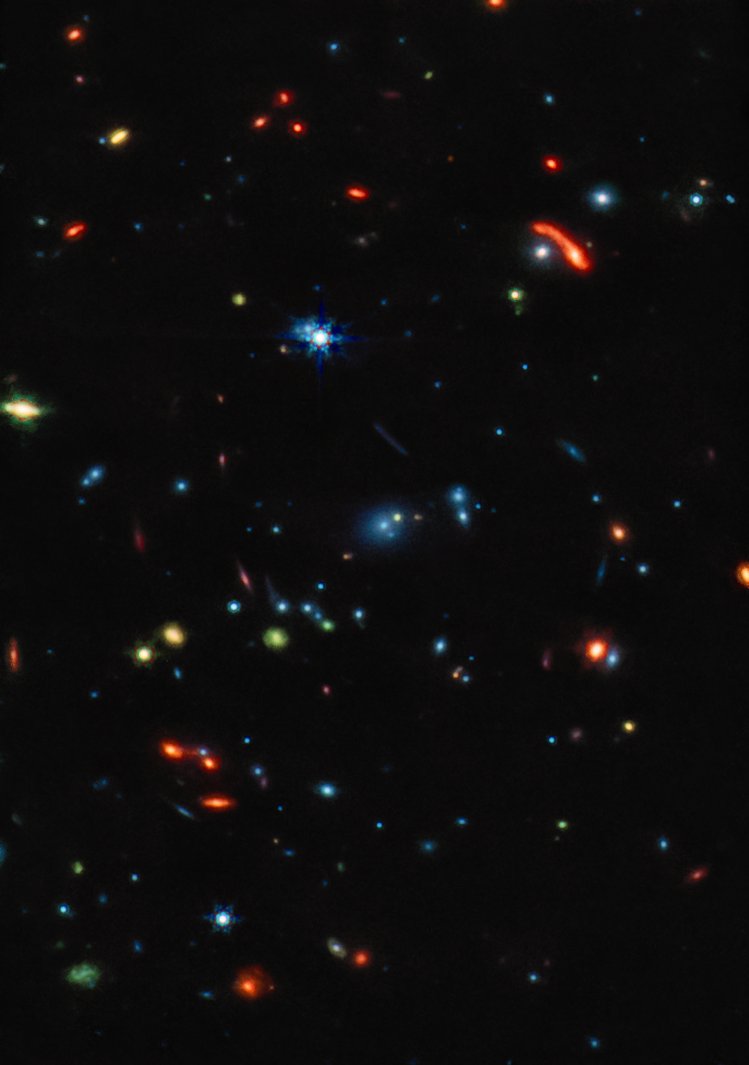
This might look like out-of-focus Christmas lights, but it's actually #JWST's first deep field, galaxy cluster SMACS 0723, in mid-infrared light.
It's not as splashy as the main press release image but does give us a view of the most… https://t.co/aCZHckaTv9
Here is a graph of the average temperatures in Montreal, Canada, in the Northern Hemisphere, Quito, Ecuador, which as the name suggests, is almost on the equator, and Melbourne, Australia, in the Southern Hemisphere.
You should notice a few… https://t.co/VZeJaq29xW