TransitID is out today in Cell! This is a proximity labeling method for unbiased discovery of endogenous proteins that traffick from a defined “source” location to a defined “destination” location. TransitID uses sequential labeling by TurboID in the source, followed by a chase period (minutes to hours) and then 1-minute APEX tagging in the destination compartment. Proteins tagged by both enzymes are enriched with streptavidin and anti-fluorescein antibody, and identified by mass spec.
We explore 4 intracellular and intercellular applications of TransitID:
- discovery of locally translated mitochondrial proteins (translated at OMM, then imported into mito matrix)
- mapping proteins whose cytoplasm-to-nucleus shuttling is dampened by stress
- discovery of proteins that transit between nucleolus & stress granules during stress & stress recovery
- analysis of proteins that traffic intercellularly bw tumor cells & macrophages
Work of amazingly talented co-first authors @WeiQinChemBio and @CheahJoleen, and collaborators Steve Carr @namude & Paul Taylor
https://t.co/yo4laOA14z
Of interest to #mitochondria and #plasmodium aficionados, a paper from Ian Lamb et al. @vaidyalab#PLOSONE: Mitochondrially targeted proximity biotinylation and proteomic analysis in Plasmodium falciparum https://t.co/1Lt1LQ9pc5
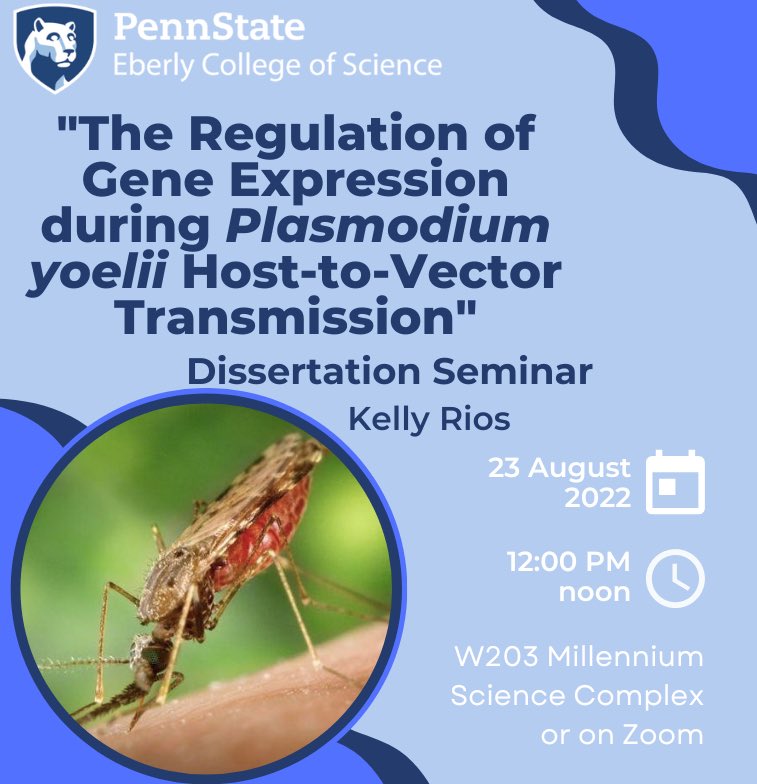
I am so excited, next week I will be defending my PhD dissertation!
I am happy to share the zoom link for the public seminar to anyone who would like to join on Tuesday Aug 23 at noon!
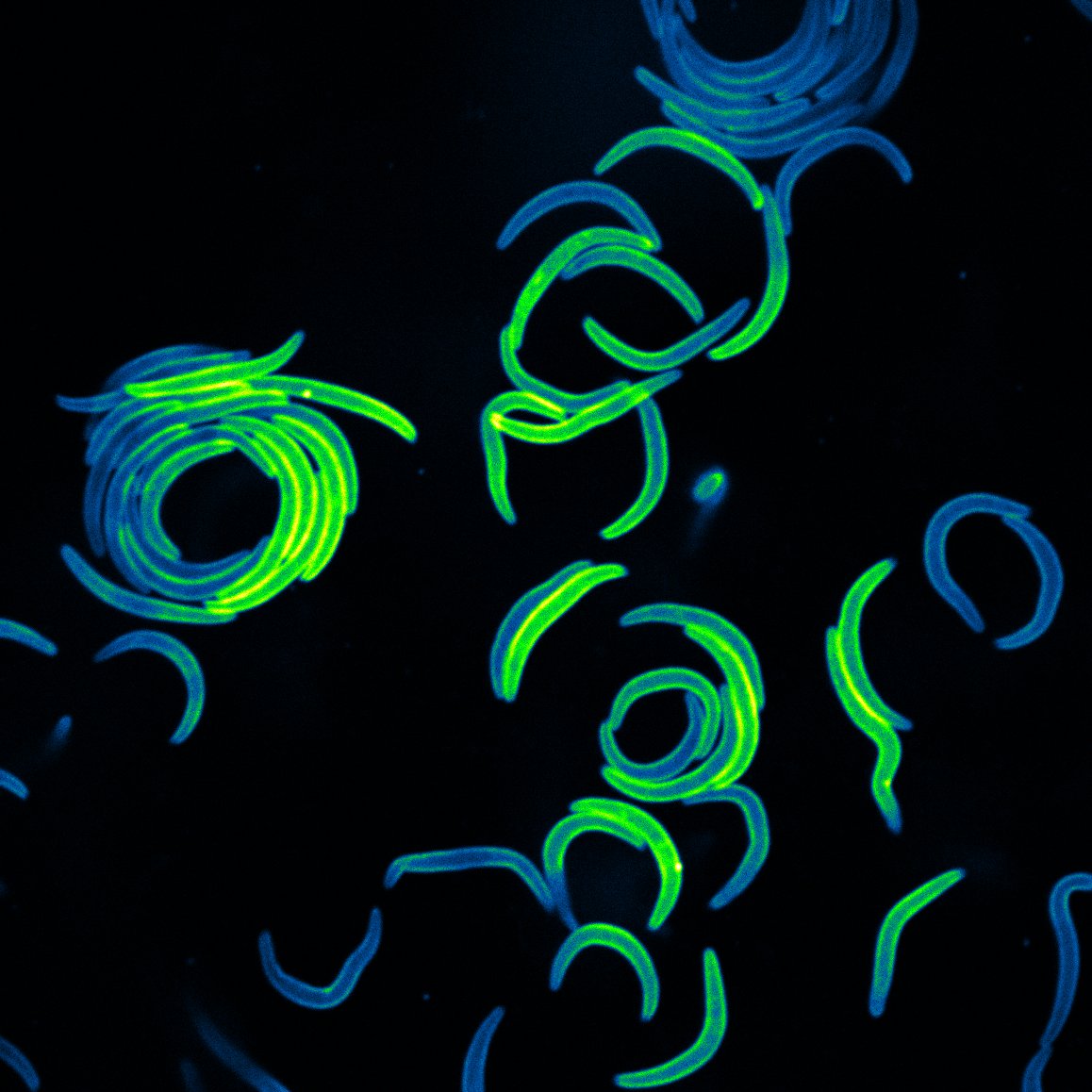
After extensive annotation and analysis our main analysis of TrypTag, the subcellular localisation of every trypanosome parasite protein, is up on biorXiv. https://t.co/FTrogkQGZM
This is particularly important for those of us who want to study transmissible gametocytes, and other means to enrich for sexual blood stage populations should be considered.
My first first-author research article from my PhD with @LindnerLab is now online! 🥳
https://t.co/FMZafHN5v2
Us rodent malaria researchers routinely use sulfadiazine to select for sexual blood stage parasites in the host, but we asked if this drug exposure affects transmission.
Turns out, sulfa exposure in the rodent host or the mosquito vector limits mosquito stage development in vivo!
And the effects of sulfadiazine exposure are reversible, as washing out the drug allows for fertilization and ookinete development in vitro.
Check it now in @mSphereJ
Happy to complete our trilogy on #malaria#parasites@EMBOPress on #Plasmodium sporozoites. After FORMATION in 2019, MIGRATION in 2021, it now is DISINTEGRATION. Breakup of sporozoites during skin passage limits transmission | EMBO reports https://t.co/Jp0SNK647u