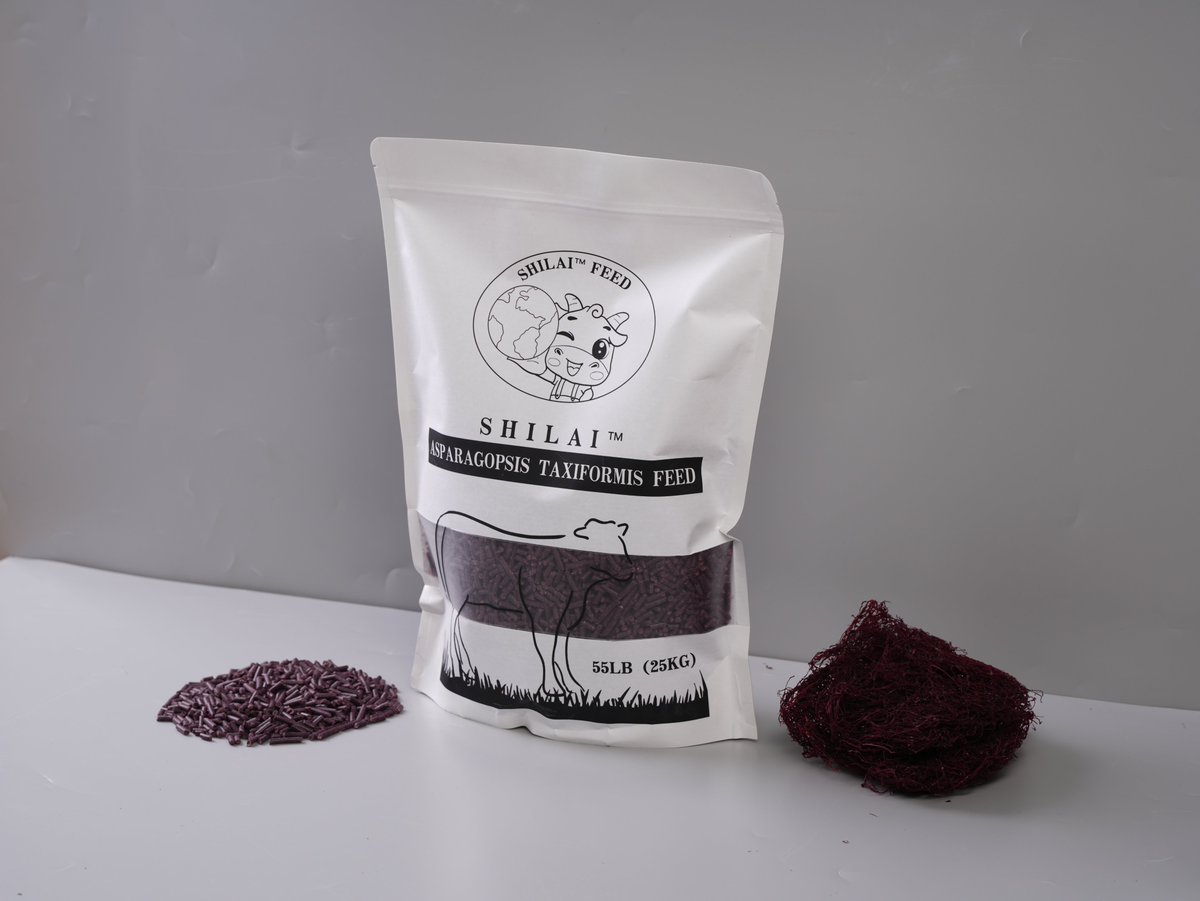
We are on a mission to solve the global climate impact of cattle by working with feed companies to radically scale the production and use of our feed ingredient
ShiLai™ Healthcare
Next-Generation Peptide Manufacturing & Global Distribution Partnerships
Innovative OEM/ODM Solutions • Compliance-Driven Production • Private Label Support • Worldwide Distribution Opportunities
ShiLai™ Healthcare is a trusted manufacturer specializing in advanced peptide formulations, nasal sprays, wellness products, and private-label solutions. We provide comprehensive support from product development and manufacturing to branding and regulatory documentation.
We are actively expanding our global distributor network and seeking strategic partners in Europe, North America, the Middle East, Asia, and other key markets.
Why partner with ShiLai™ Healthcare?
* GMP-compliant manufacturing standards
* OEM/ODM and private-label customization
* Stable supply chain and scalable production capacity
* Technical and regulatory support
* Marketing materials and distributor assistance
* Customer lead referrals and business development support
We regularly receive inquiries from international customers and prefer working with qualified local distributors who can provide professional service in their markets. Partners with established websites, sales channels, or regional networks may benefit from lead-sharing opportunities and long-term cooperation programs.
Join the ShiLai™ Healthcare Global Distributor Network and grow with us.
🌱 Unlock Carbon Credits with ShiLai™ Asparagopsis taxiformis Feed
Attention Dairy Companies, Feed Suppliers, and Farm Owners!
ShiLai™ is proud to introduce an exclusive Carbon Credit Partnership Program — designed to reward farms that adopt our premium Asparagopsis taxiformis feed with verified carbon credits.
How It Works
1️⃣ Initial Purchase & Trial
Purchase ShiLai™ Asparagopsis feed in quantities sufficient to cover 300,000 cows (or equivalent).
Implement the feed for 3 months from the first delivery.
2️⃣ Free Feed Supply
After the verified 3-month trial, ShiLai™ will provide free feed for continued use.
Participation requires a signed agreement between both parties.
3️⃣ Carbon Credit Exchange & Joint Venture
Together, we establish a joint venture to manage the farm’s verified carbon credits.
In exchange for verified carbon credits, ShiLai™ continues supplying feed at no cost.
Why Join the Program?
✅ Reduce Costs: Free high-quality Asparagopsis feed after initial commitment.
✅ Generate Revenue: Monetize carbon credits from methane reduction.
✅ Lead in Sustainability: Be a pioneer in climate-smart livestock management.
✅ Expert Support: Guidance from ShiLai™ on feed integration and emission monitoring.
Get Started
🌐 Learn more and express your interest: https://t.co/eFiodg3w7S
📲 Contact us directly via WhatsApp: +86 195 5056 5577
Let’s work together to cut methane, earn carbon credits, and create sustainable value for your farm!
#ShiLai #AsparagopsisTaxiformis #MethaneReduction #CarbonCredits #SustainableFarming #ClimateAction #DairyInnovation #NetZeroAg
Is Asparagopsis Feed Additive Approved in the EU?
As of today, Asparagopsis taxiformis is not yet fully approved for commercial livestock feed use across the entire European Union, but regulatory reviews and pilot authorisations are underway in several member states.
This red seaweed, known for reducing methane emissions in cattle by up to 80%, is attracting strong interest from EU regulators, farmers, and feed companies. However, like all novel feed materials, Asparagopsis must undergo rigorous safety and efficacy evaluations before it can be sold at scale.
Why EU approval matters
The EU operates under one of the most stringent feed additive regulatory systems in the world. For a new ingredient like Asparagopsis taxiformis to be legally marketed, it must be authorised under Regulation (EC) No 1831/2003. Approval ensures that the product is safe for:
Animal health — No harmful impacts on digestion, reproduction, or productivity.
Human health — No harmful residues in milk, meat, or other animal products.
The environment — No negative impacts on ecosystems during cultivation or manure management.
Current EU status
At present, Asparagopsis taxiformis is under review by the European Food Safety Authority (EFSA). Several companies, including ShiLai™, have submitted data packages covering:
Identification and standardisation of active compounds (such as bromoform)
Toxicological assessments
Residue testing in milk and meat
Environmental impact reports
Some member states, like the Netherlands and Denmark, have allowed controlled research trials under temporary authorisations, but full market approval is still pending an EFSA opinion and European Commission decision.
Key regulatory challenges
Several factors contribute to the lengthy approval process:
Novel feed classification — Asparagopsis is considered a “new” additive with no prior history of EU use.
Bromoform regulation — While effective for methane reduction, bromoform levels must be tightly controlled to avoid environmental release or health risks.
Standardisation requirements — Producers must prove that every batch meets consistent quality and safety parameters.
Timeline and outlook
Industry insiders anticipate that EFSA’s full opinion could be issued within the next 18–24 months, followed by Commission-level authorisation. If approved, the EU is expected to require strict labelling, maximum inclusion rates, and batch traceability.
For companies like ShiLai™, preparing for EU entry means aligning production, quality assurance, and documentation with these future compliance rules now—so they can move quickly once the market opens.
What this means for feed companies
If you are a feed manufacturer or dairy producer in the EU, now is the time to:
Monitor EFSA updates on the Asparagopsis taxiformis application.
Engage in research collaborations to gain early technical expertise.
Evaluate supply partners who already meet GMP+ and HACCP standards.
The first companies to integrate Asparagopsis into EU-approved feed formulations will have a competitive edge in the emerging low-methane livestock market.
Learn more about ShiLai™’s scientifically proven Asparagopsis taxiformis feed additive and how it can support your sustainability goals. Visit https://t.co/oHYyB3Zyz9 for details and partnership opportunities.
How ShiLai™ Achieved Industrial-Scale Asparagopsis Production
Asparagopsis taxiformis has quickly gained recognition as a powerful natural tool for reducing methane emissions in cattle. But turning this promising seaweed into a viable feed ingredient at industrial scale requires solving one of the most complex biological and engineering puzzles in modern aquaculture. ShiLai™, a climate-focused feed innovation company, is among the few globally to have successfully industrialized Asparagopsis cultivation—and they did so through a rigorous, science-driven approach over four years.
Why is scaling Asparagopsis so difficult?
Unlike more robust seaweeds like kelp, Asparagopsis taxiformis presents unique challenges. It has a complex biphasic life cycle (alternating between gametophyte and tetrasporophyte stages), is extremely sensitive to changes in water chemistry and temperature, and must be cultivated in highly controlled environments to maintain its methane-reducing bioactives, particularly bromoform.
Commercial-scale cultivation must ensure consistent propagation, stable bromoform levels, and protection from contamination. This requires innovation not only in marine biology but also in systems engineering, bioreactor design, and quality control.
ShiLai™’s step-by-step technical strategy
ShiLai™ began with intensive strain selection to identify naturally high-bromoform varieties that could be reliably propagated. They then moved into pilot-scale trials, investing in the development of proprietary land-based photobioreactors and closed-loop seawater systems. These systems allowed them to control nutrient concentrations, salinity, and light exposure with great precision.
At full scale, ShiLai™ introduced automated nutrient dosing, photoperiod control, and a low-temperature drying protocol that preserves the bromoform content of harvested biomass. These systems now support consistent harvest cycles every 12 to 15 days—a remarkable achievement in marine agriculture.
A breakthrough in photoperiod manipulation
One of ShiLai™’s most significant breakthroughs came from learning how to simulate tidal and seasonal light patterns inside their photobioreactors. By carefully modulating light intensity and duration, they were able to induce reproductive phases in the seaweed at will. This innovation gave them control over the timing of sporulation and led to predictable yields with reliable bromoform levels.
This technological leap not only improved production efficiency but also addressed one of the primary concerns from feed regulators: product consistency. With bromoform concentration variation controlled within ±10%, ShiLai™ met the quality standards required for international trials and certifications.
Meeting global safety and quality standards
To ensure regulatory compliance and customer confidence, ShiLai™ built their cultivation and processing systems under GMP+ and HACCP frameworks. Every batch of Asparagopsis powder is traceable, tested for heavy metals and pathogens, and certified for use in ruminant feed trials across Australia, North America, Europe, and Asia.
Their dried product is now in use across several market applications, including large-scale feedlot programs in Australia, dairy cow methane trials in the EU, and premium low-carbon beef programs in Asia.
What comes next?
ShiLai™ is currently expanding its production capacity by deploying modular bioreactor systems across Southeast Asia, a region offering ideal coastal conditions and infrastructure for seaweed cultivation. At the same time, the company is actively pursuing regulatory submissions in the EU and exploring carbon offset partnerships based on verified methane reductions.
Ongoing research collaborations with universities and livestock institutes are exploring new applications of Asparagopsis—ranging from microbiome modulation to long-term productivity impacts and lifecycle assessments.
ShiLai™'s approach demonstrates that with the right blend of biology, engineering, and regulatory foresight, even the most fragile marine organisms can become a powerful force in climate-smart agriculture.
Learn more about ShiLai™’s scientifically proven Asparagopsis taxiformis feed additive and how it can support your sustainability goals. Visit https://t.co/oHYyB3Zyz9 for details and partnership opportunities.
Is Asparagopsis Feed Additive Approved in the EU?
The European Union has some of the most stringent regulatory frameworks in the world when it comes to feed additives. As the livestock sector intensifies its focus on sustainability and emissions reduction, feed additives like Asparagopsis taxiformis — known for its ability to cut enteric methane emissions by up to 90% — are increasingly under the spotlight. But is it approved for use in the EU? Here’s where things stand.
What is the current regulatory status of Asparagopsis in the EU?
As of July 2025, Asparagopsis taxiformis is not yet fully authorized as a feed additive in the European Union. It remains under scientific evaluation by the European Food Safety Authority (EFSA), which is assessing its efficacy, safety (for animals, humans, and the environment), and potential residues in food products.
In June 2024, the first formal application dossier for Asparagopsis-based additives was submitted to EFSA by a consortium of European and Australian companies, including several producers of red seaweed products. This triggered a multi-stage evaluation process, typical for novel additives under Regulation (EC) No 1831/2003.
What’s holding back immediate approval?
Several factors contribute to the delay in EU approval:
Lack of long-term safety data: While short-term trials have shown promising methane reductions, EFSA requires robust data on animal health impacts over longer periods.
Bromoform residue concerns: The key bioactive in Asparagopsis, bromoform, is effective but potentially harmful if not controlled. EFSA is conducting toxicological reviews on carry-over into milk and meat.
Production standardization: EFSA expects consistency in biomass quality, cultivation methods, and bromoform levels across batches — a challenge in seaweed aquaculture.
Until EFSA issues a positive opinion and the European Commission adds Asparagopsis to the Community Register of feed additives, commercial use in cattle feed remains unauthorized in most member states.
Are there any legal pathways for experimental use?
Yes — EU member states may allow experimental trials under controlled settings through national derogations or research exemptions. For instance, Germany and Denmark have permitted limited pilot studies involving Asparagopsis-enriched feeds under academic and institutional supervision.
Such trials are crucial for generating the safety and efficacy data EFSA requires. However, they do not equate to market approval.
What does this mean for producers and feed companies?
If you’re a European feed manufacturer or livestock integrator considering methane-reducing strategies, here’s what you should keep in mind:
Stay informed on EFSA assessments. A positive opinion could lead to full authorization as early as 2026.
Collaborate on trials. Joining or initiating research projects may position your company ahead of the curve once Asparagopsis is approved.
Ensure traceability. When the additive is authorized, compliance with bromoform limits, GMP standards, and traceability requirements will be key for market access.
Global contrast — where is Asparagopsis already approved?
While the EU lags behind, Australia and New Zealand have already granted approvals for commercial use in beef and dairy production. The United States granted GRAS (Generally Recognized As Safe) status for a purified form of Asparagopsis taxiformis in 2023, opening the door for use in some feed markets.
This regulatory divergence may offer early-mover advantages for non-EU producers, but it also places pressure on EU policymakers to act in line with climate and agricultural targets.
Learn more about ShiLai™’s scientifically proven Asparagopsis taxiformis feed additive and how it can support your sustainability goals. Visit https://t.co/oHYyB3Zyz9 for details and partnership opportunities.
How Does Asparagopsis Reduce Methane in Cows?
Asparagopsis taxiformis reduces methane emissions in ruminants by interrupting methanogenesis—a key microbial process in the rumen—through the action of bromoform, a natural compound found in this red seaweed.
The Rumen: Where Methane Begins
Methane in cattle is a byproduct of enteric fermentation. Inside the cow’s rumen, a community of microbes digests fibrous material, producing hydrogen (H₂) and carbon dioxide (CO₂). Methanogenic archaea—ancient microbes—consume these gases and convert them into methane (CH₄), which the animal releases via belching.
This process is:
Energetically wasteful for the animal (up to 12% of gross energy lost)
Environmentally harmful, contributing to global greenhouse gas emissions
A major target for climate-smart feed interventions
How Asparagopsis Disrupts Methane Production
The core mechanism lies in bromoform (CHBr₃), a naturally occurring compound in Asparagopsis.
🧬 Bromoform blocks methanogenesis
Specifically, bromoform inhibits methyl-coenzyme M reductase (MCR), the final enzyme responsible for methane formation in methanogenic archaea.
Without MCR function:
Methane synthesis stops
Hydrogen is rerouted toward other fermentation pathways (e.g., propionate)
The microbial balance in the rumen remains largely unaffected
This makes Asparagopsis a selective, non-antibiotic tool to suppress methane while preserving rumen health.
How Effective Is It?
Multiple peer-reviewed trials (CSIRO, UC Davis, Wageningen University) confirm:
30–80% methane reduction, depending on dose and delivery
No significant change in feed intake, milk yield, or weight gain
In some cases, improved feed efficiency as less energy is lost as gas
Safe residue levels when used at recommended inclusion rates (0.2–0.5% of DMI)
ShiLai™ has standardized these findings into a commercial product with consistent bromoform content and documented performance in feedlot and dairy systems.
Does It Affect the Animal?
Studies show:
No adverse effects on animal health
No measurable impact on meat or milk quality
No accumulation of harmful residues when dosing is controlled
What it does offer is a biological efficiency gain: redirecting rumen energy away from wasteful gas and toward growth or production.
Implications for Feed Strategy
For formulators, integrators, and feed manufacturers, Asparagopsis represents:
A low-inclusion, high-impact additive
A tool for carbon accounting and ESG reporting
Compatibility with TMR, pelleting, and loose mixing
A gateway to climate-labeled meat and dairy
It’s not just a methane solution—it’s a feed innovation with market and policy alignment.
Final Thoughts
Asparagopsis taxiformis changes the microbiological landscape of ruminant digestion without disrupting the system. Through a precise and natural mechanism, it delivers methane reduction at a scale the industry can use—now.
Understanding the science is the first step. Applying it in feed is the future.
Learn more about ShiLai™’s scientifically proven Asparagopsis taxiformis feed additive and how it can support your sustainability goals.
Visit https://t.co/oHYyB3Zyz9 for details and partnership opportunities.
#AsparagopsisTaxiformis #MethaneReduction #RumenMicrobiology #SeaweedFeedAdditive #BromoformMechanism #SustainableLivestock #FeedScience #RuminantNutrition #ClimateSmartFeed #ShiLaiAsparagopsis
How ShiLai™ Achieved Industrial-Scale Seaweed Production
ShiLai™ is one of the first companies in the world to successfully scale the production of Asparagopsis taxiformis for commercial feed applications—bridging the gap between research promise and global climate action.
From Scientific Potential to Commercial Reality
For years, Asparagopsis taxiformis was trapped in a paradox: widely proven in labs to cut livestock methane, yet rarely available in formats or volumes usable by feed mills.
ShiLai™ set out to change that. By focusing on scalable aquaculture, stabilized bioactive compounds, and feed-grade product design, ShiLai™ transitioned Asparagopsis from research pilot to industrial partner.
What Makes Industrial-Scale Seaweed Production Difficult?
Growing and stabilizing Asparagopsis taxiformis at scale isn’t like cultivating other seaweeds. Key challenges include:
Maintaining high bromoform levels through the entire growth and post-harvest cycle
Preventing degradation during drying, milling, and storage
Complying with strict feed safety standards (e.g., residue testing, traceability)
Designing formats that fit into existing feed production systems
ShiLai™ addressed each of these pain points with targeted innovation.
ShiLai™'s Technical Innovations
🌱 Controlled Land-Based Cultivation
Unlike ocean-only systems, ShiLai™ uses optimized onshore tanks to ensure:
Year-round production
Stable nutrient input
Consistent biomass yield and quality
This system ensures predictable bromoform content and removes reliance on ocean seasonality.
❄️ Cold-Stabilized Processing
After harvest, Asparagopsis is dried at low temperatures to protect volatile bioactives.
ShiLai™ developed proprietary drying and milling methods that retain bromoform integrity without chemical preservatives.
📦 Feed-Compatible Formats
ShiLai™ offers:
Fine powder for TMR and premix
Shelf-stable micro-inclusion batches (0.2–0.5% DM inclusion)
Custom solutions for university trials and formulation R&D
Building a Global Supply Platform
With production rooted in the Asia-Pacific and logistics spanning to Europe, North America, and Oceania, ShiLai™ enables:
Flexible shipping volumes from pilot-scale to metric tons
Documentation-ready lots for compliance bodies (EFSA, FDA)
Direct partnerships with feed mills, nutrition teams, and climate science labs
ShiLai™ also collaborates with universities on methane trials and product optimization.
Why This Matters Now
As pressure mounts to decarbonize agriculture, methane reduction is moving from optional to essential. Industrial feed manufacturers need:
Additives with real climate impact
Ingredients that are supply-chain ready
Partners who can scale and support trials, rollouts, and reporting
ShiLai™ is already working with commercial partners to integrate Asparagopsis into livestock supply chains around the world.
Final Thoughts
Turning a seaweed into a climate tool requires more than biology—it takes engineering, scale, and vision. ShiLai™ has delivered all three, helping Asparagopsis taxiformis become the world's leading natural methane-reducing feed additive.
Learn more about ShiLai™’s scientifically proven Asparagopsis taxiformis feed additive and how it can support your sustainability goals.
Visit https://t.co/oHYyB3Zyz9 for details and partnership opportunities.
#ShiLaiAsparagopsis #AsparagopsisTaxiformis #SeaweedProduction #MethaneReduction #SustainableFeedSolutions #ClimateSmartLivestock #FeedInnovation #RedSeaweedFeed #CarbonNeutralAgriculture #RuminantNutrition
What Is Asparagopsis Taxiformis and Why Does It Matter?
Asparagopsis taxiformis is a red seaweed that can reduce methane emissions in cattle by up to 80% when used as a feed additive. This breakthrough positions it as one of the most promising climate tools in the livestock industry.
What Exactly Is Asparagopsis Taxiformis?
Asparagopsis taxiformis is a species of red macroalgae naturally found in warm ocean waters. For decades, it was studied for its bioactive properties, but its role in methane reduction in ruminants only gained attention in the last decade.
When small amounts are included in ruminant feed, Asparagopsis suppresses the microbial pathways that produce methane in the animal’s digestive system.
Why Is It Relevant to Livestock and Climate?
Methane is a potent greenhouse gas—more than 28 times stronger than CO₂ over a 100-year period. In agriculture, the largest source of methane comes from enteric fermentation in livestock.
By adding Asparagopsis to their diet, we can:
Cut methane emissions by up to 80%
Improve feed efficiency (less energy lost as gas)
Unlock carbon credit opportunities for producers
Help meet national and corporate emissions targets
This is not a theory—the reduction effects have been confirmed in trials across Australia, the U.S., the EU, and Asia.
How Does It Work?
The active compound in Asparagopsis is bromoform, which inhibits the final step of methanogenesis in the rumen—specifically by blocking the enzyme methyl-coenzyme M reductase.
This disruption prevents methane formation without harming the animal or interfering with other digestion processes.
Is It Safe?
At recommended inclusion rates (typically 0.2–0.5% of dry matter), Asparagopsis:
Does not affect feed intake or milk/meat quality
Leaves no detectable residue in animal products when properly formulated
Has passed toxicological safety thresholds in independent studies
Products like ShiLai™ Asparagopsis are manufactured under strict quality control, ensuring bromoform levels, shelf life, and feed compatibility are safe and consistent.
Why Feed Manufacturers and Universities Should Care
This ingredient isn't just a "climate win"—it's a feed innovation:
Enables low-emission beef and dairy branding
Opens the door to carbon accounting programs
Attracts interest from government grant bodies and ESG-driven investors
Helps academic labs investigate microbiome shifts, emissions models, and sustainable nutrition
Asparagopsis taxiformis is now on the radar of every forward-thinking feed developer and sustainability-focused agtech program.
Final Thoughts
Asparagopsis taxiformis represents more than a red seaweed—it’s a biological tool for reshaping the environmental footprint of livestock. Its simplicity, proven science, and low-dose effectiveness make it one of the most powerful natural additives ever discovered for climate-smart agriculture.
Learn more about ShiLai™’s scientifically proven Asparagopsis taxiformis feed additive and how it can support your sustainability goals.
Visit https://t.co/oHYyB3Zyz9 for details and partnership opportunities.
#AsparagopsisTaxiformis #SeaweedFeedAdditive #MethaneReduction #ClimateSmartFarming #SustainableLivestock #ShiLaiAsparagopsis #RuminantNutrition #FeedInnovation #CarbonNeutralFarming #EcoFriendlyFeed
Top Global Suppliers of Asparagopsis Taxiformis
The global supply of Asparagopsis taxiformis is expanding fast to meet surging demand from livestock producers seeking to cut methane emissions. ShiLai™ and a handful of pioneering firms are leading this industrial-scale transformation.
Why Supply Chain Readiness Matters
The effectiveness of Asparagopsis as a methane-reducing feed additive is proven—but consistent, scalable, and regulatory-ready supply is what enables commercial application.
Livestock nutritionists and procurement teams need suppliers that can deliver:
Verified bromoform concentrations
Regulatory documentation (e.g., CoA, residue studies)
Stable formats suitable for feed mills
Logistics support across continents
Leading Asparagopsis Suppliers (2025 Snapshot)
🌍 ShiLai™ (Global / Asia-Pacific Origin)
Large-scale, land-based cultivation
Provides shelf-stable Asparagopsis powder
Supplies feed mills, academic trials, and climate-focused R&D
One of the few suppliers with batch-standardized bromoform and global distribution
🔗 https://t.co/eFiodg3w7S
🇦🇺 Sea Forest (Australia)
Ocean-based aquaculture off Tasmania
Strong domestic partnerships with beef and dairy brands
Working toward international export scale
🇺🇸 Symbrosia (USA)
Farmed in Hawaii
Positioned for North American market entry
Active in product development and pilot-scale integration
🇨🇦 Cascadia Seaweed (Canada)
Research-stage Asparagopsis integration
Exploring hybrid cultivation models
Not yet available in industrial volume
🇪🇺 University-Led EU Consortia
R&D focused biomass supply for controlled trials
No commercial-scale distribution
Critical data contributors for EFSA approval pipeline
What Sets Top Suppliers Apart?
The best Asparagopsis providers combine:
📦 Volume readiness for commercial feed use
🧪 Standardization of bioactive content (esp. bromoform)
🌱 Low-impact, sustainable aquaculture
📁 Full traceability and safety data for regulatory compliance
🚢 Global logistics aligned with feed manufacturing needs
ShiLai™ is currently among the few that meet all five criteria.
Regional Supply Considerations
✅ Europe
Regulatory approval pending
High interest in pre-market trials
ShiLai™ actively engaged in supplying R&D consortia
✅ North America
Emerging demand from carbon-focused dairies
Domestic startups growing capacity
Imports from Asia-Pacific possible under GRAS-style frameworks
✅ Asia-Pacific
Lower production costs
Favorable ocean/land farming conditions
Export infrastructure improving rapidly
Final Thoughts
Reliable Asparagopsis suppliers are not just vendors—they are strategic partners in livestock decarbonization.
As methane-reducing feed becomes a compliance and market necessity, sourcing from industrial-scale, science-driven producers like ShiLai™ will determine success.
Early procurement decisions will define who leads—and who lags—this next frontier in sustainable animal agriculture.
Learn more about ShiLai™’s scientifically proven Asparagopsis taxiformis feed additive and how it can support your sustainability goals.
Visit https://t.co/oHYyB3Zyz9 for details and partnership opportunities.
#AsparagopsisTaxiformis #AsparagopsisSupplier #ShiLaiSeaweed #SeaweedFeedAdditive #MethaneReduction #GlobalFeedSupply #SustainableLivestock #RuminantNutrition #EcoFriendlyFeed #ClimateSmartAgriculture
Is Asparagopsis Feed Additive Approved in the EU?
As of 2025, Asparagopsis taxiformis is not yet fully approved as a feed additive in the European Union, but it is undergoing formal regulatory assessment by EFSA and is widely anticipated to enter the EU market within the next 12–18 months.
Why EU Approval Is a Critical Benchmark
The European Union operates under Regulation (EC) No 1831/2003, which requires any novel feed additive to be:
Scientifically validated by EFSA (European Food Safety Authority)
Proven safe for animals, humans, and the environment
Produced under traceable, compliant conditions
Without EFSA approval, Asparagopsis cannot be legally sold or used in livestock feed across the EU bloc.
What’s the Current Regulatory Status?
1. EFSA Dossier Under Review
An official application for Asparagopsis taxiformis as a methane-reducing zootechnical feed additive has been submitted by industry partners. The dossier includes:
Methane reduction trials in dairy and beef cattle
Bromoform toxicology and residue studies
Rumen microbiome safety analyses
Data on environmental impact and aquaculture sustainability
2. Expected Timeline
EFSA’s scientific opinion is projected by late 2025 or early 2026, followed by European Commission authorization.
What’s Being Evaluated?
EFSA is reviewing the additive against several core concerns:
Bromoform residue safety in meat and milk
Animal performance metrics under continuous dosing
Microbial resistance and rumen health
Environmental sustainability of seaweed cultivation
While the methane-reduction potential is strongly supported by global data, the EU’s rigorous food chain standards require deep evidence on every front.
Is Asparagopsis Legal for Research Use in the EU?
Yes. Under Article 3 exemptions, some countries allow:
University-led research trials
Farm-scale pilot studies under regulatory supervision
Importation for scientific evaluation, not commercial sale
These trials play a key role in building EFSA’s data dossier—and forward-looking companies are already participating.
Global Approvals Creating Pressure
Other markets are moving faster:
🇺🇸 United States: GRAS-like regulatory pathways in use
🇦🇺 Australia: Conditional approvals for feedlots and dairies
🇳🇿 New Zealand: Active in-market trials under industry-led safety boards
As these countries launch carbon-labeled beef and milk products, the EU faces both scientific and economic pressure to fast-track its decision.
What Should EU Feed Companies Do Now?
Forward-looking companies are not waiting for approval—they’re preparing now:
Vetting Asparagopsis suppliers like ShiLai™ for CoA readiness
Collaborating on pre-commercial feed trials
Mapping out compliance needs (labeling, HACCP, storage)
Educating customers on the upcoming methane-lowering feed category
ShiLai™ is already supplying compliant Asparagopsis biomass for R&D in Europe, North America, and Asia-Pacific.
Final Thoughts
Asparagopsis taxiformis is not just a feed innovation—it’s a compliance frontier.
With regulatory momentum building and climate targets tightening, those preparing early will be best positioned to lead once the EU greenlights methane-reducing additives.
Learn more about ShiLai™’s scientifically proven Asparagopsis taxiformis feed additive and how it can support your sustainability goals.
Visit https://t.co/oHYyB3Zyz9 for details and partnership opportunities.
#AsparagopsisTaxiformis #EUFeedRegulation #EFSAApproval #FeedAdditiveCompliance #MethaneReduction #SustainableAgriculture #ClimateSmartFeed #ShiLaiAsparagopsis #SeaweedRegulations #RuminantNutrition